The Key Equestrian Property Market Trends in 2026
Equestrian sport is on the rise. Participation in riding in the UK has risen to 3.2 million in the last 12 months, while the equestrian industry generates £1.2 billion in annual social value, according to new research by British Equestrian. Nonetheless, it’s a sector that isn’t immune to wider economic factors which impact the whole market; from families looking for a home with paddocks, to professional riders searching for specialist facilities. Katherine Watters, our equestrian specialist and Partner in the Southern Home Counties, identifies the dominant trends she expects to see influencing the UK’s equestrian property market in 2026.

Higher livery costs will continue to impact demand
As the cost of livery has risen sharply so, too, has the demand for equestrian properties and I expect to see that continue throughout 2026.
You can now expect to pay anything up to £1,500 a month for full competition livery on a yard with comprehensive facilities; a significant cost, particularly if you have more than one horse. Many yards have stopped offering DIY or assisted DIY/part livery as they have found that it is simply not viable from a cost perspective.
The reason for this price rise is two-fold. The industry has long relied on low-paid, often cash-in-hand labour, but new rules ensuring proper contracts, benefits and working conditions have significantly increased staffing costs. The cost of hay this year has also gone through the roof, as a result of drought conditions earlier in the year reducing crop yields, and increasing production costs.
Two recent clients took a long-term view and combined their home with private facilities, employing their own staff rather than paying escalating livery bills. One had dreamed of seeing her horses from the kitchen window – now she finds it genuinely more cost-effective to keep her own yard.
More property decisions will hinge on geography and planning
2026 will see no change in the enduring core geographical hotspots for each discipline. A lot of event riders, professionals and owners choose the M40 corridor as a geographical base for its access around the country. While the polo fraternity often focus their attentions around Ascot and Windsor in Berkshire for Guards Polo Club, or the Midhurst area in West Sussex for the annual Gold Cup season held at Cowdray Park.
The areas around Lambourn in Berkshire and Newmarket in Suffolk remain the heart of UK racing, where many trainers favour the topography for both training facilities and stud farms.
Dressage riders are more geographically dispersed and I am seeing them increasingly follow the European norm of requiring an indoor school with full facilities. Yet exceptional houses with equally strong equestrian facilities are extremely rare. So as more people consider building their own, I expect that in 2026 we will see search priorities shifting from location to planning feasibility.
It’s important to remember, however, that equestrian planning is complex and local councils – especially those with a National Park – rarely favour large-scale development. This is why it’s vital to work with a specialised planning expert who can assess existing facilities, outbuildings, agricultural ties and land use, to fully understand long-term potential. I work with an excellent independent planning consultant who can identify required changes of use and plan facilities that meet Local Policy Frameworks.
Access to UK ports has long been important to professional riders and in 2026 we will see this becoming increasingly significant for serious amateurs, with all disciplines benefiting from strong European circuits and prize money.

We will continue to see cyclical demand, particularly in the rental market
The British Eventing circuit runs from March through to the end of October and is considered one of the best in the world, thanks to our renowned Badminton and Burghley 5-star events.
I am often contacted by riders or their Federations seeking a UK base to buy or rent for three- to four-year cycles while campaigning for Olympic or World Equestrian Games selection, and I expect to see this cyclical demand continuing throughout 2026.
The polo fraternity also used to be quite cyclical. Yet with rising travel costs, many patrons now seek permanent UK bases and winter their ponies here, rather than moving teams of up to 100 horses and 25 grooms between tours. I expect to see this becoming ever-more popular in areas like Sussex and Surrey where it can be a significant six-month income stream for landowners.
Rising investment in the equestrian sector will filter down
Investment in equestrian competition in the UK is increasing and I expect that it will only continue to climb throughout 2026. We are seeing evermore significant sponsorship deals of the most prestigious showgrounds and events filtering through the sector. The BBC has started to put equestrian sports back on their mainstream schedule now, too; proof of increasing popularity and interest. If you ask any equestrian enthusiast, it was never Christmas until Olympia was on the television!
I also expect to see a continued rise in interest in UK breeding, building on the record-breaking sport horse auction sales and growing demand from wealthy global investors, particularly in the high-end market.
The Brilliance Auction, Breen Equestrian and the Billy Stud auctions have secured Britain’s place on the global sport horse auction map.
We will see a growing demand for legacy properties
Equestrian property continues to be a smart long-term investment and throughout 2026 I expect to see more buyers creating legacy establishments, especially in breeding.
The key factors in legacy value are those you cannot change: location and access. Even horsebox size can determine viability – country lanes, overhanging trees, gate widths and turning circles all matter. The tiniest details have to be carefully considered.
Land quality, facilities, infrastructure, potential for expansion and adaptability, as well as legal and financial due diligence also remain key.
There will be even greater need for specialist guidance
With ever more complexities in the market and a limited supply of best-in-class opportunities, having impartial, expert guidance for buyers will be more important than ever in 2026.
For many, equestrian terminology can feel like a foreign language, which is why it’s vital to have a specialist who can decipher the nuances of each discipline and the distinctly different facilities that it requires.
It’s also important to be aware that many of the finest equestrian properties are sold off market, or at least access is private. In close-knit areas, properties often change hands behind closed doors, making it crucial to have specialist representation to help you to infiltrate those circles.
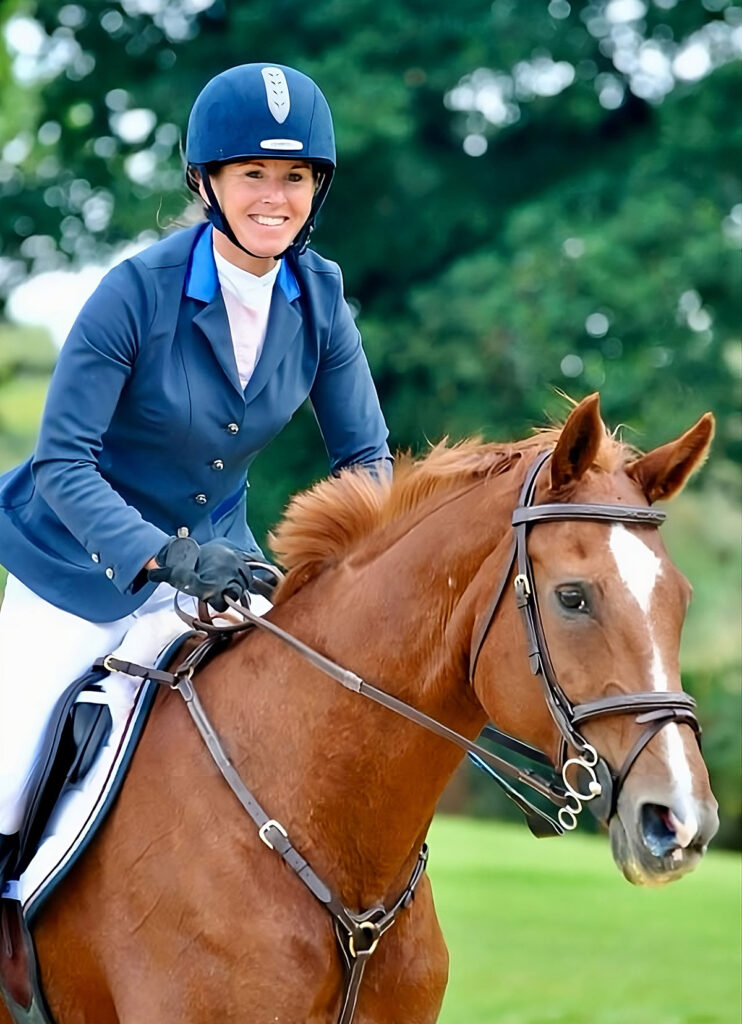
While there are some excellent selling agents specialising in equestrian properties, there remain very few buying agents with the required depth or breadth of knowledge. I’ve been around horses all my life – from Pony Club to owning horses competing at the World Equestrian Games, Badminton and Burghley, and time based in professional yards with Olympic riders. Having worked with and helped many riders, owners and patrons, as well as national federations, I have a comprehensive understanding of both private and commercial set-ups and the nuances of each.
Ultimately, equestrian purchases are about more than facilities: they are about the quiet solitude of time with horses. As Churchill said, “There is something about the outside of a horse that is good for the inside of a man.”
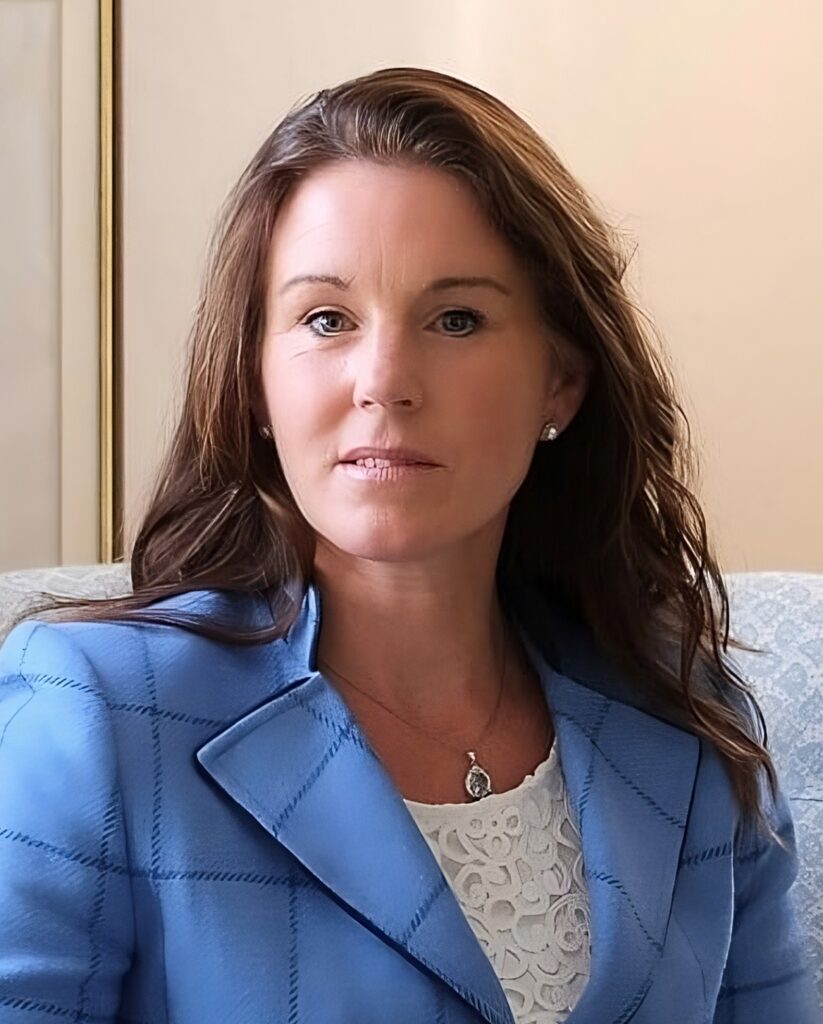
Katherine Watters is our equestrian expert and specialist Partner for the Southern Home Counties
For news, expert commentary and invaluable property insight, subscribe to The Insider, our quarterly newsletter, here.
