Buying Britain’s Finest Homes as an American
From Cotswold manor houses to Mayfair townhouses, the finest homes in Britain rarely reach the open market. After their recent trip to New York, Head of The Buying Solution, Will Watson, and Head of the Cotswolds, Harry Gladwin, share what American buyers told them, and how the right introductions make all the difference.
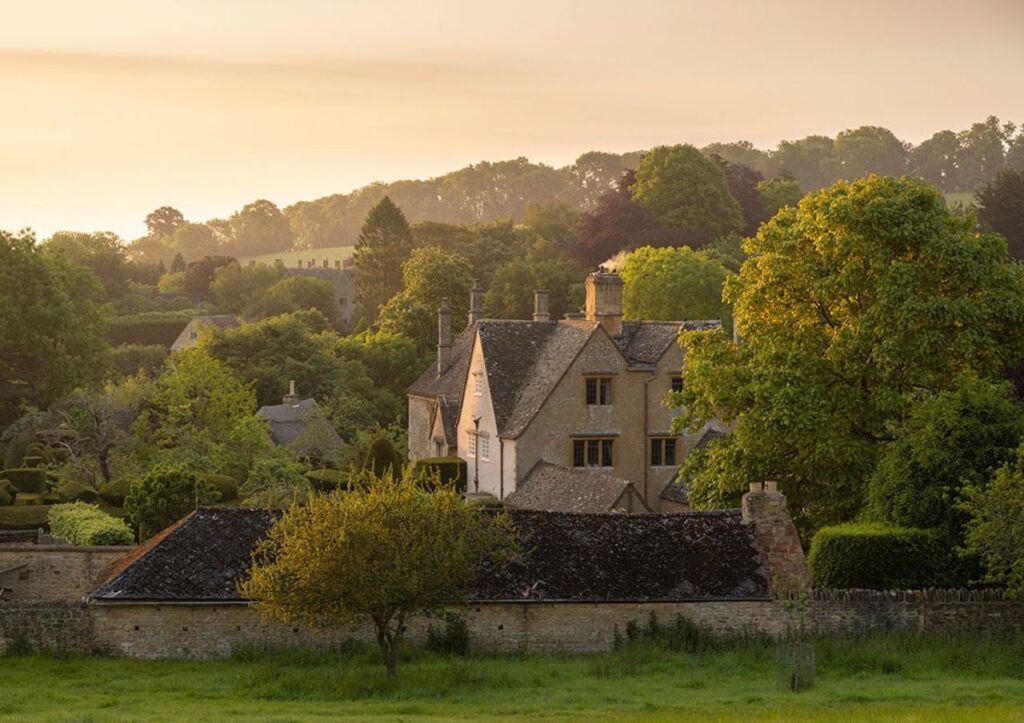
On a November evening in downtown Manhattan, a room of influential New Yorkers gathered in Bonhams’ historic Steinway Hall to talk about a corner of rural England 3,000 miles away. By the end of the night, it was clear that Britain is still very much loved and a home here is highly coveted.
After more than 25 years advising buyers on the finest homes in London, the Cotswolds and beyond, we are often asked what draws Americans to Britain, and what they should know before they buy. Our recent trip to New York offered some answers.
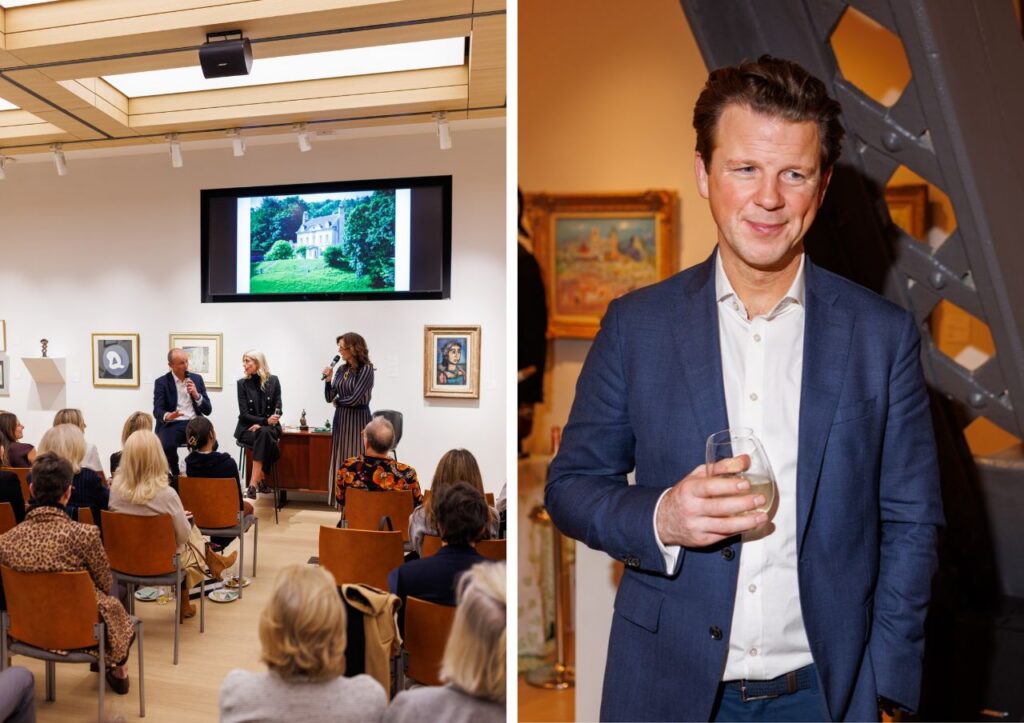
The Art of British Living event, the centrepiece of our trip, was a celebration of the Cotswolds and an exploration of its allure on both sides of the Atlantic. The Buying Solution, in partnership with the Bamford Collection, welcomed guests to Bonhams for a memorable evening with friends and connections, old and new.
The event included a fascinating discussion between Harry and Ophelia Hohle, Group Marketing and Communications Director at the Bamford Collection, hosted by Frances Schultz, author and Editor-at-Large of Veranda magazine – herself a resident of both Manhattan and the Cotswolds. The conversation explored what American buyers need to consider, as well as the heritage, architecture and sense of community in this very special region.
What struck us both during this event and our other meetings in the city was how familiar many of New York’s wealthiest and most influential figures were with the Cotswolds, despite many never having made the journey there themselves. They were equally positive about London and the UK more broadly. Several even said they would happily live in London rather than New York, given the choice and tax implications.
It was refreshing to hear, given that the stories gaining traction in the British media usually concern the exit of wealthy individuals. A client of ours, who owns a considerable amount of UK property, mentioned recently that American firms are taking up more and more space in his commercial portfolio. Yet it is not a story that makes headlines. Britain is far from perfect, but it’s clear that the pull remains strong.
What money cannot buy in Manhattan
Walking past one gleaming new residential skyscraper after another, the answer to why the pull endures felt fairly clear. A luxury apartment in a pristine modern tower can be bought and another will be built before long. What cannot be bought is history and heritage. The wealthiest New Yorkers tend to favour the Gilded Age mansions, luxury apartment buildings and townhouses built mostly between the 1880s and 1915 on Manhattan’s Upper East Side. They carry a sense of culture, permanence and rarity that new constructions simply cannot.
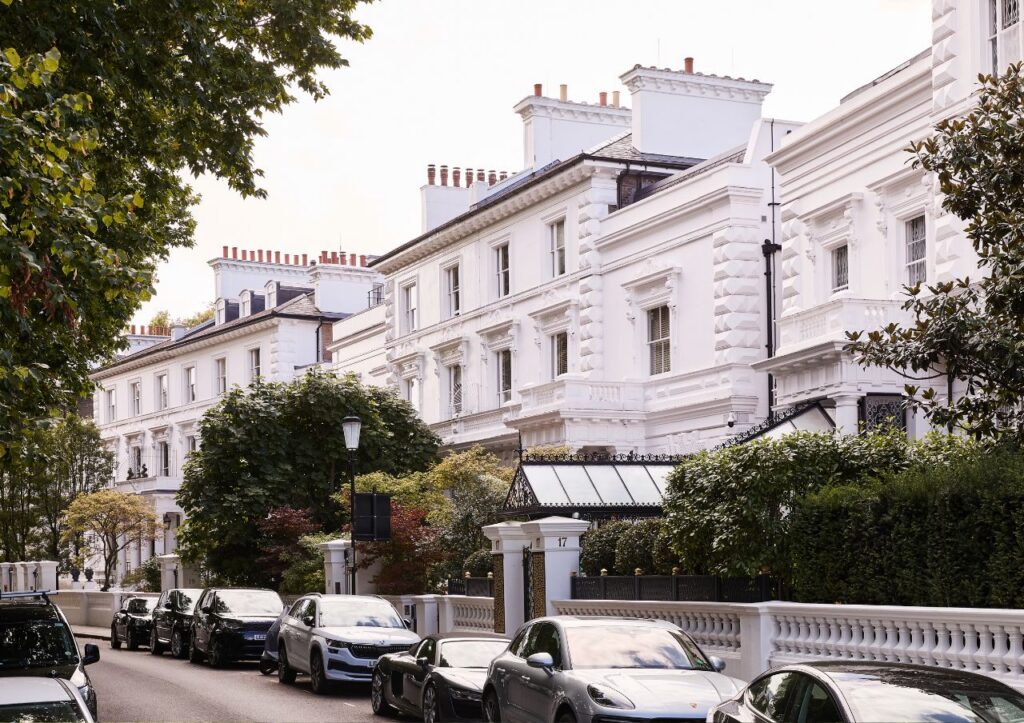
Britain offers that in abundance. London’s Belgravia is defined by 19th-century Regency and neoclassical white stucco terraces and mews, while Mayfair‘s residential streets are lined with 18th century Georgian red brick townhouses and 1920-30s mansion blocks. This historic architecture has been protected and preserved for generations.
Two hours west and you reach the Cotswolds villages of historic homes in honeyed stone spanning the late 14th –18th centuries, with architectural eras ranging from Tudor and Jacobean to Georgian and Arts and Crafts. These are villages that are storied rather than staged.
Several American clients have told us they find the Hamptons on Long Island, where they go to escape the city, almost too polished – so manicured that it begins to feel unreal. The Cotswolds is the opposite and a weekend retreat here is a natural pairing with a London base.
There is a different kind of luxury to be found in both the Cotswolds and London. Their private members’ clubs, luxury country estates and private sporting clubs, of which we are a part, are steeped in history. Access is a rigorous process and cannot be bought, it has to be earned – often over years – and that is the appeal. This is where a well-placed introduction counts for a great deal.
For many families, the cultural prestige and academic rigor of British schooling, together with its relative safety, is also a perennial draw.
A market built on introductions
Most American buyers who contact us have never encountered a market at the higher end quite like that in England. They arrive with substantial funds, ready to act quickly and decisively, yet are often struck by how little appears to be available. And what is on the market isn’t always what they had hoped for.
In the US, a property is generally for sale or it is not. Here, many of the rarest and most exceptional houses change hands privately, through closely guarded conversations and discreet introductions, without ever appearing on the open market.
There is also the added complexity of protected conservation areas, local planning restrictions and historic buildings, with Conservation Officers dictating what renovation work is permitted.
With so much to navigate, finding a truly exceptional property is far more difficult than most people imagine and virtually impossible without expert representation. That is why the choice of who represents you matters so much.
Building a team of specialists for our clients
A recent client case illustrates this perfectly. An American couple wished to buy a Grade I-listed Cotswolds house, a small estate that was only ever available privately. Grade I is the highest category of protection, applied to only a small fraction of listed buildings in England. Harry was the first to hear about it, which meant our clients could be considered before anyone else. We then worked hard to help the sellers feel confident they were the right buyers for their house and community that they cared about deeply.
Having the offer accepted was just the first step. The next was navigating the enormously complex process of altering a Grade I listed building. We assembled a team of the best-in-class professionals that we felt would have a rapport with our clients, including a project manager, a specialist in listed buildings and a designer proficient in working with historic houses. All had previously worked with overseas clients and were adept at keeping a project of this calibre on track across different time zones when the couple weren’t in the UK.
When our clients complete on their homes and we ask them what they valued the most about working with us, it is often the team that was built around them, and the fact that every difficulty was handled before it became a problem. They tell us that without the connections that we made on their behalf, they wouldn’t be where they are now.
Why trusted relationships matter
We have spent more than 25 years earning the trust of buyers, owners, advisers and specialists and building close professional relationships with them. This doesn’t happen overnight, and it is not something that a polished social media presence can replace. This is why closed doors open for us, and why sellers trust us with their plans.
Discretion and a strong moral compass are central to how we operate. In our experience, the best work is done quietly and our clients value that immensely.
We travel to the US regularly and look forward to returning to New York in the coming months. There is no substitute for face-to-face conversations and listening carefully to understand what each client hopes to find. It is how lasting relationships are forged and how we advise well.
If you are considering a property in London or the Cotswolds, we would be glad to arrange a private conversation, in New York or in the UK.

Will Watson is Head of The Buying Solution

Harry Gladwin is our Partner and Head of the Cotswolds
For news, expert commentary and invaluable property insight, subscribe to The Insider, our quarterly newsletter, here.
