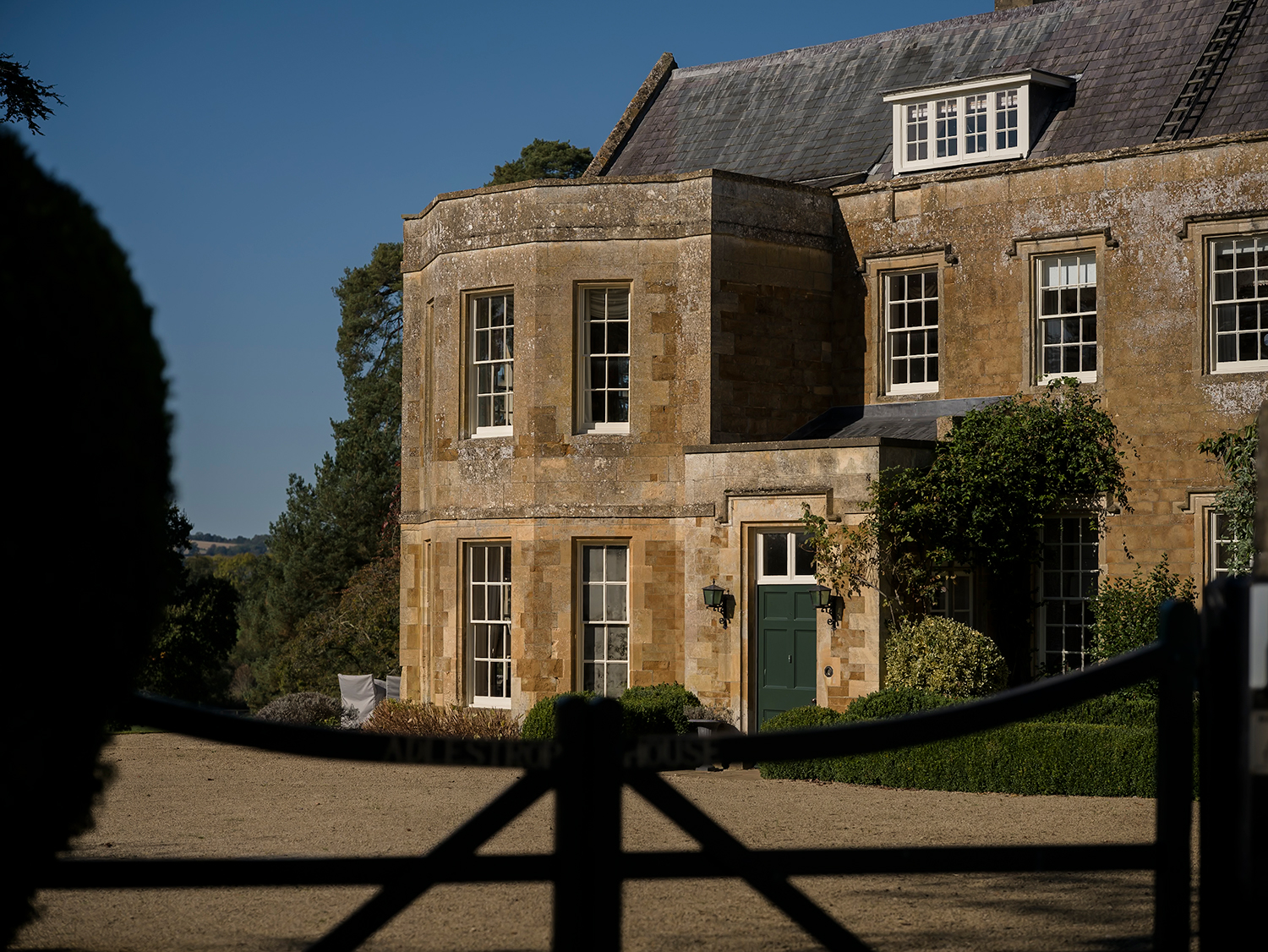
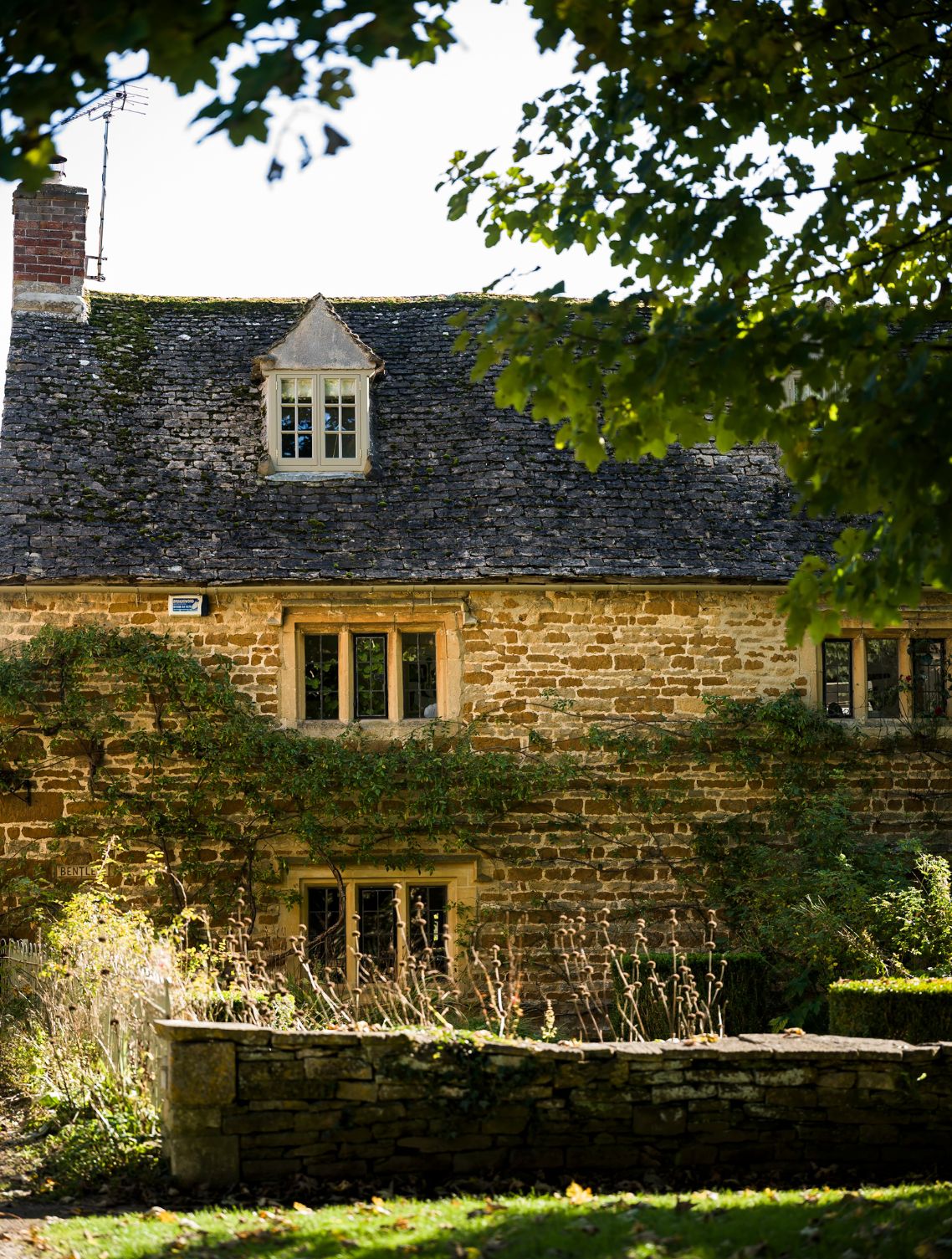
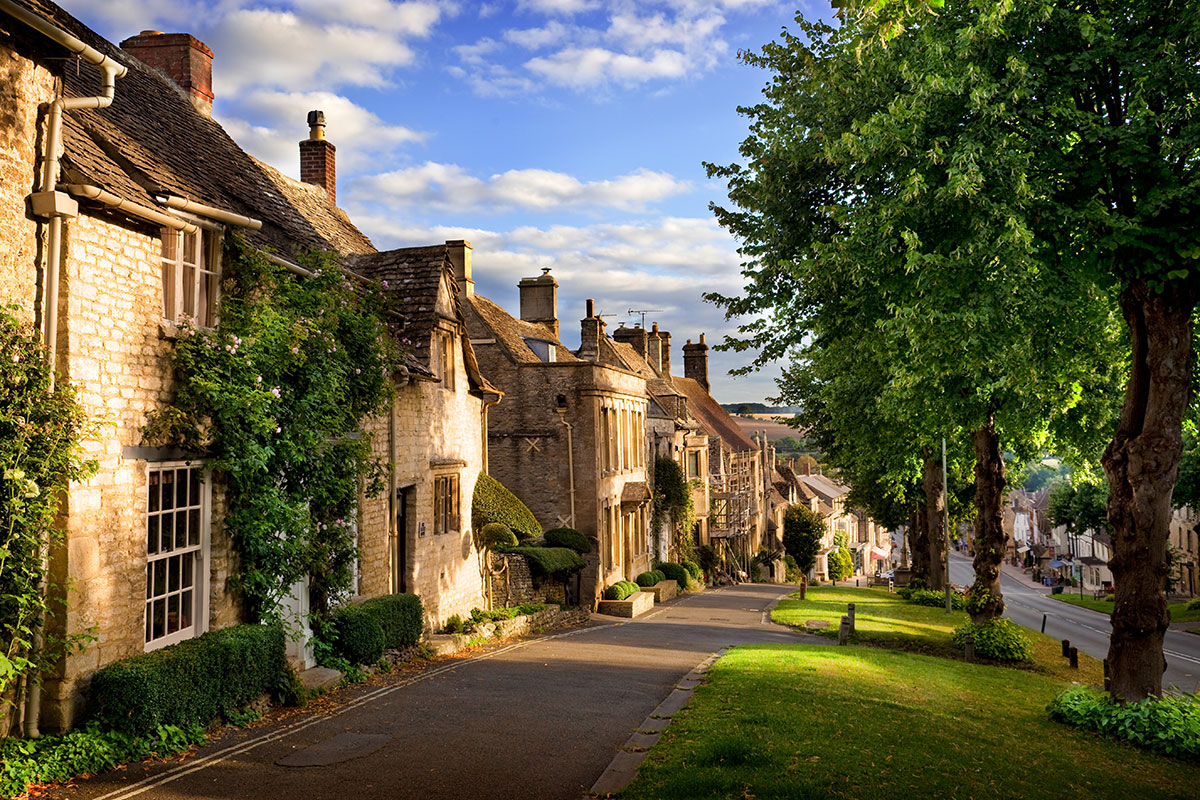
Prince Harry and Meghan’s return to the UK – and reported move to the Cotswolds – has further burnished the region’s crown. Writing for the Wall Street Journal, Ruth Bloomfield reports on how the area’s growing number of American buyers see it as the ultimate trophy asset, featuring insights from our Partner and Head of the Cotswolds, Harry Gladwin.
With the Duke and Duchess of Sussex settling their children into school and setting up their new home in the Cotswolds, the region’s appeal to American buyers is confirmed, writes Ruth Bloomfield in the Wall Street Journal. “I would say there has been a 25% increase in US buyers since last summer,” Harry Gladwin, our Partner and Head of the Cotswolds, shares in the article. “The Cotswolds is now an international brand.”
With the rapid rise of padel across the UK, agricultural landowners are finding innovative ways to generate income – including converting redundant barns into high-demand sports facilities, reports Cathy Hawker in the Financial Times, with insight from Harry Gladwin.
Many farmers are facing sustained pressure on margins, as our Partner and Head of the Cotswolds Harry Gladwin highlights in the Financial Times. Repurposing underused buildings – whether for padel courts or other commercial uses – offers a practical way to create supplementary income while preserving the integrity of rural estates.
“Most farmers would prefer to focus purely on farming but margins have been compressed for some time,” Harry says in the report. “For estates with redundant or underused buildings, repurposing them for alternative uses — whether that’s padel courts, car storage, cafés or gyms — can provide meaningful supplementary income without materially changing the character of the holding.”
While many buyers now favour turnkey properties, wary of the cost, time and complexity of a major renovation, the Cotswolds still offers compelling opportunities for those with an appetite for a project. With specialist input and a deliberate approach, the right property can be remodelled to create a truly exceptional legacy home – and a robust long-term investment – writes our Partner and Head of the CotswoldsHarry Gladwin
Sarah Frances Kelley for The Buying Solution
The allure of crafting a truly bespoke property that leaves a lasting legacy, or the romance of stewarding a historic property into its next chapter is irresistible to some. Fifteen or 20 years ago buyers might purchase a house for £1 million, spend another £1 million transforming it and end up with a £3 million property. A renovation project was the aspiration and the numbers stacked up.
Yet the rising cost of a large-scale project – not to mention the stress and time-consuming complexity of a build – have caused appetites to shift, particularly at the upper end of the market.I’m seeing far more buyers prioritising turnkey homes than those actively seeking properties with renovation potential.
One of the fundamental issues is that many sellers simply haven’t adjusted their expectations to reflect the true cost of major works. Construction material prices rose by 15% in the 12 months following Russia’s invasion of Ukraine in February 2022, according to the Department for Business and Trade. Costs have eased slightly (up 3.7% in the 12 months to January 2026), but the Building Cost Information Service forecasts a 15% rise in the next five years, with the Iran war likely to push costs higher. Labour costs have also risen sharply as a result of higher national insurance contributions for employers.
Renovations that once required a few hundred thousand pounds now run into the millions. Sellers haven’t caught up with that reality, creating a disconnect between expectation and execution.
In the Cotswolds’ most desirable ‘golden triangle’ – the area around Chipping Norton, Stow-on-the-Wold and Burford – property prices remain robust and, as I have consistently seen, continue to rise. Best-in-class properties in these prime locations still command a premium. Elsewhere in the Cotswolds region, the market is more complex. Many properties came to market last year priced at around 20% above where they realistically should have been, as sellers and agents pushed expectations higher. But I’m starting to see those numbers correcting to more sensible levels, heightening the renovation potential from a financial perspective. When priced realistically, the houses sell – and quickly.
The Turnkey Premium
An immaculate, turnkey property will always command a premium. That said, true turnkey quality to the standard that our clients expect is rare. Many houses have what I would describe as a veneer of quality, lacking in the finer attention to detail.
The very best examples tend to be homes renovated by owners for themselves, never expecting to sell. Corners weren’t cut and the finish is properly considered. When those houses come to market – often due to life changes such as divorce or relocation – they are highly sought after. For these kinds of properties, a 20% turnkey premium is not unusual.
Yet even then, buyers often want to put their own stamp on a new home with a kitchen of their choice, for example. For our clients, the cost of this can easily run into the hundreds of thousands and that kind of investment needs to be factored in from the outset.
Where Renovation Can Still Add Significant Value
Value can be created in almost any type of property – from modest bungalows to listed manor houses. But the greatest opportunity often lies in starting from scratch; demolishing what’s there and rebuilding from the ground up to create a truly unique home.
These properties can sometimes sit in reasonable acreage and are typically acquired for less money because they’re not of such high quality. There may also be stamp duty advantages depending on how surrounding land is classified and building from scratch can also offer VAT efficiencies on construction costs. Just as importantly, this allows you to start again with new drainage, new electrics and a layout designed entirely for modern living. When executed well, the result can be a genuinely best-in-class home that will always command a premium.
But location is critical. It costs as much to renovate in a C-grade location as it does in an A-grade one, but rarely returns the same value. So understanding exactly what and where you’re buying is critical. Without that knowledge you risk owning a very expensive lemon.
Having lived and worked in the Cotswolds for decades, through multiple market cycles, I’ve built up a detailed sense of which areas are consistently resilient, which come in and out of fashion, and which are most exposed during downturns. I see so many people spend vast sums improving houses in secondary locations, only to struggle to recoup their investment when they try to sell.
Older, perhaps listed properties with layouts that simply no longer work for modern living also hold hidden potential, although they can be difficult to find. A clever, sympathetic redesign retaining the character of the property can unlock considerable value – if executed with skill and consideration.
Red Flags Buyers Should Never Ignore
Certain compromises are very difficult to overcome, no matter how much money is spent on a renovation. Flood risk, proximity to busy roads, aircraft flight paths or public rights of way running directly past the house can all affect long-term value, regardless of renovation or turnkey status.
Other risks include structural issues such as roofs, subsidence, or listing restrictions. Many buyers assume listed status only applies to the façade; in fact, every element is considered to be historic fabric and is protected, and when you start peeling back the layers, you realise just how complex it can be.
Potential development nearby is another crucial consideration. With increasing pressure for housing across the UK, it’s vital to be aware of where large-scale development may occur in the future and its potential impact.
Given the cost of acquisition at this level, understanding those compromises from the outset in order to future-proof your purchase is essential.
Navigating Planning and Heritage
A substantial renovation can take anywhere between two to four years, particularly when planning permissions, heritage constraints and listed status are involved. For many of our clients with demanding professional lives, time is in very short supply, so assembling the right team of experts to smoothly and successfully steer the project through to completion is crucial.
There is often a myth that little can be done with historic properties in an Area of Outstanding Natural Beauty, or National Landscape as it is now known. In reality, it is rarely that simple. People tend to go wrong by becoming overly fixated on a particular outcome and then battling every stage of the planning process to achieve it.
The key is to work collaboratively with planners, conservation officers and heritage consultants. While the route may differ from what was initially imagined, with the right team it is usually possible to reach a very good outcome.
Within the Cotswolds National Landscape, the fundamental aim of the planners is to protect and enhance the environment. Projects that respect the landscape and work with it rather than against it tend to succeed.
Renovation projects in and around the Cotswolds are likely to become ever more complex. Planning authorities are already under huge pressure and have limited resources to process increasingly complicated applications. Suitable sites are becoming scarcer, and the region itself is more densely populated than it once was, so there is more sensitivity around creating new homes.
Acquisition costs are high – stamp duty alone can consume over 10% of the purchase price –and construction costs also remain unpredictable. Commodity prices have been rising steadily, and current geopolitical events create further volatility.
All of this is not to say that renovation projects should be off limits, but that they require greater care and consideration than ever before. Short-term buyers looking to hold their property for five years or less are particularly exposed, while those with a more long-term lens of 10-20 years have the market to cushion any missteps.
Too often buyers purchase first and only then begin their renovation research – by this point the margin for error becomes very small. It’s vital to understand what you’re buying, where and why, before you commit. Do your homework first, or you can find that the costs can quickly overwhelm.
Harry Gladwin is our Partner and Head of the Cotswolds Region
For news, expert commentary and invaluable property insight, subscribe to The Insider, our quarterly newsletter, here.
With 3.6 million people aged between 20 and 24 still living with their parents in the UK, often due to financial strain, growing numbers of parents require their home to comfortably accommodate their adult children, reports Melissa York in The Sunday Times Magazine. Our Head of the Cotswolds Harry Gladwin shares his insight on the trend in his region.
Our Partner and Cotswolds buying agent, Harry Gladwin, speaks to The Sunday Times Magazine about the impact of multigenerational living on property searches in the Cotswolds region. In particular, he identifies a movement towards substantial independent secondary accommodation, rather than simply an annexe.
The Cotswolds has become almost as well known for its famous residents as for its beautiful honey-stoned buildings and bucolic countryside. The arrival of a celebrity in a village – here and elsewhere – and the added security and heightened media interest that inevitably follows, often causes a stir, reports Arabella Youens in The Telegraph. Yet, a famous neighbour can bring far more to an area than just designer wellies, shares our Head of the Cotswolds Harry Gladwin.
Sarah Frances Kelley for The Buying Solution
From Jeremy Clarkson to DJ Calvin Harris, the rumoured arrival of Beyonce and Jay Z, even the recent visit by US Vice President JD Vance; the Cotswolds has become a magnet for the rich and famous. Yet our Partner and Cotswolds Buying Agent, Harry Gladwin, explains in this report in The Telegraph that the long-established culture of discretion among locals has made this a very welcoming place for famous residents and visitors, and their positive impact shouldn’t be ignored.
As a new report suggests that the typical life aspiration of a forever home is losing its relevance, our Partner and Head of the Cotswolds, Harry Gladwin, speaks to Annabel Dixon at Country Life about what’s causing this shift among younger generations.
As broader economic factors have made it harder then ever to secure a dream family home, new research from Zoopla suggests that growing numbers of young homeowners prioritise flexibility and renovation potential over permanence. In this feature in Country Life magazine, Harry shares his insight on people reassessing their ‘forever home’ earlier in life and why buyers value the option to move.
As music A-listers Beyoncé and Jay-Z are rumoured to be building a modern barn-style home on a vast 58-acre plot near Wigginton in the Cotswolds, our Head of the Cotswolds, Harry Gladwin, talks to Ruth Bloomfield at The Standard about the area’s transatlantic appeal.
Sarah Frances Kelley for The Buying Solution
Harry has seen a 30% increase in US-based buyers in the Cotswolds since the start of the pandemic. “This region ticks every box of what they dream the English countryside should be – rolling hills, honey-coloured stone, cricket on the green, cosy pubs and villages that look unchanged for centuries,” Harry told The Standard.
According to a new study, downsizers are now moving 40% further than average buyers. Our Cotswolds Partner Harry Gladwin talks to Alexandra Goss at The Telegraph about why research is critical before downsizing to an unknown area.
Sarah Frances Kelley for The Buying Solution
Downsizing later in life inevitably means that the once crucial factors of school catchment areas and commuting times are no longer important. As such, growing numbers of downsizers are seeking a completely new way of life in a new area, often influenced by where their children and grandchildren are located. Yet it pays to ensure that a potential new neighbourhood is thoroughly researched before taking the leap, says Harry Gladwin in The Telegraph.
Read the article here and read more on The Joy of Downsizing: Why Planning Ahead Matters in our Insights blog here.
As speculation continues that the Treasury is considering major property tax reforms ahead of the Autumn budget, one option on the table is replacing stamp duty with a new levy on homes sold for more than £500k. Our Partner and Head of the Cotswolds, Harry Gladwin, shares his reaction in PrimeResi.
Sarah Frances Kelley for The Buying Solution
While a new ‘proportional’ national property tax would aim to provide a steadier revenue stream, it’s thought that it could have a significant impact on liquidity, pricing and transactions across the UK market. Talking to the luxury property journal PrimeResi, our Head of the Cotswolds, Harry Gladwin, comments on the impact of such a tax on his region and how it could reinforce the value gap in the market.
Wealthy buyers in the Cotswolds are setting their sights beyond the typically popular socialite scene, according to a recent article in Bloomberg, featuring expert comment from our Partner Harry Gladwin.
Talking to journalist Sarah Rappaport, our Head of the Cotswolds region, Harry, says: “For those seeking true privacy, the celebrity ecosystem around Soho Farmhouse is starting to feel a bit crowded—or worse, performative.” He adds: “Areas around Snowshill, Cold Aston, Whichford or the Coln Valley offer more space, less scrutiny and just as much charm.”
We use cookies to improve user experience and analyze website traffic. By clicking “Accept,” you agree to our website’s cookie use as described in our Cookie Policy.
This website uses cookies to improve your experience while you navigate through the website. Out of these, the cookies that are categorized as necessary are stored on your browser as they are essential for the working of basic functionalities of the website. We also use third-party cookies that help us analyze and understand how you use this website. These cookies will be stored in your browser only with your consent. You also have the option to opt-out of these cookies. But opting out of some of these cookies may affect your browsing experience.
Necessary cookies are absolutely essential for the website to function properly. These cookies ensure basic functionalities and security features of the website, anonymously.
Cookie
Duration
Description
cookielawinfo-checkbox-analytics
11 months
This cookie is set by GDPR Cookie Consent plugin. The cookie is used to store the user consent for the cookies in the category "Analytics".
cookielawinfo-checkbox-functional
11 months
The cookie is set by GDPR cookie consent to record the user consent for the cookies in the category "Functional".
cookielawinfo-checkbox-necessary
11 months
This cookie is set by GDPR Cookie Consent plugin. The cookies is used to store the user consent for the cookies in the category "Necessary".
cookielawinfo-checkbox-others
11 months
This cookie is set by GDPR Cookie Consent plugin. The cookie is used to store the user consent for the cookies in the category "Other.
cookielawinfo-checkbox-performance
11 months
This cookie is set by GDPR Cookie Consent plugin. The cookie is used to store the user consent for the cookies in the category "Performance".
viewed_cookie_policy
11 months
The cookie is set by the GDPR Cookie Consent plugin and is used to store whether or not user has consented to the use of cookies. It does not store any personal data.
Functional cookies help to perform certain functionalities like sharing the content of the website on social media platforms, collect feedbacks, and other third-party features.
Performance cookies are used to understand and analyze the key performance indexes of the website which helps in delivering a better user experience for the visitors.
Analytical cookies are used to understand how visitors interact with the website. These cookies help provide information on metrics the number of visitors, bounce rate, traffic source, etc.
Advertisement cookies are used to provide visitors with relevant ads and marketing campaigns. These cookies track visitors across websites and collect information to provide customized ads.