Is Renovating a Listed Property Losing Its Appeal?

Country house prices have fallen, but stamp duty, mortgage rates and renovation costs are putting buyers off listed properties, Elizabeth Rowlinson writes for the Financial Times. Our Partner and Head of the Cotswolds, Harry Gladwin, explains in the article why they still have kudos.

Cotswolds stone house with sage green front door and evergreen hedges
Sarah Frances Kelley for The Buying Solution

Hundreds of picturesque listed country houses have fallen in price over the past year, making this one of the best times in a decade to buy a Georgian rectory or storied manor. So why do so few want to? As Elizabeth Rowlinson reports for the Financial Times, stamp duty of up to 19 per cent, mortgage rates that have doubled since 2022 and growing concern over running costs are putting buyers off.

Yet as our Partner and Head of the Cotswolds, Harry Gladwin, shares in the article, “There’s kudos to owning an important home.” Find out how he helps buyers unpick the rules, avoid costly breaches, and why “cost and time” matter most.

Read the article here.

The Cotswolds: the Ultimate American Trophy Asset

Prince Harry and Meghan’s return to the UK – and reported move to the Cotswolds – has further burnished the region’s crown. Writing for the Wall Street Journal, Ruth Bloomfield reports on how the area’s growing number of American buyers see it as the ultimate trophy asset, featuring insights from our Partner and Head of the Cotswolds, Harry Gladwin.

Sarah Frances Kelley Cotswold manor house The Buying Solution

With the Duke and Duchess of Sussex settling their children into school and setting up their new home in the Cotswolds, the region’s appeal to American buyers is confirmed, writes Ruth Bloomfield in the Wall Street Journal. “I would say there has been a 25% increase in US buyers since last summer,” Harry Gladwin, our Partner and Head of the Cotswolds, shares in the article. “The Cotswolds is now an international brand.”

Read the article here.

The Parents Moving House for a School Catchment

Parents hoping to move house for a school catchment area are learning a hard truth: timing is everything. Writing in The Telegraph, Ruth Bloomfield explores what it really takes to land a spot at the best state schools – including advice from our own Cotswolds buying agent, Georgina Neil, on getting the move right.

Mother Returning Home From School With Children Wearing School Uniform Running Down Path

Competition for places at good state schools is fierce – and for the best houses in their catchment areas, fiercer still, especially since VAT was introduced on private school fees, reports Ruth Bloomfield in The Telegraph.

To keep the move as stress-free as possible, early research pays off. “For a September start, we would generally advise beginning the process during the previous autumn or winter, to allow sufficient time for finding the right property, agreeing a sale, and navigating the conveyancing process,” advises Georgina Neil, our Cotswolds buying agent, in the article.

Read the article here.

Making Your Country House Earn its Keep

Large country houses not in use by their owners were traditionally mothballed. Not anymore, writes Eleanor Doughty in Country Life, with insights from Katherine Watters, our Partner and Southern Home Counties expert.

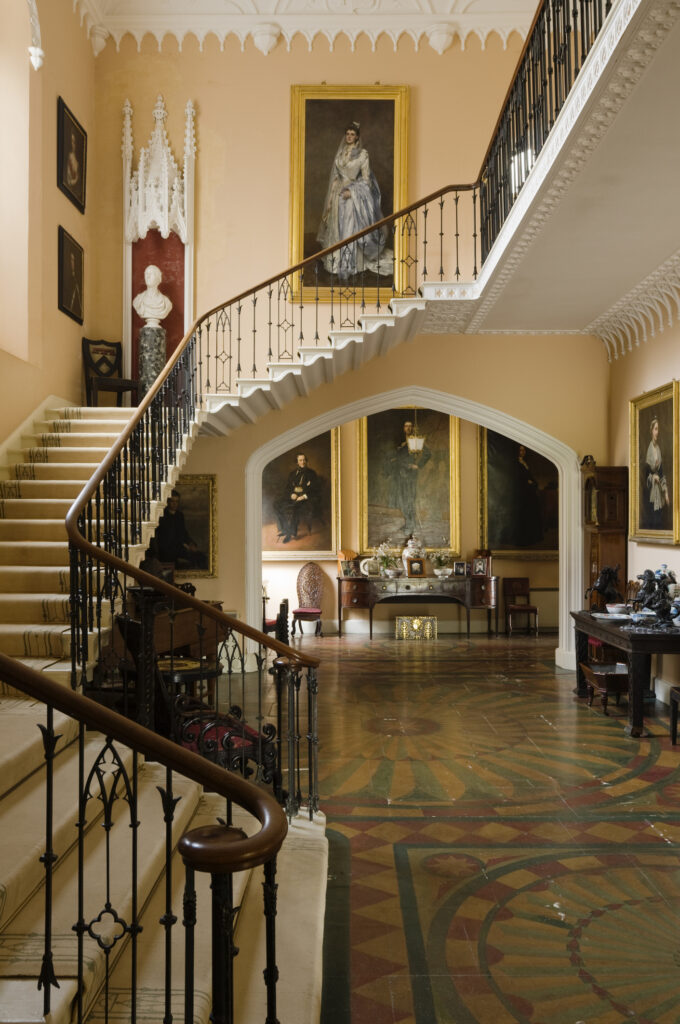
Staircase in entrance hall with original floor tiles and full length paintings

For those with multiple large country houses, deciding what to do with the one you weren’t occupying used to be simple: the dust sheets came out and you mothballed it until your return. But now, owners tempted by the handsome returns that short lets can yield are seeing their properties as business assets, writes Eleanor Doughty in Country Life.

‘In the times we’re in, people look at what they’ve got and think how can they make some extra income from it,’ comments Katherine Watters, our Partner and Southern Home Counties expert.

Read the article here.
How Millenials are Reshaping London’s Super-Prime Property Market

Millennials are entering London’s £20m-plus property market – and changing luxury living, reports Maya Wilson Autzen for The Telegraph with insights from Will Watson, Head of The Buying Solution. From ice rinks and nightclubs to infrared saunas and digital-detox zones, discover the new super-prime must-haves.

A beautiful sunset behind the London skyline with Tower Bridge, River Thames and the corporate skyscrapers

London’s super-prime property market is being reshaped by a younger generation of wealthy buyers, reports The Telegraph. Estate agents reveal that those spending more than £20m are now typically in their 30s or 40s, reflecting the rise of fortunes made in technology, crypto and even social media.

Their preferences are also redefining luxury, with wellness and technology increasingly taking precedence over pools and gyms – traditional markers of super-prime property. Across the market, bespoke wellness spaces are becoming an increasingly important feature of the capital’s most expensive homes. In the article, Will Watson, Head of the Buying Solution, shares that one Los Angeles couple relocating to London placed a Vitamin D pod at the top of their wish list.

Read the article here to find out more.

Prime London Resets, and Why Buyers Stand to Gain

For Britain’s richest, signs suggest that their homes are becoming a less important source of wealth, reports Melissa Lawford in The Telegraph. In the article Head of The Buying Solution Will Watson shares his insight and explains why this is creating opportunities for buyers

Sarah Frances Kelley for The Buying Solution

London’s luxury property market has taken the hit from a succession of punitive tax changes in recent times, resulting in other assets, besides residential property, becoming more important for the very wealthy, reports The Telegraph.

Yet while older homeowners potentially face significant losses when selling their multi-million pound homes in London’s prime areas, such as Kensington, the City of London and Westminster, Richmond Park and Hampstead & Kilburn, this is creating opportunities for buyers with a long-term outlook on their investment.

“In the last 12 or 24 months, in pretty much every example of homes that we have been buying for our clients, we are paying less than the owners did 10 years ago,” says Will to journalist Melissa Lawford. 

Read the full article here.

The Fresh Appeal of Riverside Homes in London

The number of new residential developments along the banks of the River Thames illustrates the growing demand for riverside homes in London, reports Paul Carey in The National, with comment from Head of The Buying Solution Will Watson

With dozens of riverside developments currently underway on the stretch of the River Thames between London’s Hammersmith and City Airport, life beside the River has changed infinitely in recent times. Yet, despite the Thames being one of the capital’s most defining features, only around 1% of people currently live directly beside the water, making a riverside home in London a highly coveted and rare asset, explains Will Watson in UAE newspaper The National.

Speaking to journalist Paul Carey, Will discusses the nature of the appeal of riverside living and the protection it offers, and the premiums that people can expect to pay for these sought-after properties in London.

Read the article here.
Selling Your Home in a Crowded Market

With the number of properties listed for sale in the UK at a 10-year high, it pays to be a price-sensitive, considerate seller and find opportunities to help your home stand out, Ruth Bloomfield reports for The Telegraph, with insights from our Partner, Katherine Watters

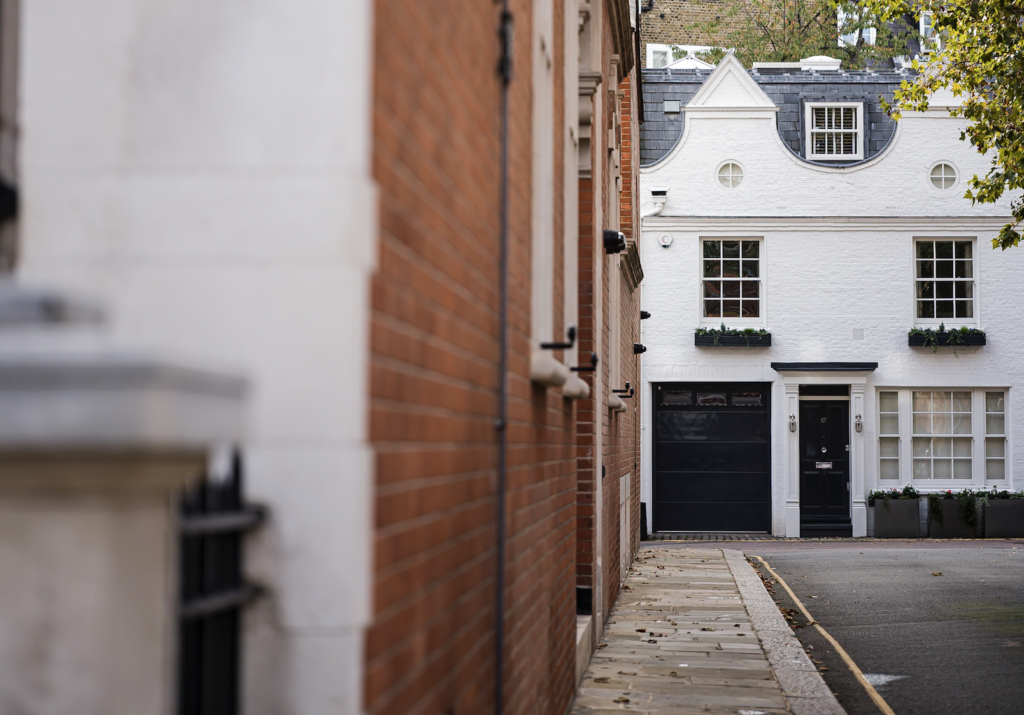
Georgian terrace in Central London, England. Image: Sarah Frances Kelley for The Buying Solution
Sarah Frances Kelley for The Buying Solution

Finding a way to make your property stand out is crucial in the current market, writes Ruth Bloomfield in The Telegraph. While sensitive pricing and immaculate presentation are vitally important factors when there are a surfeit of properties for sale, good will can be another powerful factor, our Partner Katherine Watters shares.

Her favourite example is a £4m Sussex farmhouse that she found and secured for her clients in 2025. It was a sale that came together after the sellers offered to leave their ponies, plus horsebox) for the buyers’ daughters, who had fallen in love with them on the viewing. “While this is a unicorn example, being flexible when it comes to incentives and considering what might make the process smoother can be the difference between a healthy sale and something that falls flat. The market is such that ‘good will’ goes a long way,” says Katherine.

Read the article here.

Political Uncertainty Can Be a Buyer’s Advantage

With Andy Burnham tipped for Number 10, property market uncertainty is rising, Maya Wilson Autzen reports in The Telegraph. But as Will Watson, Head of The Buying Solution, shares in the article, for savvy buyers opportunity may be knocking.

With Andy Burnham’s anticipated arrival in Downing Street, the property market is already feeling the effects. The likely new Prime Minister’s long-standing advocacy for a controversial land value tax is raising serious questions about the future of property taxation – and the savviest buyers are taking note.

Will Watson, Head of The Buying Solution, speaks to Maya Wilson Autzen at The Telegraph on the market shifts he’s witnessing firsthand, and how buyers can turn this moment of political uncertainty to their advantage at the negotiating table.

Read the article here.

Is Your Home Tech Spying on You?

As more and more of us install smart, connected gadgets in our homes, are we actually making ourselves vulnerable to security breaches from our own home tech, asks David Byers in The Times. Our Partner and Head of the Cotswolds region Harry Gladwin shares his insights.

Small, white wireless security camera sits on a wooden table, actively monitoring a blurred, comfortable living room, ensuring safety and peace of mind

The home tech industry has grown significantly in recent years and is projected to be worth almost $140 billion by 2032, the research firm MarketsandMarkets says, with people buying wifi-connected vacuums, ovens, doorbells, garden lights – and even internet-connected wine coolers, reports David Byers for The Times.

But is an over-reliance on tech the modern equivalent of leaving the front door unlocked? “We are seeing a distinct shift in preference among prime buyers who are increasingly concerned about the digital vulnerabilities of fully automated homes,” Harry Gladwin says in the piece.

Read the article here.