The UK property market is evolving fast, shaped by shifting buyer priorities, new hotspots and changing lifestyles. House & Garden magazine’s A–Z guide decodes the key trends, challenges and innovations defining property across the UK today, with insight from our Partner Mark Lawson.
From emerging commuter towns to renovation trends and the rise of multi-generational living, today’s property landscape blends financial strategy with emotional decision-making.
Our Partner and specialist in the Southern Counties and High Value Residential and Rural Estates, Mark Lawson, joins other leading industry experts in House & Garden discussing how to navigate buying, selling and renting in 2026, while uncovering value-adding opportunities.
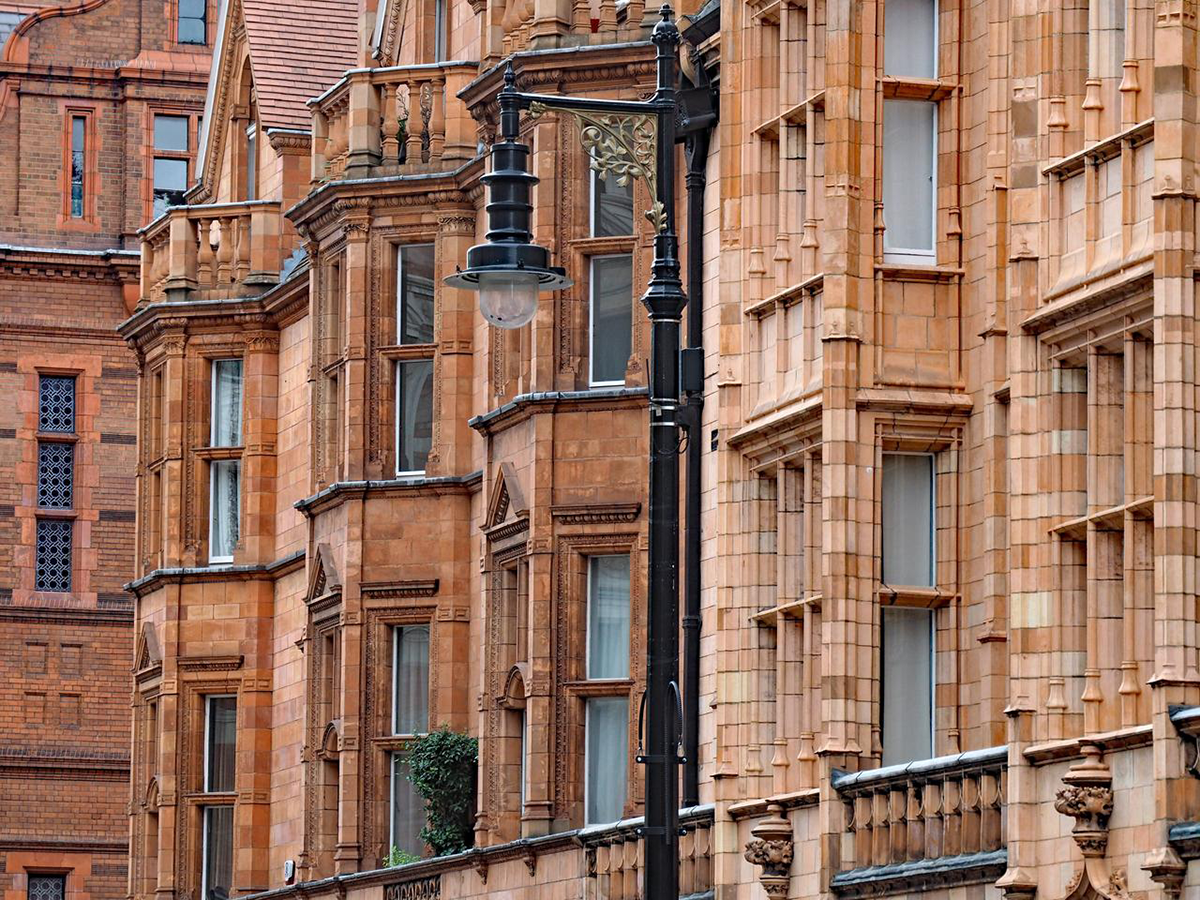
Mark is quoted under U for “Unconventional Buildings”, commenting on Britain’s tradition of living in buildings never intended to be homes.
Free from the shackles of a five-day-a-week commute, it’s possible to enjoy all the benefits of truly rural living while remaining within reach of London. Hampshire, Wiltshire and Somerset offer an outstanding lifestyle and excellent value for money, and there has never been a better time to buy.
When the London commute is required only two or three days a week, buyers seeking a genuinely rural lifestyle can look well beyond the traditional commuter belts. In Hampshire, Wiltshire and Somerset, it is possible to enjoy peace, space and excellent value for money, while still being able to reach London for work with relative ease – and this is precisely the time of year to start your search.
Wiltshire was recently described by The Times as ‘England’s most underrated county’, praised for its ‘astonishing countryside’ and strong ‘feelgood factor’. It feels markedly different from the traditional commuter belt, which can be increasingly busy and noisy – and that difference is precisely its appeal.
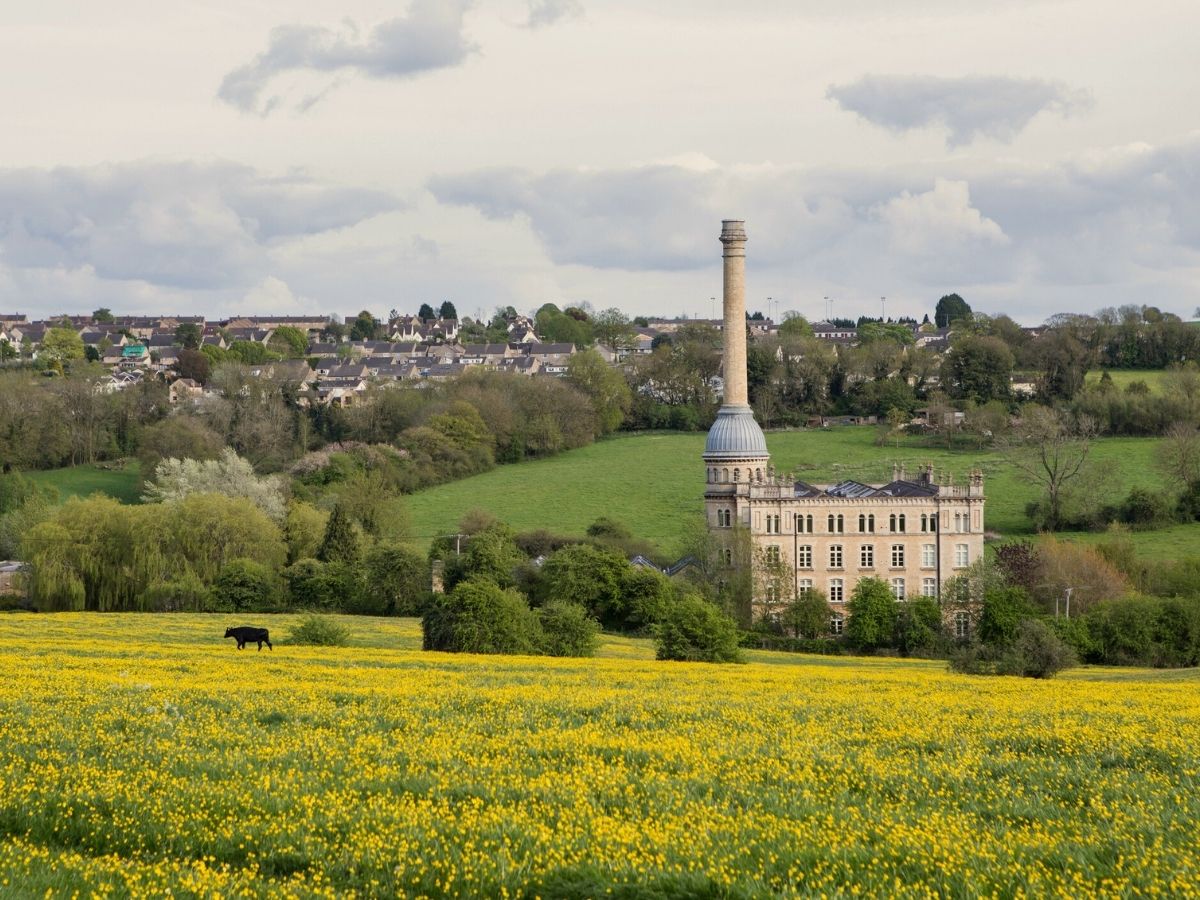
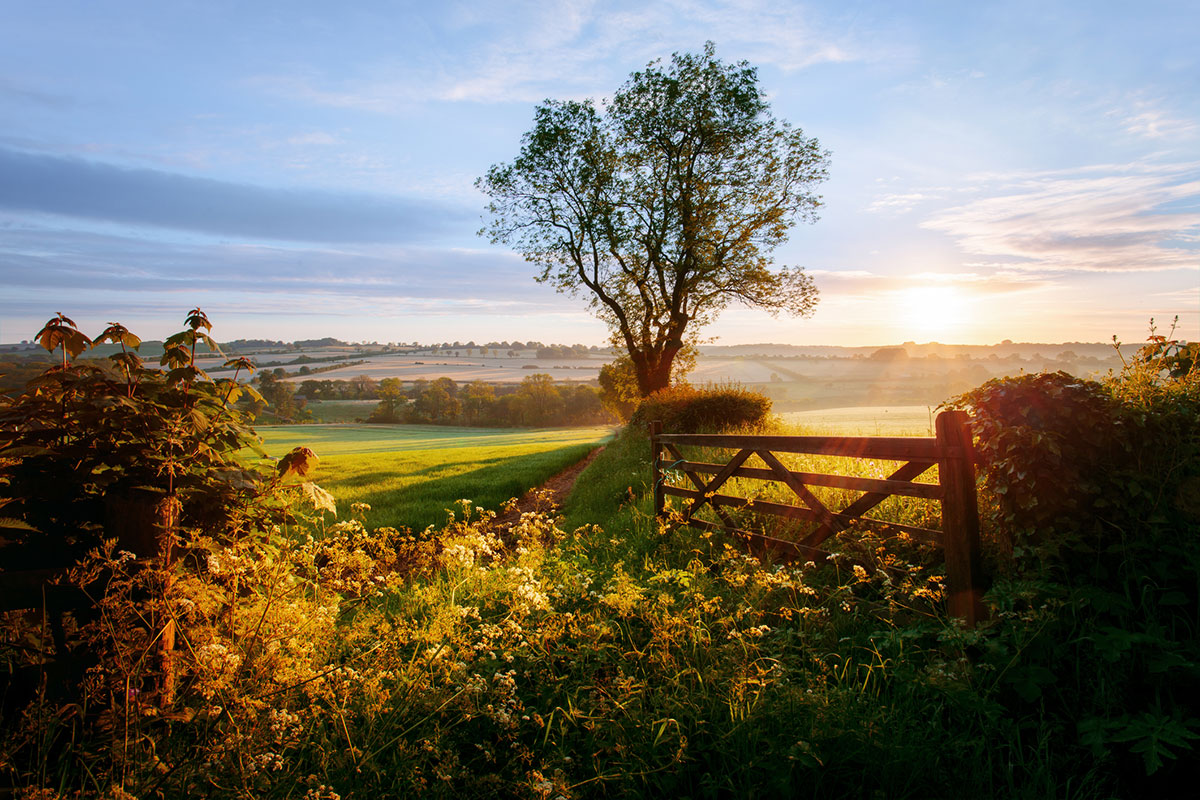
Venture a little further west into Hampshire, Wiltshire and Somerset and you’ll find vast stretches of unspoilt countryside, secluded villages, wonderful long walks and a noticeably slower weekend pace. The appeal of this region is the peaceful, relaxed way of life that it offers. People are more rural at heart here; it is less transient and international, and far more rooted in community and permanence.
For hybrid workers, typically based at home on Mondays and Fridays, the dreaded Friday commute has largely disappeared. Here, you can close your laptop at six o’clock and be in the local pub, out riding across open countryside, or on your way to the coast within half an hour. Equally, there’s no need to begin the week with a ghastly 6am Monday alarm to catch the commuter train; a slightly longer journey on a Tuesday feels altogether more manageable.
Is 2026 a good time to consider a move to Hampshire, Wiltshire or Somerset?
When commuting only two or three days a week, extending journey times to an hour and a half – or even two hours – feels more comfortable. Naturally, the further you travel from London, the more property you get for your money.
This is also the time of year when we begin to hear about new opportunities, and we aim to get our clients in to see these as early as possible, often before anyone else. Around 70% of what we buy is secured off-market or pre-market, making expert representation an excellent return on investment.
Interestingly, this year we are seeing a significant amount of stock that we were aware of last year now being prepared for launch at lower price points. As a result, these properties are likely to come to market earlier than entirely new stock.
Given that very little sold above £3 million last year in Dorset, South Wiltshire and South Somerset, there are certainly good opportunities to be found – provided you can identify a sensible vendor and, most importantly, the right location to suit your lifestyle.
The appeal of Cranbourne Chase and surrounding areas
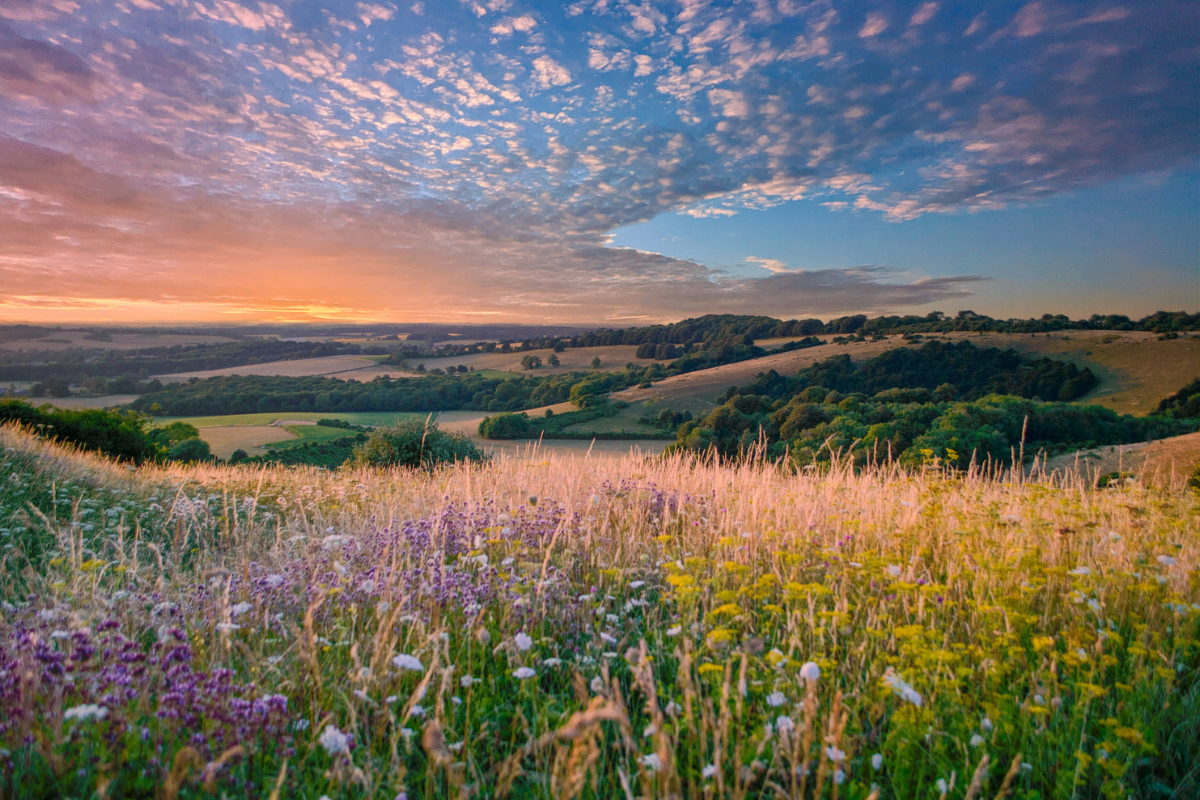
The area surrounding the Cranbourne Chase National Landscape, which spans Dorset, Hampshire and Wiltshire, offers some of the most beautiful unspoiled rural countryside in the region. Characterised by rolling chalk downs, ancient woodland and peaceful landscapes, it is ideal for walking, cycling, riding and a wide range of outdoor pursuits. The beautiful Dorset coast is just an hour away.
The charming village of Tollard Royal is home to an equestrian centre, the recently refurbished King John pub, the well-regarded independent day and boarding prep school Sandroyd School, and the Grade II-listed Victorian pleasure grounds at Larmer Tree Gardens. Nearby Tisbury has its own railway station with direct services to London Waterloo, typically running hourly and taking between 1 hour 45 minutes and 2 hours.
The nearby town of Shaftesbury known for its notable cobbled hill and independent shops and the highly regarded Port Regis Prep School, is also a popular choice. Bryanston School in Blandford Forum, along with Hanford Prep and Clayesmore School also provide excellent independent education options for families in the area.
The countryside around Salisbury is equally attractive and Salisbury station offers strong commuting links to central London, with frequent direct trains to London Waterloo taking between 1 hour 20 minutes and 1 hour 40 minutes.
A farmhouse that has been extended or expanded with around 20 acres of land, a pool, a court and a cottage would typically be priced in the region of £3-4 million. There is a good mix of properties that have already been developed and those that remain untouched, so we’re always trying to find the gem with potential that aligns with how much work a buyer is willing to undertake.
The sustained popularity of Bruton and Frome
North west of Cranborne Chase, the area around Bruton and Frome continues to rival the Cotswolds in terms of popularity, yet retains a distinctly more understated character, which I believe is a key part of its appeal.
Soho House opened its first rural retreat, Babington House, in Frome in 1998, paving the way for a wave of luxury openings in the years that followed. Hauser & Wirth launched their Somerset gallery in 2014, followed by the arrival of The Newt luxury hotel and estate in 2019. That same year saw the opening of Bruton’s Osip restaurant, which went on to receive a Michelin star in 2021, and last year marked the launch of Osip 2.0, its new farm-to-table restaurant. Bruton was recently described by Condé Nast Traveller as “the coolest town in the UK.”
Despite this, these pockets of quiet luxury remain firmly rooted in beautiful countryside, with slower paced villages and market towns, proper local pubs and the reassuring presence of mucky tractors and weathered barns.
There are some direct train services to London Waterloo from Bruton, although most people tend to drive or connect via stations such as Westbury or Castle Cary. Trains from Frome to London Paddington take from 1 hour 30 minutes. The A303 is also easily accessible, providing a convenient route east to London and west towards Devon.
The area is well served by a number of highly-regarded independent day and boarding schools, including Kings’ Bruton and Springmead School near Frome.
Why Sherborne and Templecombe offer both fantastic properties and lifestyle
The countryside south of Bruton around Sherborne and Templecombe is also beautiful, with its gentle rolling hills and attractive villages. London commuters are well served by both Sherborne and Templecombe stations with offer direct train services to London Waterloo, while families are drawn to Sherborne’s highly regarded prep, girls’ and boys’ schools.
A particular appeal of this area is its strong selection of high-quality properties. Almost every village features a farmhouse or manor house, along with an excellent Georgian house or rectory.
Navigating the current property market in South West England
There is currently limited stock in the South West within the £2–10 million bracket, while a significant volume of off-market property exists above £10 million. A particularly attractive house with 50-100 acres would typically be priced at £7-10 million.
We maintain close relationships with local selling agents, as well as our extensive network of professional contacts who are aware of which properties are likely to come to market and can secure early introductions.
Sellers at this level are often highly discretionary and it’s not unusual for them to seek prices well above true market value. This is why engaging a buying agent offers the best chance of securing an exceptional property at a fair price; we are able to advise on value and negotiate on your behalf.
Most importantly, we’re not selling anything. We guide our clients not only to exceptional properties but to the dream lifestyles that accompany them.
Public rights of way can affect property owners in all manner of unforeseen ways, which is why it pays to have clarity on exactly how you can manage them on your land. We share our expertise on how to ensure that the rights of way for which you are responsible feel less of a nuisance and more of an asset.
There are over 140,000 miles of footpaths, bridleways and byways in England and Wales, many of which date back hundreds, even thousands of years. Carved into the landscape naturally by animal and human migration, they were later used for trade, farming, pilgrimage and recreation, and form an integral part of our heritage.
Yet for many rural homeowners or buyers of country properties, discovering a public right of way on your land, particularly if it runs in close proximity to the house, can be an unwelcome surprise. The idea of walkers, riders or even vehicles passing through your property can feel like an added complication to purchasing a dream home, and even an infringement on privacy and security. But with clarity, understanding and good management, living with a right of way can be harmonious – and sometimes even add value.
What are the different types of rights of way in England?
Public rights of way are legally protected routes that the public can use to cross private land. There are several different categories in England, each with its own rules on usage.
Public footpaths These are the most common type and may cross fields, meadows, or the edges of private gardens. They are only for walkers and people using mobility aids, such as wheelchairs or prams. Cycling or riding on a public footpath is not permitted unless the landowner gives permission.
Bridleways Bridleways can be used by walkers, horse riders and cyclists. While cyclists have a right to use them, they must give way to other users. Motor vehicles are not allowed.
Restricted byways These routes are open to walkers, cyclists, horse riders and horse-drawn vehicles, but not motor vehicles. They often follow old carriageways or drovers’ roads, which were routes to move livestock on foot.
Byways open to all traffic (BOATs) Despite the name, BOATs are mainly used by walkers and riders, but motorised vehicles also have a legal right of access. Their presence can be more contentious, particularly where 4x4s or motorbikes use them recreationally.
Permissive paths These are routes that a landowner has voluntarily allowed the public to use. They’re not legal rights of way, and the landowner retains the right to close or reroute them. Signage often indicates that they are permissive rather than statutory.
Open access land – The Countryside and Rights of Way Act 2000 (CROW) The CROW Act gives the public a right to roam across designated open country, which includes mountain, moor, heath, downland and registered common land. This is a right of access on foot only and doesn’t necessarily follow marked paths. It doesn’t include gardens or land close to a house, and certain restrictions may apply during particular times, such as during lambing season or due to risk of fire.
What are my responsibilities for managing rights of way on my land?
Before buying a rural or semi-rural property, it’s essential to check whether public rights of way cross the land. When we look at properties, of course we look at the house but – equally importantly – we look at what’s around it, what’s on it, what’s next to it and what’s adjacent to it. And a major part of that is rights of way.
To identify these, we first look at an Ordnance Survey map. We then undertake a Highways Search which flags up what the local authority recognises are the definitive rights of way – some of which may not appear on a map.
Owning land with a public right of way brings legal responsibilities which are important to observe. You must keep the route open and unobstructed, which means gates must open freely, stiles must be safe and usable, paths must not be ploughed and vegetation should be kept trimmed.
It is also an offence to display misleading signs that might deter legal users – for instance, putting up ‘Private’ or ‘Keep Out’ on a public footpath. However, clear signage that distinguishes public paths from private driveways or gardens is entirely permissible and often helpful for everyone.
Where animals are grazed, additional precautions are required, such as keeping aggressive livestock away from paths, particularly during calving or lambing season. Or if there is an old listed wall that’s prone to collapse running alongside a footpath on your property, it needs to be carefully managed to avoid injury. In these instances, we would advise clients to take out public liability insurance.
How do I create an informal agreement over a right of way?
Permissive paths, by definition, are not statutory, so extra care should be taken to establish if these affect a property. As soon as clients have bought a property, we would advise them to submit a section 31(6) Notice with a map attached illustrating the public rights of way that they accept and acknowledge on their land. This gets lodged with the council and once it’s confirmed and on record, there can’t be any other claims for any other right of way across the land. And you should make sure you have signage saying that access is by permission only.
Grey areas can also arise when neighbours, friends or villagers have more informal historical arrangements regarding rights of way over your property, which aren’t clearly stated on the title deed. For instance, the owner of a private driveway may give their neighbour in the house at the end of it the right to use it to access their property. Or a property may have a beautiful parcel of land, but you need to know that a lady up the road has the right to motor across it to drove her sheep.
If you become aware of such an informal agreement, we would always try to get the seller to formalise it before exchange. That means getting everyone to agree and sign a legally-binding document with a plan attached which clearly states that they have no legal right of way, it is by permission only.
We have come across cases of very old estates which have been in the same family for generations where local villagers use a path around a field on its land and have done so for years. In this instance we would suggest having a licensing system in place so you write to them every year with a license or numbered ticket and a map, saying you’re allowing them the right to walk around this field but they have no formal rights to it and it can be withdrawn at any time.
Can I divert a right of way away from my property?
Attempting to divert a footpath away from your property can be a very difficult process, which can often involve lengthy consultations with several different official bodies at a sizeable financial cost.
We have had a situation where we lost out on a house in sealed bids because a very wealthy, high-profile couple outbid everyone else by a significant figure because their London agent had told them that they would be able to move the footpath that ran directly past the front door and through the middle of the garden. Unfortunately for them, there was no way they were going to be able to do that and it caused all sorts of complications That’s why the right advice is so important.
There are some circumstances in which you are more likely to be successful in diverting a footpath. It may be that there’s a footpath on your land running through the countryside with beautiful views, but it happens to go right through one of your best woods where you want to shoot. If you offer an alternative route along an old track with no views, then you will – almost certainly – have no chance at all. On the flip side, if there’s a footpath going right through a really noisy, dangerous farmyard where you have lots of animals and machinery, and you offer an alternative route that’s safer, with better views and nicer countryside, you have a strong case.
If you want to buy a house that has a footpath that runs very close to the front door that you’ve never seen anyone use, don’t assume that people won’t. Some will, because they can. And if you try to block it without going through the appropriate channels, you will meet stern opposition from people who say they have every right to walk it.
How can I minimise the impact of a right of way on my land?
Part and parcel of living in the countryside is that there will be some form of right of way nearby. Sometimes the best houses have footpaths. The question is what it looks like in the sum of its parts. Is it a peripheral footpath, or does it come directly off your front drive?
While you may have the right to fence off the right of way to shield it from view, if people have been using it for years to walk their dogs with unobstructed views, and suddenly they are in a little 2m-wide shovel-through, you’re not going to make any friends in the village.
Thoughtful fencing or hedge planting can provide a sense of privacy, while still respecting access. While improving signage and waymarking at entry points encourages users to stay on track and follow The Highway Code. Regular maintenance prevents paths from becoming overgrown or boggy – conditions which can encourage trespassing onto unintended areas.
Can rights of way on my land be an asset?
It’s important to remember that a well-maintained footpath or bridleway offers instant access to a huge network of walking, cycling or riding opportunities; connecting people to the land in the best sense.
For keen cyclists it is a real bonus to have good access to a bridleway from your property, so you can easily set off onto this network of paths. As long as it’s not too close to the house itself, having that access the other side of your garden gate can be highly desirable.
Of course any search for an equestrian property will require access to bridleways and a large proportion of our clients want access to walks – and therefore footpaths – from their property. It’s all part of the lifestyle you’re buying into, especially if you’re moving out of a city.
For news, expert commentary and invaluable property insight, subscribe to The Insider, our quarterly newsletter, here.
Mark Lawson spoke to Cathy Hawker at the Financial Times about the upsides and potential pitfalls of the growing super-prime property trend to ‘try before you buy’.
This means that some sellers are allowing potential buyers to temporarily move in before committing to buying and Mark comments that it is “an excellent idea for a prospective buyer but requires a leap of faith for vendors.”
He adds: “The buyer gets to live in the house, see how it works, listen to any noises and learn about the area and the neighbours. It gives them excellent insight — while they check out all the negatives. The only upside for the seller, however, is that if the buyer likes it, they tend to commit fully to the purchase.”
Our Partner Mark Lawson spoke to Daisy Dawnay for the Financial Times about the country house market and why a beautiful garden could potentially add up to 20% to the value of a home. He also talks about the growing trend in importing mature trees towering yew hedges, even fully formed parterre gardens. Read the article here.
Moor Hatches in Wiltshire, for sale through Blue Book
The lengths we go to in order to fully assess the potential for development close to a property has become increasingly complex, our Partner Mark Lawson explains to Lisa Freedman at the Financial Times.
We prepare a very detailed report for our clients that takes into account the area within a 15-mile radius of the property to ensure that their enjoyment of the property won’t be marred by future development. Mark talks in the feature about a recent instance involving a proposed wind farm and how we were able to produce computer-generated imagery to illustrate the impact of this on the property.
One of the most experienced buying agents in the country, our Partner Mark Lawson specialises in high value residential and rural estates, and has bought some of the most expensive and complex properties during the 30 years he has worked in the industry. A recent feature in Fieldsports Journal highlighted the immeasurable benefit that Mark – as with our entire team of buying agents – brings to his clients…
Mark provides clients with access to the whole market, ensuring they don’t miss that one unique opportunity. Over 80% of the properties he has bought in the last three years have not been openly advertised.
Mark saves busy clients time by previewing every property and advising whether a visit is worthwhile.
If a property is suitable, Mark produces a detailed pre-purchase report so buyers know everything – warts and all – before they commit.
Mark handles all negotiations, organises the necessary surveys and assists with day-to-day communications to ease the purchase process.
For expert guidance with your next property search, contact our specialist team here.
Our Partner Mark Lawson spoke to Ruth Bloomfield at The Spectator about gazundering – when a home-buyer reduces their offer at the 11th hour, and gets away with it. “There is a degree of playing chicken – who will blink first?” says Mark.
Katrina Burroughs from Times Luxx talks to our Partner in High Value Residential and Rural Estates, Mark Lawson MRICS, about high-end designers turning their attentions to the four-legged family members, and the lengths some of his international clients will go to to ensure their pets’ in-flight comfort.
We use cookies to improve user experience and analyze website traffic. By clicking “Accept,” you agree to our website’s cookie use as described in our Cookie Policy.
This website uses cookies to improve your experience while you navigate through the website. Out of these, the cookies that are categorized as necessary are stored on your browser as they are essential for the working of basic functionalities of the website. We also use third-party cookies that help us analyze and understand how you use this website. These cookies will be stored in your browser only with your consent. You also have the option to opt-out of these cookies. But opting out of some of these cookies may affect your browsing experience.
Necessary cookies are absolutely essential for the website to function properly. These cookies ensure basic functionalities and security features of the website, anonymously.
Cookie
Duration
Description
cookielawinfo-checkbox-analytics
11 months
This cookie is set by GDPR Cookie Consent plugin. The cookie is used to store the user consent for the cookies in the category "Analytics".
cookielawinfo-checkbox-functional
11 months
The cookie is set by GDPR cookie consent to record the user consent for the cookies in the category "Functional".
cookielawinfo-checkbox-necessary
11 months
This cookie is set by GDPR Cookie Consent plugin. The cookies is used to store the user consent for the cookies in the category "Necessary".
cookielawinfo-checkbox-others
11 months
This cookie is set by GDPR Cookie Consent plugin. The cookie is used to store the user consent for the cookies in the category "Other.
cookielawinfo-checkbox-performance
11 months
This cookie is set by GDPR Cookie Consent plugin. The cookie is used to store the user consent for the cookies in the category "Performance".
viewed_cookie_policy
11 months
The cookie is set by the GDPR Cookie Consent plugin and is used to store whether or not user has consented to the use of cookies. It does not store any personal data.
Functional cookies help to perform certain functionalities like sharing the content of the website on social media platforms, collect feedbacks, and other third-party features.
Performance cookies are used to understand and analyze the key performance indexes of the website which helps in delivering a better user experience for the visitors.
Analytical cookies are used to understand how visitors interact with the website. These cookies help provide information on metrics the number of visitors, bounce rate, traffic source, etc.
Advertisement cookies are used to provide visitors with relevant ads and marketing campaigns. These cookies track visitors across websites and collect information to provide customized ads.