From private garden squares and central London terraces to larger family gardens in south-west London, our Partner Philip Eastwood shares his insights into where to look and what to prioritise when buying for outdoor space in the capital
One of the biggest mistakes buyers can make in London is focusing too much on the things that can be measured. Square footage, bedroom numbers and price per square foot all matter, but they don’t tell the whole story. Some of the qualities that make a property exceptional are much harder to quantify: the aspect of a garden, the outlook from a terrace, if the rooms actually feel usable and whether the outside space enhances the way you live. Those are the things that often separate a good property from a great one.
Outdoor space has always been desirable in London, but it has become an increasingly important part of the buying conversation – particularly since the pandemic. A garden, terrace or balcony is no longer simply an added extra; for many buyers, it has become a key part of the brief. The important thing, though, is that outdoor space must be practical to use and easy to access.
A large garden that is overlooked, poorly positioned or receives no evening sunlight may be less valuable than a smaller space with a south-west facing garden and an attractive outlook. Similarly, a roof terrace might sound desirable, but if it is remotely taxing to reach, it’s likely to go unused – despite the inevitable premium that was paid for it.
What to prioritise when looking for outside space in London
Before the pandemic, outdoor space was often something buyers wanted but would compromise on if everything else about the property was right. Location, period features, ceiling heights and the overall feel of a home would usually come first.
Covid shifted how much value people place on having somewhere to step outside for their wellbeing. If you were living in a one or two-bedroom apartment without a balcony, terrace or garden during lockdown, you suddenly understood the benefit of having even a small amount of outdoor space. I don’t think it completely changed the way people buy property; it simply added a greater premium to good outdoor space because buyers became more aware of its quality – and scarcity.
Buying in London has always been about compromise. If you wrote out a typical wish list for a London apartment, it might include two or three bedrooms, a good location, high ceilings, period features, excellent light, a newly refurbished interior and a roof terrace. The reality is that very few properties offer everything. Budget, location and the architecture of London itself all start taking things off the list.
That is where the hierarchy of needs comes in. Is location more important than a roof terrace? Is a larger garden worth moving further out for? Does a private balcony compensate for being on a busy road? Every buyer will answer those questions differently. The role of a buying agent is understanding which compromises are acceptable and which ones will ultimately affect how much someone enjoys living in the property.
Why usability of outside space matters more than size
I always tell clients that having outdoor space and having good outdoor space are two very different things. Take roof terraces. Many buyers want one, but genuinely good examples are relatively rare in London. Much of the city’s housing stock is Georgian or Victorian when roofs were for chimney pots, not terraces, so creating one is often complicated.
I have a simple test: can you easily carry a bottle of rosé and a glass onto it? If you have to climb three flights of stairs, negotiate a very steep spiral staircase or effectively become a mountain goat to reach it, you probably won’t use it as much as you imagine. If you can open French doors, step outside and sit down with a drink, then you will use it constantly.
The other consideration is safety, particularly for families. A roof terrace might look impressive on a floorplan, but if access is difficult or you are constantly worrying about the children, it becomes less appealing.
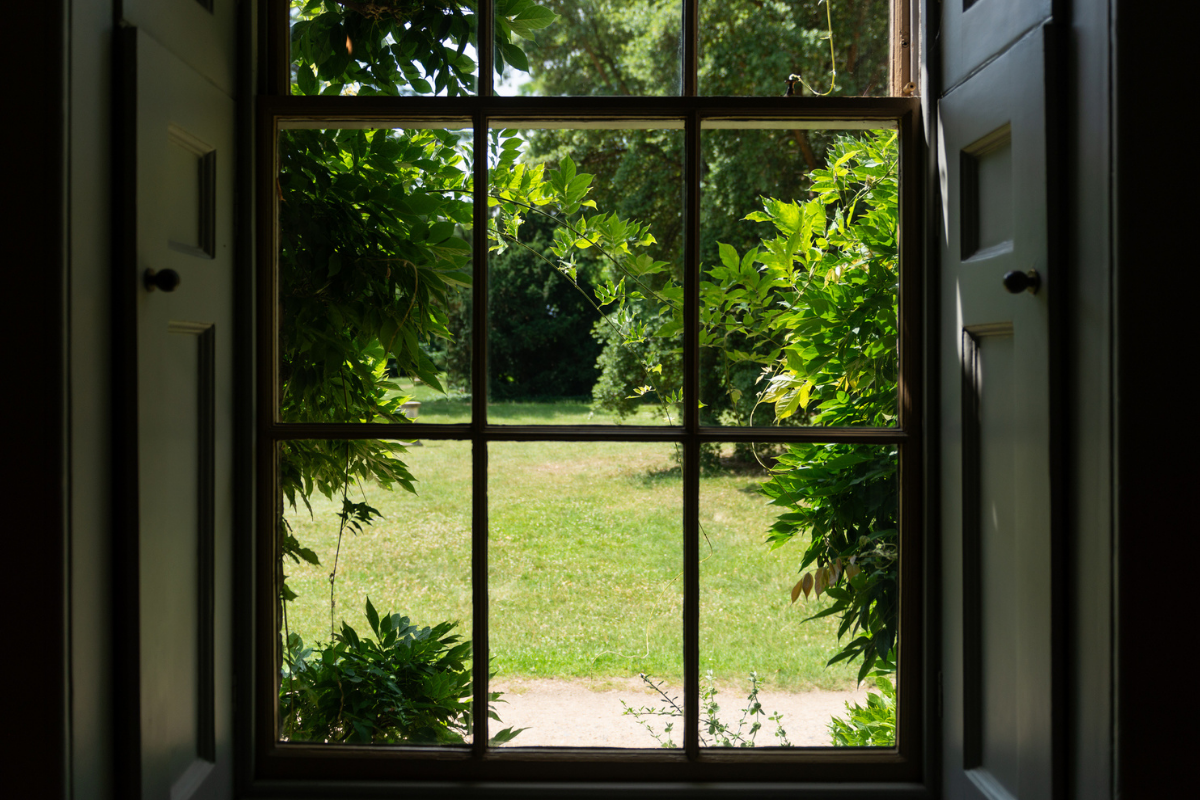
Gardens are no different. Buyers naturally focus on size, but aspect and outlook are often just as important. A south-west-facing garden which receives afternoon and evening sun overlooking mature trees or backing on to another garden will almost always be more valuable than a larger garden that is north-facing, overlooked and enclosed by neighbouring walls.
You can have two houses that are almost identical in size, but one has a better garden, better light and a better outlook. Which one is going to command the higher price? The one with the better aspect. I often think of it as the difference between a good painting and a great painting. The fundamentals might be the same, but there is something that elevates one above the other. With property, those less measurable details are often the deciding factor.
Where to find properties with outdoor space in central London
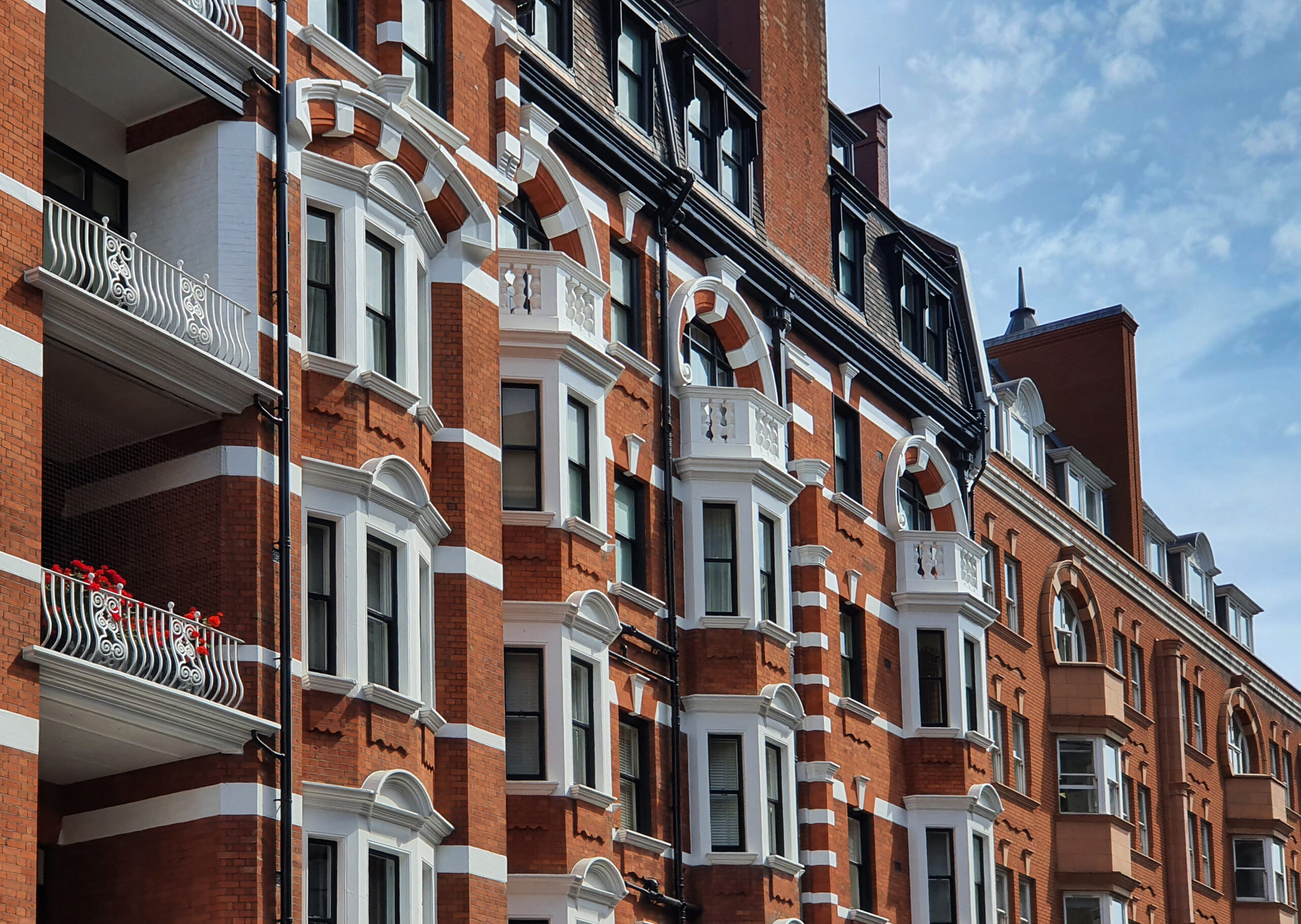
If a client tells me they want to remain in central London and have a large garden, the first thing I do is manage expectations. Chelsea, Kensington and Marylebone are not known for substantial private gardens. Marylebone is a good example of how London’s architecture shapes what is possible. These townhouses were built at a time when wealthy families often had vast country estates, so having a large garden (or indeed, any garden) in London was not a priority.
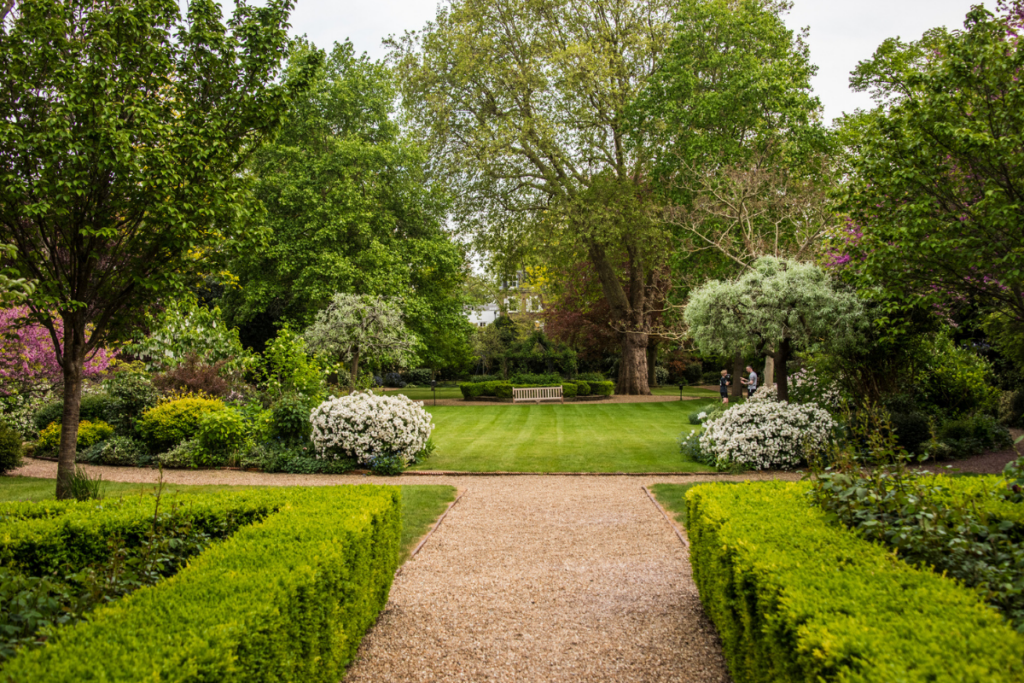
There are, however, areas where prime central London offers something very special. Notting Hill is probably the best example. The attraction is not simply the houses themselves, but the relationship between their private gardens and the neighbourhood’s communal gardens.
Streets such as Elgin Crescent, Lansdowne Crescent and Ladbroke Square offer something quite unusual: a private garden leading directly onto a larger garden shared with your neighbours. It is almost like joining a country club.
For families, that sense of community is incredibly valuable. Children can go through the back gate and play with friends, neighbours naturally get to know each other, and the garden becomes a meaningful extension of family life. That sense of community is one of the reasons Notting Hill consistently performs so strongly.
Not every garden square works in the same way, though. Some are beautiful but quite formal, with lists of rules and regulations. If children cannot ride a bike or kick a football in them, then they become spaces to admire rather than spaces to enjoy.
Chelsea, while never known for large gardens, has seen a resurgence in popularity in pockets close to Chelsea Square, which is huge and quite wild. A number of the area’s practical 1930s houses on Chelsea Park Gardens have been refurbished to a very high standard, offering generous proportions, better layouts and more family-friendly living than some of the older period properties. Combined with access to garden squares, local amenities and the wider appeal of Chelsea itself, these homes have become increasingly attractive to buyers who want central London without necessarily compromising on practicality.
Best areas in south-west London for family gardens
If buyers want larger gardens, then south-west London naturally becomes more attractive. Areas such as Wandsworth, Fulham, Clapham, Richmond and Wimbledon offer more generous gardens combined with good transport links, excellent schools and strong local amenities.
Wandsworth and Clapham are great examples of how London has changed. Thirty or 40 years ago, many buyers who could afford Chelsea would not necessarily have considered living south of the river. Now Wandsworth and Clapham are some of the most desirable family locations in London.
There, you can have a proper garden, access to Wandsworth and Clapham Commons, and a neighbourhood where you have everything you need. You have cafés, restaurants, independent shops, Waitrose, Gail’s – all the things that create a sense of a village within south-west London.
Buying near London’s parks
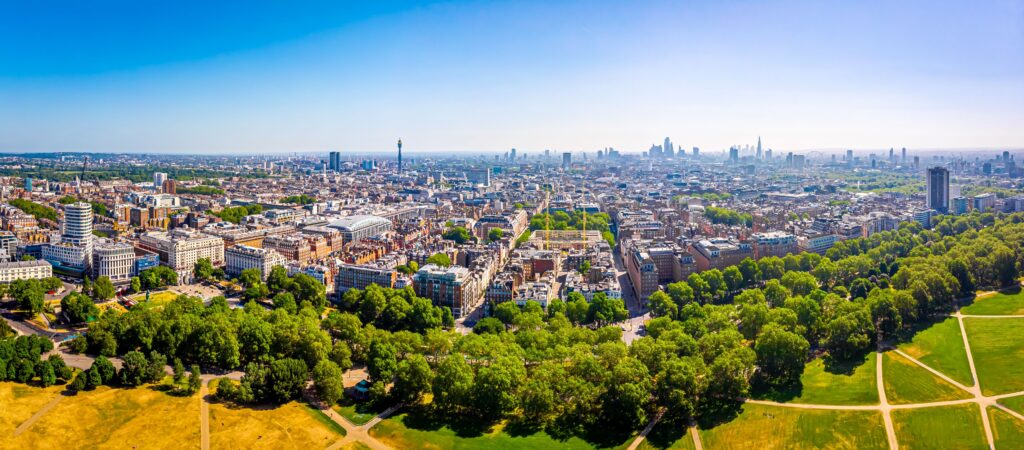
For many buyers, being close to a park is just as important as having their own outdoor space. Hyde Park, Holland Park, Regent’s Park and Battersea Park are all popular with clients who want access to green space, whether that is for running, walking or escaping the pace of the city. For apartment buyers especially, living close to a great park can often tick the outdoor space box.
Ultimately, buying in London will always involve compromise. The key is understanding what matters most to you. The best properties are the ones where the fine details work seamlessly – where the outdoor space is genuinely usable, the aspect is right, and it fits the way you want to live. Those are the things that create lasting value, and which we can help you to find.

Philip Eastwood is our specialist Partner in Prime Central London
For news, expert commentary and invaluable property insight, subscribe to The Insider, our quarterly newsletter, here.