Is Buying for Children Still a Smart London Property Play?

Parental-led purchases have always formed a significant part of the prime London market. But right now, the logic behind them feels more persuasive than ever – and in some cases, more urgent. The fundamentals are as strong as they have always been, while the context around them has shifted in ways that genuinely favour buyers who are ready to move, write our Partner James Burridge.

Two teenagers looking at phone with father and smiling. Buying property for children.

Why the Case Remains Strong

Around 20% of my active requirements at any one time come from clients buying property for their children. That proportion has remained consistent, and the reasons families pursue these purchases are essentially the same as they always were: a desire to provide security, a long-term view on wealth, and a recognition that London property – the right London property – is a reliable store of value.

What has changed is the environment in which these transactions are taking place. We are in a period of genuine uncertainty. Politically and economically, there is a great deal of noise. And when the world feels uncertain, good bricks and mortar in a good location feels like a safe place to park significant capital, particularly over the long term.

A More Motivated Market

Another notable shift in the current market is the behaviour of sellers. Some properties have been on the market for a year or more, and many sellers have missed opportunities as a result. A family in Wandsworth wanting to move to the country, for instance, may have found that they couldn’t sell their London house quickly enough to secure the property they wanted elsewhere. That creates real pressure to transact.

For our clients – predominantly cash buyers who can move without a chain and without debt – this is a powerful position to be in. When the majority of competing buyers are in their mid-twenties to mid-thirties, first-time buyers, relying on mortgage offers, the ability to offer flexibility and certainty is a real advantage. We can negotiate on price, offer quick completions, or in some cases even allow a short leaseback period. In a market where sellers are more focused than they have been in years, buyers with firepower can find that the market rewards them.

That said, I wouldn’t suggest there are runaway capital gains to be had in the near term. The appeal here is not a quick uplift. It is quality, liquidity and location – and knowing that good property in the right part of London will always let well in the interim and serve the next generation well when the time comes.

Budget, Locations and the Long Game

I consistently tend to see families searching for properties within the £2 to £5 million price range. What continues to evolve is the conversation around which areas offer the best value at that price point.

I am currently helping a family buy the second of four properties in London, each for a different child. The choice of area is largely driven by the children themselves, not the parents. One wanted to be near where they grew up, another had a strong desire to live in a more central location. That is fairly typical.

It is a conversation I have regularly with parents: the relative value of one pocket versus another. Three million pounds in Fulham looks very different to three million pounds in Notting Hill. In Fulham, you are more likely to get a proper house with a garden. In Notting Hill, you are paying a premium for the postcode. The young person moving in rarely sees it that way, of course. They want to be in the thick of it. But in ten years, when they have children and need more space, the one who took the house in Fulham will be grateful they did not have to pay stamp duty twice.

Transport links also continue to be a significant factor in these searches. For young people in their twenties, connectivity matters enormously, and parents are increasingly attuned to that.

Why Freeholds Make Sense

The preference for freehold houses over leasehold flats has, if anything, become more pronounced in recent times. There are no service charges, no building management committees to deal with, no unexpected bills for lift repairs or communal area renovations. It is a cleaner investment in every sense.

That said, we have bought individual freehold houses for multiple children before, with both living in the property together. In one case, the elder sibling lives there with a friend, and the younger one collects rent from that friend until they are ready to move in. It is a practical arrangement, and it works when the family dynamic supports it.

Inheritance Tax Planning

Inheritance tax planning is increasingly in the background of these conversations – and in many cases it has moved firmly to the foreground. Putting a property in a child’s name removes that capital from the parent’s estate. For families with significant assets, that is a meaningful consideration.

The awareness that a £2 or £3 million property purchase can serve simultaneously as a home for their child, a rental investment, and an estate planning tool is something that sophisticated buyers are carrying into these conversations.

The Journey Takes Time

One point worth emphasising, and something I stress to every client at the outset: finding the right property takes time. The volume of genuinely good stock is smaller than it once was because fewer people are choosing to move. That means the search for a house in Fulham, for example, is not a three-month exercise. From initial brief to taking keys, twelve months is a more realistic expectation.

If parents are serious about this, the time to start the conversation is now – not when their child is six months from finishing university.

The Enduring Appeal

The emotional dimension of these purchases is as present as it always was. Parents want to know that their children are safe, that they are not renting from a landlord they have never met, and that there is some family oversight of where and how they are living. That instinct has not shifted.

Nor has the satisfaction of seeing it through. There is something particularly rewarding about returning to a property we bought for a teenager, years later, and finding them settled in a home they have made their own. When a family comes back to us for the next child, and the one after that, it says everything about the trust that this kind of work builds. It is genuinely rewarding.

As I said at the outset, the fundamentals have not changed in recent years. If anything, the combination of motivated sellers, experienced buyers with liquidity, and the enduring quality of prime London property makes the case for buying for your children stronger today than it has been for some time.

James Burridge The Buying Solution

James Burridge is our Partner and Prime Central London and South West London specialist

For news, expert commentary and invaluable property insight, subscribe to The Insider, our quarterly newsletter, here.

Where to Find a Village Way of Life in Central London

It may seem like an impossibility to discover a slower pace of life and a strong sense of community in the heart of one of the most vibrant cities in the world. Yet here, our London Partners, James Burridge and Toto Lambert, unearth some of Central London’s most charming village-like pockets

Sarah Frances Kelley for The Buying Solution

Among the world’s leading capital cities, London’s framework is arguably unique. Unlike Paris or New York, London has no underlying grid or clear hierarchy. It didn’t grow from a single centre, but from a scatter of historic settlements. Riverside hamlets, market towns and hilltop parishes were gradually absorbed as the capital expanded with the arrival of the railways and, later, the Underground in the 19th century.

Today, the city remains a mosaic of neighbourhoods, many still echoing their village roots. These ‘villages’ offer community, green space and a slower, more considered pace of life – and have become some of the city’s most sought-after residential addresses. In North West London, you’ll find the closest thing to a village in London in historic Hampstead, leafy Highgate and charming Belsize Village. While in South West London, Richmond Park, Wimbledon Common and Barnes Common Nature Reserve feel almost rural in parts and the surrounding neighbourhoods absorb this sense of calm from these large open spaces.

The expectation of what constitutes a village way of life in Central London may differ yet, just a few streets back from the bustle, there remain neighbourhoods with a unique charm. “More and more, people want to feel connected to a local community in what can feel like a big and intense city. They might be looking for a village green or a park, a handful of independent, thoughtfully-sourced shops, a good local pub – a quiet pocket within a busy city,” says our Partner Toto Lambert.

Sarah Frances Kelley for The Buying Solution

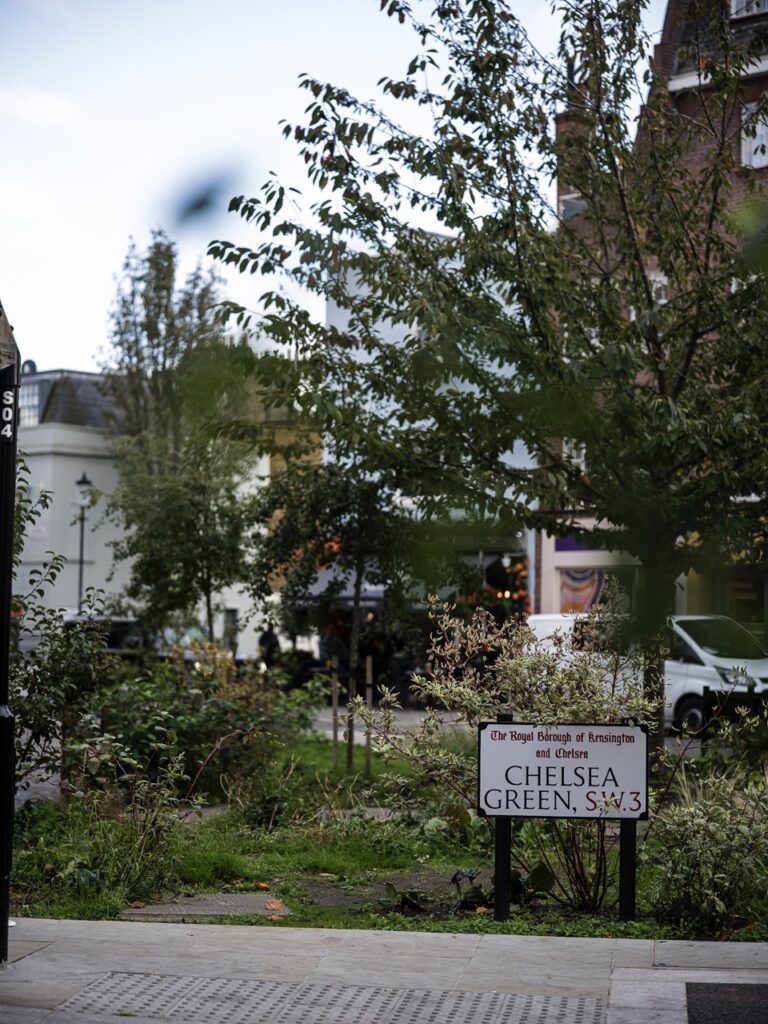
Chelsea Green

Until the Georgian era, areas like Chelsea and Marylebone were considered on the edge of town. Today, there remains a strong sense of local community and independent character here.

Chelsea Green, tucked behind the King’s Road, feels a world away from the nearby flagship stores and traffic. The Chelsea Fishmonger is just yards from the local cobbler who has worked on the Green for decades, a few doors down from Jago’s family butcher – it’s a charming pocket of old Chelsea. Streets like Markham Street or Bywater Street showcase classic pastel-coloured Georgian homes, with such examples trading between £3m-£5m.

“There’s a real quaintness to Chelsea Green, while still being in central London – it’s part of the city but not consumed by it,” says Toto. “It’s an area that’s very popular with international buyers as well as downsizers because everything is within walking distance.”

“I recently worked with a family whose main residence was outside of London, but they wanted a London base,” Toto adds. “We secured a best-in-class flat on one floor, overlooking one of London’s most sought-after communal garden squares. The flat was in great condition (hard to find in the current market) and within easy walk of Sloane Square for the Tube, and Chelsea Green for the community, village feel and the independent shops.”

Sarah Frances Kelley for The Buying Solution

Notting Hill

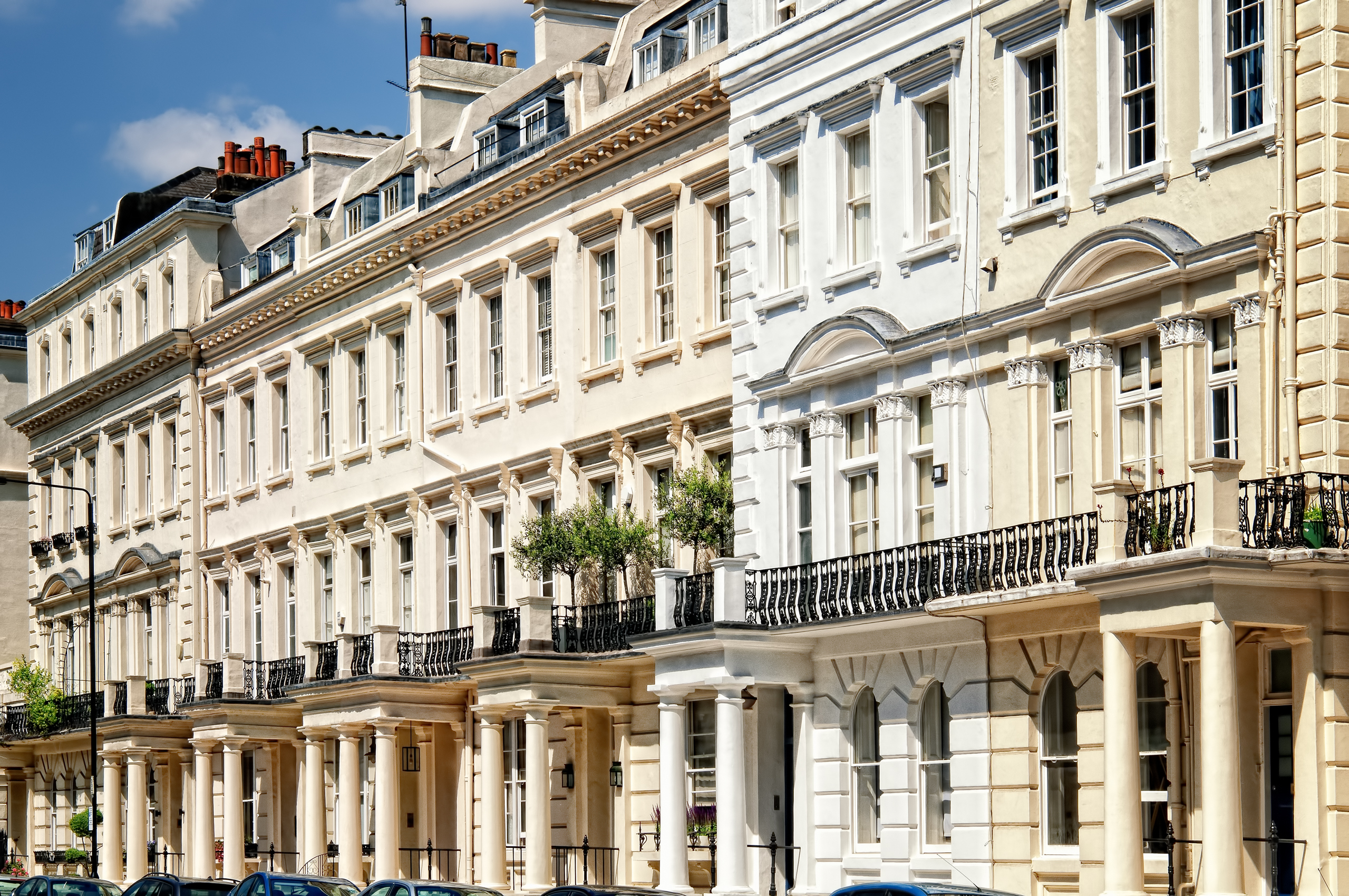
Central London’s most famous ‘village’, Notting Hill still delivers a strong sense of community. Beyond Portobello Road’s weekend crowds, areas like Westbourne Grove and Clarendon Road have a neighbourhood feel, supported by myriad independent businesses and elegant stucco-fronted houses that regularly fetch over £10 million.

Notting Hill also has easy access to the M4 for Berkshire, the Cotswolds and Bath, as well as Heathrow, making it well-placed for international buyers and those with primary residences outside of London.

“Some parts of Central London can feel more transient, but Notting Hill is consistently popular and for good reason. It’s vibrant and individual, a melting pot of cultures,” says our Partner James Burridge. “We recently acquired a lovely house off Westbourne Grove for a Spanish client who had lived in the area for many years. She was focused on staying within walking distance of all that Notting Hill has to offer”.

“Westbourne Grove and Portobello Road have touch points of the mainstream, of course, but they also feel more humble and friendly, with a village-like connection. You will find that a lot of people who live in or around Elgin Crescent during the week decamp to their country residence near Soho Farmhouse in the Cotswolds at weekends.”

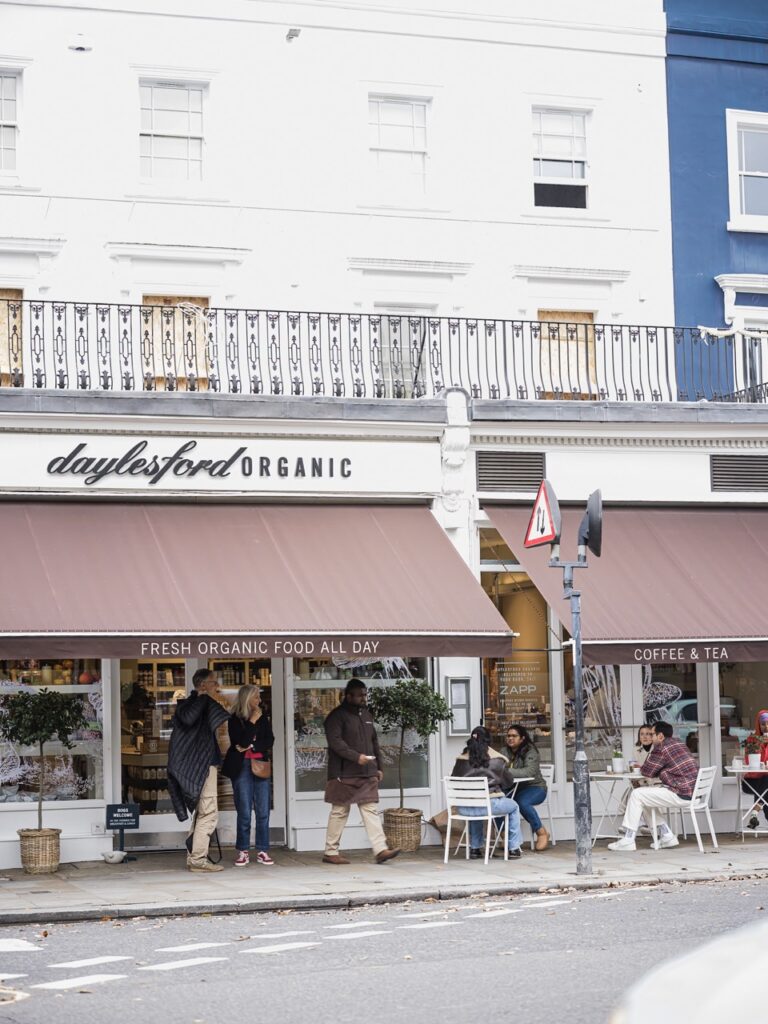
Indeed, the organic produce that locals know and love from Daylesford Farm near Kingham in the Cotswolds at weekends can also be picked up at their local Daylesford outpost on Westbourne Grove during the week.

2025 has seen a host of new restaurant openings in Notting Hill, firmly cementing its status as a culinary destination. Here, you can enjoy food from all over the world; from Juno’s Japanese/Mexican fusion food in its intimate six-seater restaurant, to Swedish bakery Fabrique and neighbourhood pub The Pelican. What unites them is their sense of community.

Getty Images

Marylebone

Marylebone remains a hugely popular neighbourhood of Central London and people who choose to live here are led by the lifestyle that it offers, rather than the size of their space or proximity to good schools – although there are several close by. For that reason, it tends to attract a marginally older demographic.

“Marylebone offers a slightly different proposition. It feels more sophisticated than Notting Hill and Chelsea Green, yet you will find a strong sense of community here, as well as tree-lined streets and historic architecture,” says James.

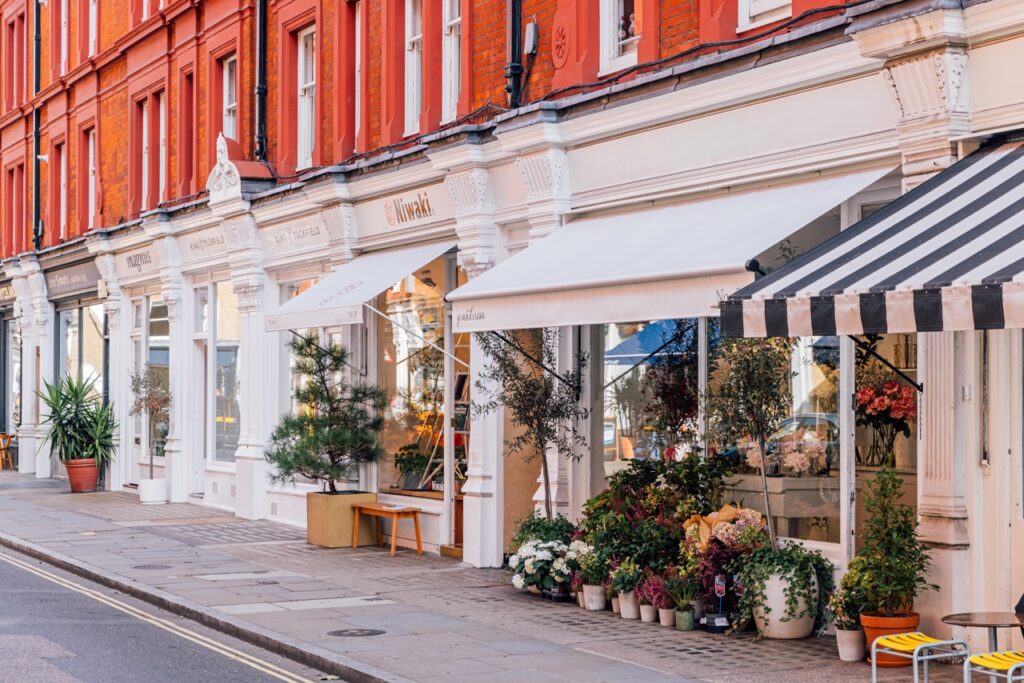
Just five minutes from Oxford Street, Marylebone High Street offers a vibrant selection of international luxury brands. Yet, just off it, you will still find quieter cobbled lanes, traditional pubs and St Marylebone Parish Church and gardens.

With its butcher, cheesemonger and chocolate shop, Moxon Street has become a leading foodie destination. Lita Mediterranean restaurant on Paddington Street is a favourite of renowned chef Raymond Blanc, who moved to Marylebone from Oxford. While The Hart pub on Chiltern Street – the most recent opening from the Public House group – offers a seasonal British menu with ingredients picked from its kitchen garden in Oxfordshire.

If you’re craving green space, the 410-acre Regent’s Park – a former royal hunting ground, later leased to tenant farmers – is just a 15-minute walk away.

Marylebone’s residents are proud of its status as a ‘village’ and there is a busy calendar of community events here, including Christmas carol performances and concerts, an annual Easter egg hunt and a Summer Festival, complete with a tombola and dog show.

“We have bought a number of very good flats in prime Marylebone over the last 18 months, from period mansion block apartments – 3,000 sq ft lateral spaces overlooking Regent’s Park, through to some of the finest flats in recently built blocks, including Chiltern Place and The Chilterns,” says James.

James Burridge The Buying Solution

James Burridge is our specialist Partner in Central and South-West London.

Toto Lambert, The Buying Solution Partner, London

Toto Lambert is our specialist Partner in Central and South-West London.

For news, expert commentary and invaluable property insight, subscribe to The Insider, our quarterly newsletter, here.

The Rebirth of Iconic Notting Hill

As the owners of esteemed Cotswolds members’ club Estelle Manor announce more details about Celeste, its new Notting Hill hotspot planned to open in late 2025, Will Watson spoke to Nicky Rampley-Clarke at The Standard about the rebirth of this iconic postcode.

Unsplash

“We’ve seen firsthand that our clients searching for large family homes at the super-prime level – above £10million – consistently prioritise Notting Hill,” says Will, Head of The Buying Solution. He goes on to talk about the most sought-after streets in the neighbourhood and those that offer greater value.

Read the article here.

The Buying Solution in the Financial Times

Will Watson of The Buying Solution speaks to Liz Rowlinson of the FT on the appeal of Notting Hill, London.

Read more here

Knightsbridge: Losing its charm or adapting to change?

Knightsbridge, the epitome of luxury and exclusivity in London, has long been synonymous with affluence and a vibrant social scene. However, in recent months, there has been conjecture about whether this prestigious neighbourhood has lost its charm.

Will Watson, our Head of London, recently featured in the Financial Times commenting that ‘Knightsbridge is not the bullseye of prime central London that it used to be’ and predicted that ‘prices could drop more this year’. 

His article sparked a flurry of social media comments from our followers saying Knightsbridge ‘is no longer the English enclave that it once was’, ‘it has lost its identity’ and ‘it has become a boring part of town’.

So, what exactly is going on in SW1X? Will, who has worked in the prime central London market for over 20 years, shares his top insights.

The rise of new hotspots

As Knightsbridge remains a globally renowned London beacon for real estate, other areas in London have caught up and emerged as new hotspots for luxury living and investment.

While Hyde Park offers a green oasis in the heart of the city, green spaces within Knightsbridge itself are limited. This lack of greenery can be a downside for nature lovers or those seeking a more private garden.

Although demand for pied-à-terre apartments in Knightsbridge remains strong, younger families, including clients we’ve had from the Middle East – where Knightsbridge has always been their preferred location – are looking to buy houses with a wider footprint in the greener areas of Notting Hill, Kensington or Holland Park.

It depends on where in Knightsbridge

To say Knightsbridge is ‘boring’ or has ‘lost its appeal’ is an overstatement. Geographically, Knightsbridge is barely 1.5km wide, 600m deep and sandwiched between Hyde Park, South Kensington, Chelsea and Belgravia. However, even in this relatively small territory, there are a range of quarters, each with its own identity and community. For example, the West Side of Knightsbridge heading towards South Kensington has a very different feel compared with the North Belgravia border.

For many, the Cadogan Estate is one of the most sought-after areas in central London. Close to some of London’s most exclusive retail outlets, excellent schools and access to gardens, tennis courts, and children’s play areas. Others point to the Pavilion Road area as being much more villagey and gentrified, near private members’ clubs, exclusive gyms, and coffee shops.

Undoubtedly, the retail landscape in the area has evolved. Iconic department stores like Harrods and Harvey Nichols have maintained their status as shopping destinations, but the rise of online shopping has impacted foot traffic and sales. Covid also contributed to a perceived lack of buzz, where international buyers have been slow to return after the pandemic.

High cost of renovations

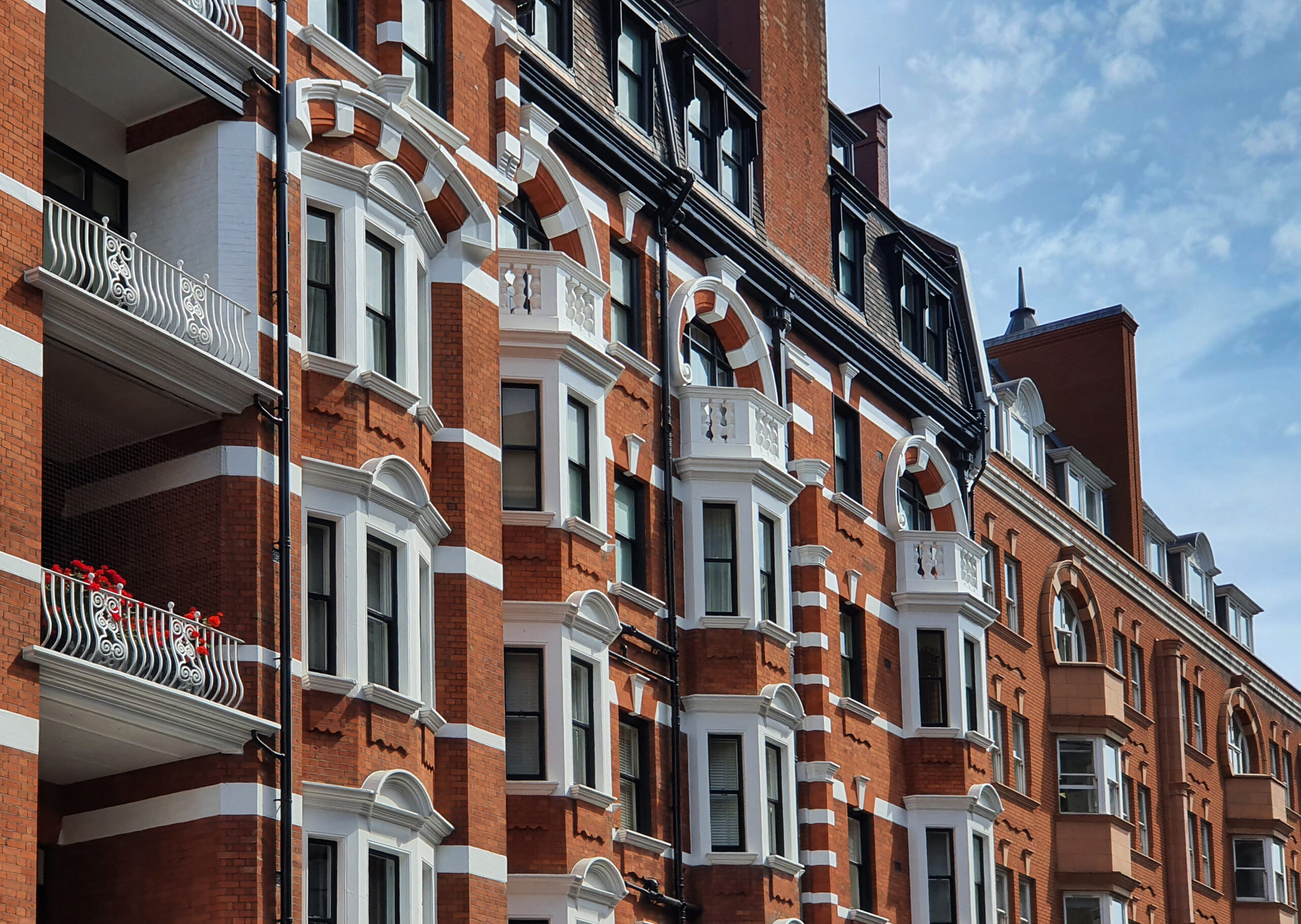
Walking around Knightsbridge, one gets to experience a glorious mix of Georgian, Victorian and Edwardian architecture. However, the houses are often tall and thin. Gardens tend to be patio style, and parking is difficult.

Many properties in Knightsbridge are dated and require refurbishing due to how long they have been in the same ownership. The cost of renovating is high, and with the time it takes to carry out one of these projects, we’re just not seeing an appetite from our clients wanting to take on such a lengthy refurbishment.

Buyers looking for a refurbished property have been looking more to Mayfair where a broader selection of super-prime developments featuring purpose-built modern designs with concierge and hotel-style amenities exist. The demand for these schemes for the turnkey option has been particularly high since Covid.

It is important to stress that Knightsbridge might not be as popular as it once was, for family houses in particular, but these trends tend to be cyclical and generational by nature. In the future, I would expect a new cohort of buyers to focus back in on the area, ultimately down to its central location and world renowned address.

Now could be an excellent time to buy

For a location on the map that is so central, close to many excellent amenities, and Hyde Park, 2024 could be the year to secure a good deal in Knightsbridge.

In January,  we acquired a property in Knightsbridge for our client paying 18% less than the vendor acquired the property for in 2013.  Given the uncertainty that 2024 holds, we are confident of more opportunities to buy in Knightsbridge at prices well below the peak of 2013.

There is evidence that conditions in the wider property market are becoming positive, and inflation is falling faster than expected. So, while Knightsbridge may have faced its share of challenges and changes, it remains a symbol of luxury and cachet in London. Its ability to adapt to evolving trends while preserving its heritage will determine whether it can reclaim its status as one of the world’s most exclusive neighbourhoods. 

If you need help with your prime central London search, don’t hesitate to contact The Buying Solution, and we’d be delighted to discuss your requirements.