The Key Equestrian Property Market Trends in 2026

Equestrian sport is on the rise. Participation in riding in the UK has risen to 3.2 million in the last 12 months, while the equestrian industry generates £1.2 billion in annual social value, according to new research by British Equestrian. Nonetheless, it’s a sector that isn’t immune to wider economic factors which impact the whole market; from families looking for a home with paddocks, to professional riders searching for specialist facilities. Katherine Watters, our equestrian specialist and Partner in the Southern Home Counties, identifies the dominant trends she expects to see influencing the UK’s equestrian property market in 2026.

Katherine Watters in The Buying Solution equestrian kit sat on steps of horsebox

Higher livery costs will continue to impact demand

As the cost of livery has risen sharply so, too, has the demand for equestrian properties and I expect to see that continue throughout 2026.

You can now expect to pay anything up to £1,500 a month for full competition livery on a yard with comprehensive facilities; a significant cost, particularly if you have more than one horse. Many yards have stopped offering DIY or assisted DIY/part livery as they have found that it is simply not viable from a cost perspective.

The reason for this price rise is two-fold. The industry has long relied on low-paid, often cash-in-hand labour, but new rules ensuring proper contracts, benefits and working conditions have significantly increased staffing costs. The cost of hay this year has also gone through the roof, as a result of drought conditions earlier in the year reducing crop yields, and increasing production costs.

Two recent clients took a long-term view and combined their home with private facilities, employing their own staff rather than paying escalating livery bills. One had dreamed of seeing her horses from the kitchen window – now she finds it genuinely more cost-effective to keep her own yard.

More property decisions will hinge on geography and planning

2026 will see no change in the enduring core geographical hotspots for each discipline. A lot of event riders, professionals and owners choose the M40 corridor as a geographical base for its access around the country. While the polo fraternity often focus their attentions around Ascot and Windsor in Berkshire for Guards Polo Club, or the Midhurst area in West Sussex for the annual Gold Cup season held at Cowdray Park.

The areas around Lambourn in Berkshire and Newmarket in Suffolk remain the heart of UK racing, where many trainers favour the topography for both training facilities and stud farms.

Dressage riders are more geographically dispersed and I am seeing them increasingly follow the European norm of requiring an indoor school with full facilities. Yet exceptional houses with equally strong equestrian facilities are extremely rare. So as more people consider building their own, I expect that in 2026 we will see search priorities shifting from location to planning feasibility.

It’s important to remember, however, that equestrian planning is complex and local councils – especially those with a National Park – rarely favour large-scale development. This is why it’s vital to work with a specialised planning expert who can assess existing facilities, outbuildings, agricultural ties and land use, to fully understand long-term potential. I work with an excellent independent planning consultant who can identify required changes of use and plan facilities that meet Local Policy Frameworks.

Access to UK ports has long been important to professional riders and in 2026 we will see this becoming increasingly significant for serious amateurs, with all disciplines benefiting from strong European circuits and prize money.

Katherine Watters - a woman in blue outfit riding a black horse in a competition

We will continue to see cyclical demand, particularly in the rental market

The British Eventing circuit runs from March through to the end of October and is considered one of the best in the world, thanks to our renowned Badminton and Burghley 5-star events.

I am often contacted by riders or their Federations seeking a UK base to buy or rent for three- to four-year cycles while campaigning for Olympic or World Equestrian Games selection, and I expect to see this cyclical demand continuing throughout 2026.

The polo fraternity also used to be quite cyclical. Yet with rising travel costs, many patrons now seek permanent UK bases and winter their ponies here, rather than moving teams of up to 100 horses and 25 grooms between tours. I expect to see this becoming ever-more popular in areas like Sussex and Surrey where it can be a significant six-month income stream for landowners.

Rising investment in the equestrian sector will filter down

Investment in equestrian competition in the UK is increasing and I expect that it will only continue to climb throughout 2026. We are seeing evermore significant sponsorship deals of the most prestigious showgrounds and events filtering through the sector. The BBC has started to put equestrian sports back on their mainstream schedule now, too; proof of increasing popularity and interest. If you ask any equestrian enthusiast, it was never Christmas until Olympia was on the television!

I also expect to see a continued rise in interest in UK breeding, building on the record-breaking sport horse auction sales and growing demand from wealthy global investors, particularly in the high-end market.

The Brilliance Auction, Breen Equestrian and the Billy Stud auctions have secured Britain’s place on the global sport horse auction map.

We will see a growing demand for legacy properties

Equestrian property continues to be a smart long-term investment and throughout 2026 I expect to see more buyers creating legacy establishments, especially in breeding.

The key factors in legacy value are those you cannot change: location and access. Even horsebox size can determine viability – country lanes, overhanging trees, gate widths and turning circles all matter. The tiniest details have to be carefully considered.

Land quality, facilities, infrastructure, potential for expansion and adaptability, as well as legal and financial due diligence also remain key.
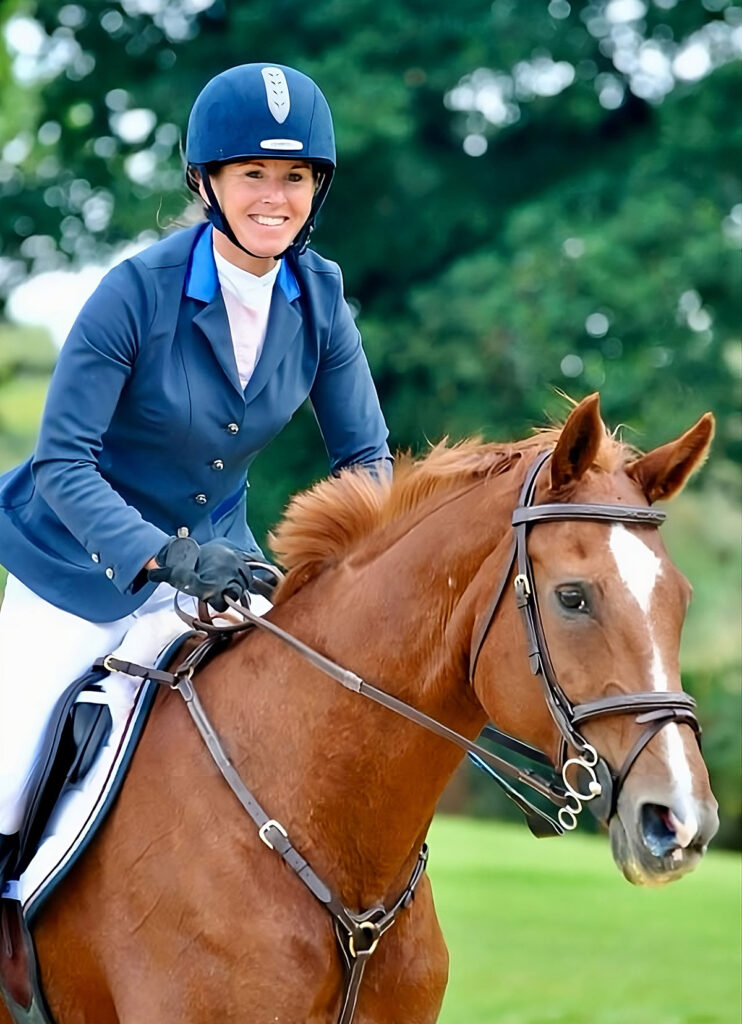
Katherine Watters smiling after competing on a brown horse

There will be even greater need for specialist guidance

With ever more complexities in the market and a limited supply of best-in-class opportunities, having impartial, expert guidance for buyers will be more important than ever in 2026.

For many, equestrian terminology can feel like a foreign language, which is why it’s vital to have a specialist who can decipher the nuances of each discipline and the distinctly different facilities that it requires.

It’s also important to be aware that many of the finest equestrian properties are sold off market, or at least access is private. In close-knit areas, properties often change hands behind closed doors, making it crucial to have specialist representation to help you to infiltrate those circles.

While there are some excellent selling agents specialising in equestrian properties, there remain very few buying agents with the required depth or breadth of knowledge. I’ve been around horses all my life – from Pony Club to owning horses competing at the World Equestrian Games, Badminton and Burghley, and time based in professional yards with Olympic riders. Having worked with and helped many riders, owners and patrons, as well as national federations, I have a comprehensive understanding of both private and commercial set-ups and the nuances of each.

Ultimately, equestrian purchases are about more than facilities: they are about the quiet solitude of time with horses. As Churchill said, “There is something about the outside of a horse that is good for the inside of a man.”

Woman in blue suit jacket with long brown hair looking at camera

Katherine Watters is our equestrian expert and specialist Partner for the Southern Home Counties

For news, expert commentary and invaluable property insight, subscribe to The Insider, our quarterly newsletter, here.

The Rise of Wellness in Real Estate

Wellness now shapes the way we choose to live and where we call home, writes Toto Lambert, The Buying Solution’s specialist Partner in London – and also a yoga teacher and qualified nutritional therapist. Here, she discusses emerging trends and how our expert buying agents can secure exceptional properties designed to elevate the wellbeing of our clients.

Woman in ice bath wearing grey WHOOP health tracker on wrist.
Image: WHOOP

Wellness is big business and the UK is leading the way in Europe, with the industry in this country estimated to be worth over US $223 billion. Evolving into more than just a personal pursuit, wellness has become a defining factor in how we live and where we choose to call home. At the forefront of this movement is the growing demand for properties that support and enhance our sense of wellbeing, reflecting both environmental and technological trends.

For those navigating the complex and competitive property market in London and the Southern Counties, the expertise of a specialist buying agency is invaluable in sourcing homes that cater to these shifting priorities.

The Rise of Wellness Technology in Homes

Wellness tech, from AI-powered wearables to sleep-optimisation devices, has seen a meteoric rise. Tools like WHOOP health monitors, Oura Rings, and devices designed for nervous system regulation are no longer niche accessories; they’ve become lifestyle staples for many.

How we set up our homes to accommodate wellness tech and AI is becoming ever more important. The implication for properties is clear; spaces need to adapt. Homes with integrated smart systems or the potential to incorporate such technologies are in high demand. Whether it’s a bedroom designed for smart sleep tracking or room layouts that allow for unobtrusive tech integration, the modern home is becoming a wellness hub.

Creating a Sanctuary: Environmental Wellness

In tandem with technological trends, there’s a growing emphasis on environmental wellness ­– both within the home and its surrounding environment.

Internally, clients are seeking homes that allow for serene, restorative spaces. Zen dens – tranquil zones designed for digital detox – are replacing the traditional man cave, reflecting a shift towards relaxation and recovery over recreation. Reformer rooms for Pilates or spaces dedicated to Nordic wellness practices like infrared saunas and ice baths are becoming coveted features.

Externally, proximity to green spaces remains a top priority; a demand accelerated by the pandemic that shows no sign of slowing down. Areas such as Hampstead with its famous outdoor swimming ponds on the Heath, Richmond with its 10-acre Ham Lake outdoor pool within a large nature reserve, and neighbouring areas to Hyde Park which houses the Serpentine Lido, are all excellent choices for wellness-oriented buyers.

Wellness by Design: Natural Light, Quiet Spaces and Soundproofing

The design of the property itself plays a crucial role in supporting wellness. A wealth of natural light – essential for mental health and vitality – is a non-negotiable for many buyers. Soundproofed interiors and bedrooms positioned in quieter areas of the home are also in high demand, reflecting a desire to minimise stress and maximise rest. More intimate spaces dedicated to calming pursuits are being carved out; with the likes of flower rooms, listening rooms, even star-gazing rooms growing in popularity. Our extensive network of leading architects and interior designers is uniquely equipped to expertly craft these highly sought-after spaces in any new home.

Freehold homes offer greater flexibility to add bespoke features such as smart saunas, reformer rooms, or dedicated relaxation areas. I have even seen hyperbaric oxygen chambers – favoured by athletes for recovery – installed in private homes. Apartments, meanwhile, are not exempt; balconies are increasingly being adapted for wellness, housing everything from compact ice baths to zen-inspired switch-off areas.

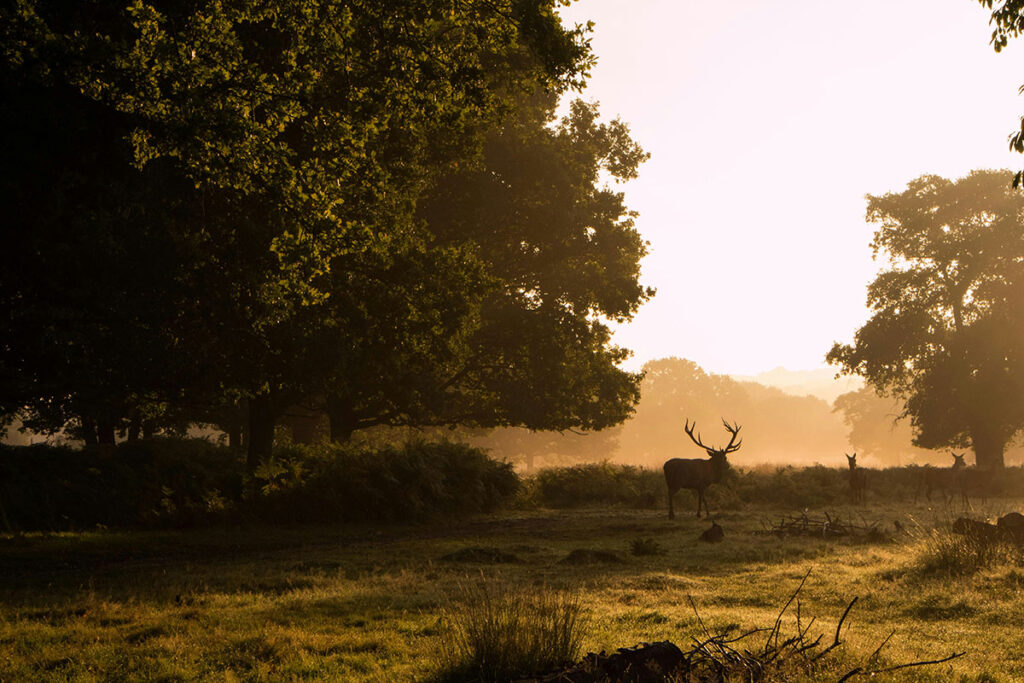
Deer in Richmond Park at sunrise
Image: Unsplash
Location Matters: A Slower Pace and Better Air Quality

Geographical considerations are just as critical. Beyond green spaces, buyers are looking for areas with better air quality, less noise pollution and a village-like feel. Outer London regions such as Richmond (pictured), Wimbledon and Dulwich offer a slower pace of life while retaining easy access to the city’s amenities, and we are expertly-placed to advise on property in these areas.

This trend aligns with a broader desire for wellness on a community scale, with buyers valuing proximity to yoga studios, community saunas and outdoor swimming facilities where they can benefit from a personal connection with others.

How a Buying Agency Adds Value

Navigating the complexities of sourcing a property that supports a holistic approach to wellness requires extensive market expertise and a highly tailored approach. Our specialist buying agents at The Buying Solution have an intimate understanding of both client needs and market dynamics, making us best placed to identify properties that meet exacting wellness criteria.

By understanding the nuances of these trends, we not only save clients precious time but also provide a highly competitive edge in securing properties that might otherwise be overlooked.

Toto Lambert, The Buying Solution Partner, London

Toto Lambert is our specialist Partner in London


Explore more of The Buying Solution’s Insights

What do wealthy buyers want in a home? London vs Country

The Wealth Report 2023, published by Knight Frank earlier this year, gave us a comprehensive review of prime property markets, global wealth distribution and luxury spending trends.

However, how do these luxury trends translate into what spaces and amenities wealthy buyers seek in their next property purchase? And how does this differ between our London and countryside clients? We asked Philip Eastwood (Partner, London) and Mark Lawson (Partner, Country) to share their insights.

London – by Philip Eastwood

I’ve seen a spike in demand from London buyers favouring functional, usable, and low-maintenance spaces.

As the cost per square foot in London is so high, clients want to maximise the use of their space and prefer properties with areas that can be enjoyed daily rather than occasionally. For example, some of our clients don’t want swimming pools that are rarely used and have high maintenance costs. It’s come full circle. They would rather have a really good utility room for daily use or even more extensive wardrobes.  Many clients already have homes in places like Majorca, Ibiza, and the South of France with a pool, so they don’t need one in their basement.

Clients often insist on property features that make life more comfortable and efficient. Double glazing, air-conditioning, fibre broadband, on-site porters and parking are all prerequisites. These requirements outweigh extras like saunas, cinema rooms and gyms. Even some high-end lighting systems with complicated control systems have become passé as clients look for wireless and smart AV solutions.

This pursuit for practical spaces also crosses over into the condition of a property. My clients want their homes to be turn-key and a finished product. That means they expect a well-fitted kitchen, a good shower, and top-end interior design and materials. Very few clients have the appetite to take on a lengthy refurbishment project.

The topic of security is also becoming more prevalent. Clients are interested in how safe a street is and the security systems available. The notion of a panic room can make people feel uncomfortable. However, some London roads employ private security firms to reduce crime. For example, Chelsea Square and Brunswick Gardens have regular patrols with guards and dogs – all paid for by the residents.

Lastly, I have noticed that clients continue to look for properties with considerable floor-to-ceiling heights and big walls. Why? Well, with art investments rising by 29% in 2023 and the stellar prices paid for museum-quality works of art by ultra-wealthy collectors, our clients need bigger spaces for bigger art pieces!

Country – by Mark Lawson

As London buyers crave pragmatism, we receive more extravagant requests in the countryside, where our clients have plenty of space to work with.

To complement outdoor country living, no country home is complete without a boot room. A client of mine built himself a new boot room where each family member had their own named space, polished oak locker, each with a heater to dry out and warm up two pairs of Wellington boots. It also included heated coat, hat and glove sections. 

Often, dogs have their oak-panelled beds with their names, a shower or wash area, and sections for all their leads.

There is also demand for the ‘butler’s pantry’ as an amenity, a space that allows the host to prep for meals without entering the kitchen. These spaces are becoming more multi-functional and elaborate, and I expect this will be a trend that grows as interior designers continue to push the boundaries.

I have had clients with specific needs for wardrobe space and storage.  I once had a client who had an online database for the contents of her wardrobe so that she could track precisely which pieces of clothing were in her houses around the world. We have also seen clients with refrigerated wardrobes for those with pieces of clothing that are preserved best at lower temperatures, like faux fur and suedes.

Another popular area is the continued interest in well-being spaces and wellness activities. Padel tennis is the fastest-growing sport in the world – lots are installing courts at home. The craze spread quickly amongst country house owners and purchasers, with many building courts on their land. We have also seen clients asking for ice baths, cryotherapy chambers and meditation spaces – dedicated rooms for recovery, reflection and spirituality.

Finally, an increasing number of wealthy individuals are interested in sustainable and eco-friendly features, such as solar panels, energy-efficient appliances, and eco-conscious building materials. This means they can offset the costs of running high-end amenities such as pools and home cinemas.