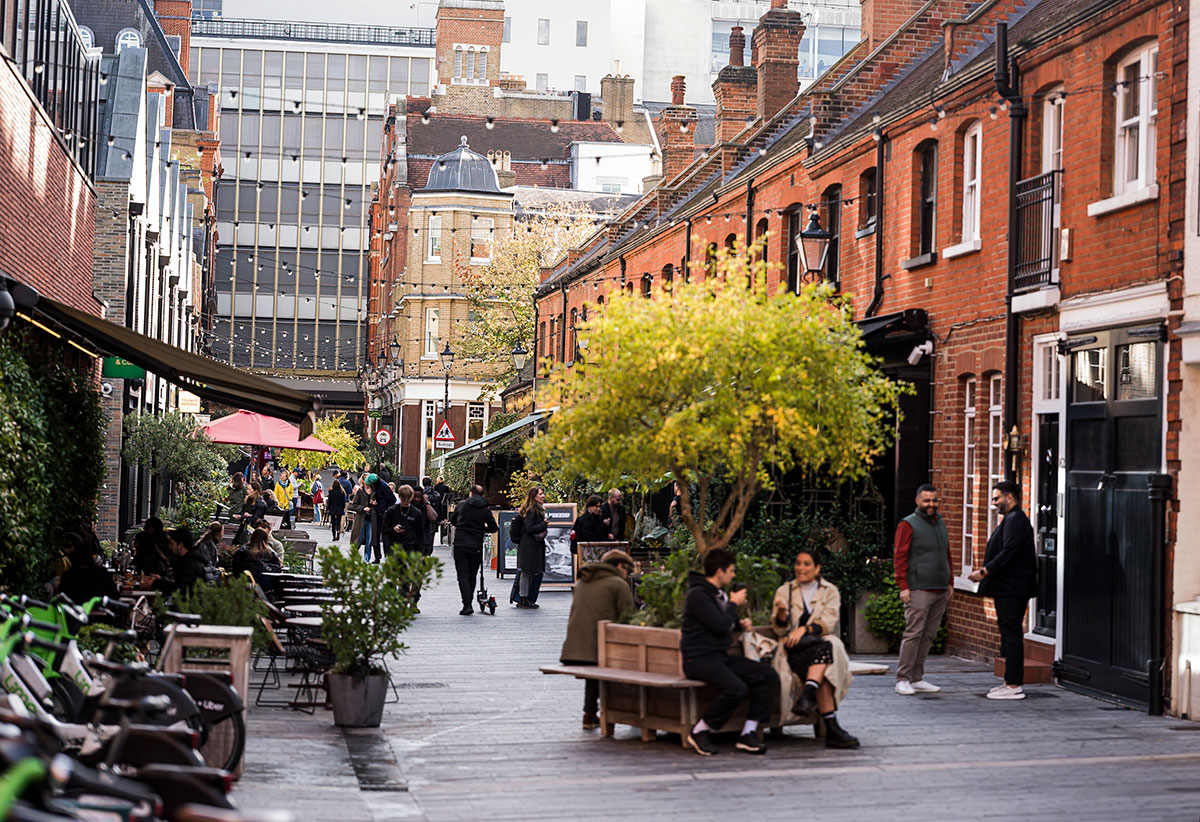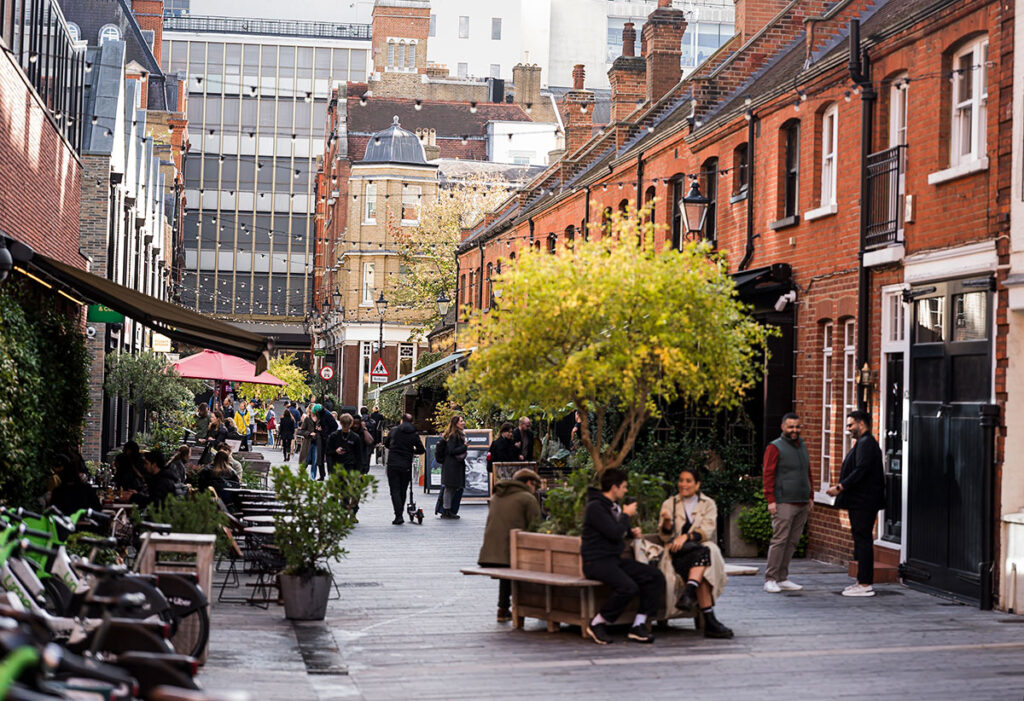
Katherine Watters, our Partner in the Southern Home Counties, shares her detailed inside knowledge on the most coveted towns and villages in West Sussex, what to expect when buying property here and why there’s far more to this picturesque region than first meets the eye.
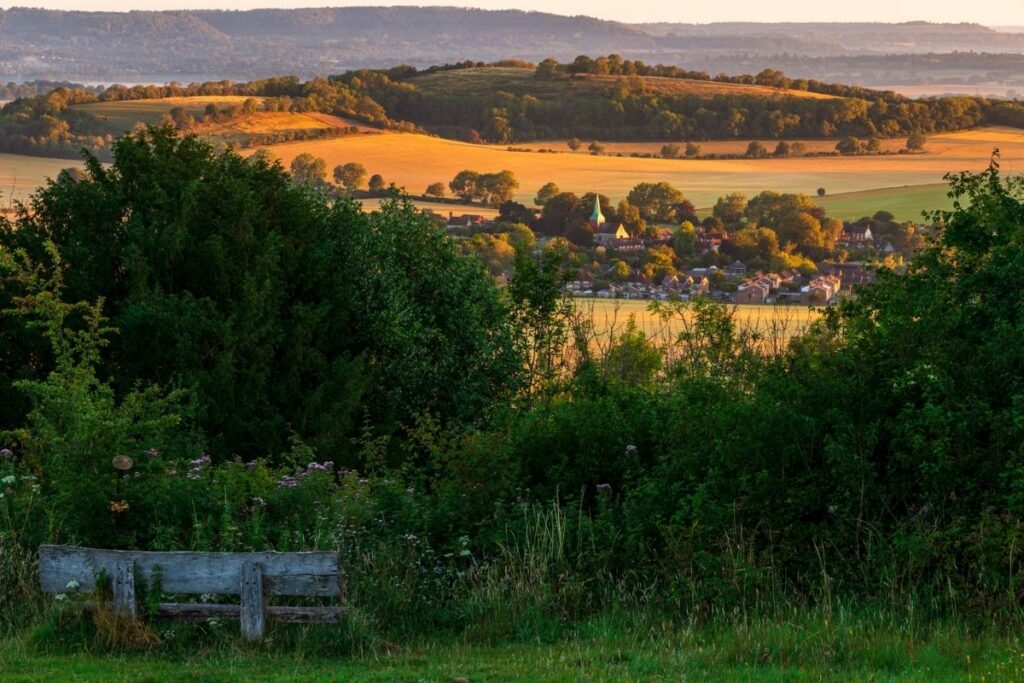
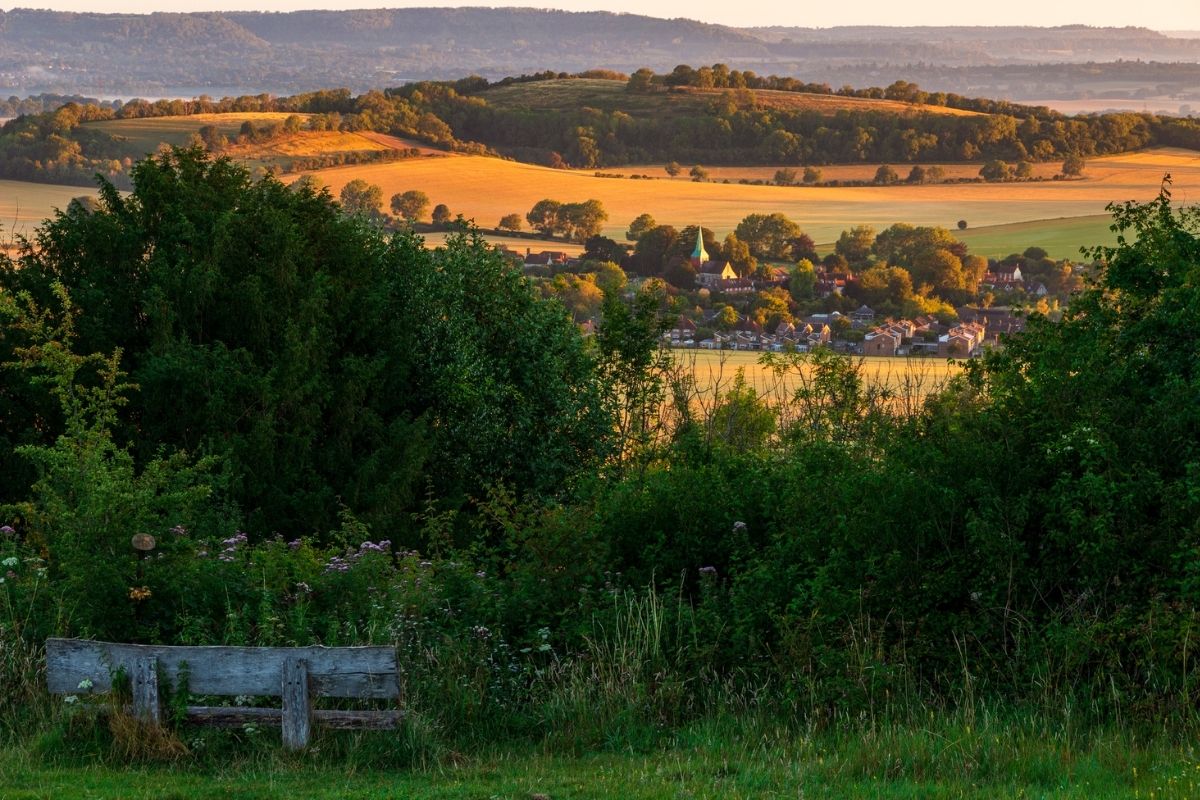
If the Cotswolds is the country’s best-known countryside beauty, West Sussex is its understated cousin – with its own style of period stone houses, protected estates, farm shops and gastropubs, just with a little less fanfare.
I spend most of my working life in Surrey and West Sussex, and the West Sussex side of that patch is the part I find myself talking about most with clients who haven’t yet fully considered it.
Yet they come to me with the same handful of assumptions: that it’s too far from London, that it’s “in the middle of nowhere,” that stock is thin. None of that is true. Here’s what I tell my clients when they ask me where to look, why, and what they can expect to get for their money.
West Sussex’s Golden Triangle
If you ask anyone working in this market where the money goes first, it’s what’s known locally as the Golden Triangle, formed by Haslemere, Petworth and Midhurst with the three villages of Lickfold, Lurgashall and Lodsworth (the “3 L’s”), sitting in the centre.
It behaves a bit like the golden triangle of Chipping Norton, Stow-on-the-Wold, and Burford in the Cotswolds: they’re the names people have heard before they’ve even started looking, and it commands a premium because of it.
The reason this area works so well for London families is the historic market town of Haslemere itself. Drive through it and head down the A283 or A286 and you’re at the gateway to the South Downs. You leave the busier feel of Surrey behind and the landscape opens up into rolling downland. Some families who might previously have settled for the more traditional London exodus routes of Cobham, Esher and Oxshott, or Guildford, Godalming and the Surrey Hills now choose to bypass them altogether, because Haslemere offers the same access with a completely different feel.
Two practical things changed this decisively. In 2011, the Hindhead Tunnel opened on the A3, cutting out a notorious bottleneck and making Haslemere genuinely commutable. Haslemere station also significantly upgraded its carpark, adding 110 extra spaces, and offers a regular, fast line into London.
Schooling has done the rest. Seaford College, just outside Petworth, has transformed since a change of headship in 2013 brought new focus and new energy, and it has seen a steady stream of families moving their children over from more traditional Surrey-based schools. Its head retires this summer, with a new appointment starting in September – worth watching if you have children of school age and are weighing up the area.
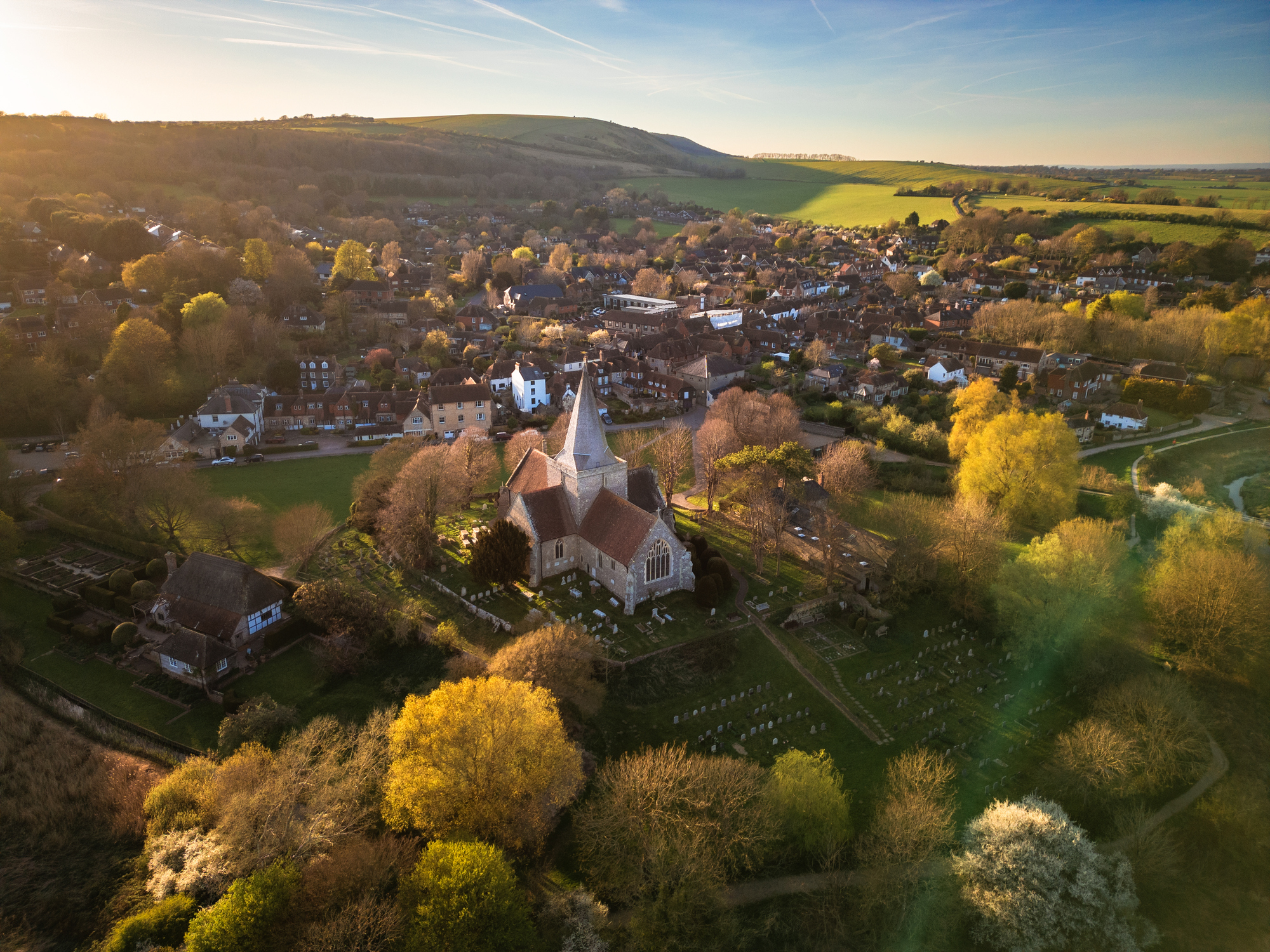
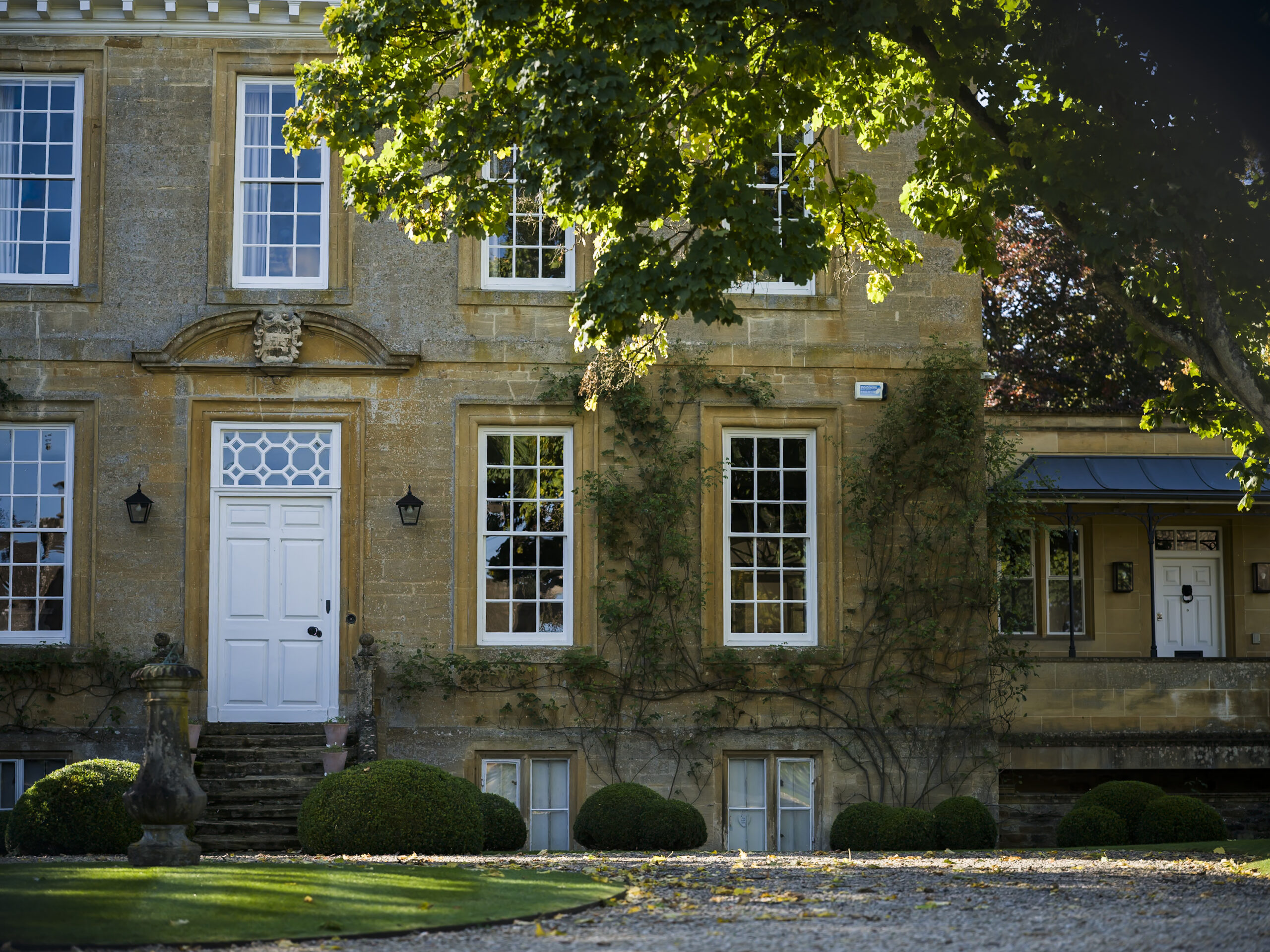
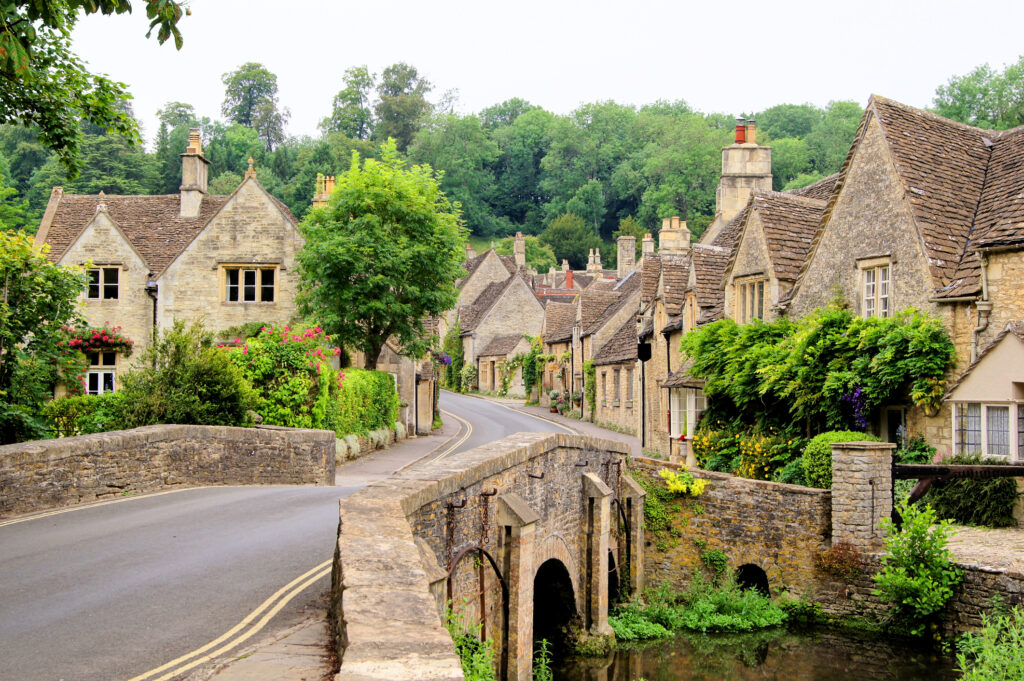
Architecturally, this is proper period-house country, built largely from beautiful pale greyish-blue Petworth stone.
The New West Sussex Hotspots
Popularity has a cost. As the Golden Triangle has become better known, it has become more competitive and more expensive, so – as happens everywhere – buyers have also started looking just beyond it.
The main beneficiary has been the Milland Valley which has become one of the most sought-after pockets in the area over the past five to ten years. It offers the same rural feel as the golden triangle and is helped by the train line at Liphook and a rich choice of excellent schools. Churcher’s College and Highfield & Brookham School cover most ages between them.
Slightly further south, the stretch between Midhurst and Petersfield was, for years, overlooked entirely – people went to Hampshire instead. Then the penny dropped: the A272 connects east and west, so if Hampshire felt like too much of a commute, Petersfield was a genuine alternative. It has a good station, lovely nearby villages, coastal access and connections back to the larger towns.
Roughly speaking, north of the A272 – in villages such as Milland, Henley, Fernhurst and the Golden Triangle – the market is more family and commuter-led, with buyers often seeking space, community and a connection to London.
The Southern stretch of West Sussex and the Coast
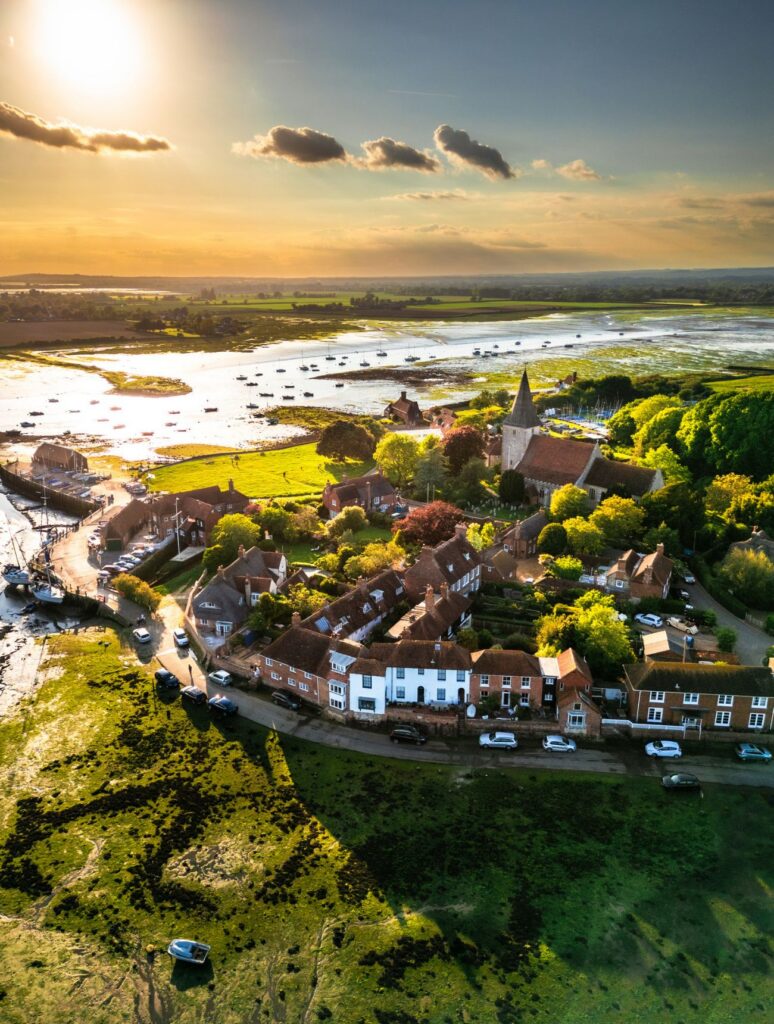
South of the A272, the character changes slightly – the area is still entirely commutable, but it attracts more of a weekend-house, countryside-first buyer. I am working with a London-based client whose children are schooled in London and will remain so, but who wants nothing more complicated than to get down the A3 on a Friday night to a proper weekend house in the South Downs. The Hartings and the Mardens, East Dean and Charlton are all very pretty villages in this stretch.
It is also where buyers go for coastal access: sailors gravitating towards Bosham for waterfront living, and families wanting the pull of buzzy Chichester without losing the rural feel.
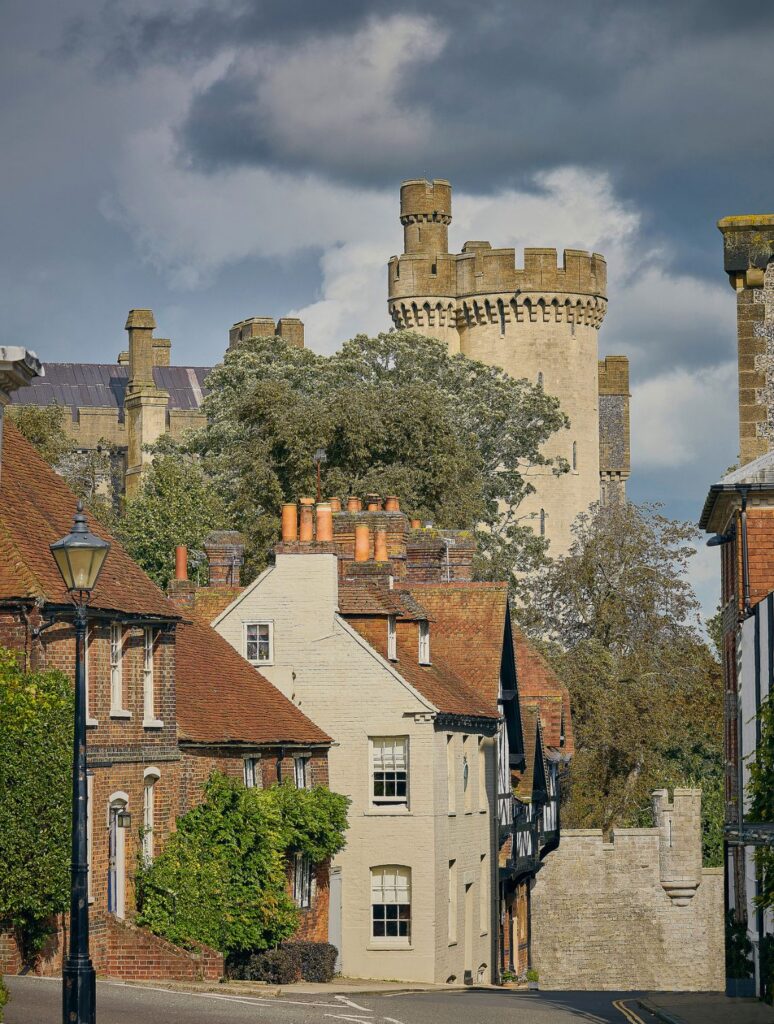
There is a well-regarded sailing school for children at Thorney Island, while the annual family-friendly music festival in Madehurst always draws a crowd. The Pig in the South Downs at Madehurst, with its very own vineyard, opened in 2021 and remains hugely popular. Ten minutes down the road, Arundel is known for its antique shops and tea rooms, as well as its castle and RSPB wetlands.
Chichester itself is beautiful, and home to the Chichester Festival Theatre – a well-known testing ground for shows heading to the West End.
The Witterings remain a perennially popular holiday destination. West Wittering’s Blue Flag-awarded sweeping sandy beach, backed by the National Trust’s East Head nature reserve, is a huge draw. The Wittering Surf indie clothing brand, based in East Wittering, has near cult status.
Road access in West Sussex is unusually good in every direction: the A3 to the west, the A24 connecting to the A283/A280 east, the A272 cutting straight across the top, and the A27 through Chichester to Emsworth linking the coastal towns. Access north, south, east and west is rare – but here, you have it.
The Benefits of National Park Status
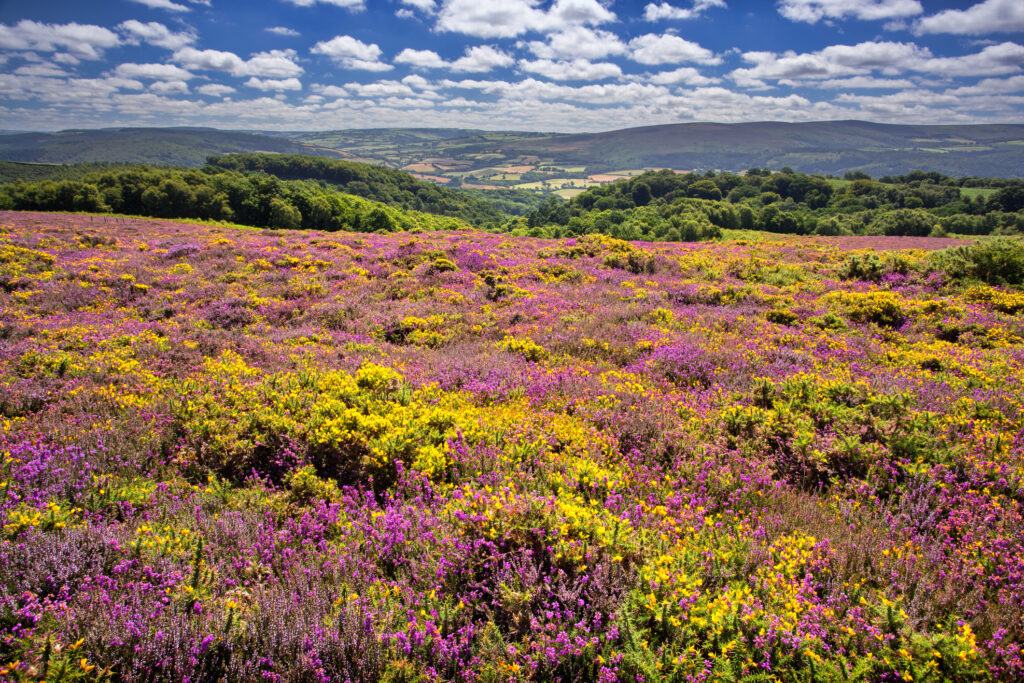
I’d argue that South Downs National Park status is one of the best-kept secrets of buying here. It brings serious development restrictions to the villages within it, protecting the character and value of what’s already there. It also comes with the Dark Skies designation.
In Surrey, a buyer might put in a tennis court with floodlights, or uplight the trees along their driveway, without a second thought. Try that inside the National Park and the answer is a firm no. From 9pm, external lighting is tightly restricted.
I recently had a client looking on the side of Black Down – the highest point in the South Downs National Park. The 65-mile Serpent Trail winds through it, a resident herd of Belted Galloway cattle roam the hillside, and there are genuinely dark skies at night. Development there is very tightly controlled, and for the right buyer, that’s exactly the point. If you want a house in the country, you presumably want it to feel like the country, with undisturbed wildlife and no light pollution from your neighbours.
The Private Estates Stewarding the Land
A huge amount of land around Haslemere, Petworth, Midhurst and Petersfield is held by private estates, which also actively protect and shape the landscape here.
The Foley Estate in Liphook, Petworth Park and adjoining National Trust land at Petworth, Leconfield, Hollycombe; many are managing large areas of habitat, woodland and agriculture. Modern estates are moving away from intensive farming to restore chalk grassland, plant hedgerows and create wetlands. They also maintain footpaths and bridleways.
There is none more impressive in this regard than Knepp Estate, now globally known for its trailblazing 3,500-acre rewilding project, which has inspired a wave of similar initiatives across the country.
Many of these estates are also diversifying. The Cowdray Estate in Midhurst has a fantastic farm shop and a very popular wellness offering including rest-and-reset weekends and Ayurvedic practitioners – a long way from its traditional polo-only image.
Goodwood Estate, of course, is a global attraction in its own right, with its famous motor circuit and racecourse. The estate also has a member’s club house, health club, restaurants, organic farm and farm shop and art foundation.
Interspersed with the estate land, and thanks to the chalk downland, are an increasing number of vineyards, which have become as much part of the landscape as they have the local economy. Tinwood Estate near Chichester, Kinsbrook Vineyard in Thakeham and, of course, the multi-award-winning Nyetimber sparkling wine producer in West Chiltington to name but a few.
Who Buys Property in West Sussex?
Most often, this is someone’s second or third move out of London. The first was about being near schools when the children were small; by the time they’re looking here, the children may be at boarding school, and the family is either heading back to London or moving further into Sussex.
And once people are in Sussex, they tend to stay. The patterns I see most are families with slightly older children moving to a bigger house with a pool and tennis court in North Marden, East Marden, Trotton or Stedham, or couples downsizing to live within walking distance of a town such as Petersfield, Midhurst, Petworth, Chichester or Arundel.
I recently worked with a couple in Balls Cross, just north of Petworth. Their children had grown up and they were downsizing from a 20-acre property with a pool. Their brief was specific: they wanted to be walking distance to Petworth, or at least on a bus route, so they could still feel connected to a town rather than isolated in the countryside.
Another client, whose family had holidayed in the same Witterings house for generations, eventually stopped driving and felt cut off despite loving the location. We moved her to the edge of Chichester, walking distance to the theatre and galleries, close enough to meet friends for supper without needing a car.
There is also a seasonal international presence centred around Midhurst with an influx of polo patrons, largely Argentinian and also Emirati, between April and September, with ponies wintering locally and significant money flowing into the area as a result. Elsewhere, it’s mostly second-home owners and Londoners after a different pace of life, rather than an international buyer base.
That said, I’d expect it to grow. The sailing crowd tends to gravitate towards Cowes and Sandbanks instead, which have a flashier, more cosmopolitan feel and large seafront houses to match. That’s not really what West Sussex offers, and I’d say that’s part of its appeal. This is more “slightly muddy Land Rover” than “shiny V8.”
Housing Types and Renovation Opportunities in West Sussex
Off-market activity is significant here, and the best properties tend to move quickly, often before they’re formally listed.
Modern housing is rare and tends to come from small, localised developments – such as Kings Drive, built on the site of a former hospital on the outskirts of Midhurst, or the new development on a 10.5-hectare former ICI site just outside Fernhurst.
This is overwhelmingly period-house country: old farmhouses, stone cottages, and the local vernacular – flint and brick banding, Horsham stone, clay tiles, alongside traditional timber-framed houses.
Many of these properties are listed, which means a different planning process, but in my experience, the planners are largely pragmatic rather than obstructive. They understand that many of these houses need updating, and the general principle is for sympathetic renovation, extending to the rear or side, to keep the front facade untouched.
Oak-framed orangeries and generous kitchen extensions to the rear are common and well tolerated – provided they’re in keeping and in line with local planning legislation. What planners are genuinely strict about is any extension that significantly alters the property’s traditional footprint, though they’re increasingly open to eco-friendly materials within that constraint.
The Hidden Delights of West Sussex
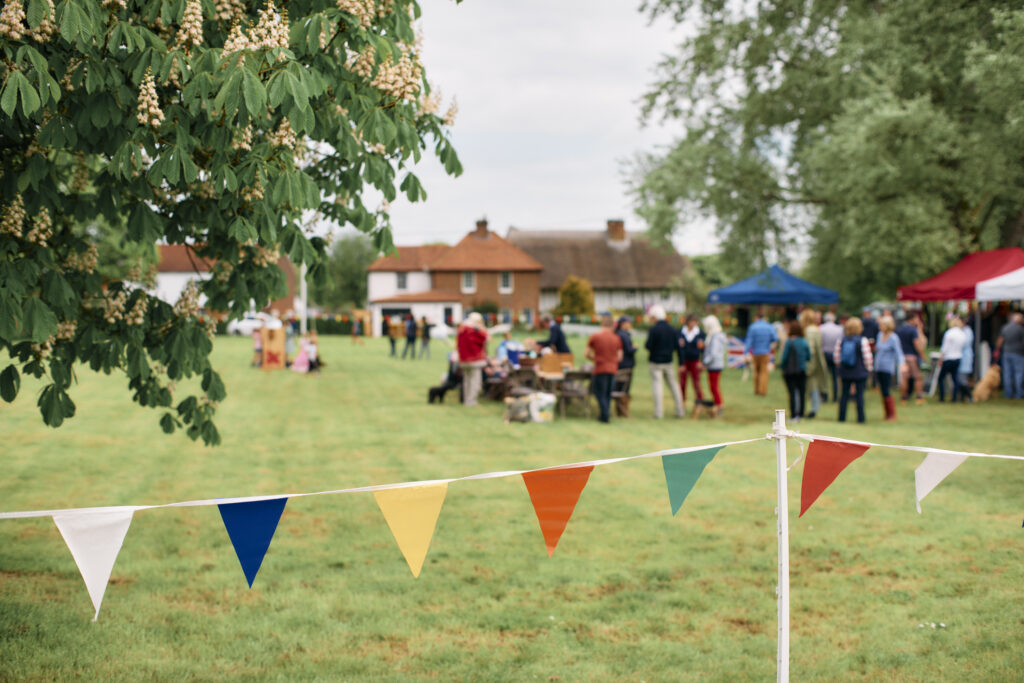
Here, you will find genuinely tight-knit communities built around lively independent ventures, rather than chain retail and hospitality. And there’s a lot going on here, if you look closely.
Just outside East Dean, Ides Barn Farm is a working dairy farm with a Milk Hut and café, as well as Punk Padel courts in a former agricultural building. Bring your own bottles and fill them straight from the farm at Buddington Dairy’s milk vending machines.
Gather with friends in the taproom and courtyard at Langham Brewery in Lodsworth, surrounded by countryside, or catch an open-air cinema evening in summer at The Rising Sun in Milland. Meanwhile, arts-lovers descend on Petworth every year for its trio of events – the Petworth Proms, Summer Festival and Literary Festival.
West Sussex is also home to many thriving village shops, which are real community hubs, supporting local growers and producers. Pick up a fresh bean-to-cup coffee alongside your essentials, or a puncture repair kit if you’re on two wheels, at Lodsworth Larder. Milland Stores goes further still, combining local produce with its own café, dry cleaning collections, a postal service and tickets to local events.
The Duke of Cumberland Arms at Henley Common, The Horse Guards Inn in Tillington and The Noah’s Ark Inn at Lurgashall are all highly regarded gastropubs, while The Parsons Table in Arundel holds a hard-earned place in the Michelin guide.
And, as I remind people: Ocado delivers everywhere, Deliveroo works and yes, your phone still gets signal!

Katherine Watters is our specialist Partner in the Southern Home Counties
For news, expert commentary and invaluable property insight, subscribe to The Insider, our quarterly newsletter, here.