The Buying Agency for Busy People

In prime central London, the process of securing the right home has become increasingly complex and fragmented. For high-performing professionals and internationally based clients alike, the challenge is no longer simply finding property; it is navigating the noise with confidence and efficiency, writes our Partner and London specialist Toto Lambert.

Employees walking to work in the city at sunrise

In the world of prime central London property, time has become the most valuable currency of all. Increasingly, the clients who come to me are not short of means – they are short of hours, headspace and tolerance for the sheer administrative drag that accompanies a London property search.

Roughly 75 per cent of my clients fall into two distinct camps. About 40 per cent are what I call the domestic family buyer; the remaining 35 per cent are overseas buyers. On the surface their circumstances differ, but their core problem is identical: they are time-poor, information-overloaded and in need of someone to cut through the noise. That, in essence, is where The Buying Solution comes into its own.

The Domestic Family Buyer: high-flying and time-poor

The Domestic Family Buyer is typically a professional couple – often in law, finance or tech – who have been renting in London for several years while careers accelerated and life became incrementally busier.

They are usually thoughtful, analytical and perfectly capable of conducting a search themselves. Indeed, many begin that way. But somewhere between their 47th Rightmove alert and their third collapsed chain, the process starts to fray. What they lack is not intelligence or motivation; it is bandwidth.

I often meet them at the point of fatigue. One couple I began working with last autumn had been searching independently for more than three years. They had viewed over 100 properties – a number that would test the patience of even the most enthusiastic house-hunter – and had narrowly lost out on a home they loved. By the time we were introduced, they were disheartened and, more importantly, had lost confidence in their own decision-making.

Our first task was not to find a house. It was to reset the process. We spent time together walking the streets they were drawn to, discussing not only what they liked but also what they did not. I always begin this way. The brief on paper is rarely the brief in practice, and early face time is invaluable in building a three-dimensional picture of how a client actually wants to live.

One of the first houses we viewed together would ultimately become their purchase. But we did not rush. We continued to test the market, using that property as our benchmark: how does this compare? What is genuinely best in class?

Within eight weeks of formally instructing me, we had agreed terms on the right house. For clients who had spent three years circling the market, the contrast was stark. What changed was not the market, it was the filtering.

The Overseas Buyer: rarely on the ground

If the Domestic Buyer is time-poor, the Overseas Buyer faces an additional handicap: distance. These clients – often international professionals or families seeking a London pied-à-terre – may only be in the city every month or two. They simply do not have their feet on the ground. The London market, with its patchwork of micro-locations and opaque practices, can feel particularly impenetrable from afar. For them, the risk is twofold: wasted trips and expensive mistakes.

I am currently working with an overseas client who will only spend part of the year in London. In our very first viewing tour, which was compressed into a single, tightly planned visit, we were able to narrow their search to the exact postcodes that genuinely suited them.

Had they attempted this alone, they would likely have been fielding calls from upwards of 50 agents, attempting to triangulate neighbourhood nuance remotely and booking scattergun viewings during short visits. Instead, within a week of engagement, we had clarity. Speed, in this context, is not about rushing. It is about precision.

Why the modern market overwhelms buyers

Part of the growing demand for buying agents stems from structural change within the London property world itself. Seven or eight years ago, a focused search in an area such as Chelsea or Fulham might have required conversations with five or six estate agencies. Today, the landscape is far more fragmented. Many experienced agents have left large corporates to operate independently in a broker-style model.

The result is a more dispersed, more opaque marketplace. Where once a £4 million search might have involved speaking to eight to ten key players, I am now routinely in contact with north of 40 intermediaries for a single brief. For private buyers attempting to manage this alongside demanding careers, the volume alone can become unmanageable.

Increasingly, clients arrive saying the same thing: ‘we started looking ourselves, but we’ve become overwhelmed.’ Our role as buying agents is to absorb that noise. We review and preview everything that crosses our desks. By the time a client steps into a car with us for a viewing tour, every property has been pre-vetted against their evolving brief. They have one point of contact, one curated schedule and – crucially – confidence that their time is being used efficiently.
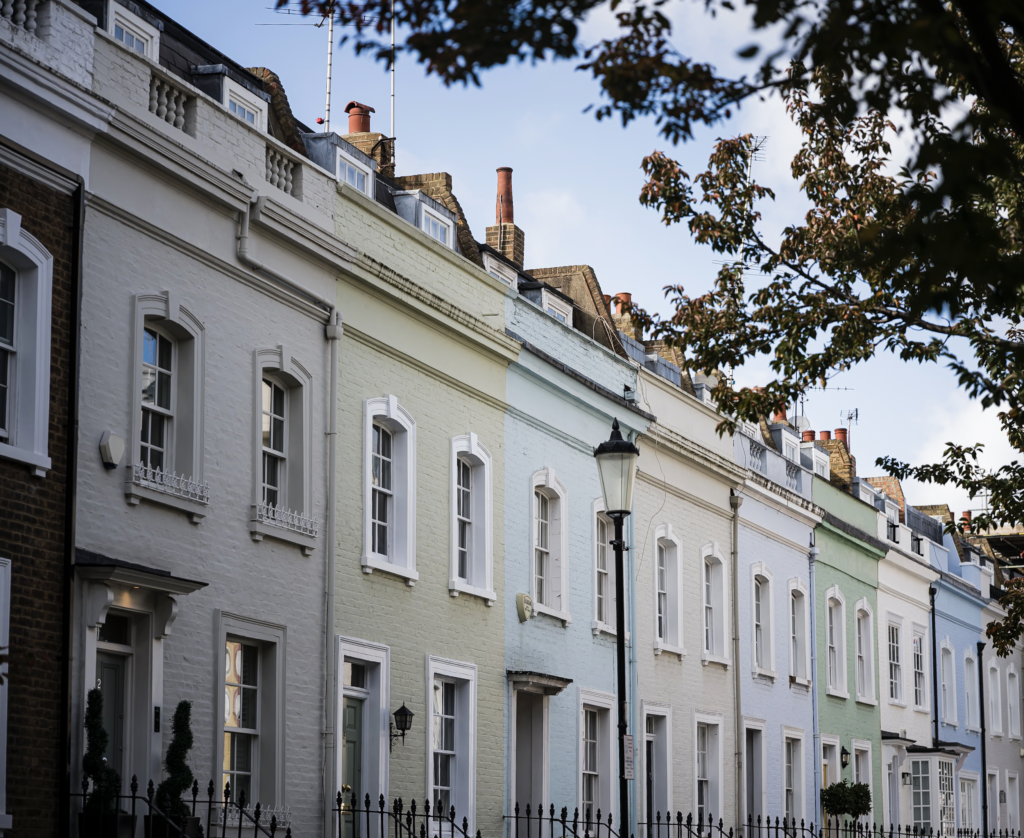
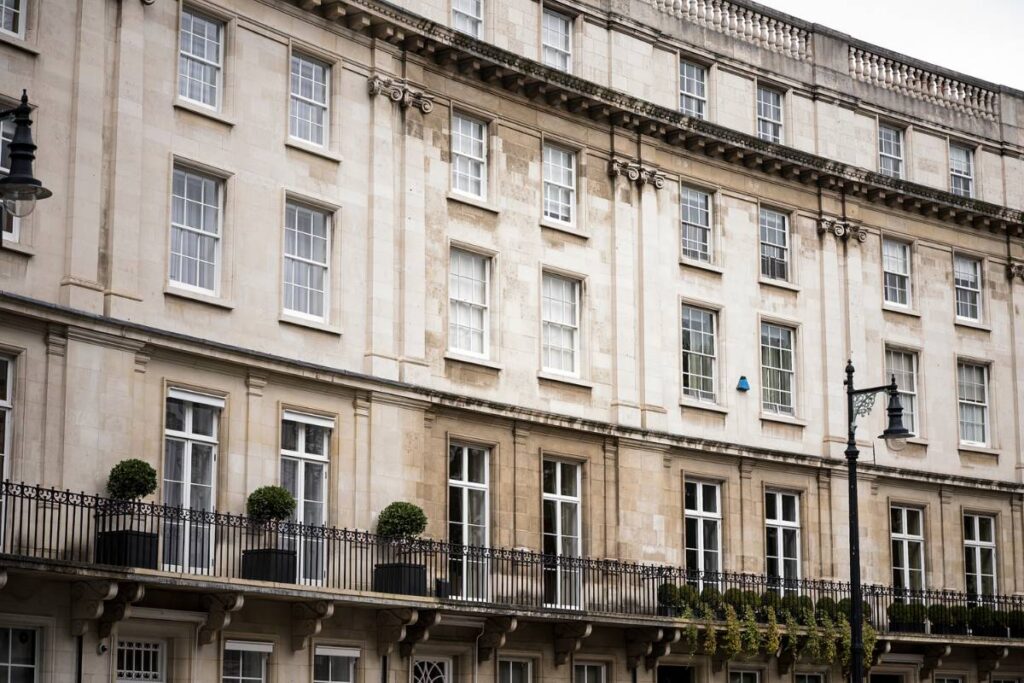
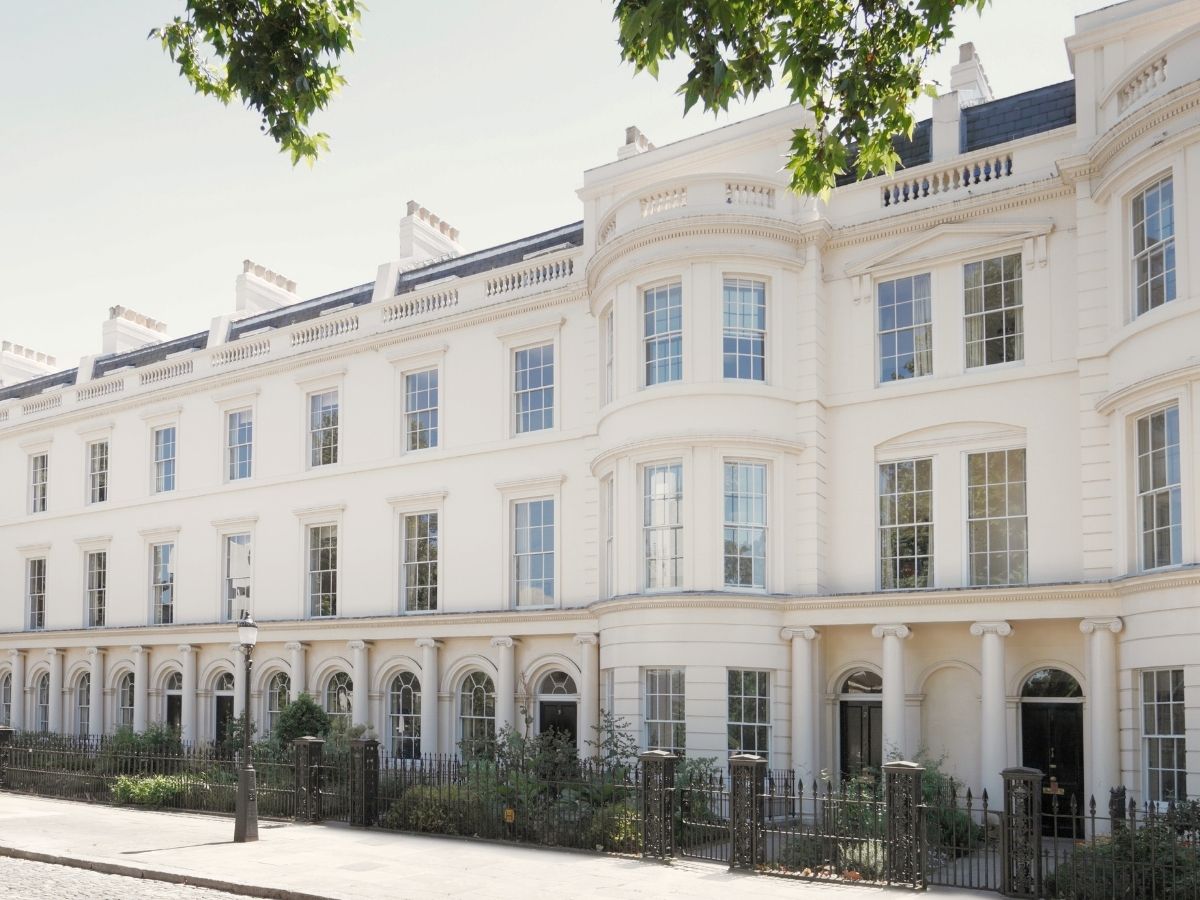
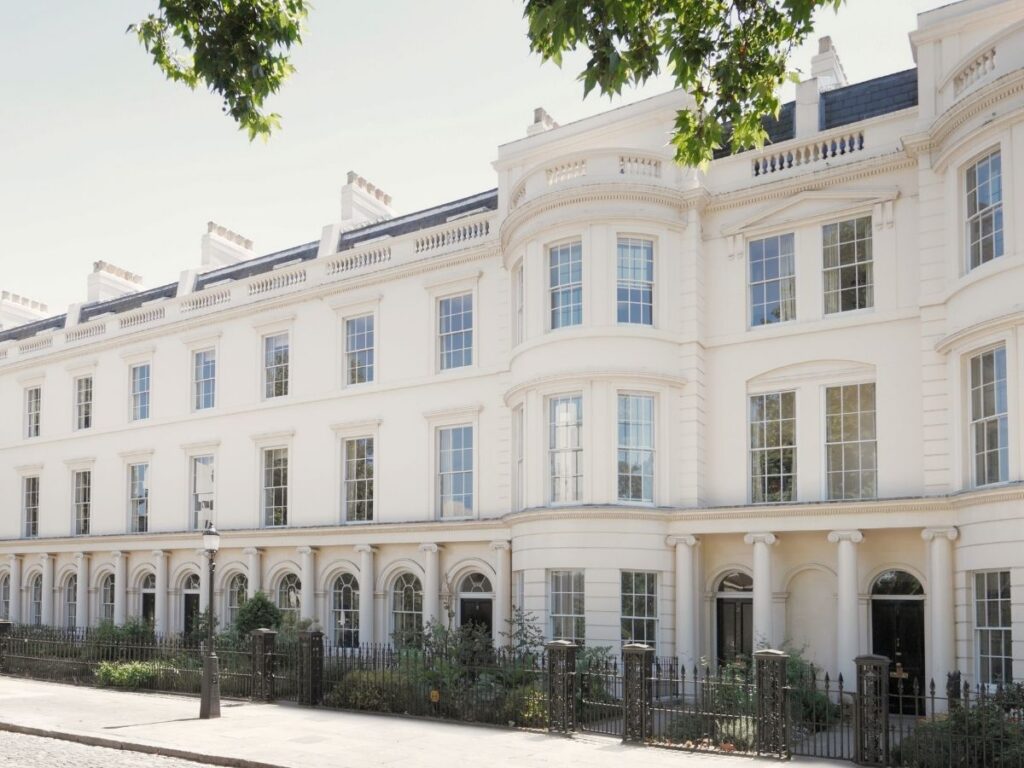
Chelsea townhouses ©Sarah Frances Kelley for The Buying Solution
Sarah Frances Kelley for The Buying Solution

The power of relationships and off-market access

Relationships remain the engine of the London buying world. Because we are in constant dialogue with agents, brokers and intermediaries, we are often able to access opportunities before they reach the open market.

Approximately 60 per cent of what we buy at The Buying Solution is off-market. For busy clients, this is not simply about exclusivity; it is about efficiency. If you are only viewing the most relevant opportunities – many of which never appear online – the search becomes markedly more focused.

It also allows us to move quickly when the right property surfaces. One of the most valuable outcomes of our early work with clients is the refinement of the brief. Through repeated viewings and conversations, we develop a very clear sense of what “right” looks like. When it appears, we can act decisively.

When the brief evolves

One of the most interesting aspects of this work is how often initial assumptions shift. I had clients last year who began their search adamant they wanted a flat. Through the process, it became clear that what they truly valued was their own front door and a certain sense of privacy. We ultimately secured a house.

Similarly, buyers frequently begin by insisting they want a turnkey property. Yet when presented with the best property on their favourite street but which requires modest cosmetic work, priorities can recalibrate.

Part of our advisory role is helping clients understand where compromise is sensible and where it is not. How often does this type of house become available? What is genuinely scarce? What can be improved later? These are the judgements that protect both lifestyle and long-term value.

Beyond the property: assembling the right team

Particularly for overseas buyers, the purchase itself is only one component of the process. Many international clients are unfamiliar with the nuances of the London system: leasehold structures, share of freehold arrangements, tax considerations and the choreography of the conveyancing process for starters. Education, delivered quickly and clearly, is essential.

But just as important is team assembly. A smooth purchase requires the right solicitor, sometimes tax advice, occasionally immigration support, and – for relocating families – school consultants. If a property requires work, we introduce trusted builders and designers. The goal is always the same: to create a seamless experience that would be extremely difficult for a time-poor buyer to replicate independently.

Handled correctly, this does not add cost. More often, through careful negotiation and risk management, we save clients multiples of our fee.

Cutting through the noise

At its heart, modern buying agency is as much about clarity as it is about access. For busy professionals, whether London-based or overseas, the property market has become noisier, more fragmented and more time-consuming to navigate alone. The value we provide is focus: one point of contact, whole-of-market coverage and rigorous pre-vetting that ensures every viewing has genuine potential.

In a city where time is increasingly precious, that clarity is often the difference between a draining search and a decisive, confident purchase. And for my clients, that is precisely the point.

The Buying Solution Partner Toto Lambert portrait

Toto Lambert is our Partner in London

For news, expert commentary and invaluable property insight, subscribe to The Insider, our quarterly newsletter, here.
The Cyber-Attack Disrupting the PCL Property Sector

November’s IT breach across three prime London authorities continues to cause problems across the property sector, reports Prime Resi. Our London Partner, Philip Eastwood, is among the capital’s top property brokers, lawyers and developers sharing his insight with the journal.

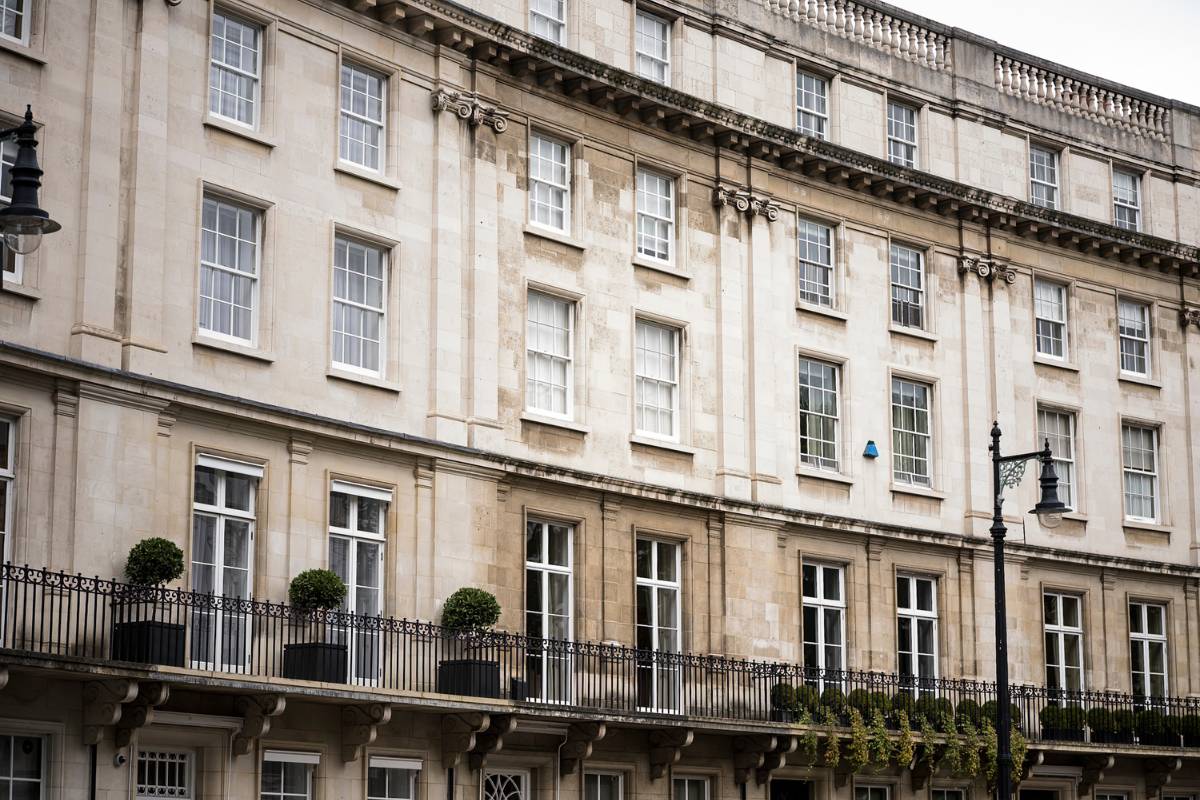
Georgian terrace in Central London, England. Image: Sarah Frances Kelley for The Buying Solution

The breach – affecting IT systems in the Royal Borough of Kensington and Chelsea, Westminster, City Council and the London Borough of Hammersmith and Fulham – left planning portals and local authority search systems inaccessible, and its impact continues to be felt across the industry.

Philip discusses the knock-on effects while urging that while it is “certainly a very irritating fly in the ointment,” there are still plenty of deals to be done.

Read the article here.

How Multigenerational Living Is Shaping Property Searches

With 3.6 million people aged between 20 and 24 still living with their parents in the UK, often due to financial strain, growing numbers of parents require their home to comfortably accommodate their adult children, reports Melissa York in The Sunday Times Magazine. Our Head of the Cotswolds Harry Gladwin shares his insight on the trend in his region.

Our Partner and Cotswolds buying agent, Harry Gladwin, speaks to The Sunday Times Magazine about the impact of multigenerational living on property searches in the Cotswolds region. In particular, he identifies a movement towards substantial independent secondary accommodation, rather than simply an annexe.

Read the article here.

How Celebrity Neighbours Can Impact a Country Village

The Cotswolds has become almost as well known for its famous residents as for its beautiful honey-stoned buildings and bucolic countryside. The arrival of a celebrity in a village – here and elsewhere – and the added security and heightened media interest that inevitably follows, often causes a stir, reports Arabella Youens in The Telegraph. Yet, a famous neighbour can bring far more to an area than just designer wellies, shares our Head of the Cotswolds Harry Gladwin.

Sarah Frances Kelley for The Buying Solution

From Jeremy Clarkson to DJ Calvin Harris, the rumoured arrival of Beyonce and Jay Z, even the recent visit by US Vice President JD Vance; the Cotswolds has become a magnet for the rich and famous. Yet our Partner and Cotswolds Buying Agent, Harry Gladwin, explains in this report in The Telegraph that the long-established culture of discretion among locals has made this a very welcoming place for famous residents and visitors, and their positive impact shouldn’t be ignored.

Read the article here.

The New Hybrid Commuter Hotspots You Should Know

Free from the shackles of a five-day-a-week commute, it’s possible to enjoy all the benefits of truly rural living while remaining within reach of London. Hampshire, Wiltshire and Somerset offer an outstanding lifestyle and excellent value for money, and there has never been a better time to buy, writes Mark Lawson, our Partner in the Southern Counties and specialist in High Value Residential and Rural Estates.

Summer view from the South Downs.

The traditional commuter belt is evolving. With around 28% of working adults in Great Britain now working in a hybrid pattern between their homes and offices, a fresh assessment of where you want to live versus where you need to live is in order.

When the London commute is required only two or three days a week, buyers seeking a genuinely rural lifestyle can look well beyond the traditional commuter belts. In Hampshire, Wiltshire and Somerset, it is possible to enjoy peace, space and excellent value for money, while still being able to reach London for work with relative ease – and this is precisely the time of year to start your search.

I live near Marlborough in Wiltshire, and people commute from here into London every day. Wiltshire was recently described by The Times as ‘England’s most underrated county’, praised for its ‘astonishing countryside’ and strong ‘feelgood factor’. I couldn’t agree more. It feels markedly different from the traditional commuter belt, which can be increasingly busy and noisy – and that difference is precisely its appeal.

Venture a little further west into Hampshire, Wiltshire and Somerset and you’ll find vast stretches of unspoilt countryside, secluded villages, wonderful long walks and a noticeably slower weekend pace. For me, as both a buying agent and a Wiltshire local, the appeal of this region is the peaceful, relaxed way of life that it offers. People are more rural at heart here; it is less transient and international, and far more rooted in community and permanence.

For hybrid workers, typically based at home on Mondays and Fridays, the dreaded Friday commute has largely disappeared. Here, you can close your laptop at six o’clock and be in the local pub, out riding across open countryside, or on your way to the coast within half an hour. Equally, there’s no need to begin the week with a ghastly 6am Monday alarm to catch the commuter train; a slightly longer journey on a Tuesday feels altogether more manageable.

Is 2026 a good time to consider a move to Hampshire, Wiltshire or Somerset?

When commuting only two or three days a week, extending journey times to an hour and a half – or even two hours – feels more comfortable. Naturally, the further you travel from London, the more property you get for your money.

This is also the time of year when we begin to hear about new opportunities, and we aim to get our clients in to see these as early as possible, often before anyone else. Around 70% of what we buy is secured off-market or pre-market, making expert representation an excellent return on investment.

Interestingly, this year we are seeing a significant amount of stock that we were aware of last year now being prepared for launch at lower price points. As a result, these properties are likely to come to market earlier than entirely new stock.

Given that very little sold above £3 million last year in Dorset, South Wiltshire and South Somerset, there are certainly good opportunities to be found – provided you can identify a sensible vendor and, most importantly, the right location to suit your lifestyle.

The appeal of Cranbourne Chase and surrounding areas

The area surrounding the Cranbourne Chase National Landscape, which spans Dorset, Hampshire and Wiltshire, offers some of the most beautiful unspoiled rural countryside in the region. Characterised by rolling chalk downs, ancient woodland and peaceful landscapes, it is ideal for walking, cycling, riding and a wide range of outdoor pursuits. The beautiful Dorset coast is just an hour away.

The charming village of Tollard Royal is home to an equestrian centre, the recently refurbished King John pub, the well-regarded independent day and boarding prep school Sandroyd School, and the Grade II-listed Victorian pleasure grounds at Larmer Tree Gardens. Nearby Tisbury has its own railway station with direct services to London Waterloo, typically running hourly and taking between 1 hour 45 minutes and 2 hours.

The nearby town of Shaftesbury known for its notable cobbled hill and independent shops and the highly regarded Port Regis Prep School, is also a popular choice. Bryanston School in Blandford Forum, along with Hanford Prep and Clayesmore School also provide excellent independent education options for families in the area.

The countryside around Salisbury is equally attractive and Salisbury station offers strong commuting links to central London, with frequent direct trains to London Waterloo taking between 1 hour 20 minutes and 1 hour 40 minutes.

A farmhouse that has been extended or expanded with around 20 acres of land, a pool, a court and a cottage would typically be priced in the region of £3-4 million. There is a good mix of properties that have already been developed and those that remain untouched, so we’re always trying to find the gem with potential that aligns with how much work a buyer is willing to undertake.

The sustained popularity of Bruton and Frome

North west of Cranborne Chase, the area around Bruton and Frome continues to rival the Cotswolds in terms of popularity, yet retains a distinctly more understated character, which I believe is a key part of its appeal.

Soho House opened its first rural retreat, Babington House, in Frome in 1998, paving the way for a wave of luxury openings in the years that followed. Hauser & Wirth launched their Somerset gallery in 2014, followed by the arrival of The Newt luxury hotel and estate in 2019. That same year saw the opening of Bruton’s Osip restaurant, which went on to receive a Michelin star in 2021, and last year marked the launch of Osip 2.0, its new farm-to-table restaurant. Bruton was recently described by Condé Nast Traveller as “the coolest town in the UK.”

Despite this, these pockets of quiet luxury remain firmly rooted in beautiful countryside, with slower paced villages and market towns, proper local pubs and the reassuring presence of mucky tractors and weathered barns.

There are some direct train services to London Waterloo from Bruton, although most people tend to drive or connect via stations such as Westbury or Castle Cary. Trains from Frome to London Paddington take from 1 hour 30 minutes. The A303 is also easily accessible, providing a convenient route east to London and west towards Devon.

The area is well served by a number of highly-regarded independent day and boarding schools, including Kings’ Bruton and Springmead School near Frome.

Why Sherborne and Templecombe offer both fantastic properties and lifestyle

I particularly love the countryside south of Bruton around Sherborne and Templecombe with its gentle rolling hills and attractive villages. London commuters are well served by both Sherborne and Templecombe stations with offer direct train services to London Waterloo, while families are drawn to Sherborne’s highly regarded prep, girls’ and boys’ schools.

A particular appeal of this area is its strong selection of high-quality properties. Almost every village features a farmhouse or manor house, along with an excellent Georgian house or rectory.

Navigating the current property market in South West England

There is currently limited stock in the South West within the £2–10 million bracket, while a significant volume of off-market property exists above £10 million. A particularly attractive house with 50-100 acres would typically be priced at £7-10 million.

We maintain close relationships with local selling agents, as well as our extensive network of professional contacts who are aware of which properties are likely to come to market and can secure early introductions.

Sellers at this level are often highly discretionary and it’s not unusual for them to seek prices well above true market value. This is why engaging a buying agent offers the best chance of securing an exceptional property at a fair price; we are able to advise on value and negotiate on your behalf.

Most importantly, we’re not selling anything. We guide our clients not only to exceptional properties but to the dream lifestyles that accompany them.

Mark Lawson The Buying Solution

Mark Lawson MRICS is our Partner in the Southern Counties and a specialist in High Value Residential and Rural Estates.

How London’s Wealthiest Home Buyers are Rethinking Security

Despite reports that Tom Cruise has left his London home over security fears, Spear’s magazine suggests that rising crime in the capital is not prompting a mass exodus. Instead, it is influencing how buyers in London’s wealthiest postcodes assess both property and personal security when choosing a home. Featuring insight from our London Partner, Philip Eastwood.

Whether prioritising homes on secure streets or collectively funding private security, crime levels in London are influencing high-value property searches, reports Christian Maddock in Spear’s magazine. Featuring insight from our highly experienced Partner and London specialist, Philip Eastwood, the report explores why rising crime rates in the capital are prompting HNWs to seek enhanced security options rather than leave the city altogether.

Read the article here.