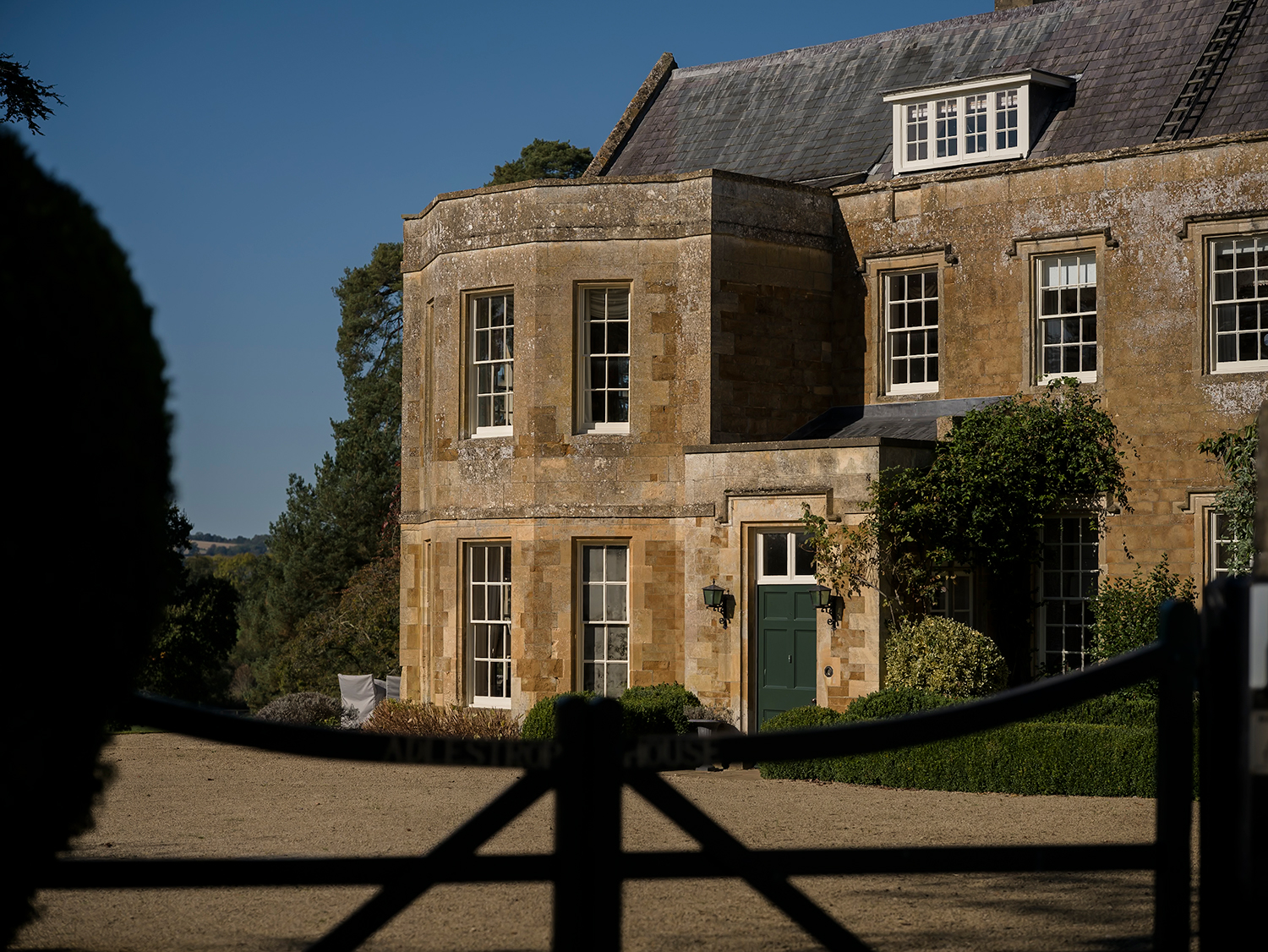
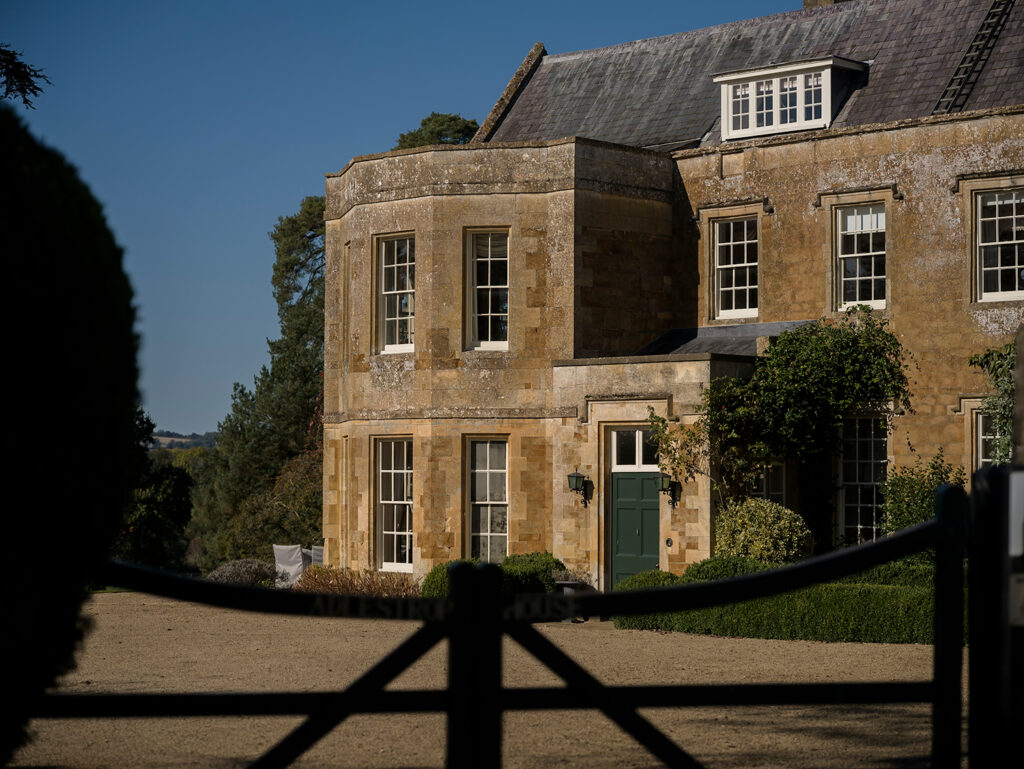
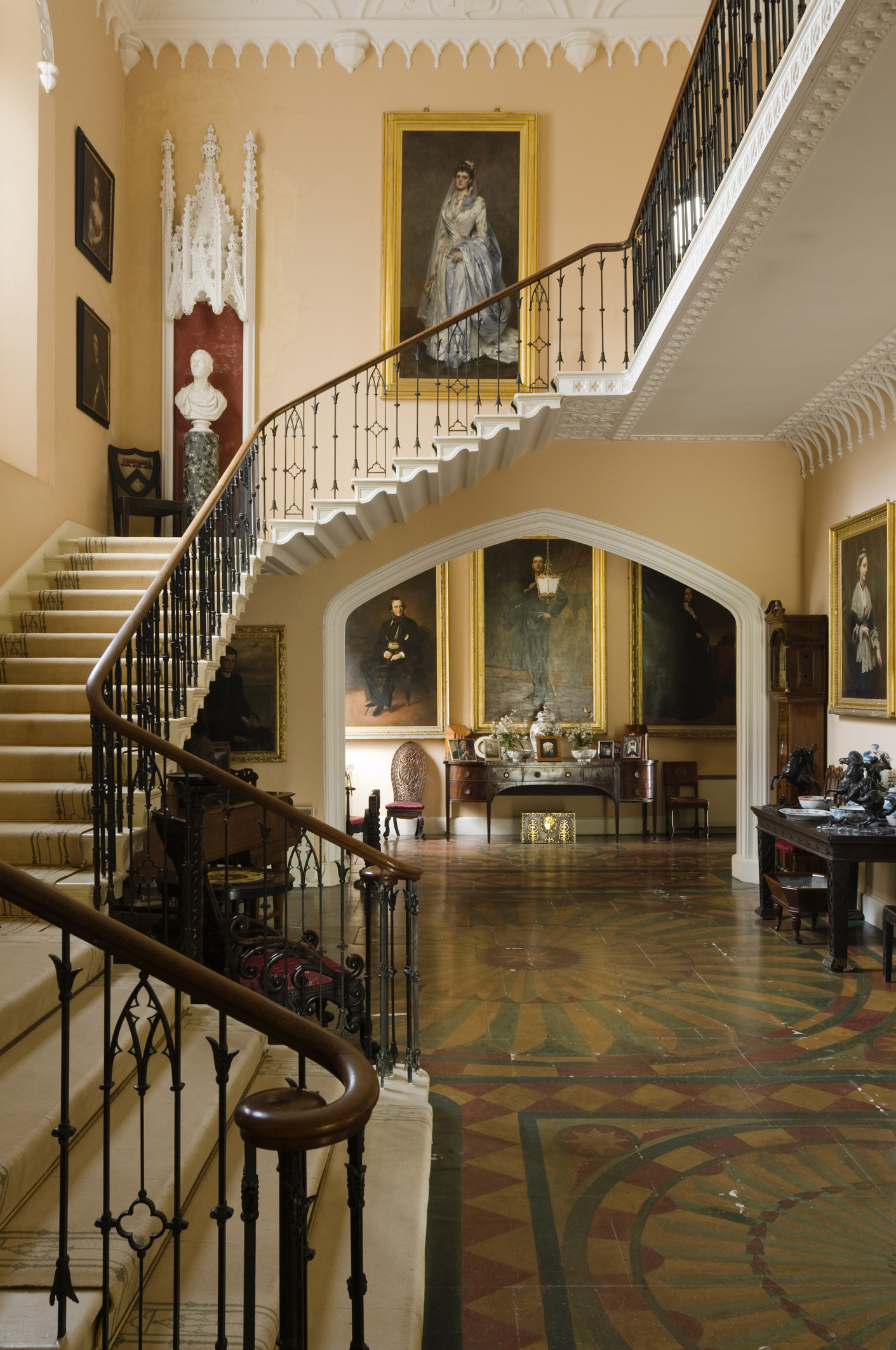
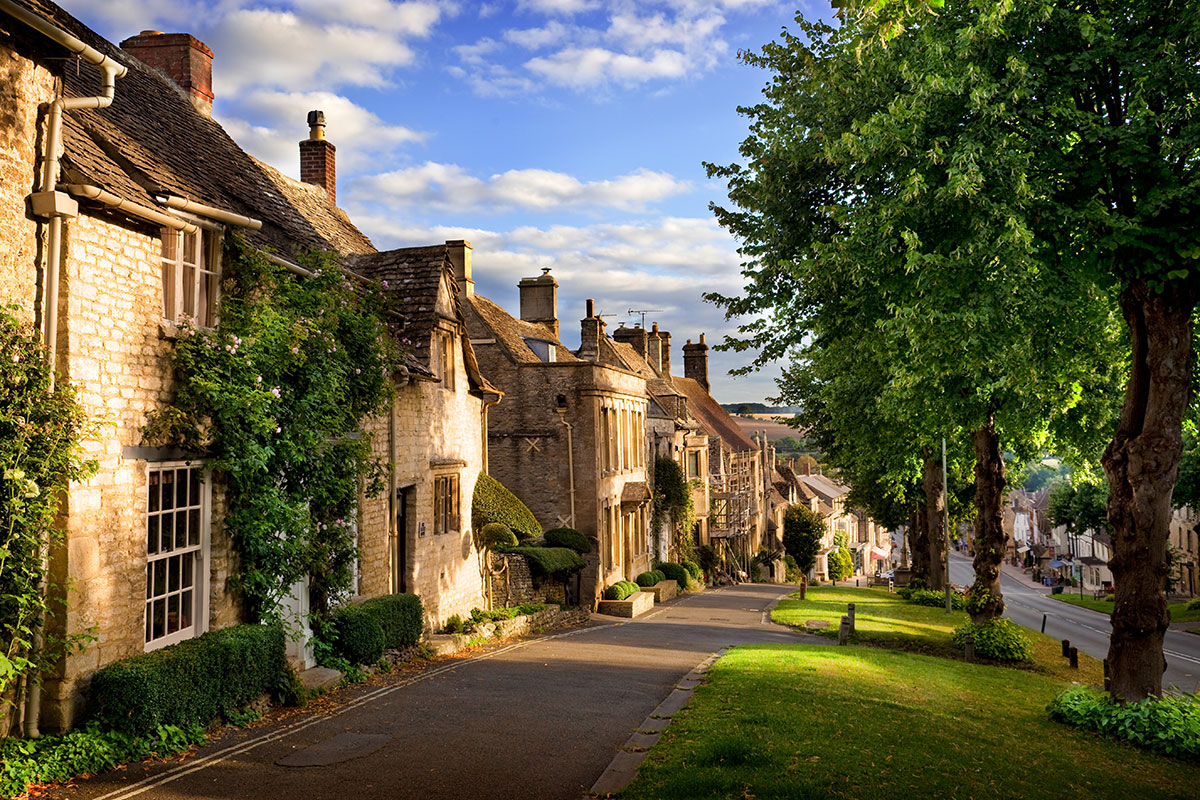
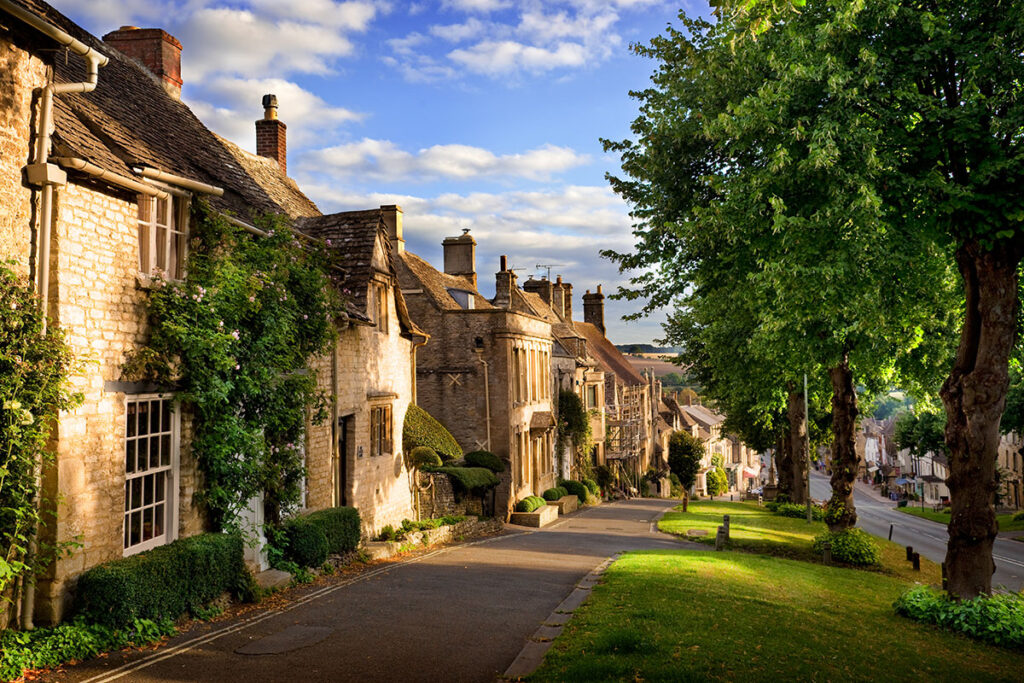
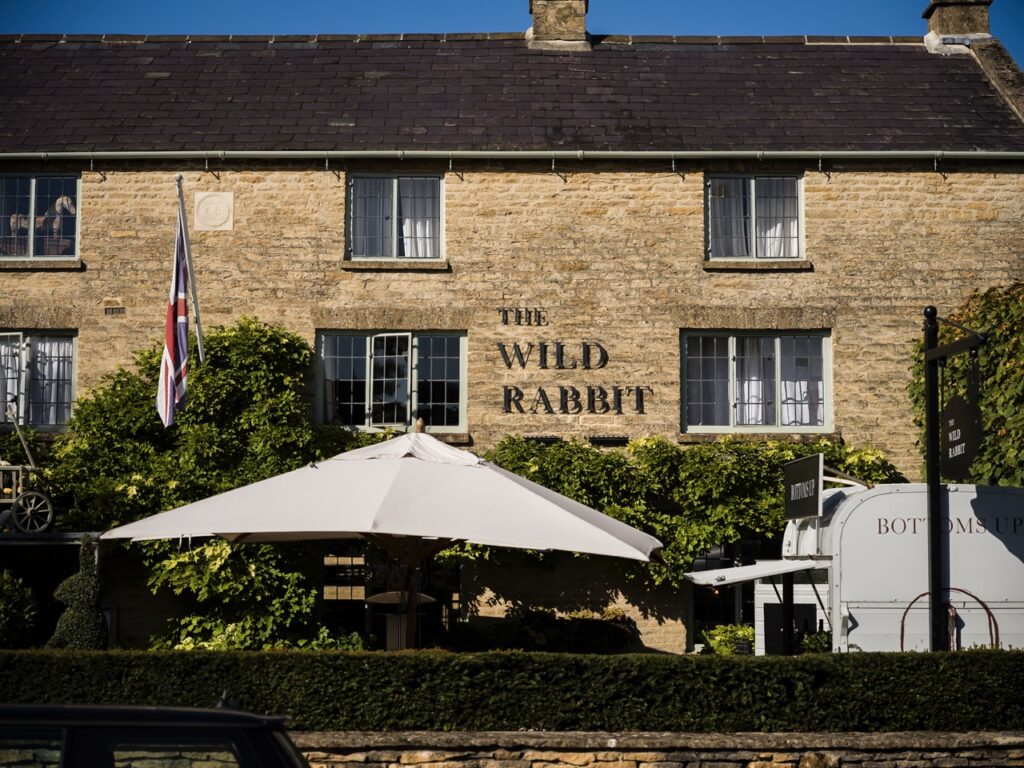
Prince Harry and Meghan’s return to the UK – and reported move to the Cotswolds – has further burnished the region’s crown. Writing for the Wall Street Journal, Ruth Bloomfield reports on how the area’s growing number of American buyers see it as the ultimate trophy asset, featuring insights from our Partner and Head of the Cotswolds, Harry Gladwin.
With the Duke and Duchess of Sussex settling their children into school and setting up their new home in the Cotswolds, the region’s appeal to American buyers is confirmed, writes Ruth Bloomfield in the Wall Street Journal. “I would say there has been a 25% increase in US buyers since last summer,” Harry Gladwin, our Partner and Head of the Cotswolds, shares in the article. “The Cotswolds is now an international brand.”
Parents hoping to move house for a school catchment area are learning a hard truth: timing is everything. Writing in The Telegraph, Ruth Bloomfield explores what it really takes to land a spot at the best state schools – including advice from our own Cotswolds buying agent, Georgina Neil, on getting the move right.
Competition for places at good state schools is fierce – and for the best houses in their catchment areas, fiercer still, especially since VAT was introduced on private school fees, reports Ruth Bloomfield in The Telegraph.
To keep the move as stress-free as possible, early research pays off. “For a September start, we would generally advise beginning the process during the previous autumn or winter, to allow sufficient time for finding the right property, agreeing a sale, and navigating the conveyancing process,” advises Georgina Neil, our Cotswolds buying agent, in the article.
Large country houses not in use by their owners were traditionally mothballed. Not anymore, writes Eleanor Doughty in Country Life, with insights from Katherine Watters, our Partner and Southern Home Counties expert.
For those with multiple large country houses, deciding what to do with the one you weren’t occupying used to be simple: the dust sheets came out and you mothballed it until your return. But now, owners tempted by the handsome returns that short lets can yield are seeing their properties as business assets, writes Eleanor Doughty in Country Life.
‘In the times we’re in, people look at what they’ve got and think how can they make some extra income from it,’ comments Katherine Watters, our Partner and Southern Home Counties expert.
The post-Covid frenzy may be over, but reports of the Cotswolds property market cooling are greatly exaggerated, writes Harry Gladwin, our Partner and Head of the Cotswolds. For buyers, the challenge now is not demand but scarcity.
It is a particularly British trait – especially in the property press – to cast things as either fantastic or dreadful, with everything in between deemed of little interest. I suspect that polarised approach informed some of the reports over the summer suggesting that the so-called Cotswolds property boom was over.
Reports of falling farmhouse values across Oxfordshire and Gloucestershire were presented as evidence that the Cotswolds’ halcyon days had come to an end. But a correction is not the same thing as a collapse. The fundamental appeal of the Cotswolds has not changed; what has is the unrealistic levels of expectation that built up around its property market during the pandemic.
The post-Covid property boom was an anomaly
In the extraordinary period following the pandemic, demand for Cotswolds property surged to levels the market had never experienced. Buyers, especially those from London liberated from the office and newly focused on space, landscape and quality of life, competed for a finite supply of houses.
As a result, properties that might once have attracted modest interest were suddenly commanding substantial premiums. Asking prices became increasingly detached from precedent, and speed became a virtue in itself. Scarcity and urgency often blurred the distinction between a genuinely exceptional house and an ordinary one in a desirable location.
As time wore on, many sellers held on to unrealistic ideas of what their properties were worth. The softening of prices for property which had, in truth, been overpriced is not evidence that the Cotswolds itself has fallen out of favour. It hasn’t.
The post-Covid market was an anomaly, not a new benchmark. What we are seeing now is a return to a market that is more sophisticated and discerning. Buyers are looking much more carefully at quality, condition and whether the price is justified. For me, that represents a much healthier market.
Best-in-class houses are still selling extremely well and commanding a premium. There simply aren’t enough of them to satisfy demand. Properties with compromises are having to find a more realistic level, while those that are overpriced are increasingly being left behind. This is what a functioning market looks like.
The Cotswolds still has a supply problem
The Cotswolds remains one of the UK’s most supply-constrained prime residential markets and it’s tricky to find a good house now that is available to buy. Many of the people who own the most desirable houses in the area have little reason to sell. They like it here, and where else would they go?
That creates an apparent contradiction for buyers. The market may be more rational than it was three years ago, but it is not necessarily easier to enter. For a high-value buyer coming from London or overseas, particularly one comparing the Cotswolds with softer markets elsewhere in the UK, the lack of available stock can be difficult to reconcile with the prices being asked for what is available. It comes back to the issue of supply and demand.
The real Cotswolds property market is not always visible
This is where the distinction between the visible market and the real market becomes important. Property portals and magazines such as Rightmove and Country Life show what is openly being offered for sale but not what might be available through relationships, local knowledge or conversations with owners who have never formally instructed an agent.
For buyers operating at the upper end of the market, this is precisely where specialist advice becomes invaluable. My role is not simply to identify the best houses, but to understand and interpret the market they are being offered in. The differences between villages, knowing the owners who may genuinely consider selling, the opportunities unlikely to be widely marketed and, crucially, whether a property represents good value before emotion takes over. Judgement matters just as much as access.
International demand for Cotswolds property remains strong
The Cotswolds has always been an internationally recognised brand, attracting people from London and further afield. That is not new. What the pandemic did was amplify it.
The suggestion that interest in the Cotswolds is waning also underestimates the breadth of the market itself. The traditional family buyer remains a powerful force, drawn by schooling, accessibility from London and quality of life. Demand for leading schools in the region and surrounding areas remains an important part of the equation.
At the same time, the international market has deepened considerably. American buyers now account for 25–30 per cent of our Cotswolds client base, alongside buyers from the Middle East, Switzerland and elsewhere in Europe.
Sarah Frances Kelley for The Buying Solution
Why the Cotswolds’ popularity is not a bad thing
I also think there is a tendency to confuse increased visibility with overexposure. Certain parts of the Cotswolds have undoubtedly become more prominent, particularly in the five-mile radius around Daylesford and Kingham and places such as Estelle Manor and Soho Farmhouse, which have created their own micro-climates of hospitality, food and leisure. But the Cotswolds is a huge area from a UK point of view, and typically our buyers would look to avoid or be outside the obvious touristy areas that are getting most of the publicity.
I don’t see increased popularity that as a dilution of the Cotswolds’ appeal. If anything, it has made the region more diverse. The Cotswolds is large enough to offer very different versions of country life. For some, proximity to good restaurants, hotels and social life is part of the attraction; for others, the appeal lies in being well away from it. People can choose the version that suits them.
More broadly, I see the investment that has accompanied the Cotswolds’ growing profile as overwhelmingly positive. Businesses such as Daylesford Organic and the individuals behind them have invested heavily in the region, creating jobs and opportunities for local people, as well as places for them to visit, eat at and enjoy. It is shortsighted to see increased popularity as inherently negative.
Cotswolds buyers are becoming more selective
The fundamentals underpinning demand have therefore remained remarkably consistent. The schools are still pulling families here. London remains accessible. The landscape has lost none of its appeal. And the lifestyle is probably as good as it gets outside London.
What has changed more noticeably is what buyers are prepared to take on once they have found a house. The appetite for major refurbishment has cooled considerably. Materials are more expensive, skilled labour is harder to find, Planning is challenging and so projects take longer.
The romantic proposition of buying an unloved country house and transforming it looks rather different once the first contractor’s estimate arrives. Except where they represent a genuinely rare opportunity, projects are becoming harder to sell.
There is also a significant disconnect between what some sellers believe refurbishment should cost and what it actually costs today. For an owner who has not undertaken a major project for 20 or 30 years, it is easy to underestimate how dramatically the economics have changed. Once buyers understand the true cost of renovation, many simply cannot justify taking it on.
That is increasingly being reflected in value. A house requiring substantial investment cannot be assessed simply on its underlying charm or potential. The cost, duration and complexity of a renovation in the Cotswolds needs to be understood and reflected in the price.
Why local knowledge matters when buying in the Cotswolds
The challenge for a buyer is no longer simply to find a property. It is to understand what is genuinely rare, what is fairly priced and what only appears attractive because the supply of alternatives is limited.
Scarcity can be a powerful psychological force. After searching for months, perhaps years, it is easy to convince yourself that a house is worth buying because it is the first vaguely suitable one to appear.
But a lack of alternatives should not, in itself, justify compromising on quality or paying an unjustified premium. An experienced buying agent should provide the perspective that is hardest to maintain when you are emotionally invested.
Is this genuinely rare, or merely rare at this price? Is the location exceptional? Are the compromises manageable? What will the house actually cost to own and improve? And, if you decide not to buy it, what is likely to come next?
In a market where the best houses are scarce, knowing what not to buy in the Cotswolds is just as valuable as knowing what to buy.
Harry Gladwin is our Partner and Head of the Cotswolds Region
For news, expert commentary and invaluable property insight, subscribe to The Insider, our quarterly newsletter, here.
Millennials are entering London’s £20m-plus property market – and changing luxury living, reports Maya Wilson Autzen for The Telegraph with insights from Will Watson, Head of The Buying Solution. From ice rinks and nightclubs to infrared saunas and digital-detox zones, discover the new super-prime must-haves.
London’s super-prime property market is being reshaped by a younger generation of wealthy buyers, reports The Telegraph. Estate agents reveal that those spending more than £20m are now typically in their 30s or 40s, reflecting the rise of fortunes made in technology, crypto and even social media.
Their preferences are also redefining luxury, with wellness and technology increasingly taking precedence over pools and gyms – traditional markers of super-prime property. Across the market, bespoke wellness spaces are becoming an increasingly important feature of the capital’s most expensive homes. In the article, Will Watson, Head of the Buying Solution, shares that one Los Angeles couple relocating to London placed a Vitamin D pod at the top of their wish list.
From private garden squares and central London terraces to larger family gardens in south-west London, our Partner Philip Eastwood shares his insights into where to look and what to prioritisewhen buying for outdoor space in the capital
One of the biggest mistakes buyers can make in London is focusing too much on the things that can be measured. Square footage, bedroom numbers and price per square foot all matter, but they don’t tell the whole story. Some of the qualities that make a property exceptional are much harder to quantify: the aspect of a garden, the outlook from a terrace, if the rooms actually feel usable and whether the outside space enhances the way you live. Those are the things that often separate a good property from a great one.
Outdoor space has always been desirable in London, but it has become an increasingly important part of the buying conversation – particularly since the pandemic. A garden, terrace or balcony is no longer simply an added extra; for many buyers, it has become a key part of the brief. The important thing, though, is that outdoor space must be practical to use and easy to access.
A large garden that is overlooked, poorly positioned or receives no evening sunlight may be less valuable than a smaller space with a south-west facing garden and an attractive outlook. Similarly, a roof terrace might sound desirable, but if it is remotely taxing to reach, it’s likely to go unused – despite the inevitable premium that was paid for it.
What to prioritise when looking for outside space in London
Before the pandemic, outdoor space was often something buyers wanted but would compromise on if everything else about the property was right. Location, period features, ceiling heights and the overall feel of a home would usually come first.
Covid shifted how much value people place on having somewhere to step outside for their wellbeing. If you were living in a one or two-bedroom apartment without a balcony, terrace or garden during lockdown, you suddenly understood the benefit of having even a small amount of outdoor space. I don’t think it completely changed the way people buy property; it simply added a greater premium to good outdoor space because buyers became more aware of its quality – and scarcity.
Buying in London has always been about compromise. If you wrote out a typical wish list for a London apartment, it might include two or three bedrooms, a good location, high ceilings, period features, excellent light, a newly refurbished interior and a roof terrace. The reality is that very few properties offer everything. Budget, location and the architecture of London itself all start taking things off the list.
That is where the hierarchy of needs comes in. Is location more important than a roof terrace? Is a larger garden worth moving further out for? Does a private balcony compensate for being on a busy road? Every buyer will answer those questions differently. The role of a buying agent is understanding which compromises are acceptable and which ones will ultimately affect how much someone enjoys living in the property.
Why usability of outside space matters more than size
I always tell clients that having outdoor space and having good outdoor space are two very different things. Take roof terraces. Many buyers want one, but genuinely good examples are relatively rare in London. Much of the city’s housing stock is Georgian or Victorian when roofs were for chimney pots, not terraces, so creating one is often complicated.
I have a simple test: can you easily carry a bottle of rosé and a glass onto it? If you have to climb three flights of stairs, negotiate a very steep spiral staircase or effectively become a mountain goat to reach it, you probably won’t use it as much as you imagine. If you can open French doors, step outside and sit down with a drink, then you will use it constantly.
The other consideration is safety, particularly for families. A roof terrace might look impressive on a floorplan, but if access is difficult or you are constantly worrying about the children, it becomes less appealing.
Gardens are no different. Buyers naturally focus on size, but aspect and outlook are often just as important. A south-west-facing garden which receives afternoon and evening sun overlooking mature trees or backing on to another garden will almost always be more valuable than a larger garden that is north-facing, overlooked and enclosed by neighbouring walls.
You can have two houses that are almost identical in size, but one has a better garden, better light and a better outlook. Which one is going to command the higher price? The one with the better aspect. I often think of it as the difference between a good painting and a great painting. The fundamentals might be the same, but there is something that elevates one above the other. With property, those less measurable details are often the deciding factor.
Where to find properties with outdoor space in central London
If a client tells me they want to remain in central London and have a large garden, the first thing I do is manage expectations. Chelsea, Kensington and Marylebone are not known for substantial private gardens. Marylebone is a good example of how London’s architecture shapes what is possible. These townhouses were built at a time when wealthy families often had vast country estates, so having a large garden (or indeed, any garden) in London was not a priority.
There are, however, areas where prime central London offers something very special. Notting Hill is probably the best example. The attraction is not simply the houses themselves, but the relationship between their private gardens and the neighbourhood’s communal gardens.
Streets such as Elgin Crescent, Lansdowne Crescent and Ladbroke Square offer something quite unusual: a private garden leading directly onto a larger garden shared with your neighbours. It is almost like joining a country club.
For families, that sense of community is incredibly valuable. Children can go through the back gate and play with friends, neighbours naturally get to know each other, and the garden becomes a meaningful extension of family life. That sense of community is one of the reasons Notting Hill consistently performs so strongly.
Not every garden square works in the same way, though. Some are beautiful but quite formal, with lists of rules and regulations. If children cannot ride a bike or kick a football in them, then they become spaces to admire rather than spaces to enjoy.
Chelsea, while never known for large gardens, has seen a resurgence in popularity in pockets close to Chelsea Square, which is huge and quite wild. A number of the area’s practical 1930s houses on Chelsea Park Gardens have been refurbished to a very high standard, offering generous proportions, better layouts and more family-friendly living than some of the older period properties. Combined with access to garden squares, local amenities and the wider appeal of Chelsea itself, these homes have become increasingly attractive to buyers who want central London without necessarily compromising on practicality.
Best areas in south-west London for family gardens
If buyers want larger gardens, then south-west London naturally becomes more attractive. Areas such as Wandsworth, Fulham, Clapham, Richmond and Wimbledon offer more generous gardens combined with good transport links, excellent schools and strong local amenities.
Wandsworth and Clapham are great examples of how London has changed. Thirty or 40 years ago, many buyers who could afford Chelsea would not necessarily have considered living south of the river. Now Wandsworth and Clapham are some of the most desirable family locations in London.
There, you can have a proper garden, access to Wandsworth and Clapham Commons, and a neighbourhood where you have everything you need. You have cafés, restaurants, independent shops, Waitrose, Gail’s – all the things that create a sense of a village within south-west London.
Buying near London’s parks
For many buyers, being close to a park is just as important as having their own outdoor space. Hyde Park, Holland Park, Regent’s Park and Battersea Park are all popular with clients who want access to green space, whether that is for running, walking or escaping the pace of the city. For apartment buyers especially, living close to a great park can often tick the outdoor space box.
Ultimately, buying in London will always involve compromise. The key is understanding what matters most to you. The best properties are the ones where the fine details work seamlessly – where the outdoor space is genuinely usable, the aspect is right, and it fits the way you want to live. Those are the things that create lasting value, and which we can help you to find.
Philip Eastwood is our specialist Partner in Prime Central London
For news, expert commentary and invaluable property insight, subscribe to The Insider, our quarterly newsletter, here.
With the number of properties listed for sale in the UK at a 10-year high, it pays to be a price-sensitive, considerate seller and find opportunities to help your home stand out, Ruth Bloomfield reports for The Telegraph, with insights from our Partner, Katherine Watters
Sarah Frances Kelley for The Buying Solution
Finding a way to make your property stand out is crucial in the current market, writes Ruth Bloomfield in The Telegraph. While sensitive pricing and immaculate presentation are vitally important factors when there are a surfeit of properties for sale, good will can be another powerful factor, our Partner Katherine Watters shares.
Her favourite example is a £4m Sussex farmhouse that she found and secured for her clients in 2025. It was a sale that came together after the sellers offered to leave their ponies, plus horsebox) for the buyers’ daughters, who had fallen in love with them on the viewing. “While this is a unicorn example, being flexible when it comes to incentives and considering what might make the process smoother can be the difference between a healthy sale and something that falls flat. The market is such that ‘good will’ goes a long way,” says Katherine.
With Andy Burnham tipped for Number 10, property market uncertainty is rising, Maya Wilson Autzen reports in The Telegraph. But as Will Watson, Head of The Buying Solution, shares in the article, for savvy buyers opportunity may be knocking.
With Andy Burnham’s anticipated arrival in Downing Street, the property market is already feeling the effects. The likely new Prime Minister’s long-standing advocacy for a controversial land value tax is raising serious questions about the future of property taxation – and the savviest buyers are taking note.
Will Watson, Head of The Buying Solution, speaks to Maya Wilson Autzen at The Telegraph on the market shifts he’s witnessing firsthand, and how buyers can turn this moment of political uncertainty to their advantage at the negotiating table.
As more and more of us install smart, connected gadgets in our homes, are we actually making ourselves vulnerable to security breaches from our own home tech, asks David Byers in The Times. Our Partner and Head of the Cotswolds region Harry Gladwin shares his insights.
The home tech industry has grown significantly in recent years and is projected to be worth almost $140 billion by 2032, the research firm MarketsandMarkets says, with people buying wifi-connected vacuums, ovens, doorbells, garden lights – and even internet-connected wine coolers, reports David Byers for The Times.
But is an over-reliance on tech the modern equivalent of leaving the front door unlocked? “We are seeing a distinct shift in preference among prime buyers who are increasingly concerned about the digital vulnerabilities of fully automated homes,” Harry Gladwin says in the piece.
English villages come into their own in summer, but the desire to live there has year-round draw. Our Partner Katherine Watters explores why the appeal of a village is not simply about nostalgia, but a sense of community, continuity and belonging.
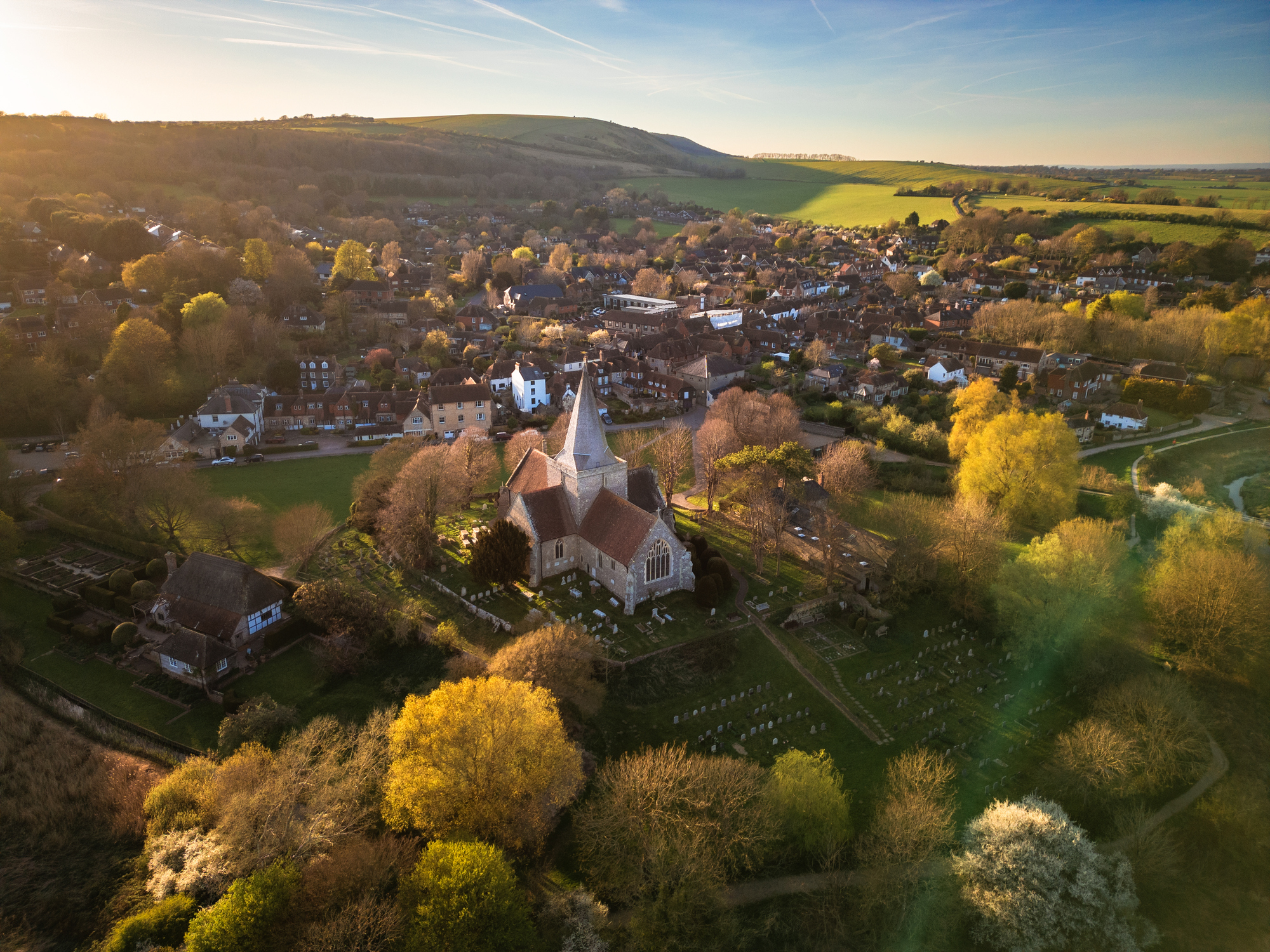
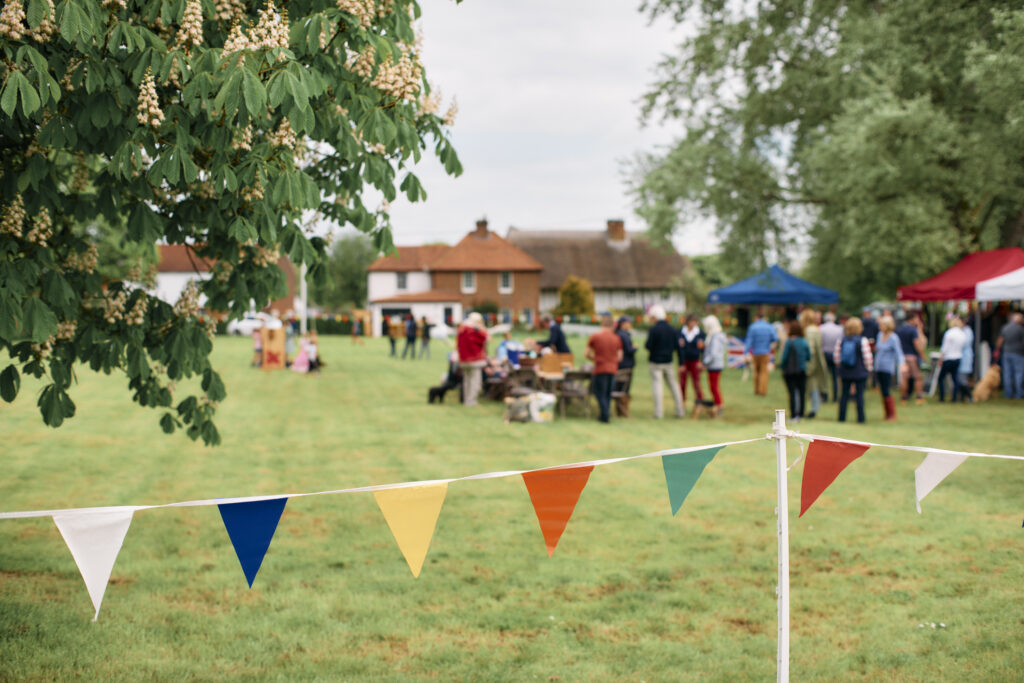
There is an image of England that never quite loses its hold on the imagination, especially during the summer months. Cricket on the green on a balmy afternoon. A fête in full swing complete with tug of war, a dog show and a cake stall stacked with Victoria sponges baked by the locals. Cottages with roses around the door. An ancient church that has been central to the community for generations.
The English village is, on one level, a romantic ideal. And yet it is also a very real and vital part of modern life – not simply as an archetypal symbol of Englishness, but as a place people of all ages and backgrounds continue actively to choose to live.
As a buying agent working across Surrey, Sussex and the wider Home Counties, I spend much of my time driving clients through villages they have never visited before, watching for that almost imperceptible shift in mood when they arrive somewhere that feels right. It is rarely about the house alone. The decisive moment often comes when they spot the cricket green, the pub terrace filling up on a Friday evening, or a queue forming outside the village shop.
“On the edge of a village” is one of the most common requests I hear. Clients generally do not want total isolation in a remote farmhouse at the end of a muddy track. The fantasy – and increasingly, the practical ambition – is a house close enough to walk to the pub, the shop, the church and the community.
After many years acting for buyers, I have come to recognise that when clients say they want village life, they are rarely talking purely about scenery or commute times. What they are searching for is something more consequential: connection, familiarity and being part of a community.
The post-pandemic search for connection
The appetite for village life has only strengthened since the pandemic. According to the Government’s latest Statistical Digest of Rural England, net internal migration continues to favour rural areas, with more people moving from towns and cities into the countryside than the other way around. Meanwhile, according to Nationwide Building Society, house prices in predominantly rural areas rose by 23 per cent between 2019 and 2024, compared with 18 per cent in predominantly urban areas. (nationwide.co.uk) What began as the “race for space” has matured into something more lasting: a search for connection.
Clients rarely describe it in those terms initially. They talk about wanting their children outdoors more, or about needing more space or a better view. Yet those requests often carry an unspoken concern about modern life: the sense that people can feel profoundly lonely while surrounded by millions of others.
I see this particularly among buyers seeking to move out of London. While they may have lived in the capital for years, they feel the transitional nature of city living prevents them from putting down roots properly. Increasingly, they are looking for what villages still offer remarkably well: interdependence.
One family I am advising is moving with an elderly mother who has lived an extremely social life in London and is understandably anxious about leaving it behind. Their brief is not simply about square footage or proximity to a station. They want a village where she can integrate quickly; somewhere with a church community, local groups and enough activity to make day-to-day life feel engaging and interesting.
This desire for both connection and ‘buzz’ spans generations. Young families are drawn by toddler groups, village schools and the chance for their children to grow up as part of a small community. Downsizers increasingly see villages as a form of future-proofing: places where they can walk to amenities, remain socially active and rely on local support networks if driving eventually becomes difficult.
The infrastructure of belonging
The best villages function almost like miniature ecosystems. The village shop is no longer merely somewhere to buy milk. Increasingly, it has become a deli, café and informal social club rolled into one.
Having been used to the convenience of the city, clients moving from London often fear a sense of being “cut off” when they move to the country. They yearn for a focal point. During a client orientation tour, I always make a point to take them to a village coffee shop to assuage these fears and more often than not, I see a smile of relief cross their faces as they recognise the sense of a like-minded community. One client laughed in delight when she discovered her former favourite barista from London now co-owned the local village café we stopped at. Suffice to say, they went on to buy in that village.
On another client tour, we stopped at a village shop in Dunsfold, south-west Surrey. Behind the till was an old school friend of mine who volunteers there now her children have grown up. “I wanted to give something back to the community,” she told me. That spirit of participation rather than passive consumption is exactly what many buyers are searching for.
The village pub occupies a similar emotional territory. The best rural pubs understand they cannot survive purely as polished gastronomic destinations. They still want muddy dogs under tables, farmers nursing pints at the bar and regulars dropping in for a pie and a catch-up with friends over a glass of wine.
The perennial charm of the village fête
There is a nostalgic element to all this. Villages embody a version of England many people fear is disappearing, yet the local fête remains one of the clearest expressions of communal life in modern Britain.
I often encourage nervous London buyers to visit a village during its fête weekend if they want to understand what life there could actually feel like. You see everything in a single afternoon: the volunteers, the children tearing across the green, the retirees pouring tea and the committee members trying to organise the raffle.
Not only are fêtes charming, they are also remarkably democratic occasions. One of the things clients often find most refreshing is the levelling effect of village life. At a fête, a highly successful businessman may be hammering tent pegs into the ground alongside a local builder or teacher. Everyone contributes, which is key.
Villages do not simply “happen”. Their appeal relies on people willing to organise, volunteer and participate. In fact, many long-standing residents welcome newcomers precisely because they bring fresh energy. The stereotype of rural suspicion towards outsiders is often overstated. In reality, villages benefit enormously from people willing to coach football teams, listen to local school children read, run plant stalls or join parish committees.
Why village schools are becoming more attractive
Schools remain another powerful draw. Many buyers moving from London initially assume they will continue down the private-school route, but that is beginning to shift. The combination of rising fees and VAT changes has prompted many families to reconsider local state education.
Some village schools that once operated mixed-age classes now run full single-year intakes because demand has grown so dramatically. Parents value the intimacy of smaller schools and the way they embed families into local life almost immediately.
Community as a modern luxury
The appeal of village living also reflects wider social anxieties. Britain has become more digitally connected yet, in many ways, less communal. Hybrid working means many professionals spend long stretches of time alone at home.
Villages, by contrast, still create natural points of contact. There are opportunities to bump into a neighbour while out dog walking. There are WhatsApp groups organising lifts to hospital appointments for elderly residents. Volunteer drivers take neighbours to GP surgeries. Rambling clubs gather at cafés after walks. Church halls host everything from yoga classes to children’s parties. These details may sound quaint, but they are increasingly valuable in a fragmented society.
Seeing village life at its most authentic
As buying agents, our role extends well beyond property. A beautiful house in the wrong village will rarely make a client happy long-term. Understanding whether a community is sociable and intergenerational matters just as much as understanding square footage and commute times.
In an age when so much of modern life can feel transient and anonymous, the English village still offers the reassuring possibility that people might genuinely know – and look after – one another.
Katherine Watters is our specialist Partner in the Southern Home Counties
We use cookies to improve user experience and analyze website traffic. By clicking “Accept,” you agree to our website’s cookie use as described in our Cookie Policy.
This website uses cookies to improve your experience while you navigate through the website. Out of these, the cookies that are categorized as necessary are stored on your browser as they are essential for the working of basic functionalities of the website. We also use third-party cookies that help us analyze and understand how you use this website. These cookies will be stored in your browser only with your consent. You also have the option to opt-out of these cookies. But opting out of some of these cookies may affect your browsing experience.
Necessary cookies are absolutely essential for the website to function properly. These cookies ensure basic functionalities and security features of the website, anonymously.
Cookie
Duration
Description
cookielawinfo-checkbox-analytics
11 months
This cookie is set by GDPR Cookie Consent plugin. The cookie is used to store the user consent for the cookies in the category "Analytics".
cookielawinfo-checkbox-functional
11 months
The cookie is set by GDPR cookie consent to record the user consent for the cookies in the category "Functional".
cookielawinfo-checkbox-necessary
11 months
This cookie is set by GDPR Cookie Consent plugin. The cookies is used to store the user consent for the cookies in the category "Necessary".
cookielawinfo-checkbox-others
11 months
This cookie is set by GDPR Cookie Consent plugin. The cookie is used to store the user consent for the cookies in the category "Other.
cookielawinfo-checkbox-performance
11 months
This cookie is set by GDPR Cookie Consent plugin. The cookie is used to store the user consent for the cookies in the category "Performance".
viewed_cookie_policy
11 months
The cookie is set by the GDPR Cookie Consent plugin and is used to store whether or not user has consented to the use of cookies. It does not store any personal data.
Functional cookies help to perform certain functionalities like sharing the content of the website on social media platforms, collect feedbacks, and other third-party features.
Performance cookies are used to understand and analyze the key performance indexes of the website which helps in delivering a better user experience for the visitors.
Analytical cookies are used to understand how visitors interact with the website. These cookies help provide information on metrics the number of visitors, bounce rate, traffic source, etc.
Advertisement cookies are used to provide visitors with relevant ads and marketing campaigns. These cookies track visitors across websites and collect information to provide customized ads.