Why South-West London Property Prices Now Rival Central London

The best houses in Wimbledon Village, Richmond and Barnes are bought, refurbished, lived in for a generation, and many never reach the open market. Our Partner and south-west London specialist James Burridge reflects on what that scarcity now means for buyers and for the renovations that follow
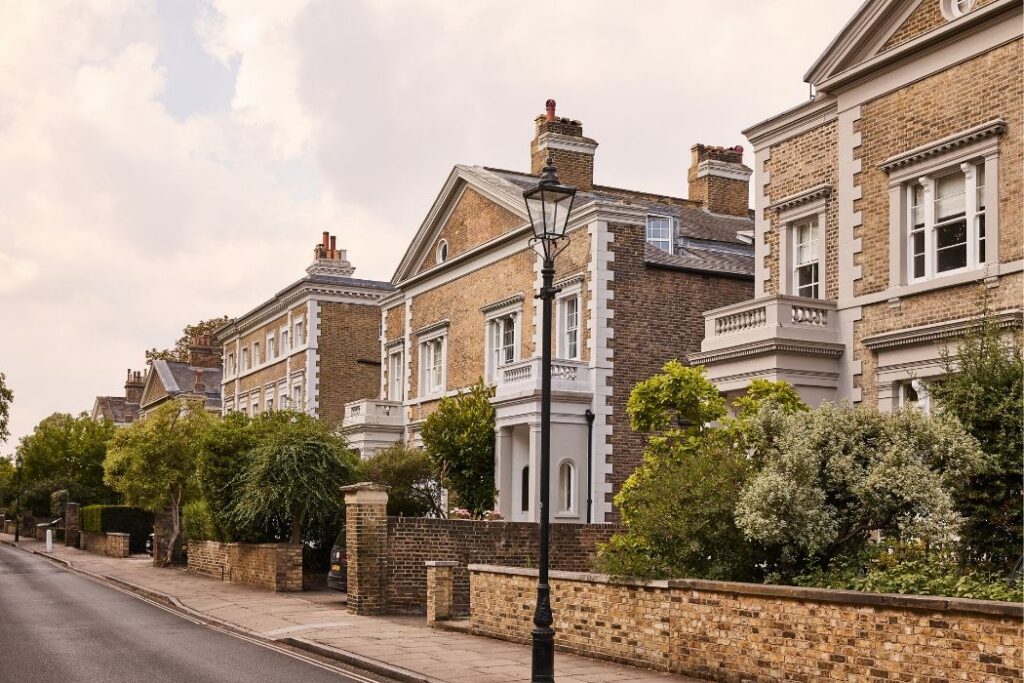
The Buying Solution, Richmond, London. specialist Partner James Burridge
Richmond, London

In parts of south-west London, a house now costs as much as its equivalent in central London, and in some cases more. Not so long ago the idea would have been inconceivable, yet now Wimbledon Village, Richmond, Barnes and the better parts of Fulham are no longer the sensible alternative to Chelsea’s Kings Road. For many families, they are now the prime destination.

That reflects the growing appeal of this corner of London and the fundamental shift of how we now buy homes. A family’s property life once followed a comfortable script: you bought a two-bed flat, then a cottage, then a house, climbing the ladder as life demanded. Since stamp duty changed in 2014, the buyers I meet – domestic and international alike – tell me they must now live in the house for 10-15 years. So the home has to see a family through several life stages: too big at the start, about right in the middle, too big again at the end.

With so much riding on one purchase, people look hard at what £5 million actually buys. North of the river, it can get you a fairly tall, skinny house. Cross to Wimbledon Village, Wandsworth Common or Richmond and it buys something far wider and lower built, with a bigger garden, off-street parking and good schooling all around. Proximity to the Kings Road is no longer a necessity. A decent high street will do, with its coffee shops, high-end clothing stores and Waitrose, and a more village-like feel thrown in.

Why price per square foot is misleading

Of course, prime Notting Hill remains more expensive than Wimbledon Village, but parts of the lower end of the Kings Road and the better parts of Fulham are now drawing level on price. And people are paying a great deal for low, wide houses around Wandsworth Common, Wimbledon Common and Richmond Hill. £2,000 a square foot is no longer a high-water mark here.

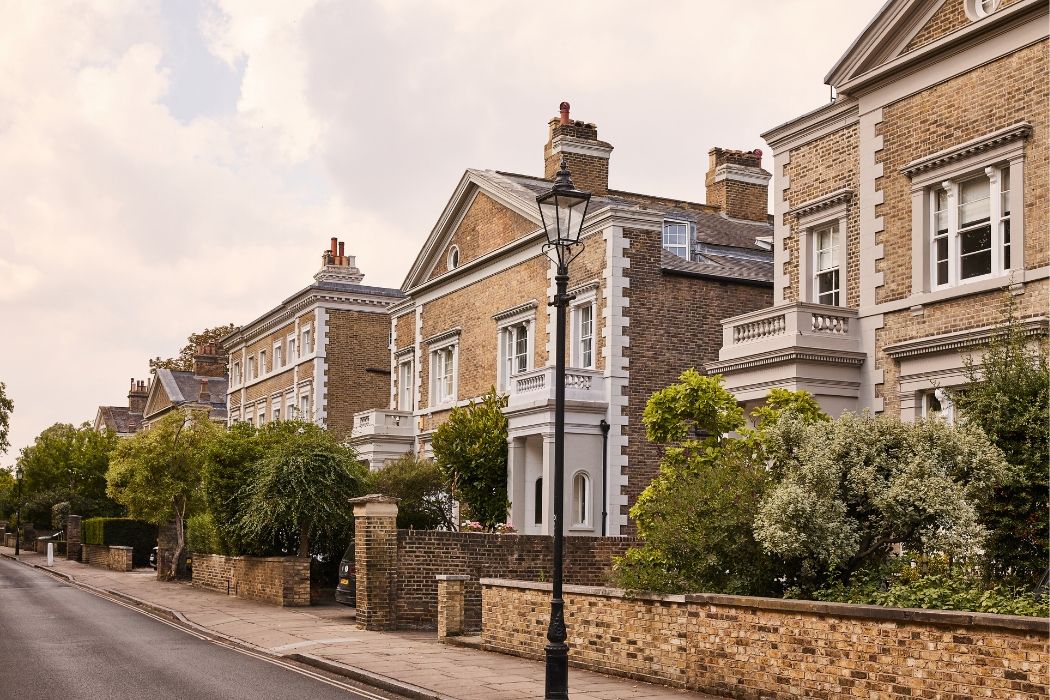
Walk into a £5 million house in Paultons Square in Chelsea and you think, “Lovely, but I expected more.” Walk into a really good house two miles away on the Toast Rack – an enclave of grand late-Victorian and Edwardian townhouses and semi-detached properties near Wandsworth Common – and the difference is immediately apparent: in the width, the depth, the parking and a decent garden. Some pockets are now more expensive, but the quality of the homes is so much better.

Which is why getting hung up on the price per square foot is a fool’s errand, particularly as the figure is calculated on the house, not the garden. Value a house in Paultons Square with a 30-foot garden against one on Wimbledon Common with 150 feet of outside space, and the pounds per square foot will look similar. Yet there is a substantial value in that land which the number never captures. Look at the whole package, not just the house – the elusive off-street parking, the extra-large garden, a five-minute walk to the high street.

The question that matters most is repeatability. If we see a house like this just once a year, or even once every few years, it is very special indeed. If we see one once a quarter, it is rather less so. It’s a term that can be thrown around too lightly but these are generational homes. If someone buys a house on Marryat Road in Wimbledon Village, or Montague Road on Richmond Hill, refurbishes it and stays put, it may not become available again for 30 years.

The logjam within the prime London market

This brings me to the frustration that defines this market. Many long-standing owners bought in the 1980s or 1990s, their children have flown the nest and they are rattling around in a house they no longer need, yet there is little financial benefit in downsizing. Move from a £5 million house full of memories to a £3 million one, pay 12 or 13% stamp duty on the purchase, then refurbish, and there is not a huge amount left over.

The people who would trade up into those family houses are not able to unlock these special homes; it is a logjam at every level. These houses can sit in negative equity for a very long time, so now more than ever you cannot afford to get it wrong.

Even then, the house you want may never appear and above £5 million, properties generally do not reach the open market at all. They trade discretely and nobody knows they have come and gone. I estimate that around 75% of property over £3 million never hits the open market, of which a similar percentage need refurbishment.

That is why working with expert representation like ours becomes such a worthy investment. We unearth off market opportunities and undertake thorough due diligence to ensure the purchase is sound for years to come.
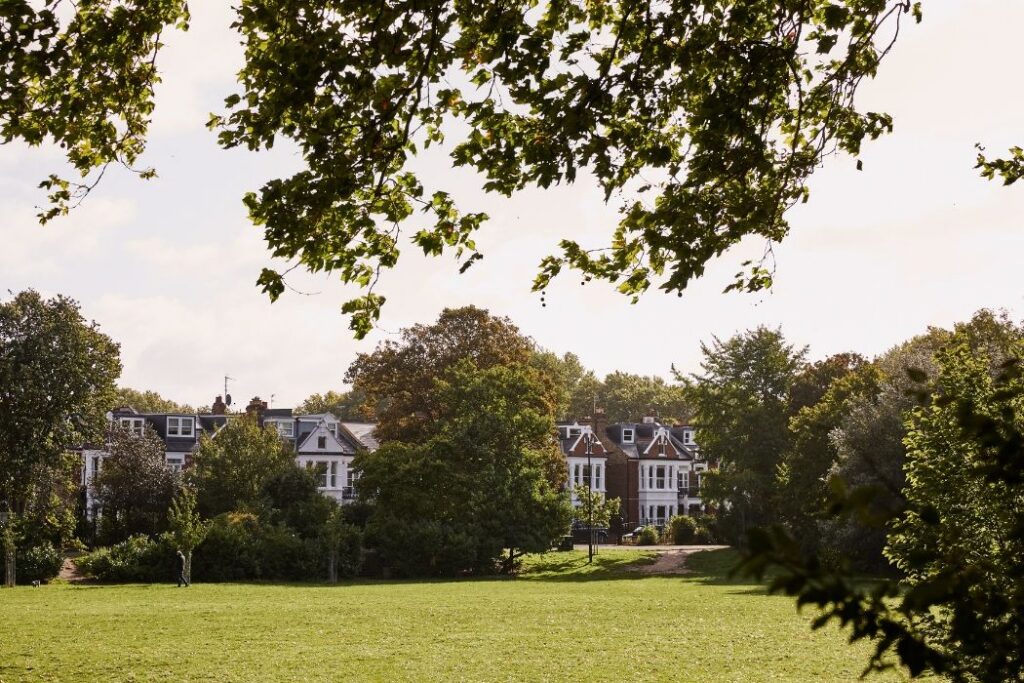
The Buying Solution, houses next to green open space in Fulham, London. Specialist Partner James Burridge
Fulham, London

Why being open-minded to a project pays dividends

Around 90% of clients begin their search by telling me they do not want a project. Perhaps 75% of those end up transacting on a home that needs updating. Turnkey houses do exist and command a premium of perhaps 10 or even 20%, but there are very few of them.

Look at 10 homes, find that seven need substantial refurbishment and none are truly turnkey, and the realisation lands that you have been limiting your search. Those who accept this earlier end up in their next home sooner.

The projects themselves can run from a new kitchen, bathrooms and redecoration at the minimum to replumbing, rewiring and digging basements. The topic growing fastest in refurbishment conversations is the requirement for air conditioning, which is now front and centre of almost every search.

Substantial works involve planning applications, architects and structural engineers and very few clients come with that depth of team. We can make those introductions to the most sought-after professionals, beginning with a project manager, an architect and a planning consultant, then building out to quantity surveyors and the rest. Having someone acting solely on your behalf who you trust helps enormously, and it gets people off the mark far quicker.

Timing is a lever too and very few people realise the lead times – with planning, detailed drawings, specification of works and tender, it is probably six months before a spade goes in the ground. So where we can, we negotiate a longer completion date, at which point the client has paid only a 10% deposit, but can put a planning application in and start the design and specification of works. Once you have completed, the house is empty and you are on the clock. This way, you hit the ground running.

In Barnes Village, we recently completed on a house for a couple with a young child who wanted to put down roots near friends and find a home they could stay in for the next 20 years. They will do a large ground floor extension and extend the first and top floors, which is likely a two-year project, so we delayed completion to let them organise as much as possible beforehand.

In Wimbledon Village, we bought a property last year for a client who was downsizing and wanted the village on her doorstep so she would not need the car. She has future-proofed the house by installing a lift, so she never has to move again. The purchase was an 18-month project, as the property had previously been divided into two flats, and we waited for the vendor to get permission to put them back together, which took the planning risk away.

Planning restrictions in prime south-west London

Many of the neighbourhoods I work in, such as Richmond, Wimbledon Village, Fulham and Barnes, contain some of the most architecturally significant conservation areas in south-west London. They are protected so that their historical character survives, which means that standard permitted development rights are tightly restricted.

Few properties are nationally listed, but many are locally listed or classed by the borough as Buildings of Townscape Merit (BTMs). So normal planning rules apply, yet scrutiny is much higher on external alterations such as replacing windows and front roof extensions.

How restrictive planning is depends on how far you push the envelope. On terraces and semi-detached houses, the tone of the road rules. If nobody has done a front mansard, do not even bother applying. Basements under terraces are also difficult to get approved as boroughs are very risk-averse. Larger detached houses with good depth, front and back, can push the boundaries more.

The evolution of the neighbourhoods I call home

I grew up in Wimbledon and now live in Fulham with my family, and the high streets have improved substantially in that time. Where once you may have had a Pizza Express you will now find the likes of Sticks’n’Sushi, The Ivy, even Scott’s – brands you would once have found only in the smartest parts of London.

The big occasions are marked a lot more extravagantly too. Wimbledon Village now looks little different from Holland Park at Halloween, with huge displays outside the houses. Before we had children, my wife and I used to tour the grandest neighbourhoods of central London on the back of my scooter every year to see the Christmas lights and displays. You no longer need to leave south-west London to do it!

All of which helps explain why families are putting down roots here, and why they do so with such care. A home that must carry you through several stages of life, in a market where exceptional houses rarely appear, leaves little room for error. Whether it is finding the house before it reaches the open market, accepting early that it will most likely need work, or having the right team in place by the time you complete, the aim is the same: to get it right first time, so that our clients can spend the next 20 years enjoying it.

James Burridge The Buying Solution

James Burridge is our specialist Partner in London

For news, expert commentary and invaluable property insight, subscribe to The Insider, our quarterly newsletter, here.
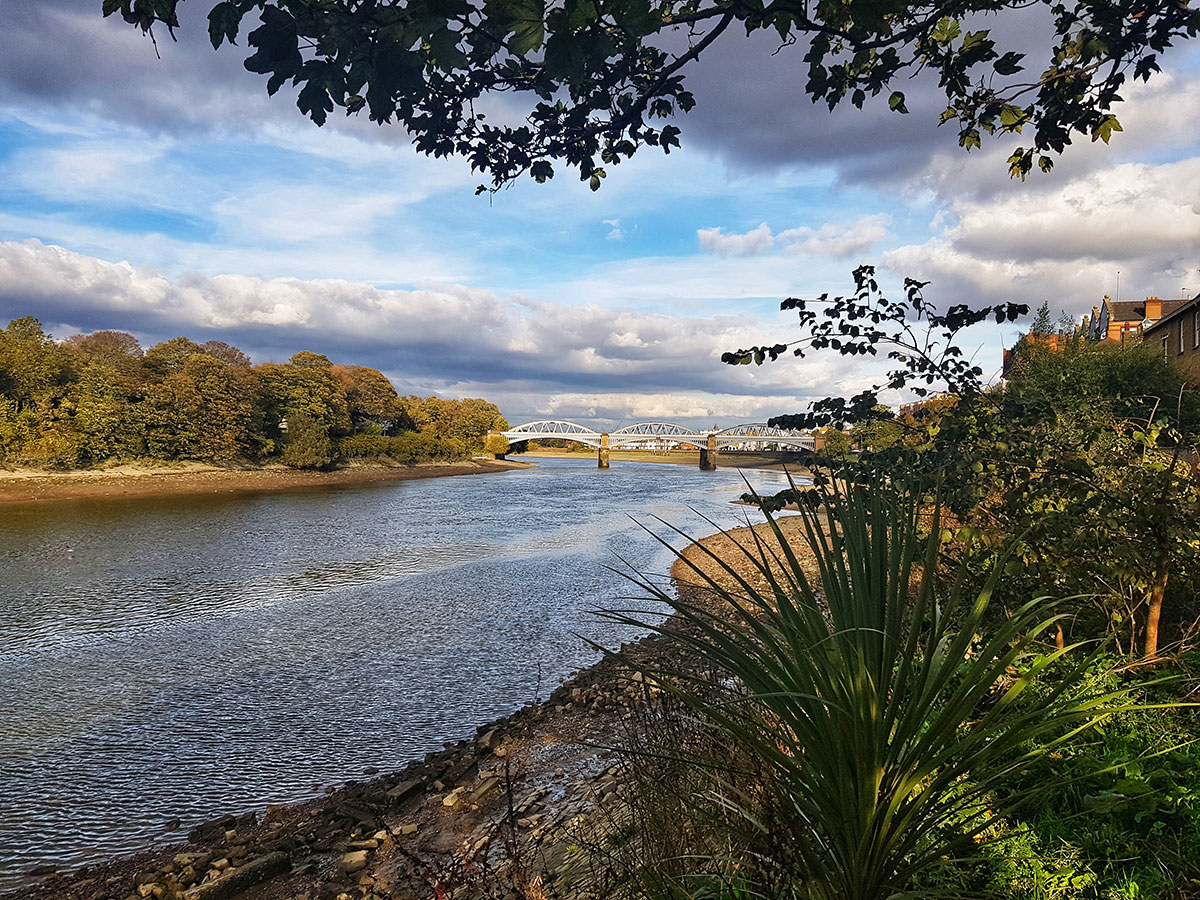
Where to Find a Village Way of Life in South-West London

With its vast green parks and commons, lively communities and historic charm, south-west London provides a village feel alongside plenty of luxury amenities – and its popularity is booming. Our Partner James Burridge explains more.

Wider houses, larger gardens, high-performing schools, off-street parking and fast connections into both central London and Heathrow make south-west London’s ‘villages’ highly desirable neighbourhoods.

Considering the steep rise in stamp duty, those searching for a generational family home should be looking for a space that they can grow into, not out of – where they can stay for the next decade plus. Gardens being more important than ever. Value-wise, the south-west pocket is becoming a lot more interesting and offers breathing space from the fast pace of central London.

Richmond

Richmond offers both stately riverside elegance and more tranquil countryside calm, thanks to Richmond Park – one of the largest urban parks in Europe. Its Georgian townhouses, smart period villas and grand detached homes attract families looking for space and community.

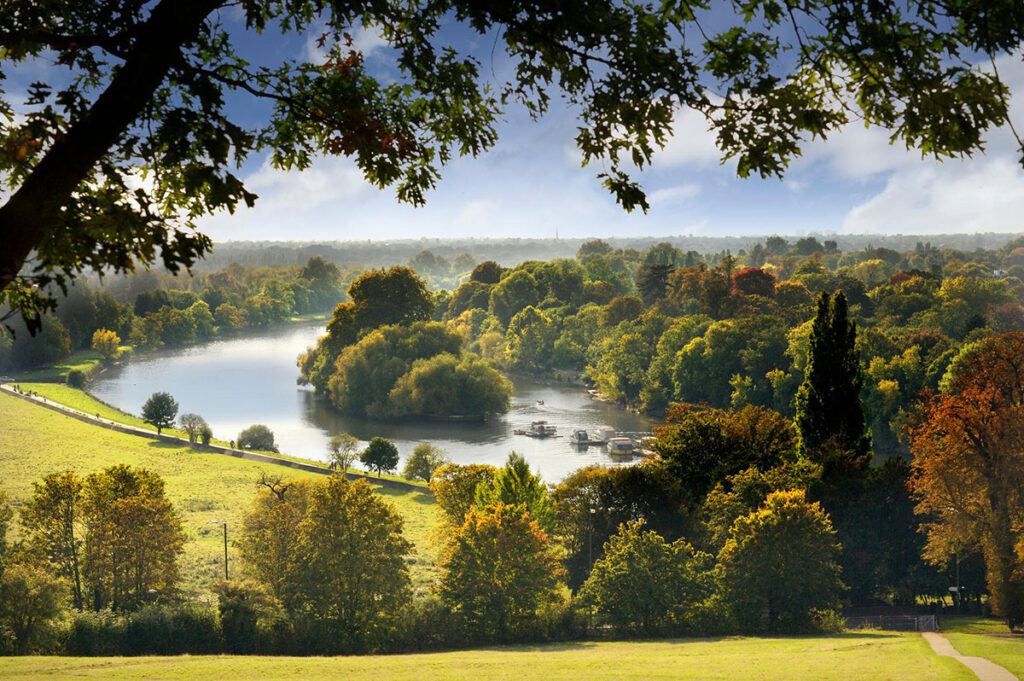
The celebrated view of the tree-lined Thames from Richmond Hill – the most desirable enclave of Richmond, popular with everyone from rock stars to playwrights – wouldn’t look out of place in the Chilterns. Yet its fast rail links and Elizabeth Line connections via Twickenham make it an easy commute into central London.

Pedestrianised streets such as Paved Court and the smaller lanes leading past Wisteria-clad Georgian houses to the Green offer a village feel. While the likes of Petersham Nurseries with its Michelin Green Star restaurant, Scott’s Richmond seafood restaurant on the riverside and nearby Ham Polo Club ensure an air of luxury.

I worked with a lovely couple over the Summer who were moving to London from America. They didn’t know the prime South-West London villages well, but knew they wanted to immerse themselves in a strong sense of community. We looked at a few different areas, landing on Richmond. We secured them a beautiful home there with amazing green space all around them.

Barnes

Further east, tucked into a bend in the river, Barnes is another favourite with its duck pond, farmers’ market, handsome period streets and riverside walks – it feels very akin to a Sussex village. Venture into the heart of Barnes Common Nature Reserve or the London Wetland Centre and you feel far removed from the busy city, yet access to central London is quicker than many expect – just 25 minutes to Waterloo.

Lots of people own dogs here and there are many scenic walks to enjoy with them, together with thriving independent shops including a butcher, cheese shop, wine merchants and bookshop. Barnes is also very well served by high performing state and independent schools, such as the Harrodian, St Paul’s School and the international Swedish School and which serve as a huge draw to the area.

Wimbledon Village

Further south, Wimbledon Village next to the charmingly rural Common is home to low-ceilinged traditional pubs, horse riding stables, a nature reserve and a weekly farmers’ market – as well as some of the most desirable homes in south-west London.

The streets leading off the Common are among its most coveted, with everything within an easy distance – from muddy wooded trails and bridleways in one direction, to designer shops in the other.

Wimbledon offers fantastic schools, such as Kings’ College School Wimbledon, open green spaces and community all within striking distance of the City. There’s no shortage of luxury here either, with The Ivy Café, the Royal Wimbledon Golf Club, a Third Space health club and, of course, the world-renowned All England Lawn Tennis Club. 

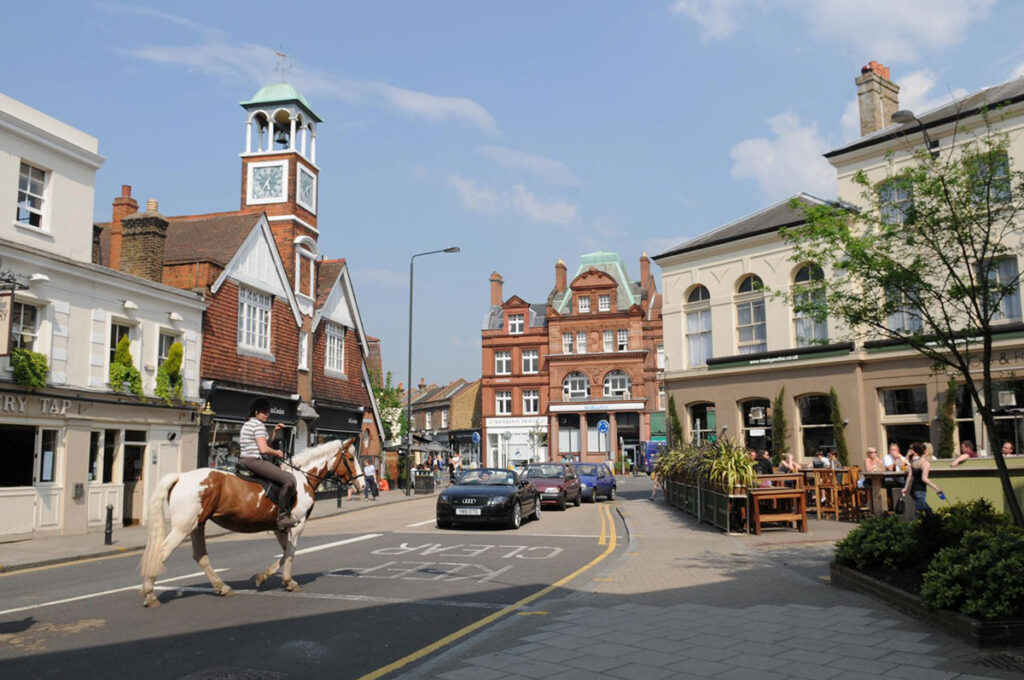
Horse crossing the road in Wimbledon Village, South-West London

Fulham and Parsons Green

Across the Thames, Fulham and Parsons Green have seen a quiet transformation in recent years. Once considered a more affordable alternative to Chelsea, these areas now command significant premiums, especially around the Green itself and Peterborough Estate.

The housing stock here – a mix of Victorian terraces and large family houses – has become particularly attractive to young families moving out of more central areas. Doria Road and St Dionis Road, leading towards the leafy green, are very pretty and popular addresses.

Fulham’s Alphabet Streets that form a grid running between Fulham Palace Road and the river offer beautiful Victorian houses with larger gardens and wide proportions. The green space of Bishops Park and the Thames Path is on your doorstep – ideal for walking, running and cycling. There are plenty of dog-friendly cafes and traditional pubs in the area – Tinto Coffee on Fulham Palace Road is a favourite.

Dulwich Village

Strictly south-east London, Dulwich Village offers a slightly more off-the-radar option, but one that punches well above its weight with its Georgian architecture, strong community spirit, even local riding stables.

The renowned Dulwich Picture Gallery houses works by Gainsborough and Rembrandt and hosts a weekly farmers’ market in its grounds. There are top schools on its doorstep, including Dulwich College and James Allen’s Girls’ School – the oldest independent girls’ school in London – and it is also very well connected.

Areas like Dulwich Village have increased in demand with clients of ours over the past decade. I recently acted for a young family moving out of East London looking for a family home with a good garden, so the search was very much house led. We looked at Barnes, Richmond and Wimbledon before settling in Dulwich. We bought a house within walking distance of Dulwich Village because they fell for its village-like charm.

James Burridge is our specialist Partner in Central and South-West London. Read more from James on the rise of south-west London’s prime market here.

For news, expert commentary and invaluable property insight, subscribe to The Insider, our quarterly newsletter, here.
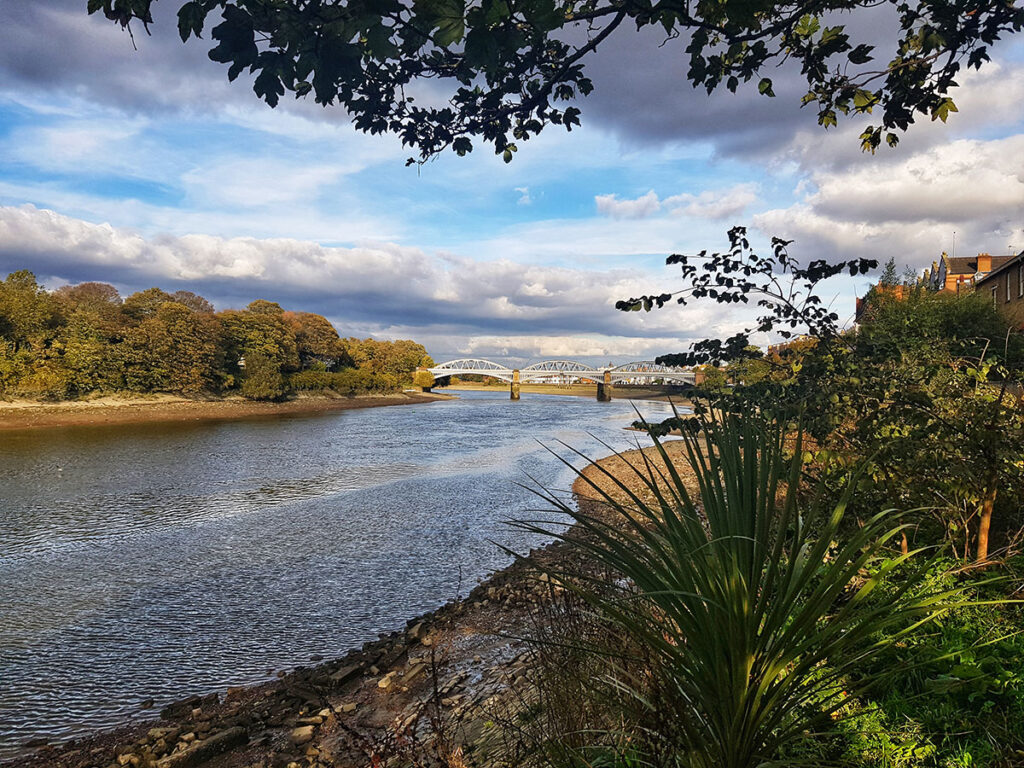
The Rise of South-West London’s Prime Market

Expansive family homes, generous gardens, green spaces and no shortage of luxury amenities; prime property in London’s south-west pocket is more desirable than ever. Our Partner, James Burridge, explains what’s driving the recent surge in activity, where to find the area’s most exceptional properties and how to seal success in this complex market

Once rather dismissively labelled ‘suburbia’ by our grandparents, who would have questioned our sanity in moving out of Kensington or Chelsea, south-west London has been experiencing a surge in activity in recent times – and for good reason.

A large part of the appeal of south-west London is that its housing stock is more in keeping with the way we want to live. Houses here are lower, wider and with larger gardens and there are less strict planning controls than in central London. A standard townhouse in Chelsea is around 16ft wide. Go to Richmond or Wimbledon and you’ll see 40ft wide houses with 100ft gardens and off-street parking. In central London you’d have to pay north of £20m for that amount of space; in Wimbledon it can be half that, or even less depending on where you’re looking.

The ‘villages’ in this corner of the capital retain a sense of community and character alongside an abundance of green, open spaces – all within easy reach of central London. And you’re not devoid of luxury here. Restaurants such as Scotts Richmond – sister restaurant to its Mayfair stalwart – Michelin-starred Trinity in Clapham and Chez Bruce in Wandsworth are perennially popular. Recent openings such as luxury health club Third Space in Wimbledon and family-friendly members’ club Jesse’s House in Parsons Green further elevate these already affluent areas.

Increasing numbers of buyers are now wising up to the area’s charm. According to the Coutts Prime Property Index for Q1 2025: “Much of the current activity is being driven by needs-based buyers, those looking in traditional family homes markets, in outer-prime markets such as Battersea, Clapham and Wandsworth and Wimbledon, Richmond, Putney and Barnes.”

The majority of my clients here are looking for large family homes to be their primary residence and the area’s renowned independent schools, such as Kings’ College School Wimbledon and St Paul’s School in Barnes, as well as several leading international schools, remain a key draw. The new co-educational Thomas’s College on Richmond Hill, opening in September, is further evidence of increasing demand. Securing a school place here now needs to be considered years in advance.

The good news is that there is more stock than there’s ever been, but the market is thin when it comes to best-in-class properties that require no work. Buyers who only want to be on Richmond Hill and spend between £4-6m, for example, will find that there’s very little to choose from. Encompass a wider area taking in Richmond, Barnes and St Margarets, and you suddenly have far more opportunities.

It is also becoming more of a global market. With its close proximity to Heathrow, the area is attracting growing interest from buyers from Western Europe, the Middle East, America, China and India. If we look a decade ahead, I think south-west London will be home to a far more international population – on a par with central London.

South-West London’s most Desirable Roads

Wimbledon’s most popular pockets are the roads off the Common, from where you can explore the heath and woodland on foot, bicycle or horseback and easily walk into the village. You can also walk down into the town to get the train into central London.

The streets between Wandsworth and Clapham Commons are also very popular, especially with young families. The area known as the ‘Toast Rack’ (named after its shape on a map) between Trinity Road and Wandsworth Common has substantial late 19th century houses, some of which back on to the Common, as well as fast connections into central London.

Richmond Hill remains the most desirable enclave of Richmond, noted for its celebrated view of the Thames [pictured at the top], as well as its famous residents over the years. Rockers Ronnie Wood and Pete Townsend have each owned the iconic Georgian mansion The Wick, while Mick Jagger and playwright Richard Sheriden are both previous owners of nearby Downe House. Across the river, houses backing on to the Trust Grounds of St Margarets have huge appeal. Owners have a key to the resident-only 12-acre gardens where there are lakes and tennis courts.

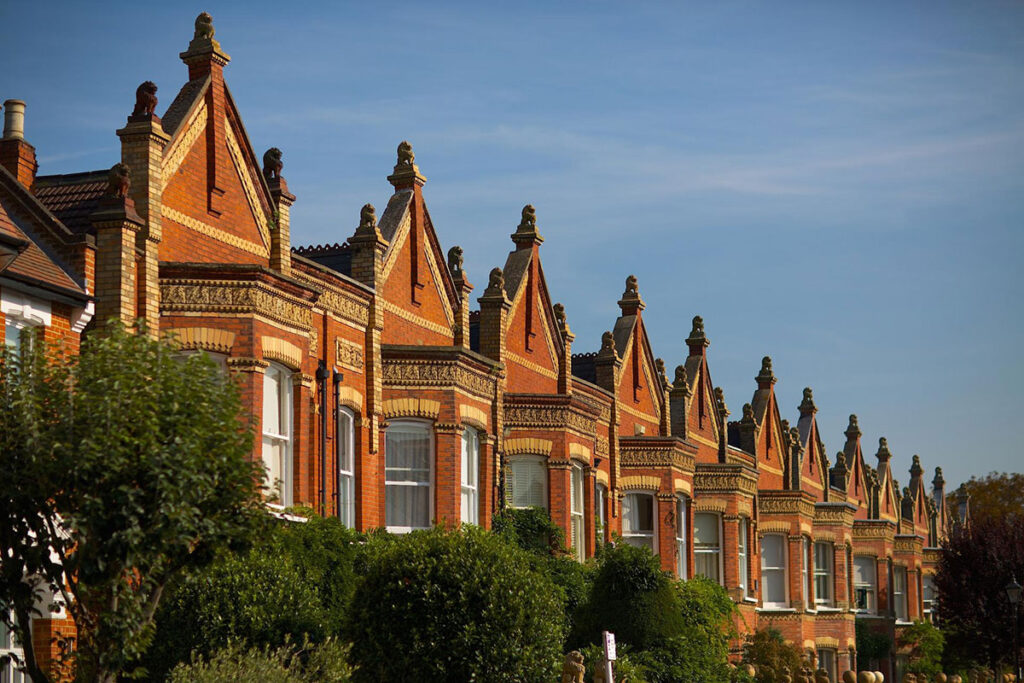
In Fulham, the Peterborough Estate conservation area – known for its distinctive red brick ‘Lion Houses’ – have long been popular. There’s also a perfect little pocket between Eel Brook Common and The White Horse and from Parsons Green down to New Kings Road. The Fulham market, in the mainstay, tops out at £4m-4.5m, but pricing is still very strong in these areas for good properties on the right roads. Houses that were £1,300 per sq ft, are now trading for £1,450 or even £1,500 per sq ft.

Further west in Barnes, properties close to the pond and large houses on Lonsdale Road with views of the river are among the most desirable. You will also find some exceptional classical villas on Castlenau. Once a very busy road, it now benefits from the indefinite closure of the Hammersmith Bridge to motor vehicles, making it much quieter.

Successful Purchases, Happy Clients

We recently secured a beautiful semi-detached house in Wimbledon Village for a couple who were downsizing. Initially set on something turnkey, they shifted their expectations due to limited stock — and with our support, are now working with an excellent team to renovate their new home in a prime, walkable location.

In Clapham, we acquired an almost 5,000 sq ft family house on one of the area’s best roads off the Common, off-market and through sealed bids. Properties of this scale and potential rarely come up – it’s a once-in-a-generation house and the kind of opportunity I see only once every couple of years.

And in Fulham, we have recently purchased an exceptional 4,000 sq ft house over looking green space for a family seeking a wide, low-built house with a large garden and off-street parking. We viewed it before it came to market and, with just a handful of such homes in the area, it’s a rare and exceptional find.

How to Stay Ahead in South-West London

It’s important to keep in mind that it takes longer than you think to find what you’re looking for in south-west London – a move could take up to 18 months. Without a high volume of stock, it takes a long time to get your eye in. You may need to see a dozen houses across a number of ‘villages’ to know if it’s where you want to be and it could take six months to see six good houses. There are even fewer houses available that don’t require any work.

That said, there are a lot of good buyers, so when the right thing comes along and the timing is right for our client, we have to act quickly – particularly as most of the stock that we see isn’t on the open market.

This means ensuring that our clients are exceptionally well informed, so that they have the knowledge and confidence to act swiftly when the opportunity arises.

James Burridge is The Buying Solution’s Partner in London

For news, expert commentary and invaluable property insight, subscribe to The Insider, our quarterly newsletter, here.

The Buying Solution in The Financial Times – Richmond-upon-Thames, London’s happy place — with a high price of entry

To read more, visit: https://www.ft.com/content/b4866bc6-9907-4f78-b900-3e1f3e23df51