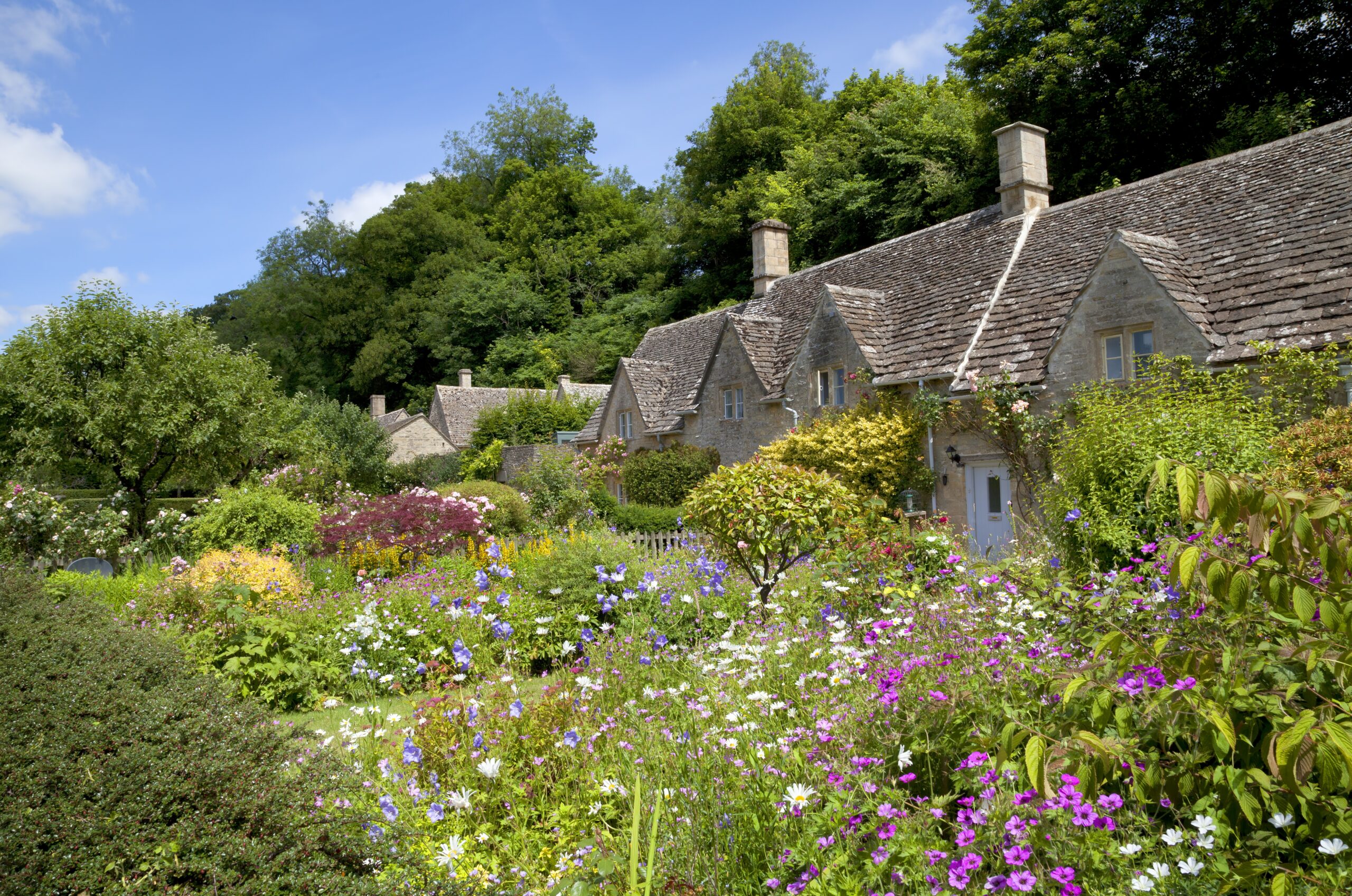
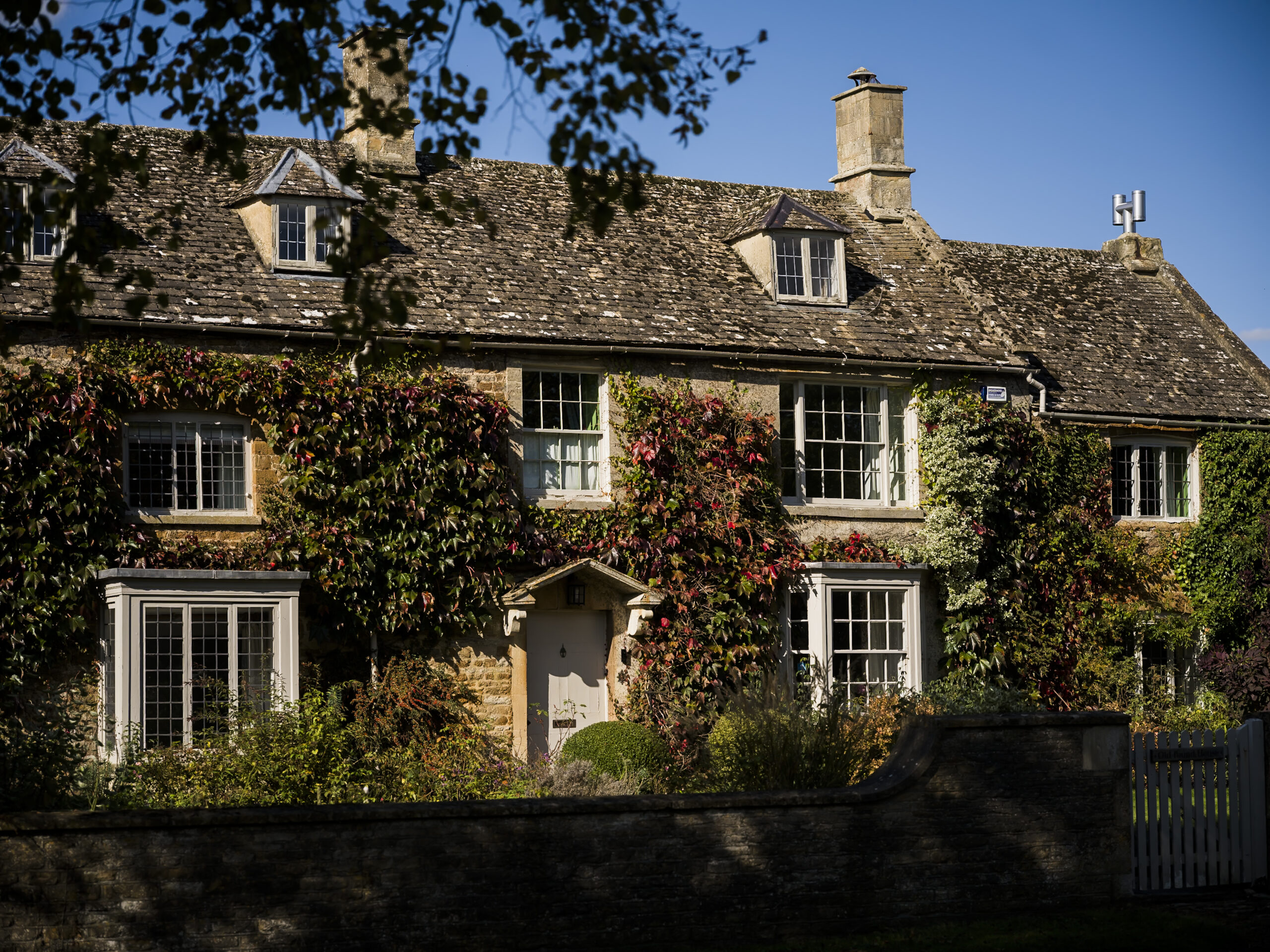
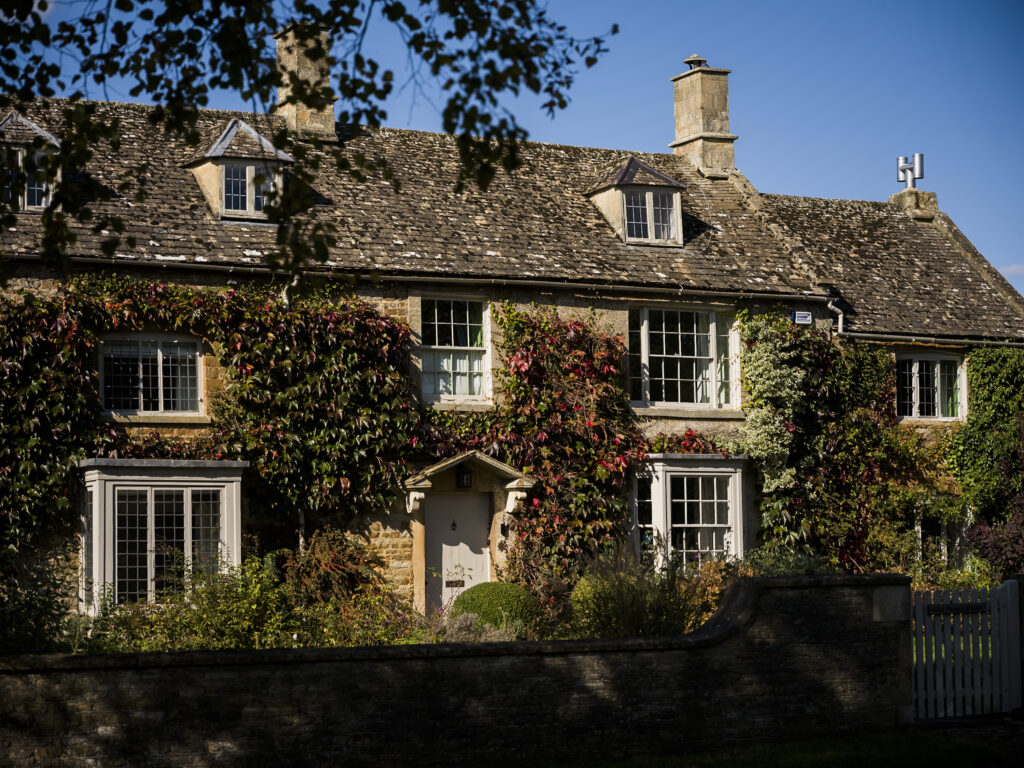
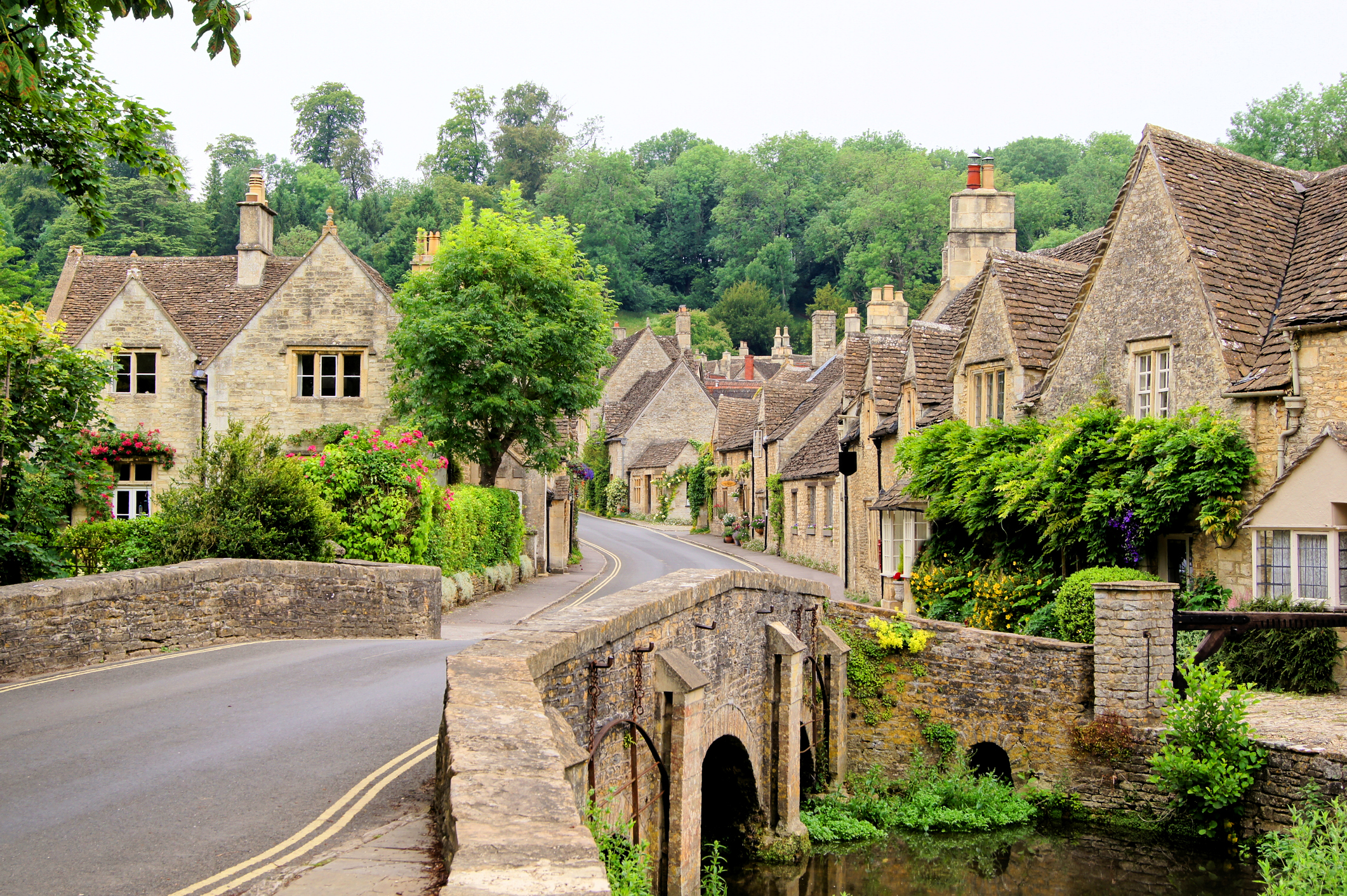
With series two of Rivals shining the spotlight on the Cotswolds once again, Lucy Clayton reports for the Financial Times on the region’s specialist agents to know when buying a home here. Our Partner and Head of the Cotswolds Harry Gladwin is one of them.
The Cotswolds remains one of England’s most coveted regions, drawing international buyers and fierce local competition in equal measure. As a result, Lucy Clayton writes in the Financial Times, buying here has become “a complex dance.”
With the most sought-after properties off-market and unsold for generations, the right buying agent isn’t a luxury – it’s essential. “Access is only guaranteed by an extraordinary reputation for trust and discretion – with or without an NDA,” says our Partner Harry Gladwin, as the FT collates the Who’s Who of the Cotswold’s finest specialist agents.
To pay for private school fees, growing numbers of families are rethinking where they live rather than compromise on their children’s education, reports Alexandra Goss in The Telegraph. It’s a trend that our Cotswolds buying agent Georgina Neil is seeing first hand, as she highlights in the article.
Sarah Frances Kelley for The Buying Solution
Rising school fees, following the addition of VAT, are redefining property decisions – especially above £1.2m, reports Alexandra Goss in The Telegraph.
“The dream is over for many ‘upsizers’ as school fees and the cost of running these homes – and the transactional costs of buying them in the first place – have become prohibitive for many,” our Cotswolds buying agent Georgina Neil comments in the article.
For internationally mobile families, education and lifestyle are driving relocation decisions more than ever. Demand for top-tier schools, combined with privacy, space and security, is putting the Home Counties firmly in focus.
Recent global events have brought a new seriousness to the relocation conversation. What were once lifestyle-led considerations – schooling, security and space – are now sitting firmly at the top of the priority list, and everything else is being filtered through them.
Decisions are no longer being made lightly, or purely aspirationally, but with a far greater emphasis on what day-to-day life will actually look like once the move is made. One of our Partners recently visited a house whose owners had everything in motion to relocate to Dubai, before global tensions prompted them to abruptly pull on the brakes. That crystallised the shift. When you are talking about moving children internationally, even to places that might once have felt like an obvious upgrade, the fundamentals come into very sharp relief.
Security, schooling, health and stability are now the most pressing questions, not the afterthoughts. We are often asked what we are seeing in the market for relocating families, and because we are constantly speaking to agents, applicants and buyers across the sector, you develop a very clear read on sentiment rather than simply tracking numbers.
Right now, that sentiment is measured. There is no frenzy, no pandemic-style urgency, but there is steady, considered movement. Our client base often includes families moving out of London and those returning or relocating from overseas, often prompted by a reassessment of priorities in uncertain times. It is not a boom market, but it is an active one, and it carries a very particular tone.
In that mindset, even the most traditional of settings – a vicarage in a pretty English village, a house set within an established market town – can suddenly feel newly relevant and reassuring.
Security: reassurance in different forms
Security comes up in almost every conversation, but rarely in the same way twice. There are clients for whom it is entirely practical and visible. They want cameras, alarm systems, secure perimeters all in place from day one. For them, security is paramount and provides the peace of mind they crave.
Then there is another group, often relocating from places such as the US or South Africa, who are moving away from environments where security is highly visible. For them, the appeal of the Home Counties is almost the opposite: it feels calm, established and understated. A prime residential road in a buzzy market town or a well-established village community are often seen as inherently reassuring, without needing to be fortified.
Against a backdrop of broader uncertainty elsewhere – whether environmental, political or insurance-related – the UK begins to feel comparatively stable and attractive.
Schooling: the anchor decision
If security sets the tone, schooling sets the geography. For many families, it is the starting point of the entire search.
The briefs are often highly specific. Some want walkability; with a station, café and school all within reach. Others are comfortable with a 15–20 minute drive to secure space and countryside. Others still prioritise privacy above all else, letting the school determine the radius of their search.
International schools remain important for globally mobile families seeking continuity and institutions such as ACS International Schools continue to play a key role in that space. But what has changed is permanence. More families are no longer here for a short posting; they are settling.
As a result, engagement with the UK independent sector is shifting, with schools such as Eton College, Bradfield College, St Andrew’s and Lambrook in Berkshire; Charterhouse in Surrey, Shiplake College in Oxfordshire, and Godstowe and Wycombe Abbey in Buckinghamshire increasingly forming part of a longer-term life plan, rather than a transitional arrangement. Even international schools are now focusing on local, long-term students, as that transitional world has changed.
The home, school and office triangle
At the centre of almost every relocation is the triangulation of home, school and office. Each carries equal weight. One pays the bills; one educates the children, and one is where family life comes together. The challenge is that they rarely align neatly.
A beautiful house in a rural setting may stretch the school run. A perfect school catchment may complicate access to London. A fast commute may come at the expense of space and lifestyle.
People often underestimate how these elements interact in real life. Door-to-desk commuting, school runs, train timetables, return journeys all compounds for better or worse. Much of our role in the Home Counties is helping clients to see not just the property, but what their life there would really look and feel like.
Space, nature and what “enough” looks like
There is also an emotional layer that runs through almost every search. Clients often talk about wanting their children to be “in nature”. Though slightly intangible, it is a very real driver. Green space, gardens and countryside access are consistently part of the brief.
The Home Counties offer this in abundance, but it is important to understand what that lifestyle actually means day to day. More rural living often means more driving. School friends live in different directions and daily logistics become more complex. Larger homes, pools, tennis courts, annexes and staff can all add lifestyle value but also cost and maintenance.
A large part of the process is helping clients separate what feels aspirational from what will genuinely improve everyday life.
Renting, buying and the shift towards commitment
Traditionally, renting has been the first step for many relocating families. In theory, it allows people to explore and experience areas before committing. In practice, outside London, the reality is very different.
The rental pool in the Home Counties is limited at the best of times. Once you factor in school catchments and specific location requirements, it becomes even narrower.
What often happens is compromise: families take what is available, rather than what is right. They then build a life with schools, routines and networks only to realise they would prefer a different base when they come to buy.
As a result, more clients are choosing to purchase earlier and get it right first time. It is more decisive, but often more aligned with long-term happiness.
Ultimately, the most successful relocations are those where clients acknowledge early on what they are leaving behind and are then far better placed to recognise what they stand to gain. When that balance is right, the move stops being purely practical and becomes something more positive and joyful.
For news, expert commentary and invaluable property insight, subscribe to The Insider, our quarterly newsletter, here.
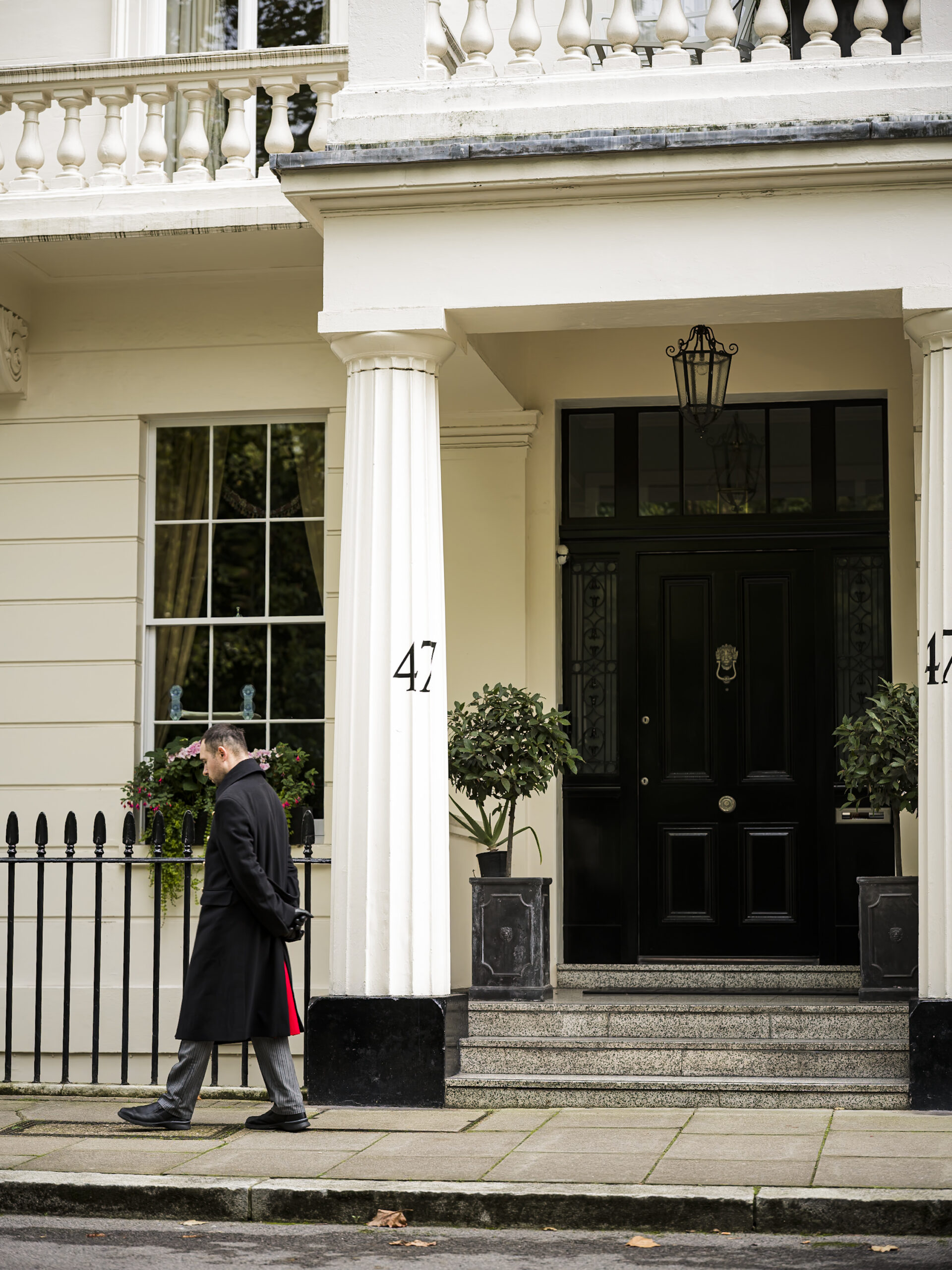
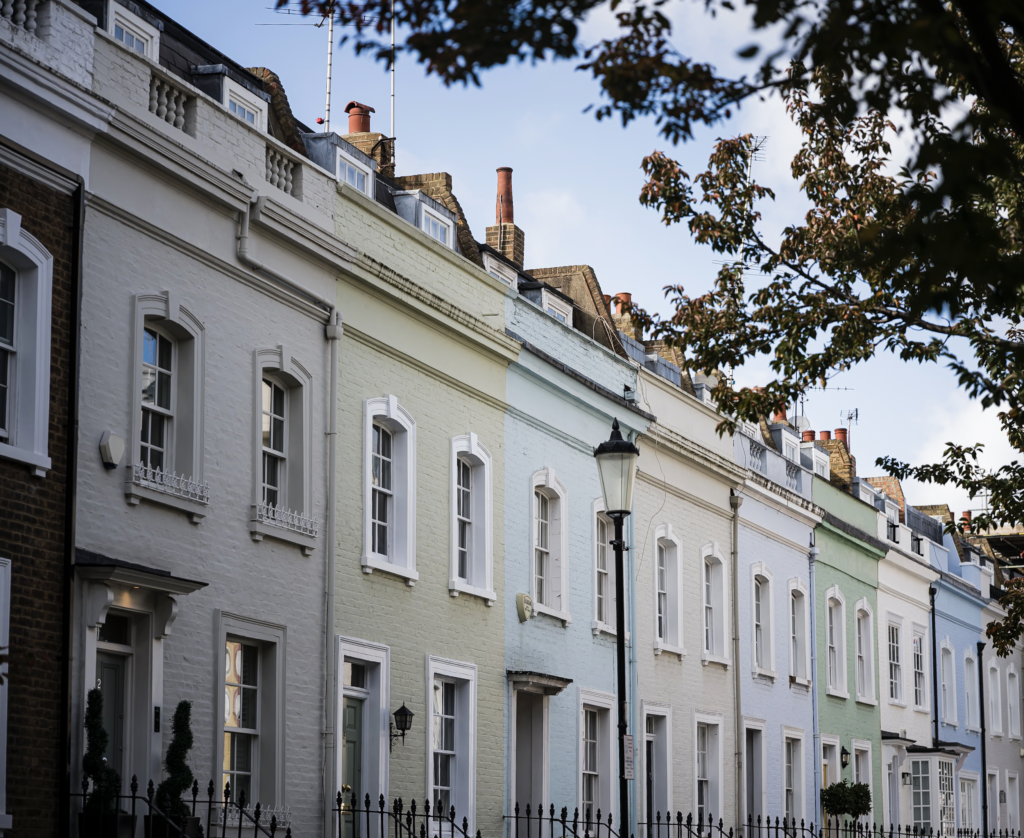
As crime headlines reshape perceptions of life in the capital, security has become an integral part of the property brief for buyers in prime central London. Yet the most effective safeguard is not technology or patrols, but discretion – both online and at home, writes our Partner and London specialist Philip Eastwood.
Sarah Frances Kelley for The Buying Solution
For much of the past two decades, the brief given to a prime central London buying agent has been reassuringly familiar: lateral space, period architecture, a garden square address, perhaps proximity to the best schools. Security, when mentioned at all, tended to mean little more than a functioning alarm system and a sturdy front door.
Today, that brief has evolved. Increasingly, security – and perhaps, more accurately, the perception of security – forms part of the conversation when clients consider purchasing property in the capital.
The reality, however, is more nuanced than the headlines might suggest. According to new analysis from the Mayor’s Office for Policing and Crime (MOPAC), many forms of crime in London are falling. In the first quarter of the 2025/26 financial year, residential burglary fell by 10 per cent compared with the same period the previous year, while theft from the person and personal robbery both declined by 13 per cent. These reductions follow increased investment in visible neighbourhood policing, including a significant uplift in officers on the beat in the West End and new town centre teams focused on tackling phone theft, shoplifting and antisocial behaviour.
Yet statistics rarely shape perceptions as powerfully as stories do. In an age of constant news alerts and social media feeds, a single incident can travel quickly through friendship circles and WhatsApp groups. Before long, everyone seems to know someone – or knows someone who knows someone – who has had a phone snatched or a watch stolen. The result is that security has begun to feature more prominently in property discussions, even as the broader data paints a more reassuring picture.
The Rise of the Discreet Street Patrol
One of the more visible developments can be seen in parts of Kensington and Chelsea, where residents of certain streets have collectively arranged private security. Typically, a security guard sits in a marked car overnight, occasionally walking residents from a taxi to their front door, keeping an eye on the street and acting as a visible presence and possible deterrent. Some patrols circulate periodically, sometimes with dogs, providing reassurance and peace of mind rather than enforcement. The effect is closer to the traditional “bobby on the beat” than to anything resembling private policing.
Fifteen years ago, such arrangements were uncommon. Today, they are increasingly familiar in prime neighbourhoods and in some cases, they are linked to large estates. Addresses on the Grosvenor Estate in Mayfair and Belgravia, for instance, benefit from long-established porterage and security systems – part of the discreet infrastructure that has historically made certain London squares particularly desirable.
Portable Wealth in a Digital Age
Part of the shift in how people think about security reflects something fundamental about how we now live. Twenty years ago, most people moved through London carrying relatively little of obvious value. A watch was simply a watch; a handbag was simply a handbag. Even if something was stolen, it was not always easy to sell on, nor was its value necessarily understood by the thief.
Today, however, we move through the city carrying what might reasonably be described as ‘portable assets’ as a matter of course: smartphones worth more than a month’s rent, watches whose resale values can exceed those of a car, handbags that prestigious auction houses now treat as investment categories.
The secondary market has expanded dramatically. Where once stolen goods required a discreet “fence” to sell them on, today a host of online platforms provide an immediate and global marketplace for resale. The economics of crime have changed.
At the same time, our digital habits have created an entirely new layer of exposure. Social media has normalised the public display of wardrobes, jewellery collections and travel plans to a global audience. From a security perspective, it is rather remarkable.
Announcing a two-week holiday on Instagram is, in effect, the modern equivalent of placing an advertisement that reads: Our house will be empty until the 14th. Posting photographs of newly acquired luxury items performs a similar function. With modest effort, someone inclined to do so can identify where photographs were taken, determine neighbourhoods and piece together patterns of movement.
For high-net-worth individuals in particular, managing one’s digital footprint has therefore become an increasingly important element of personal security. In many cases, it matters more than cameras or alarm systems. Discretion, therefore, remains the most effective safeguard of all.
Technology is No Silver Bullet
Clients may ask whether technology can offer a definitive answer. Smart doorbells, integrated alarm systems, remote monitoring, camera networks – the modern home can certainly be equipped with formidable security infrastructure. Many properties in prime London now include these features as standard.
Yet there is no technological silver bullet. Cameras may deter some criminals but are likely to just send determined ones next door. Alarm systems can reduce risk, but they do not eliminate it. Even the most sophisticated digital systems carry their own vulnerabilities. What’s to say they won’t be hacked? Security, ultimately, needs a layered approach, rather than a single solution.
Discreet Measures
The most effective measures tend to be the least visible. A well-positioned safe. A cautious approach to exterior lighting to prevent advertising the superior finish or interior of the house. Careful vetting of contractors and staff, and sensible habits around the display – both real and digital – of valuables.
Sometimes it is as simple as having two safes rather than one, a precaution adopted in certain households in case of forced entry. More extreme measures do exist, of course. Panic rooms, private bodyguards and other forms of high-end protection are certainly present in London. But they remain the exception rather than the rule, and when they are used, they are handled with the utmost discretion. Indeed, the defining characteristic of those who invest seriously in security is that they rarely talk about it.
A City That Remains Remarkably Liveable
None of this should be mistaken for alarmism. London today is, in many respects, far safer than it was in previous decades. Areas once considered marginal or even dangerous have become some of the city’s most desirable addresses – Notting Hill is a case in point. Neighbourhoods that would once have raised eyebrows now command extraordinary property prices.
Crime has always existed in large cities. What has changed is the way it is reported, discussed and perceived. We now live in an era of continuous information. Every incident, however small, can appear instantly on a news feed. The effect is cumulative: a sense that problems are everywhere, even when the broader picture is more reassuring.
A salient lesson for how quickly perceptions of safety can shift can be learned from Dubai. For years the emirate was held up by many international buyers as the ultimate safe haven: low crime, strong policing and a lifestyle where valuables could be worn or left in plain sight without concern. Some London residents even relocated there in search of precisely that sense of security.
Yet recent geopolitical tensions in the wider region have served as a terrible reminder that no global city exists entirely in isolation from risk. For internationally mobile families, it has reinforced a broader truth: safety is rarely absolute. Rather, it is a question of perception, context and prudent personal judgement – whether in London, Dubai or anywhere else.
The First Rule of Security
For property buyers navigating this environment, the advice is surprisingly simple. Choose a well-run building or a well-organised street. Invest in sensible security measures. Be thoughtful and careful about digital exposure. Above all, practise discretion.
The most effective form of security is rarely the most visible. It is the firm decision not to advertise what one owns, where one lives or when one is away. In prime London property, that principle has become part of the modern brief. And, in truth, it always was.
Britons who settled in Dubai attracted by its perceived safety are contacting luxury property agents to arrange emergency £5,000-a-week rentals in London, writes David Byers in The Times. Will Watson, Head of The Buying Solution, shares his insights.
As property agents report at 15% increase in enquiries from the UAE, Britons who relocated to Dubai are anxious to return to the UK, reports David Byers in The Times. Will Watson, Head of The Buying Solution, and currently acting on behalf of three Dubai-based clients, offers his observations.
Some 13 per cent of prime sales in the Cotswolds in 2025 were to Americans, report Melissa York and David Byers in The Times. Our Partner and Head of the Cotswold Harry Gladwin shared his insights.
Sarah Frances Kelley for The Buying Solution
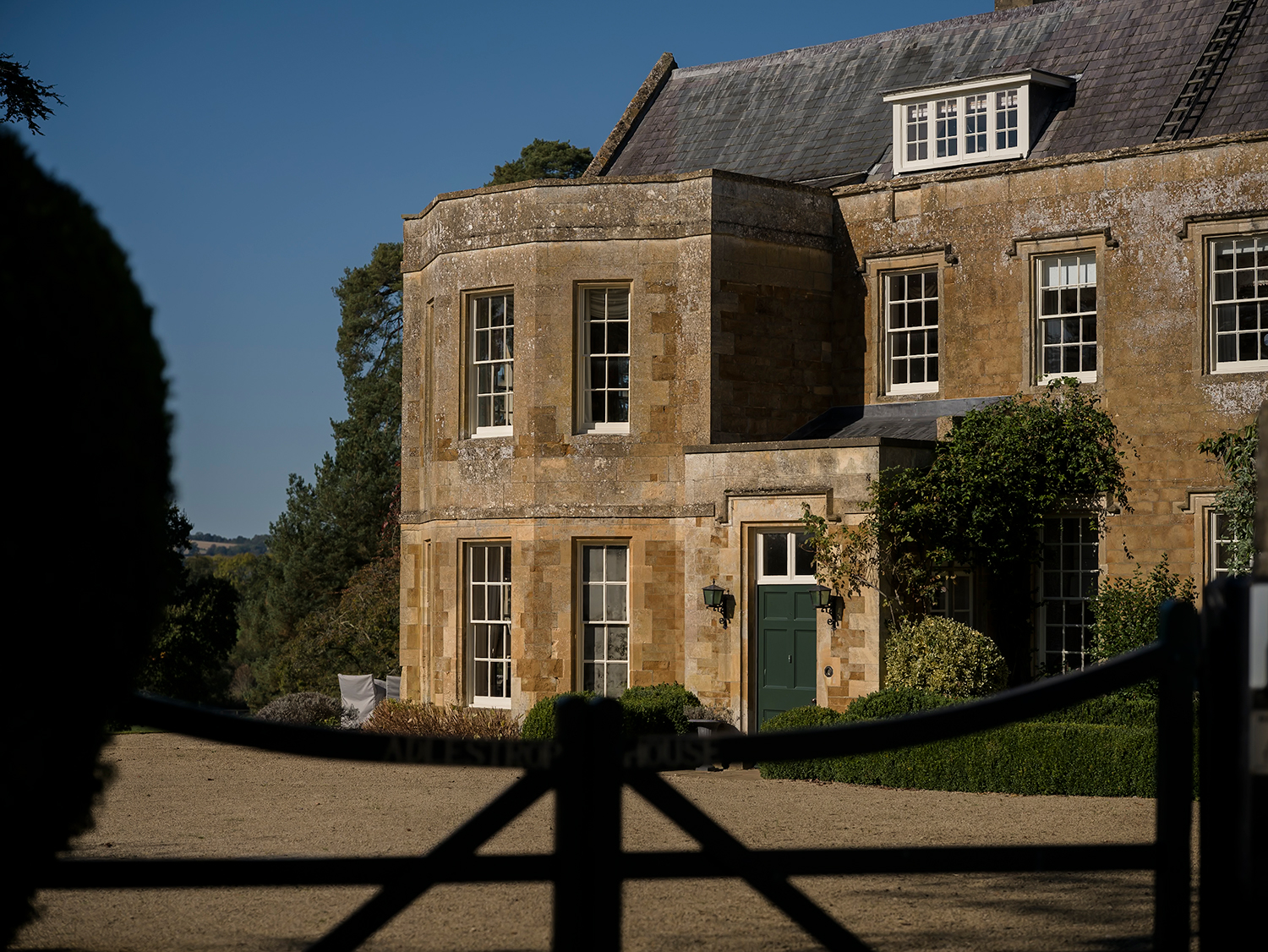
The Cotswolds is continuing to see a surge of American buyers – and the region is taking note. Melissa York and David Byers writing in The Times explore how the area is adapting to their tastes, with our Partner Harry Gladwin highlighting why the Cotswolds appeals so strongly: top schools, beautiful homes, and lifestyle destinations like Estelle Manor and Soho Farmhouse.
While the Cotswolds’ famed ‘golden triangle’ often grabs the headlines, the lesser-known ‘Northwolds’ – the northernmost villages of the Cotswolds – is where buyers can still find genuine value. Writing in The Standard, local resident Nicky Rampley-Clarke explores the area’s growing appeal, with expert insight from our partner Harry Gladwin, Head of the Cotswolds region.
Having relocated to the north Cotswolds from Tooting – via a spell in suburban Surrey – writer Nicky Rampley-Clarke reflects in The Standard on the appeal and relative value of the so-called ‘Northwolds’: a triangle of Oxfordshire countryside framed by Shipston-on-Stour, Deddington and Banbury.
Within easy reach of Burford, Kingham and Stow-on-the-Wold, yet developing a buzzy social scene and identity of its own, the area offers a compelling alternative to the traditional Cotswold hotspots. As our Partner Harry Gladwin notes, values here can sit 10–15 per cent below comparable properties in the more established prime villages – without sacrificing access, charm or community.
In prime central London, the process of securing the right home has become increasingly complex and fragmented. For high-performing professionals and internationally based clients alike, the challenge is no longer simply finding property; it is navigating the noise with confidence and efficiency.
In the world of prime central London property, time has become the most valuable currency of all. Increasingly, the clients who come to me are not short of means – they are short of hours, headspace and tolerance for the sheer administrative drag that accompanies a London property search.
Roughly 75 per cent of our clients fall into two distinct camps. About 40 per cent are domestic family buyers; the remaining 35 per cent are overseas buyers. On the surface their circumstances differ, but their core problem is identical: they are time-poor, information-overloaded and in need of someone to cut through the noise. That, in essence, is where The Buying Solution comes into its own.
The Domestic Family Buyer: high-flying and time-poor
The Domestic Family Buyer is typically a professional couple – often in law, finance or tech – who have been renting in London for several years while careers accelerated and life became incrementally busier.
They are usually thoughtful, analytical and perfectly capable of conducting a search themselves. Indeed, many begin that way. But somewhere between their 47th Rightmove alert and their third collapsed chain, the process starts to fray. What they lack is not intelligence or motivation; it is bandwidth.
We often meet them at the point of fatigue. One client we worked with recently had been searching independently for more than three years. They had viewed over 100 properties – a number that would test the patience of even the most enthusiastic house-hunter – and had narrowly lost out on a home they loved. By the time we were introduced, they were disheartened and, more importantly, had lost confidence in their own decision-making.
Our first task was not to find a house. It was to reset the process. We spent time together walking the streets they were drawn to, discussing not only what they liked but also what they did not. We always begin this way. The brief on paper is rarely the brief in practice, and early face time is invaluable in building a three-dimensional picture of how a client actually wants to live.
One of the first houses we viewed together would ultimately become their purchase. But we did not rush. We continued to test the market, using that property as our benchmark: how does this compare? What is genuinely best in class?
Within eight weeks of formally instructing The Buying Solution, we had agreed terms on the right house. For clients who had spent three years circling the market, the contrast was stark. What changed was not the market, it was the filtering.
The Overseas Buyer: rarely on the ground
If the Domestic Buyer is time-poor, the Overseas Buyer faces an additional handicap: distance. These clients – often international professionals or families seeking a London pied-à-terre – may only be in the city every month or two. They simply do not have their feet on the ground. The London market, with its patchwork of micro-locations and opaque practices, can feel particularly impenetrable from afar. For them, the risk is twofold: wasted trips and expensive mistakes.
We work with many overseas clients who will only spend part of the year in London, and time is of the essence. In our very first viewing tour, often compressed into a single, tightly planned visit, we will endeavour to narrow their search to the exact postcodes that genuinely suited them.
Should they attempt this alone, they will likely be fielding calls from upwards of 50 agents, attempting to triangulate neighbourhood nuance remotely and booking scattergun viewings during short visits. Instead, we offer clarity. Speed, in this context, is about precision.
Why the modern market overwhelms buyers
Part of the growing demand for buying agents stems from structural change within the London property world itself. Seven or eight years ago, a focused search in an area such as Chelsea or Fulham might have required conversations with five or six estate agencies. Today, the landscape is far more fragmented. Many experienced agents have left large corporates to operate independently in a broker-style model.
The result is a more dispersed, more opaque marketplace. Where once a £4 million search might have involved speaking to eight to ten key players, we are now routinely in contact with north of 40 intermediaries for a single brief. For private buyers attempting to manage this alongside demanding careers, the volume alone can become unmanageable.
Increasingly, clients arrive saying the same thing: ‘we started looking ourselves, but we’ve become overwhelmed.’ Our role as buying agents is to absorb that noise. We review and preview everything that crosses our desks. By the time a client steps into a car with us for a viewing tour, every property has been pre-vetted against their evolving brief. They have one point of contact, one curated schedule and – crucially – confidence that their time is being used efficiently.
Sarah Frances Kelley for The Buying Solution
The power of relationships and off-market access
Relationships remain the engine of the London buying world. Because we are in constant dialogue with agents, brokers and intermediaries, we are often able to access opportunities before they reach the open market.
Approximately 60 per cent of what we buy at The Buying Solution is off-market. For busy clients, this is not simply about exclusivity; it is about efficiency. If you are only viewing the most relevant opportunities – many of which never appear online – the search becomes markedly more focused.
It also allows us to move quickly when the right property surfaces. One of the most valuable outcomes of our early work with clients is the refinement of the brief. Through repeated viewings and conversations, we develop a very clear sense of what “right” looks like. When it appears, we can act decisively.
When the brief evolves
One of the most interesting aspects of this work is how often initial assumptions shift. We can have clients who begin their search adamant they want a flat. Through the process, it becomes clear that what they would truly value is their own front door and a certain sense of privacy. We will ultimately secure a house.
Similarly, buyers frequently begin by insisting they want a turnkey property. Yet when presented with the best property on their favourite street but which requires modest cosmetic work, priorities can recalibrate.
Part of our advisory role is helping clients understand where compromise is sensible and where it is not. How often does this type of house become available? What is genuinely scarce? What can be improved later? These are the judgements that protect both lifestyle and long-term value.
Beyond the property: assembling the right team
Particularly for overseas buyers, the purchase itself is only one component of the process. Many international clients are unfamiliar with the nuances of the London system: leasehold structures, share of freehold arrangements, tax considerations and the choreography of the conveyancing process for starters. Education, delivered quickly and clearly, is essential.
But just as important is team assembly. A smooth purchase requires the right solicitor, sometimes tax advice, occasionally immigration support, and – for relocating families – school consultants. If a property requires work, we introduce trusted builders and designers. The goal is always the same: to create a seamless experience that would be extremely difficult for a time-poor buyer to replicate independently.
Handled correctly, this does not add cost. More often, through careful negotiation and risk management, we save clients multiples of our fee.
Cutting through the noise
At its heart, modern buying agency is as much about clarity as it is about access. For busy professionals, whether London-based or overseas, the property market has become noisier, more fragmented and more time-consuming to navigate alone. The value we provide is focus: one point of contact, whole-of-market coverage and rigorous pre-vetting that ensures every viewing has genuine potential.
In a city where time is increasingly precious, that clarity is often the difference between a draining search and a decisive, confident purchase. And for our clients, that is precisely the point.
Meet The Buying Solution’s London team here. For news, expert commentary and invaluable property insight, subscribe to The Insider, our quarterly newsletter, here.
With the popularity of boarding schools waning, families are increasingly prioritising proximity to top day schools when moving to the Cotswolds, writes Georgina Neil, our Cotswolds Buying Agent
When families come to me searching for a home in the Cotswolds it’s rarely just about the house, but increasingly, proximity to the region’s leading independent schools is a decisive factor. In fact, around 40% of my clients now place access to their preferred school at the very top of their priority list, favouring villages and towns that can offer this alongside the lifestyle they desire.
I think this is representative of a broader cultural shift. These are families who would traditionally have sent their children away to boarding school – and who probably boarded themselves – but instead want to be fully present in their children’s daily lives, supporting their interests, attending sports matches and being part of the school community. I have known clients whose children have tried boarding and haven’t enjoyed it, necessitating a move to be closer to a day school. In this context, the school becomes the cornerstone of family life, helping ease the transition into a new area, and is a defining factor in where families are choosing to live.
The Independent Schools Council’s 2025 census confirms what I see on the ground: full-time boarding is declining, while day-schooling and flexi boarding continue to rise. Fewer than a quarter of pupils now board full-time, and elite schools are adapting by expanding day places. Since 2019, Stowe School in Buckinghamshire – popular as a boarding school with Cotswold residents – has opened three dedicated Day Houses, with a plans afoot for a fourth.
Driving is a fact of life in the country, and I have clients who think nothing of driving at least half an hour to drop their children at school each day. That said, the most sought-after locations combine school accessibility with lifestyle appeal. Villages and towns around Banbury, including Bloxham, Adderbury, the Barfords and Deddington, continue to attract families with links to Bloxham School, while Kingham and Moreton-in-Marsh offer central positions for Cheltenham College, alongside convenient rail connections to London and Oxford.
For those seeking quintessential Cotswolds character, the perennially popular villages of Burford and Charlbury combine proximity to the popular Oxford schools with strong community life and beautiful surroundings. Oxford’s convenient train links give teenagers independence, while vibrant villages and towns along the Oxford rail and bus routes, such as Kingham, Charlbury, Chipping Norton and Woodstock are increasingly popular as they provide safe walking and cycling routes, and easy access to sporting, cultural and leisure facilities. Parents value the balance of country life and city access, allowing children to benefit from top-tier academics while remaining closely connected to family life.
In the Cotswolds, choosing a school is very often part of choosing a way of life. Families look for homes where children can grow academically and socially, and where the school community naturally becomes part of everyday life. Friendships extend beyond the classroom, creating a strong sense of belonging for the whole family. Having lived and worked in the area for many years, I use my detailed knowledge of local schools and the villages around them to help clients find the right fit and make this important decision with confidence.
The Schools Driving Cotswolds Moves
Certain independent schools dominate demand in the Cotswolds, with property choices often clustering within a 30-minute drive or train journey from these leading educational hubs:
Cheltenham College, Gloucestershire – Founded in 1841, this co-educational school for pupils aged 13–18 blends Regency architecture with modern facilities. With around 750 pupils, day students are fully integrated into school life through dedicated Day Houses and the wider House system.
Bloxham School, Oxfordshire – A warm, community-focused co-educational school for pupils aged 11–18, Bloxham combines the personal feel of a smaller school with the opportunities of a larger one. Day, day-boarding, and boarding options, alongside strong arts, sport, and outdoor programmes, make it particularly appealing to families in surrounding towns.
Abingdon, Oxfordshire – Over 750 years old, Abingdon educates around 1,176 pupils on a 35-acre campus just south of Oxford. The majority are day students, and the school will become fully co-educational from September 2026, welcoming girls to Year 7 and Sixth Form, and to Year 9 from 2028.
St Edward’s School, Oxford – Known as Teddies, this co-educational day and boarding school educates just over 800 pupils on 100 acres of green space. Around 15% are day pupils, fully integrated into the House system and school life alongside boarders.
Oxford High School GDST – Oxford’s oldest girls’ school and only all-girls through-school, educating around 790 pupils aged 4–19. Located in leafy North Oxford, it is renowned for academic excellence, small class sizes and strong pastoral care, offering pupils a rigorous day-school education enriched with cultural and extracurricular opportunities.
Headington Rye Oxford – Formed in 2023 through the merger of Headington School and Rye St Antony, Headington Rye educates boys and girls aged 3–11 and girls 11–18. Day pupils are fully integrated into school life, thriving academically, socially and personally within a supportive, vibrant community.
Magdalen College School, Oxford – A leading day school for boys aged 7–18 and girls 16–18, MCS combines first-class academics, chorister training from age six and extensive extracurricular activities with the practicality of after-school care and a reliable home-to-school bus service across Oxfordshire, Berkshire, Buckinghamshire and Northamptonshire.
Prep schools, including Kitebrook in Moreton-in-Marsh, Winchester House in Brackley, Bruern Abbey in Chesterton near Bicester, and Hatherop Castle in Hatherop near Cirencester, also play an important feeder role, offering outdoor-focused education with strong pastoral support – a key consideration for families seeking a nurturing, holistic environment.
Georgina Neil is The Buying Solution’s Cotswolds Buying Agent
For news, expert commentary and invaluable property insight, subscribe to The Insider, our quarterly newsletter, here.
As wealthy buyers from the US, Asia and the Middle East continue to acquire manor houses and large estates in the Cotswolds, John Gapper reports for the Financial Times on how the region has become a global brand akin to the Hamptons in Long Island, and agents are competing for fees. Harry Gladwin, our Partner and Head of the Cotswolds shared his personal insights.
The Cotswolds’ iconic ‘golden triangle’ – stretching from Chipping Norton to Stow-on-the-Wold and Burford – is fast becoming a magnet for Ultra High Net Worth international buyers seeking historic manor houses and sprawling estates. As John Gapper reports for the Financial Times, the region’s allure now rivals elite destinations such as the Hamptons, attracting wealthy clients from the US, Asia and the Middle East. Harry Gladwin, our Partner and Head of the Cotswolds, shares his expert insights into this booming market, and the rise in agents operating in the area.
We use cookies to improve user experience and analyze website traffic. By clicking “Accept,” you agree to our website’s cookie use as described in our Cookie Policy.
This website uses cookies to improve your experience while you navigate through the website. Out of these, the cookies that are categorized as necessary are stored on your browser as they are essential for the working of basic functionalities of the website. We also use third-party cookies that help us analyze and understand how you use this website. These cookies will be stored in your browser only with your consent. You also have the option to opt-out of these cookies. But opting out of some of these cookies may affect your browsing experience.
Necessary cookies are absolutely essential for the website to function properly. These cookies ensure basic functionalities and security features of the website, anonymously.
Cookie
Duration
Description
cookielawinfo-checkbox-analytics
11 months
This cookie is set by GDPR Cookie Consent plugin. The cookie is used to store the user consent for the cookies in the category "Analytics".
cookielawinfo-checkbox-functional
11 months
The cookie is set by GDPR cookie consent to record the user consent for the cookies in the category "Functional".
cookielawinfo-checkbox-necessary
11 months
This cookie is set by GDPR Cookie Consent plugin. The cookies is used to store the user consent for the cookies in the category "Necessary".
cookielawinfo-checkbox-others
11 months
This cookie is set by GDPR Cookie Consent plugin. The cookie is used to store the user consent for the cookies in the category "Other.
cookielawinfo-checkbox-performance
11 months
This cookie is set by GDPR Cookie Consent plugin. The cookie is used to store the user consent for the cookies in the category "Performance".
viewed_cookie_policy
11 months
The cookie is set by the GDPR Cookie Consent plugin and is used to store whether or not user has consented to the use of cookies. It does not store any personal data.
Functional cookies help to perform certain functionalities like sharing the content of the website on social media platforms, collect feedbacks, and other third-party features.
Performance cookies are used to understand and analyze the key performance indexes of the website which helps in delivering a better user experience for the visitors.
Analytical cookies are used to understand how visitors interact with the website. These cookies help provide information on metrics the number of visitors, bounce rate, traffic source, etc.
Advertisement cookies are used to provide visitors with relevant ads and marketing campaigns. These cookies track visitors across websites and collect information to provide customized ads.