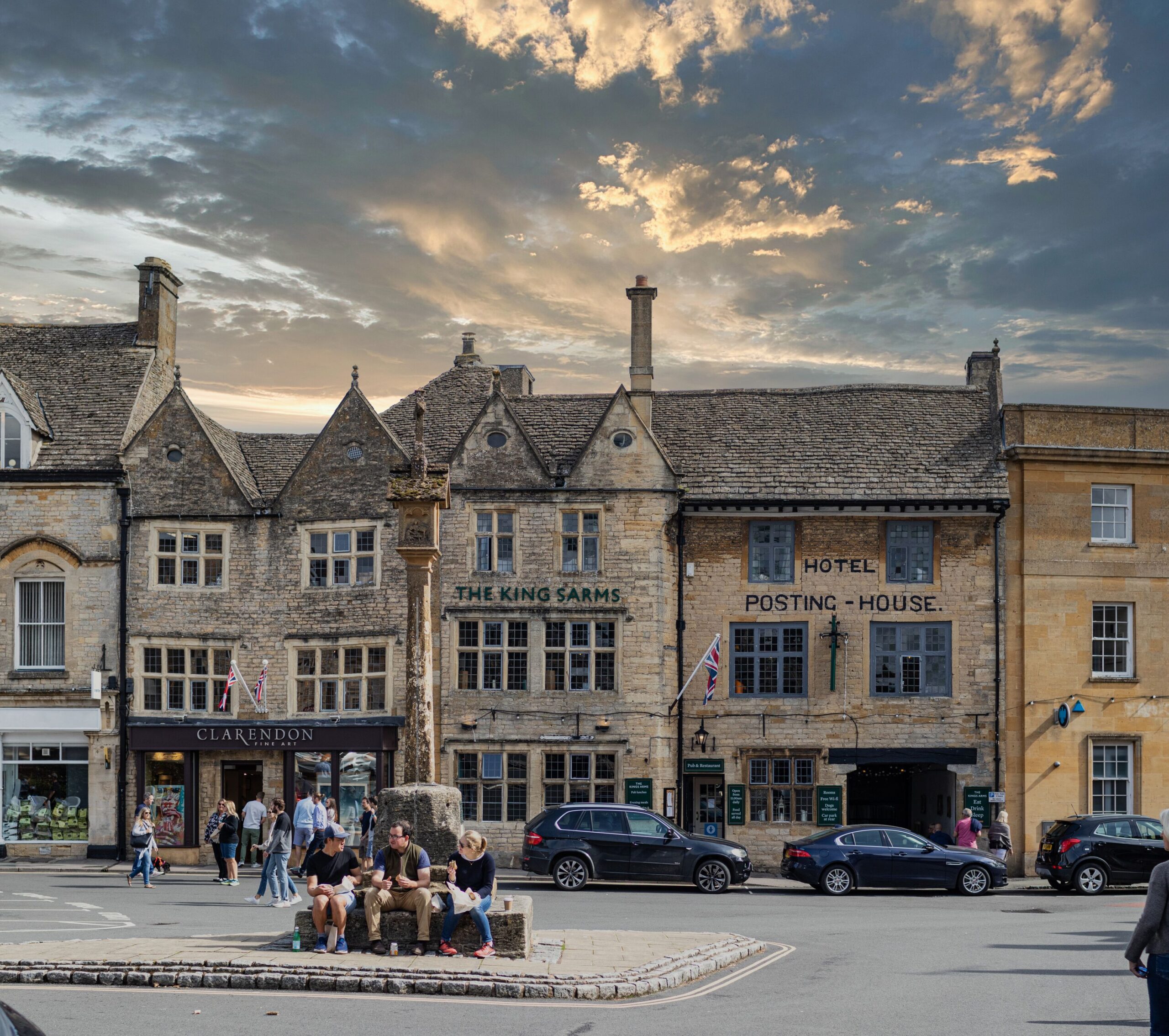
While the Cotswolds’ famed ‘golden triangle’ often grabs the headlines, the lesser-known ‘Northwolds’ – the northernmost villages of the Cotswolds – is where buyers can still find genuine value. Writing in The Standard, local resident Nicky Rampley-Clarke explores the area’s growing appeal, with expert insight from our partner Harry Gladwin, Head of the Cotswolds region.
Having relocated to the north Cotswolds from Tooting – via a spell in suburban Surrey – writer Nicky Rampley-Clarke reflects in The Standard on the appeal and relative value of the so-called ‘Northwolds’: a triangle of Oxfordshire countryside framed by Shipston-on-Stour, Deddington and Banbury.
Within easy reach of Burford, Kingham and Stow-on-the-Wold, yet developing a buzzy social scene and identity of its own, the area offers a compelling alternative to the traditional Cotswold hotspots. As our Partner Harry Gladwin notes, values here can sit 10–15 per cent below comparable properties in the more established prime villages – without sacrificing access, charm or community.
For many, the Cotswolds are the ultimate expression of English country living – its honeyed-stone villages, rolling hills and reputation for well-heeled conviviality continuing to lure those seeking an escape from city life. But with the dynamics of the market shifting, so too is the geography of its most desirable postcodes, as our Partner Harry Gladwin and Cotswolds Buying Agent Georgina Neil attest.
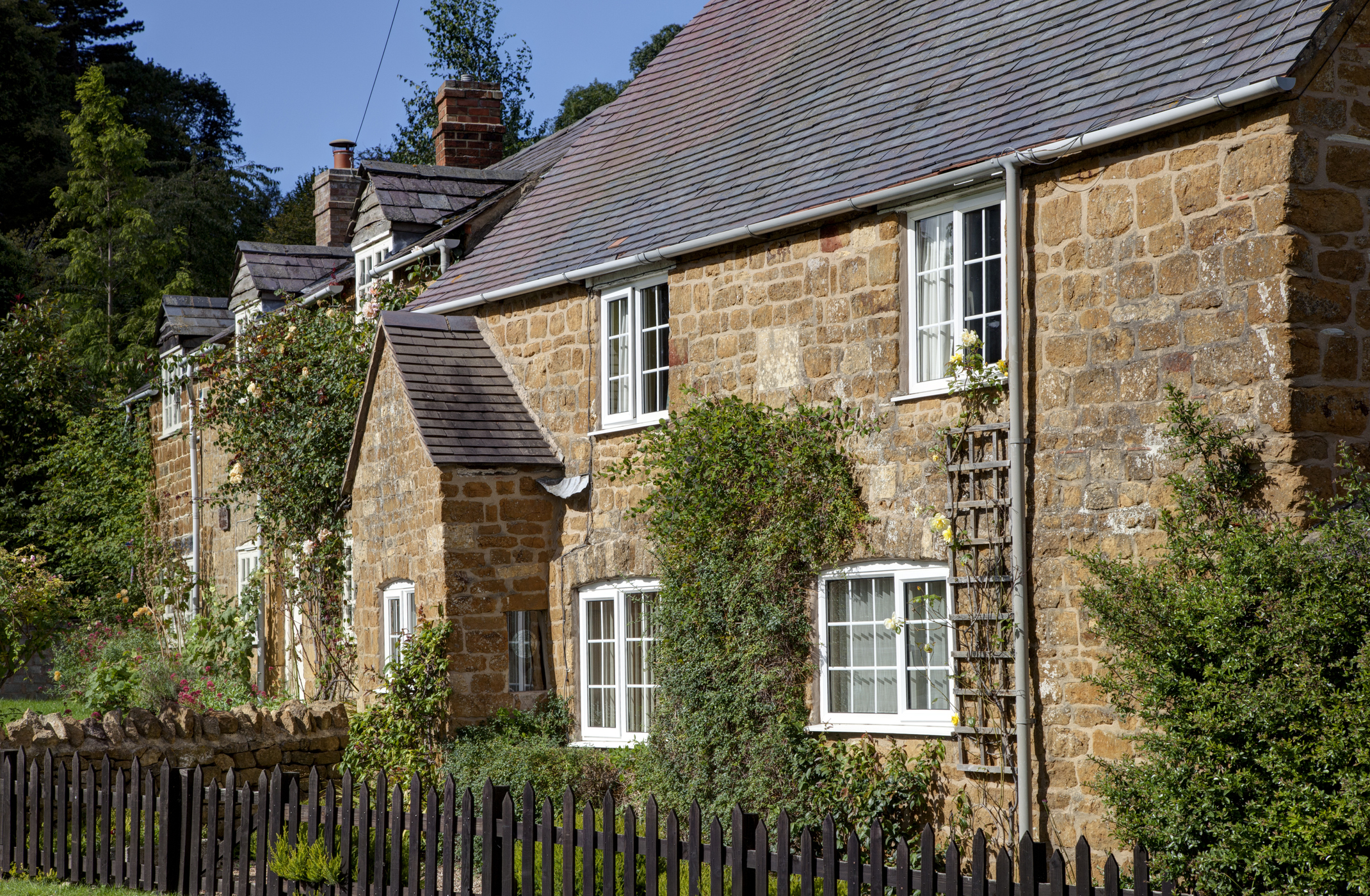
South Warwickshire’s villages are often built from Cotswold stone
During the pandemic and the years that followed, many buyers convinced that working from home was here to stay were drawn to the Cotswolds by lifestyle and cachet above all else. They gravitated towards the so-called “Golden Triangle” – the prime area between Chipping Norton, Stow-on-the-Wold and Burford in Oxfordshire and Gloucestershire. But a new mood is emerging. With the return to the office reshaping working patterns, buyers are now weighing practicality more carefully. Proximity to London, access to good schools and easy connections via the M40 or mainline rail are once again carrying as much weight as lifestyle aspirations.
“Practicality is definitely beginning to creep back into people’s requirements,” says Harry Gladwin, our Partner and Head of the Cotswolds Region. “The northern part of the Cotswolds, taking in the South Warwickshire villages, is increasingly popular because it offers better value and is arguably a little bit more authentic – and it’s still pretty accessible thanks to its proximity to the M40.” The south-eastern Cotswolds, he adds, “were traditionally popular with commuters because of their accessibility to Oxford and London, and also to schools such as the Dragon and Summer Fields. That shifted in the post-Covid years to take in areas such as Burford and Stow-on-the-Wold which would have been considered too far out, but it’s changing now.”
Beyond the Golden Triangle
This “creep” as Harry describes it doesn’t displace the Golden Triangle’s enduring appeal – it is home to Soho Farmhouse, Daylesford and Estelle Manor, after all. Rather, it represents an evolution: a broadening of what buyers now consider the “desirable” Cotswolds as they consider the importance of connectivity, community, schooling and long-term value.
“Everybody was slightly wowed by the Golden Triangle for a while, wanting to be near Daylesford and Soho Farmhouse, but now we’re seeing people open to a wider range of locations,” says Georgina Neil, our Cotswolds Buying Agent. “The corridor up from Oxford through Kidlington and towards Bicester, Deddington and Banbury has become very popular because the train service from Oxford is good, with fast trains every 30 minutes.”
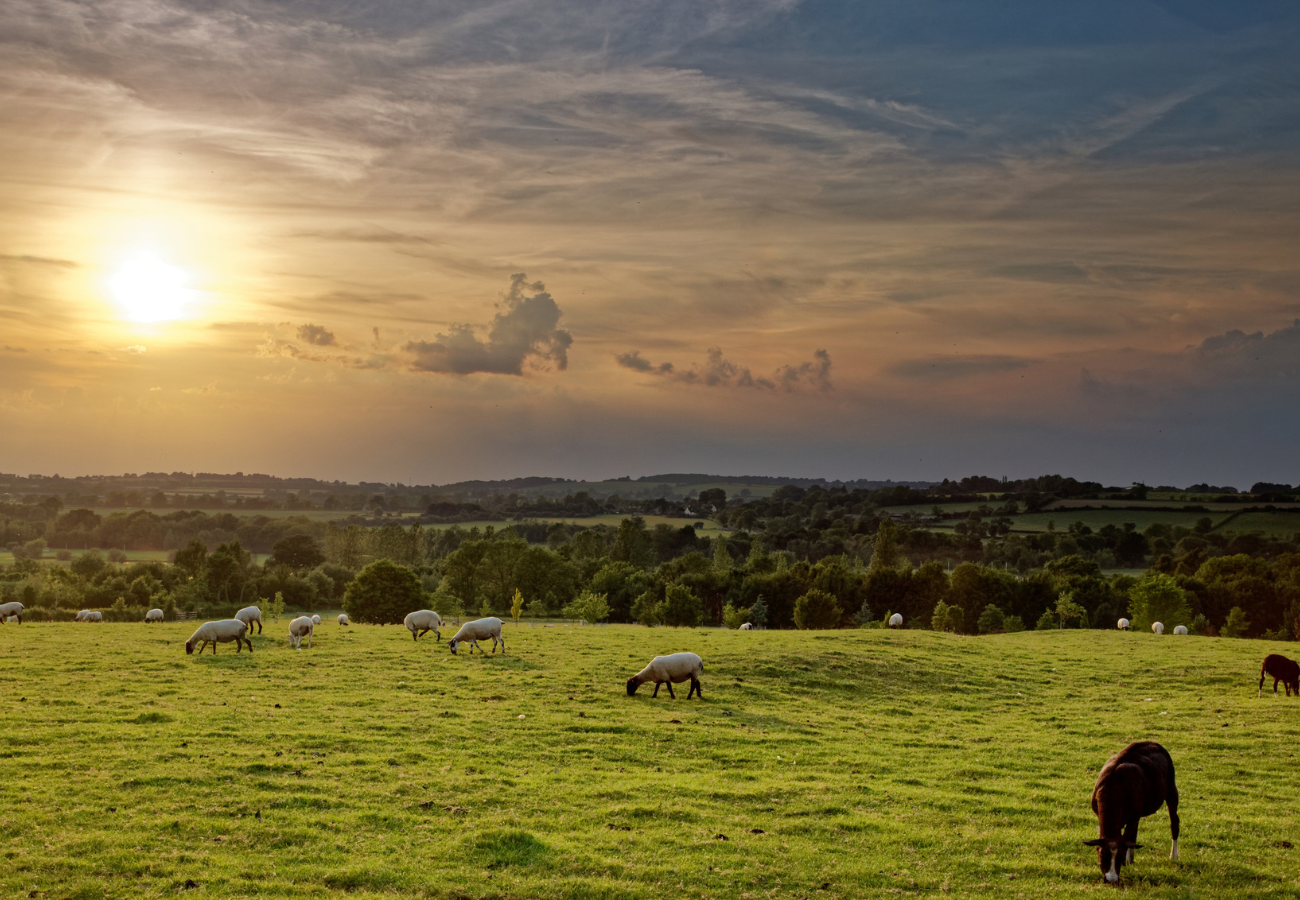
Villages to the north, such as Whichford, Ascott and Sutton-under-Brailes in South Warwickshire, have emerged as strong contenders for those seeking space and connectivity. “The countryside up there is really beautiful – open and unspoilt” says Harry. “It feels authentic in the same way that the countryside west of Stow-on-the-Wold does, but you’re that bit closer to Banbury and the mainline train to London.”
“You can still get to all the places you’d want such as Daylesford, Soho Farmhouse within 20 minutes or so,” Harry adds. “But you can also step back from the busier spots if you want to. It gives you the best of both worlds.”
Meanwhile, the continued development of amenities around Chipping Norton and north Oxfordshire – including the planned opening of The Ned’s country hotel by the end of the decade – is helping to knit these areas together into a wider lifestyle geography. “As soon as you’ve got enough people who want to be in that neck of the woods,” Harry says, “the amenities follow.”
Stowe House, Buckinghamshire
The Oxfordshire–Warwickshire Edge
This belt of countryside, skirting the northern edge of the Cotswolds into South Warwickshire, is developing a distinct identity. Its draw lies in its balance of authenticity and convenience: open farmland and unspoiled scenery combined with practical access to London, Oxford and Birmingham.
“There are plenty of strong communities up there, with a more genuine mix of people,” Harry says. “You still get all the Cotswold charm – traditional pubs and pretty cottages – but without the self-consciousness. It feels more grounded, a reminder of what the region was once all about.”
Georgina sees the same sense of equilibrium extending eastwards. “If you live between Chipping Norton, Banbury and Bicester, you’ve got excellent schools to choose from – Winchester House in Brackley, Northamptonshire; Bloxham School near Banbury, even Beachborough and Stowe in Buckinghamshire,” she says. “Bloxham’s flexi-boarding option has widened its appeal hugely.”
This combination of practicality and quality of life is underpinning a gentle market shift rather than a sudden migration. “People still love the core Cotswolds,” Georgina adds. “But we’re seeing a broader definition of what living here means. It’s not just about being close to a particular club or postcode – it’s about how easily you can get to work, or to school and still enjoy beautiful countryside.”
Confidence Returning
Parts of north Oxfordshire and South Warwickshire that once seemed peripheral are now benefiting from renewed confidence. “This area became quite unpopular because of HS2,” Georgina recalls. “But now that the work has begun and the uncertainty has gone, people have more confidence to buy there again.”
Market towns such as Deddington, six miles south of Banbury, are enjoying a quiet revival. “You’re seeing new cafés, well-kept pubs, and a sense of local community returning,” she says. “It’s not trying to be somewhere else – it’s just a pleasant, liveable place, where you can get a good meal in your local pub without everything being very high-end.”
Sarah Frances Kelley for The Buying Solution
A Shifting Market
What emerges from these shifts is a more nuanced picture of the Cotswolds market. The Golden Triangle remains a magnet for buyers seeking prestige and proximity to established hubs, while the northern and eastern edges offer a quieter, more practical alternative for those prioritising connectivity and value.
“People still want the beauty the Cotswolds is famous for,” Georgina says. “They’re just being a bit more thoughtful about what works day to day. If you’ve got teenagers, for example, it helps to have a bus route into Oxford or a train station nearby. That practicality is what’s driving many of the decisions now.”
Harry agrees. “If you want a weekend cottage, the hotspots will always appeal,” he says. “But if you’re looking for a bigger house with land then you are far more likely to find it up towards South Warwickshire.”
A Broader Definition of the Cotswolds Dream
For all the shifts in emphasis, the appeal of the Cotswolds endures, just in a more diverse form. The same rolling hills and mellow stone that drew Londoners seeking space and respite from city life now attract a wider range of buyers who want that while still maintaining connectivity.
“People are rediscovering parts of the region that feel authentic but also work practically,” Georgina says. “It’s about having space, countryside and culture, but also schools, trains and a bit of real everyday life.”
However, caution is always advised, which is where The Buying Solution’s expert guidance comes to the fore. “Because you’re moving around the edge of the Cotswolds National Landscape and the protections that come with it, you need to be alert to potential infrastructure changes and development creep,” says Harry. “It’s easy to buy in the wrong place and find yourself in a built-up area within a few years. The countryside here is beautiful and accessible, but that makes expert guidance even more valuable – you need to know exactly where to put your pin in the map.”
Harry Gladwin is our Partner and Head of the Cotswolds Region
You may have visited some of the beautiful villages in the Cotswolds, but did you know that a significant value gap has opened up between property prices in the North and South Cotswolds – particularly at the top end of the market?
Using the A40 road as the dividing line separating the two regions, a classic seven-bedroom country house with stables and ancillary accommodation set over 50 acres might cost between £3m and £4m in the south, but that price can rise to as much as £5m to £10m in the north. We asked Harry Gladwin, our expert buying agent in the region, to explain what’s happening.
North Cotswolds
The popularity of the North Cotswolds and upward pressure on house prices began to take off in earnest at the beginning of the 2000s when City financiers and hedge funders ‘discovered’ Notting Hill. For them, the easy drive down the A40/M40 to Oxford, Chipping Norton and its environs encouraged those in search of a weekend retreat to settle there.
It’s home to many global movers and shakers. If a client has a house in West London and a holiday home in somewhere like, say, Miami or Ibiza, there is a good chance they also have a property in or near the most sought-after villages here. Charlbury, Kingham, Stow, and Oddington are places that are currently soaring in appeal amongst this international audience. To give an idea of demand in these areas, a recent house came on the market for £4.5m and sold almost immediately off-market to a buyer for 20% over the guide price.
So, what else makes this region attractive? The truth is, it’s easier to acclimatise to country life when you live in the North Cotswolds. All of the amenities you would expect from living in a city can be found here. A client once commented, ‘It’s green, but we can get a great flat white, and the internet is fast’!
The new breed of pubs and restaurants offer excellent food, often with a focus on seasonal and local produce and an impressive selection of wines and ales. A popular new opening is The Bull in Charlbury, which was taken over by the team behind the recently launched Notting Hill gastropub, The Pelican.
Next is education. The school offering in Oxford as an alternative to educating children in the capital is seriously tempting, with the Dragon School, being one of the most popular choices near the border. Our clients also recommend Kitebrook Prep School in Moreton-in Marsh and Windrush Valley School near Chipping Norton.
Another key factor has been the improved train times along the Chiltern line, which has considerably reduced travel times to London Marylebone from Banbury, Bicester, and Oxford Parkway. The fact that you can now do this journey in under an hour proves extremely attractive to city commuters. Added to that was the opening of the spur line, which connects Oxford and Bicester Village to the Chiltern mainline. This gives the added advantage of choice for commuters to travel either into Marylebone or Paddington via Oxford, Charlbury and Kingham.
South Cotswolds
If the profile of a North Cotswolds buyer has evolved to lean more towards families with young children wanting access to good schools, gastropubs, and connectivity, then we cross the A40 and discover a region where country sports are more prevalent and it’s better suited to those looking for a more rural lifestyle.
Tetbury is an attractive town for antique shops, and Cirencester continues to expand. Meanwhile, Kemble station is another big draw for commuters, as fast trains take only 80 minutes to London Paddington.
Like the North, the South Cotswolds has beautiful countryside with the additional attraction of the Cotswold Water Park for those who are interested in water sports. There are fewer gastropubs in this area, but Calcot Manor, Barnsley House, Thyme at Southrop, and Cowley Manor offer good alternatives to Daylesford and Soho Farmhouse.
As regional cities and airports such as Bristol and Birmingham grow, Cheltenham will become even more attractive to buyers. At the western edge of the Cotswolds Area of Outstanding Natural Beauty, Cheltenham is an excellent alternative schooling hub to Oxford The town’s most desirable areas range from between £400 and £500 per sq ft. Equivalent prime areas of central North Oxford are twice as expensive. That means it is possible to trade a good-sized London house for a family house in Cheltenham and have a substantial amount of change to spend on other things, such as the children’s education.
What remains true of both Cotswolds regions is a long-term shortage of houses coming to the market. Best-in-class houses continue to sell quickly and often off-market. Therefore, be prepared for fierce competition if buying in either the north or the south.
If you need help with your countryside search, don’t hesitate to get in touch with The Buying Solution, and we’d be delighted to discuss your needs.
We use cookies to improve user experience and analyze website traffic. By clicking “Accept,” you agree to our website’s cookie use as described in our Cookie Policy.
This website uses cookies to improve your experience while you navigate through the website. Out of these, the cookies that are categorized as necessary are stored on your browser as they are essential for the working of basic functionalities of the website. We also use third-party cookies that help us analyze and understand how you use this website. These cookies will be stored in your browser only with your consent. You also have the option to opt-out of these cookies. But opting out of some of these cookies may affect your browsing experience.
Necessary cookies are absolutely essential for the website to function properly. These cookies ensure basic functionalities and security features of the website, anonymously.
Cookie
Duration
Description
cookielawinfo-checkbox-analytics
11 months
This cookie is set by GDPR Cookie Consent plugin. The cookie is used to store the user consent for the cookies in the category "Analytics".
cookielawinfo-checkbox-functional
11 months
The cookie is set by GDPR cookie consent to record the user consent for the cookies in the category "Functional".
cookielawinfo-checkbox-necessary
11 months
This cookie is set by GDPR Cookie Consent plugin. The cookies is used to store the user consent for the cookies in the category "Necessary".
cookielawinfo-checkbox-others
11 months
This cookie is set by GDPR Cookie Consent plugin. The cookie is used to store the user consent for the cookies in the category "Other.
cookielawinfo-checkbox-performance
11 months
This cookie is set by GDPR Cookie Consent plugin. The cookie is used to store the user consent for the cookies in the category "Performance".
viewed_cookie_policy
11 months
The cookie is set by the GDPR Cookie Consent plugin and is used to store whether or not user has consented to the use of cookies. It does not store any personal data.
Functional cookies help to perform certain functionalities like sharing the content of the website on social media platforms, collect feedbacks, and other third-party features.
Performance cookies are used to understand and analyze the key performance indexes of the website which helps in delivering a better user experience for the visitors.
Analytical cookies are used to understand how visitors interact with the website. These cookies help provide information on metrics the number of visitors, bounce rate, traffic source, etc.
Advertisement cookies are used to provide visitors with relevant ads and marketing campaigns. These cookies track visitors across websites and collect information to provide customized ads.