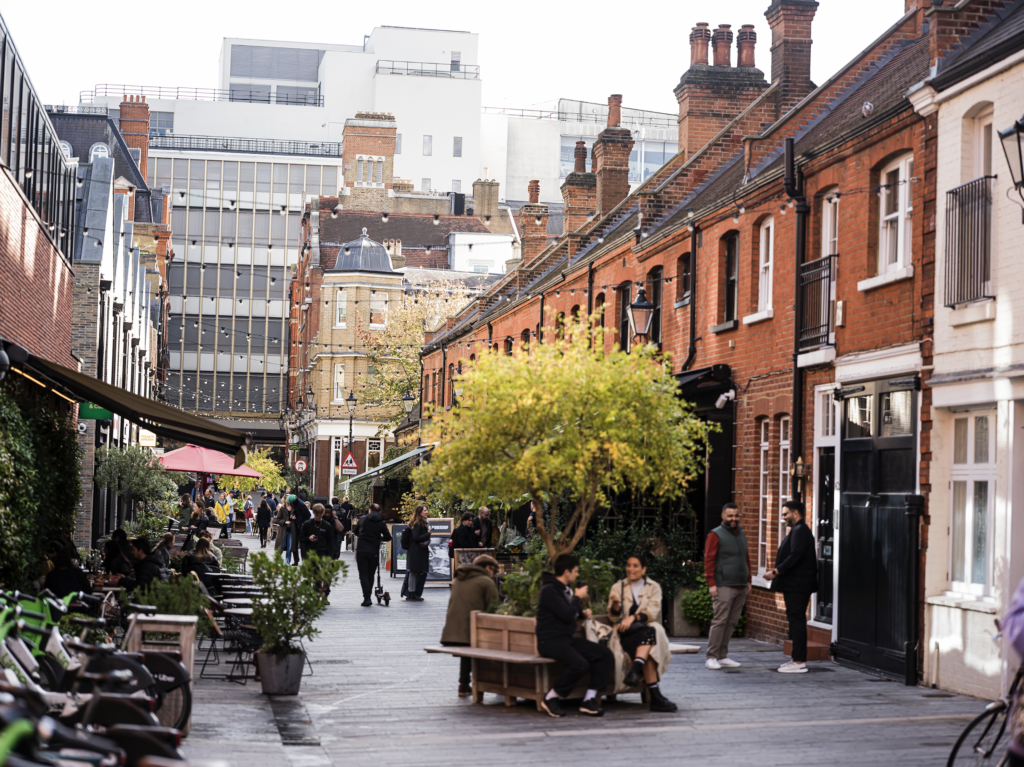
Amid reports that Chancellor Rachel Reeves is considering a new tax on properties worth £2 million or more, Head of The Buying Solution Will Watson shares his insights with The Telegraph‘s Dominic Penna and Pui-Guan Man.
Sarah Frances Kelley for The Buying Solution
With speculation mounting ahead of the Budget announcement on 26 November about a so-called ‘mansion tax’, Will Watson, Head of The Buying Solution, spoke to The Telegraph about the effect this uncertainty is having on the property market.
For many, the Cotswolds are the ultimate expression of English country living – its honeyed-stone villages, rolling hills and reputation for well-heeled conviviality continuing to lure those seeking an escape from city life. But with the dynamics of the market shifting, so too is the geography of its most desirable postcodes, as our Partner Harry Gladwin and Cotswolds Buying Agent Georgina Neil attest.
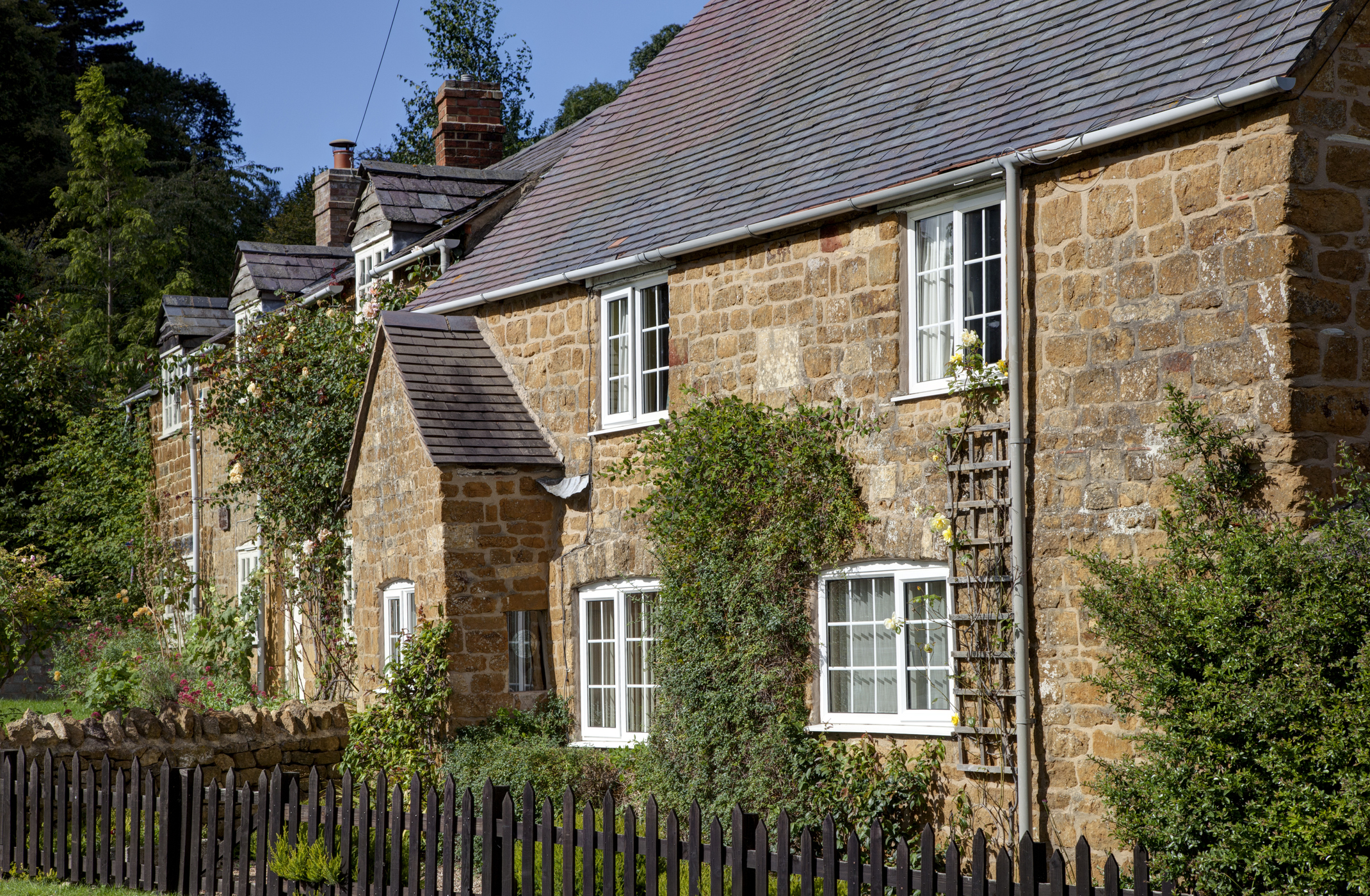
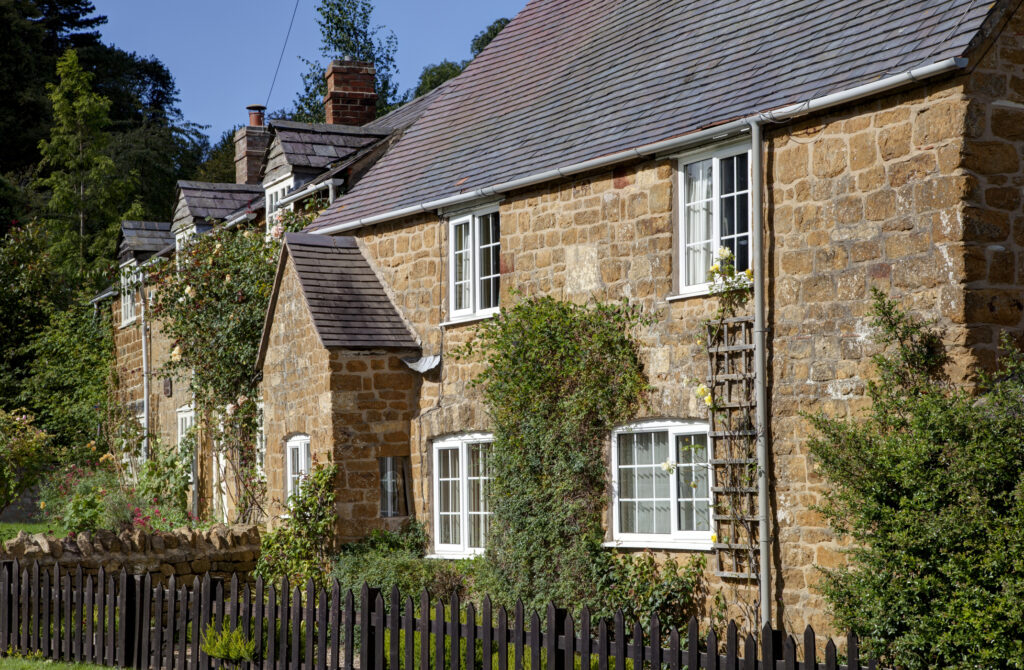
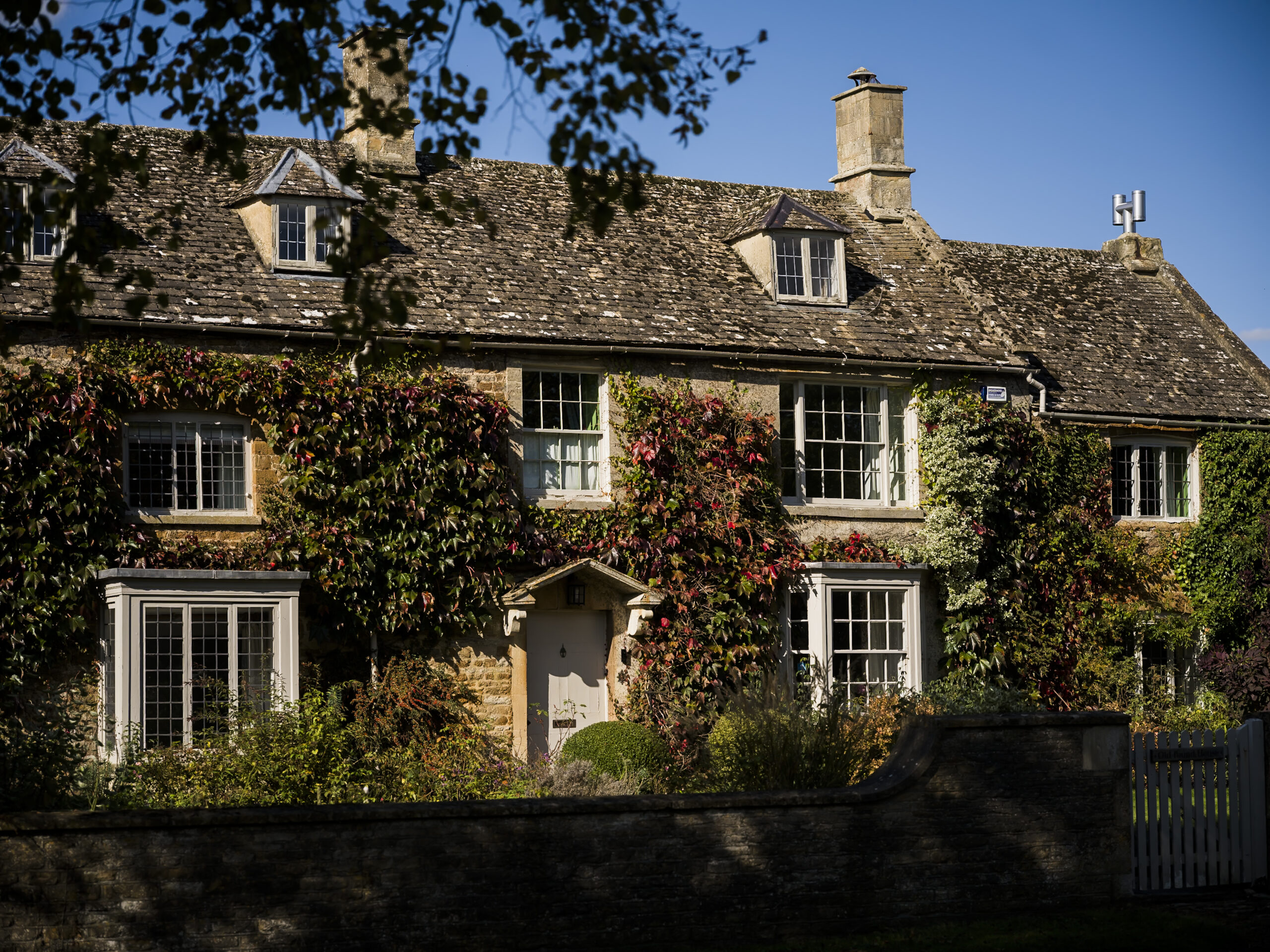
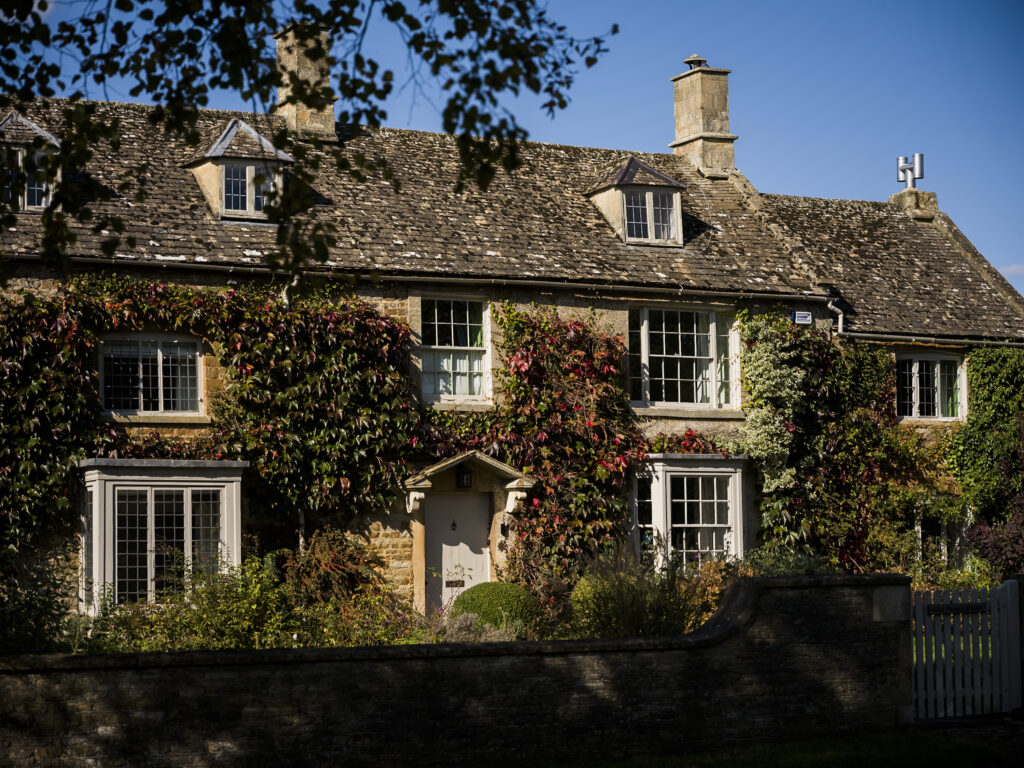
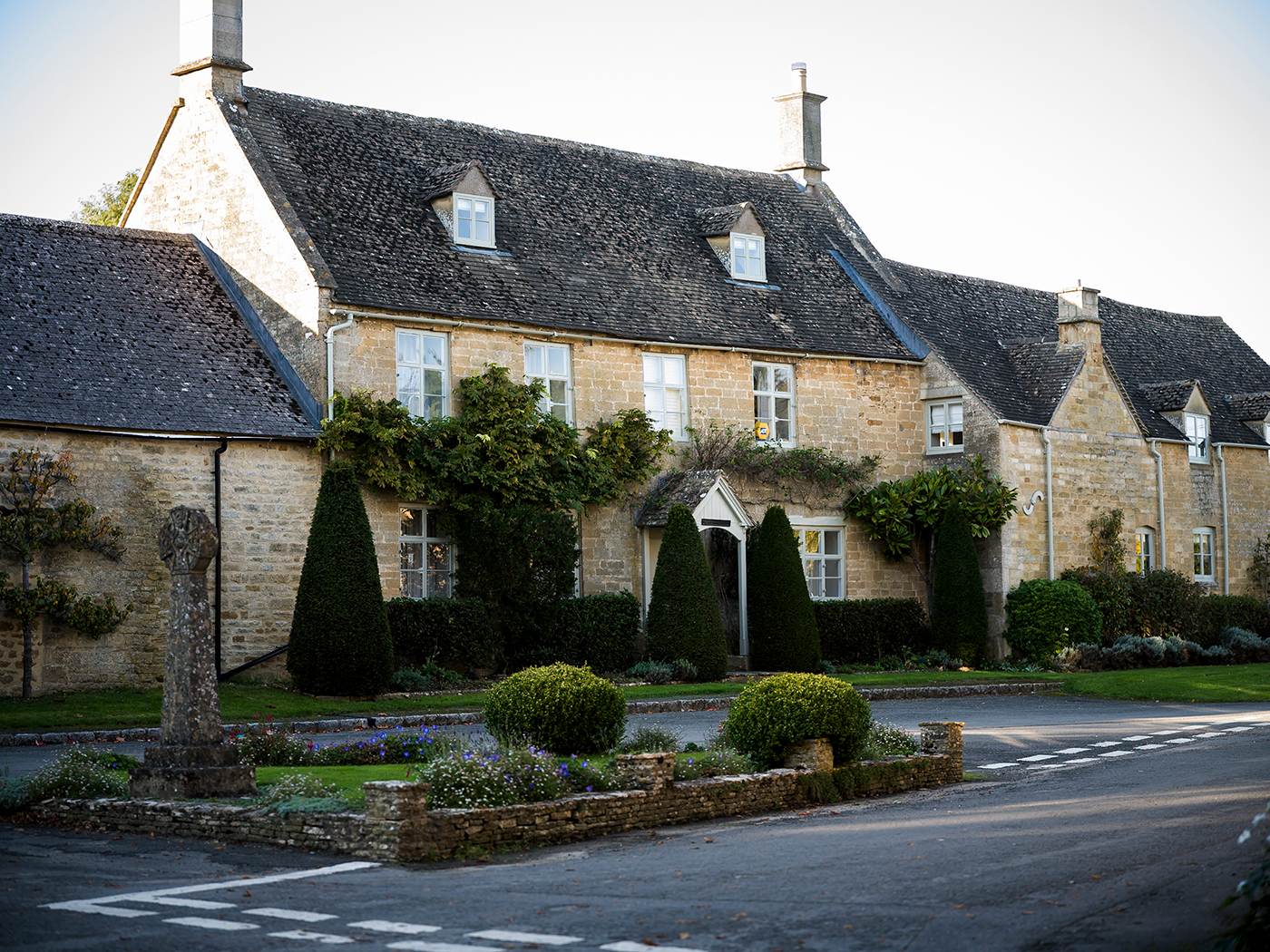
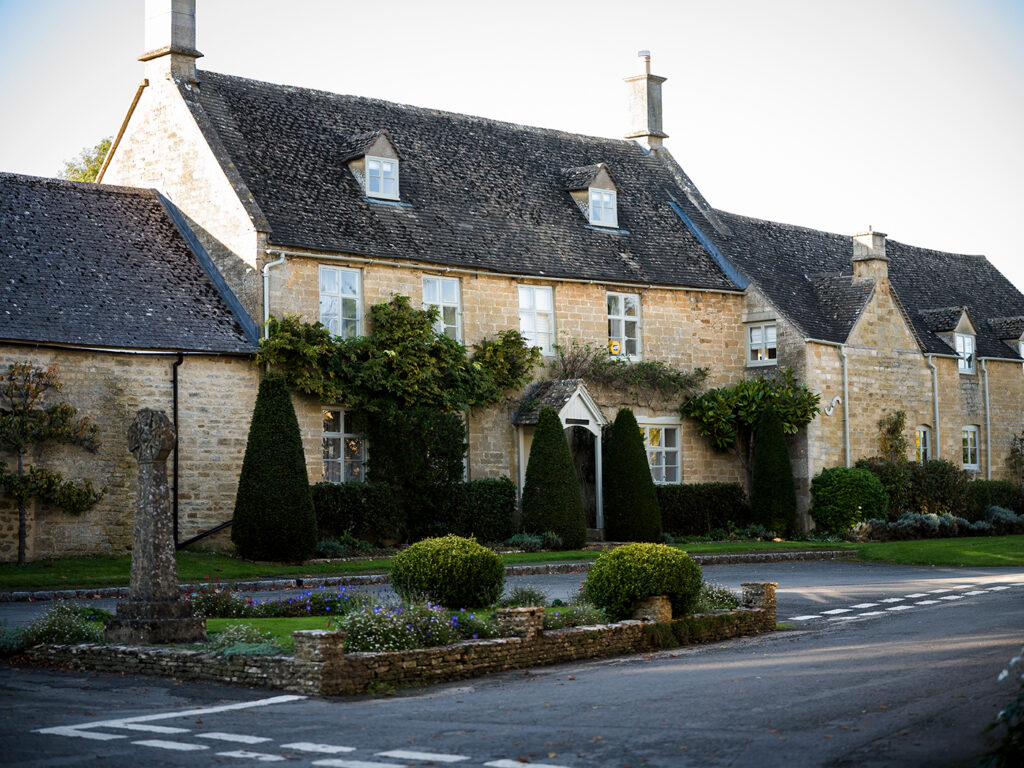
South Warwickshire’s villages are often built from Cotswold stone
During the pandemic and the years that followed, many buyers convinced that working from home was here to stay were drawn to the Cotswolds by lifestyle and cachet above all else. They gravitated towards the so-called “Golden Triangle” – the prime area between Chipping Norton, Stow-on-the-Wold and Burford in Oxfordshire and Gloucestershire. But a new mood is emerging. With the return to the office reshaping working patterns, buyers are now weighing practicality more carefully. Proximity to London, access to good schools and easy connections via the M40 or mainline rail are once again carrying as much weight as lifestyle aspirations.
“Practicality is definitely beginning to creep back into people’s requirements,” says Harry Gladwin, our Partner and Head of the Cotswolds Region. “The northern part of the Cotswolds, taking in the South Warwickshire villages, is increasingly popular because it offers better value and is arguably a little bit more authentic – and it’s still pretty accessible thanks to its proximity to the M40.” The south-eastern Cotswolds, he adds, “were traditionally popular with commuters because of their accessibility to Oxford and London, and also to schools such as the Dragon and Summer Fields. That shifted in the post-Covid years to take in areas such as Burford and Stow-on-the-Wold which would have been considered too far out, but it’s changing now.”
Beyond the Golden Triangle
This “creep” as Harry describes it doesn’t displace the Golden Triangle’s enduring appeal – it is home to Soho Farmhouse, Daylesford and Estelle Manor, after all. Rather, it represents an evolution: a broadening of what buyers now consider the “desirable” Cotswolds as they consider the importance of connectivity, community, schooling and long-term value.
“Everybody was slightly wowed by the Golden Triangle for a while, wanting to be near Daylesford and Soho Farmhouse, but now we’re seeing people open to a wider range of locations,” says Georgina Neil, our Cotswolds Buying Agent. “The corridor up from Oxford through Kidlington and towards Bicester, Deddington and Banbury has become very popular because the train service from Oxford is good, with fast trains every 30 minutes.”
Villages to the north, such as Whichford, Ascott and Sutton-under-Brailes in South Warwickshire, have emerged as strong contenders for those seeking space and connectivity. “The countryside up there is really beautiful – open and unspoilt” says Harry. “It feels authentic in the same way that the countryside west of Stow-on-the-Wold does, but you’re that bit closer to Banbury and the mainline train to London.”
“You can still get to all the places you’d want such as Daylesford, Soho Farmhouse within 20 minutes or so,” Harry adds. “But you can also step back from the busier spots if you want to. It gives you the best of both worlds.”
Meanwhile, the continued development of amenities around Chipping Norton and north Oxfordshire – including the planned opening of The Ned’s country hotel by the end of the decade – is helping to knit these areas together into a wider lifestyle geography. “As soon as you’ve got enough people who want to be in that neck of the woods,” Harry says, “the amenities follow.”
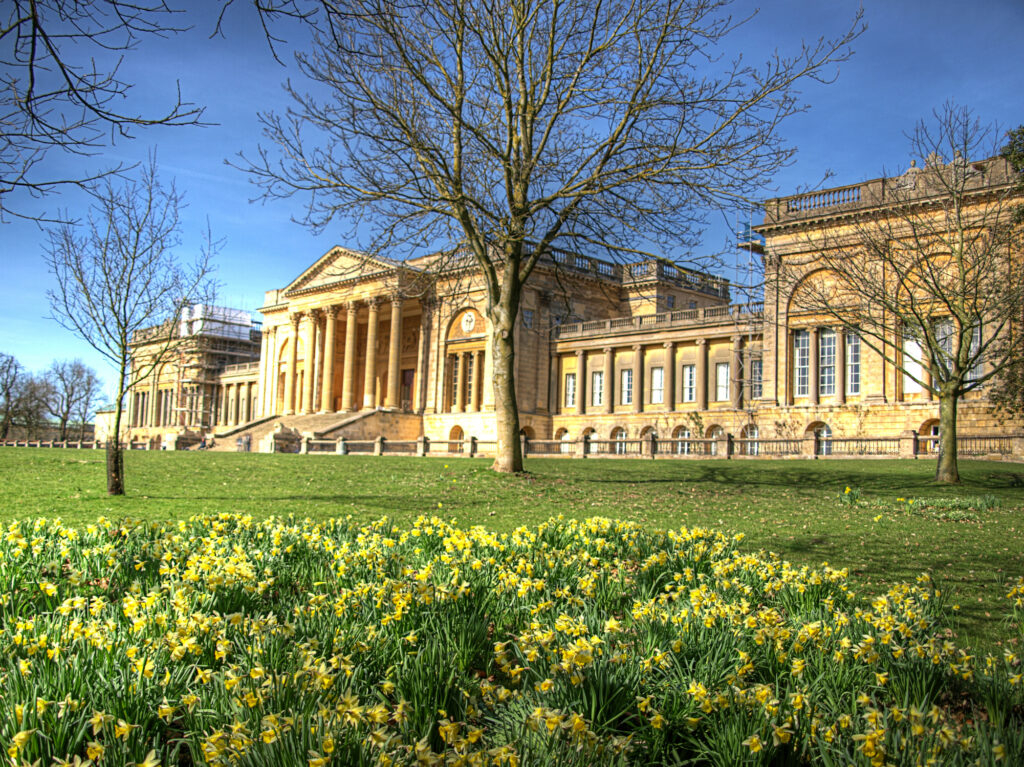
Stowe House, Buckinghamshire
The Oxfordshire–Warwickshire Edge
This belt of countryside, skirting the northern edge of the Cotswolds into South Warwickshire, is developing a distinct identity. Its draw lies in its balance of authenticity and convenience: open farmland and unspoiled scenery combined with practical access to London, Oxford and Birmingham.
“There are plenty of strong communities up there, with a more genuine mix of people,” Harry says. “You still get all the Cotswold charm – traditional pubs and pretty cottages – but without the self-consciousness. It feels more grounded, a reminder of what the region was once all about.”
Georgina sees the same sense of equilibrium extending eastwards. “If you live between Chipping Norton, Banbury and Bicester, you’ve got excellent schools to choose from – Winchester House in Brackley, Northamptonshire; Bloxham School near Banbury, even Beachborough and Stowe in Buckinghamshire,” she says. “Bloxham’s flexi-boarding option has widened its appeal hugely.”
This combination of practicality and quality of life is underpinning a gentle market shift rather than a sudden migration. “People still love the core Cotswolds,” Georgina adds. “But we’re seeing a broader definition of what living here means. It’s not just about being close to a particular club or postcode – it’s about how easily you can get to work, or to school and still enjoy beautiful countryside.”
Confidence Returning
Parts of north Oxfordshire and South Warwickshire that once seemed peripheral are now benefiting from renewed confidence. “This area became quite unpopular because of HS2,” Georgina recalls. “But now that the work has begun and the uncertainty has gone, people have more confidence to buy there again.”
Market towns such as Deddington, six miles south of Banbury, are enjoying a quiet revival. “You’re seeing new cafés, well-kept pubs, and a sense of local community returning,” she says. “It’s not trying to be somewhere else – it’s just a pleasant, liveable place, where you can get a good meal in your local pub without everything being very high-end.”
Sarah Frances Kelley for The Buying Solution
A Shifting Market
What emerges from these shifts is a more nuanced picture of the Cotswolds market. The Golden Triangle remains a magnet for buyers seeking prestige and proximity to established hubs, while the northern and eastern edges offer a quieter, more practical alternative for those prioritising connectivity and value.
“People still want the beauty the Cotswolds is famous for,” Georgina says. “They’re just being a bit more thoughtful about what works day to day. If you’ve got teenagers, for example, it helps to have a bus route into Oxford or a train station nearby. That practicality is what’s driving many of the decisions now.”
Harry agrees. “If you want a weekend cottage, the hotspots will always appeal,” he says. “But if you’re looking for a bigger house with land then you are far more likely to find it up towards South Warwickshire.”
A Broader Definition of the Cotswolds Dream
For all the shifts in emphasis, the appeal of the Cotswolds endures, just in a more diverse form. The same rolling hills and mellow stone that drew Londoners seeking space and respite from city life now attract a wider range of buyers who want that while still maintaining connectivity.
“People are rediscovering parts of the region that feel authentic but also work practically,” Georgina says. “It’s about having space, countryside and culture, but also schools, trains and a bit of real everyday life.”
However, caution is always advised, which is where The Buying Solution’s expert guidance comes to the fore. “Because you’re moving around the edge of the Cotswolds National Landscape and the protections that come with it, you need to be alert to potential infrastructure changes and development creep,” says Harry. “It’s easy to buy in the wrong place and find yourself in a built-up area within a few years. The countryside here is beautiful and accessible, but that makes expert guidance even more valuable – you need to know exactly where to put your pin in the map.”
Harry Gladwin is our Partner and Head of the Cotswolds Region
As housing stock reaches its highest level in a decade, Good Housekeeping’s Laura Whateley reveals eight essential tips to help sellers attract serious offers – with expert advice from our Partner, Mark Lawson.
Sarah Frances Kelley for The Buying Solution
Not long ago, sellers could list their homes with minimal preparation and still expect multiple offers within days. But in today’s buyer’s market, “sellers need to put in a little more effort to give their listing the edge,” writes Good Housekeeping’s Laura Whateley.
Our Partner for the Southern Counties and High Value Residential & Rural Estates, Mark Lawson MRICS, shared his expert advice on the quick fixes which can help secure an offer in a more competitive market.
As Chancellor Rachel Reeves seeks to find £50bn to plug the Government’s financial black hole, speculation over potential new taxes on homeowners have revealed that downsizers could be in the firing line at the next Budget. Head of The Buying Solution, Will Watson, shares his insights with Maya Wilson Autzen from The Telegraph.
Sarah Frances Kelley for The Buying Solution
With the Chancellor reportedly considering replacing stamp duty with a new tax on sellers of homes over £500,000, it has also been suggested that the Government could charge capital gains tax on primary residences worth more than £1.5m.
As a result, homeowners are now considering delaying selling until a new government (they hope) is in place – a decision which would limit stock levels further still, says Will Watson in The Telegraph.
While some buyers are happy to pay a premium for a prestigious postcode, there is often far better value to be had nearby, our Cotswolds Partner Harry Gladwin tells Hugh Graham at The Times.
Sarah Frances Kelley for The Buying Solution
The wrong combination of letters and numbers in a Cotswold property’s address can completely deter some buyers, while others are willing to pay a six-figure premium simply for the GL postcode. Yet in the nearby villages of Warwickshire you can find the same charming honeyed-stone cottages and rolling views for significantly less, says Harry Gladwin in The Times.
For a growing number of UK property owners, proximity to Britain’s cultural and sporting calendar is proving more than incidental – it’s quietly generating meaningful seasonal income. From the polo season in Sussex to music festivals in Somerset, the property market near major regional events holds not just lifestyle value but the potential for short bursts of high-yield rental opportunities, as our Partners explain.
Across the country, homeowners are increasingly leveraging a pattern of short-term lets tied to key events. These aren’t year-round investment properties, but well-located second homes and country houses with ancillary accommodation whose seasonal demand is driving interest from tenants prepared to pay a premium – for a month, a week, or even a weekend.
Polo, Property and High-Value Tenancies
Nowhere is this clearer than around Cowdray Park in Midhurst, West Sussex, one of the UK’s most prestigious polo venues. “People rent out their houses, farm buildings and land to incoming polo teams,” says Mark Lawson, our High Value Residential and Rural Estates Partner. “If you’ve got a farm with appropriate buildings and a house, you can make a huge amount of money over a three-month period.”
It’s a pattern echoed throughout the polo season, which draws teams, patrons, support staff and international guests from March to August. Katherine Watters, our Southern Home Counties Partner, says: “Rentals around Midhurst and Petworth during polo season are huge. Rents increase by around 70%, and demand spans everything from grooms’ accommodation to larger family houses for the patrons themselves.”
She also notes the growing market for post-season use of land. “There’s been a real uptick in people renting land to wintering polo ponies. They don’t need access to huge grazing, but they do need to be locally based for daily checks. Some owners take that on themselves, and it becomes a six-month income stream.”
Shooting Season Demand: Exmoor to Northumberland
Polo is just one part of the seasonal economy. The driven shooting calendar is creating a parallel income opportunity – especially for larger houses in regions with world-class moors and woodland. “People certainly rent out their big country houses to travelling American shooting parties,” says Mark. “They want their own house, complete privacy, and they bring their own staff and cooks. They’ll pay significant amounts to stay near top-tier shoots.”
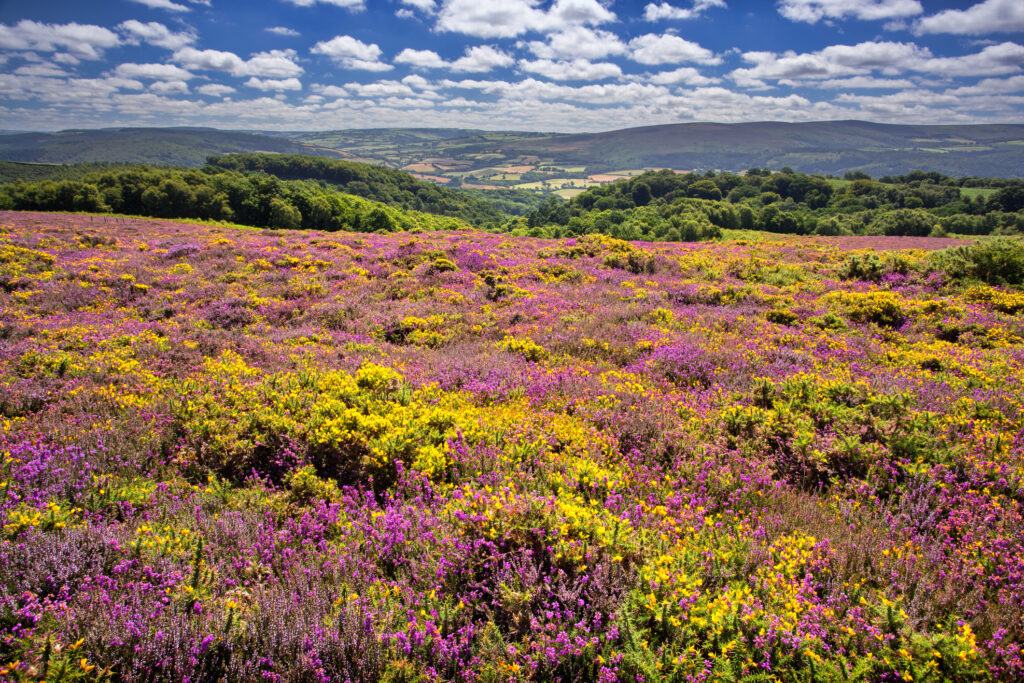
Prime locations include Exmoor, Wiltshire and Northumberland – areas with multiple access points to renowned estates. Properties with heritage features, self-contained guest accommodation and local shoot connections are particularly in demand. “They come over for a week or two,” Lawson explains, “base themselves in one place, and travel around. If you’re positioned well, the income can be substantial.”
While many of these agreements are informal and discreet, high-end tenancies often involve robust private contracts. “At that level, everything needs to be precise,” adds Harry Gladwin, our Cotswolds Partner. “These owners expect their property to look untouched when they return.”
Short-Term Demand with Long-Term Appeal
From Henley-on-Thames to Glastonbury, homeowners are increasingly capitalising on the surge in demand tied to Britain’s summer event calendar.
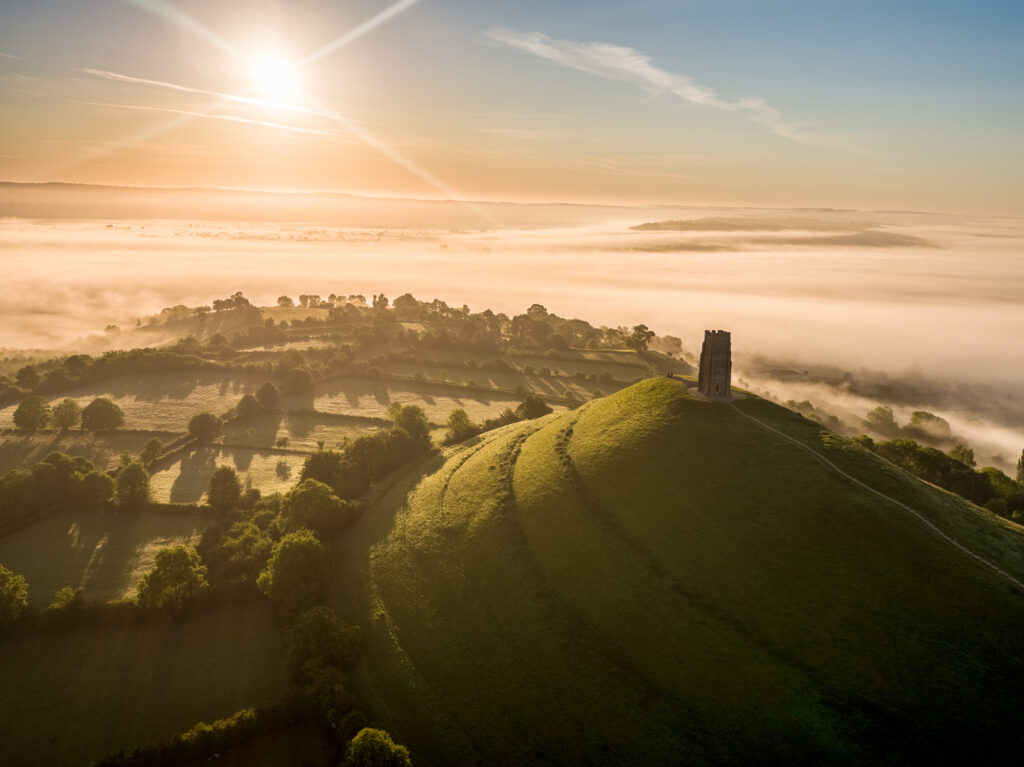
“People rent out their homes for those five days and leave the area,” says Lawson, referencing Glastonbury Festival. “It’s financially worthwhile and a good time to avoid traffic and crowds.” In one instance, a client in the music industry purchased a second home nearby purely to host guests and entertain during the festival week.
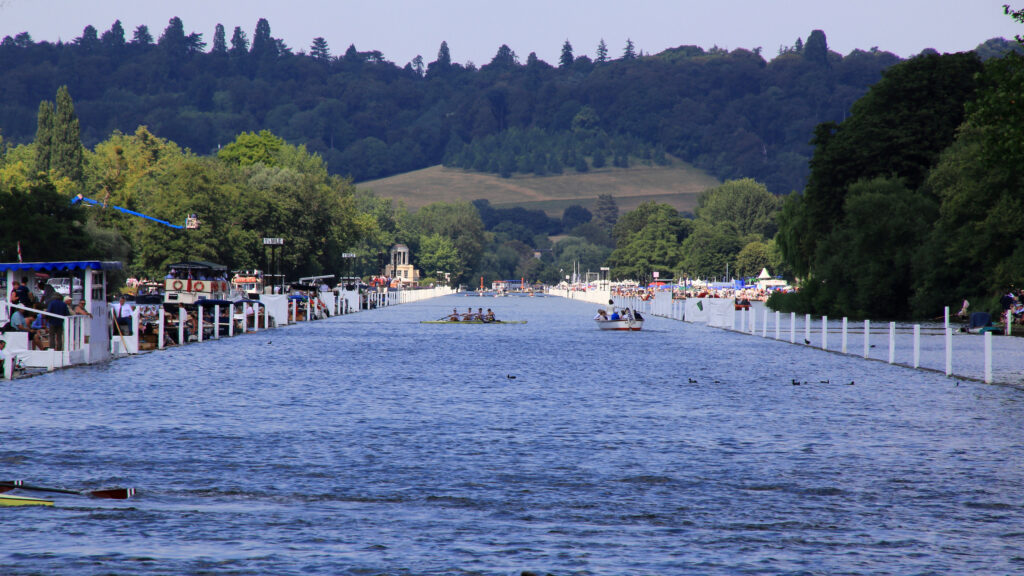
For homeowners in and around Henley, demand builds across multiple regattas, culminating in the six-day Royal Regatta. “You find annexes fitted with rows of single beds for rowers,” says Jemma Scott, our North Home Counties Partner. “It’s highly organised. Some owners are retired couples, others are entrepreneurial young families who leave for the week. It can easily cover the cost of a summer holiday.”
Ascot sees similar demand across the summer racing and polo season, where houses with land or adaptable outbuildings are sought after for temporary use.
Jemma points out that for most in her region, the motivation isn’t investment in the traditional sense. “For many owners, it’s pin money – it pays for a holiday – but it speaks to the enduring appeal of these English towns and villages in and around Henley, Marlow, Ascot and Windsor. People want to participate, to feel part of it. It’s invigorating, almost a legacy. The seasonal rental value just adds another layer of appeal.”
The Cotswolds: From Event-Driven to Year-Round Yield
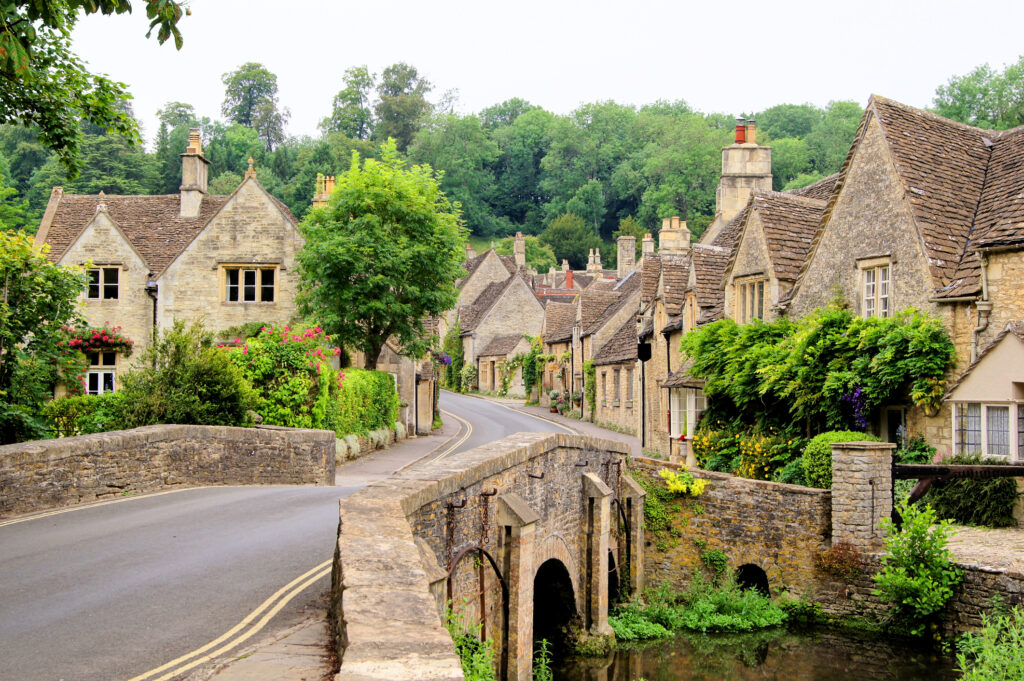
Unlike the more event-specific rental windows in Henley or Cowdray, the Cotswolds has evolved into a year-round short-let market. “People absolutely do it for the money,” says Harry Gladwin. “There’s huge demand – some are paying tens of thousands of pounds a day.”
The draw is no longer just events like the Big Feastival near Kingham or Wilderness near Charlbury, but a broader lifestyle trend. “People want to visit Soho Farmhouse, Estelle Manor or Daylesford and want proximity but may want their own space, rather than staying there. Some owners now routinely rent out their main homes for summer and relocate locally for a few weeks. The income covers their own holiday and often more.”
Gladwin notes that these lets span from modest Airbnb stays to private, high-value arrangements. “There’s a broad range – from a few hundred pounds a night through to five figures. The more exclusive houses are rarely advertised. They’re let privately through networks with staff already in place and very high standards, but everyone is doing it at every level. And why wouldn’t you?”
Wimbledon and London Event Lettings
In south-west London, the Wimbledon Championship’s expanded tennis calendar has long had a tangible impact. “It’s now a month-long window – with the HSBC Championship at The Queen’s Club, early arrivals and the tournament itself,” says James Burridge, our London Partner. “Players and sponsors – brands like Rolex, IMG, Evian – are booking properties well in advance.”
While he notes that many homeowners with prestigious homes in Wimbledon Village are reluctant to let due to concerns over property wear, the premium on offer can be persuasive. “It’s not a core investment strategy,” James adds, “but it does provide optional income, particularly when paired with other events like the Open Golf or London’s summer arts season.”
The same dynamic applies in Chelsea, where events like the Chelsea Flower Show drive short-term Airbnb interest. “It’s a multi-purpose demand in London during the summer months, with culture, sport and business travel all overlapping,” says James.
Flexible Ownership with a Return
Across all regions, one consistent theme emerges: owners are increasingly looking for versatility – properties that provide enjoyment and, when required, deliver income.
“You wouldn’t buy a house in Wimbledon just for the Championships,” says Katherine. “But if you’re buying anyway, having the option to let for a month makes a lot of sense.”
Jemma sees it as part of a broader recalibration. “Buyers today want properties that can work harder. A good location, strong local schools, National Landscape status – but also event access and letting potential. It’s no longer enough just to have a good train into London.”
Lawson agrees: “The events put these places on the map, but the income opportunity is now part of the conversation. These aren’t traditional buy-to-lets – they’re flexible assets. And people are increasingly running the numbers.”
For news, expert commentary and invaluable property insight, subscribe to The Insider, our quarterly newsletter, here.
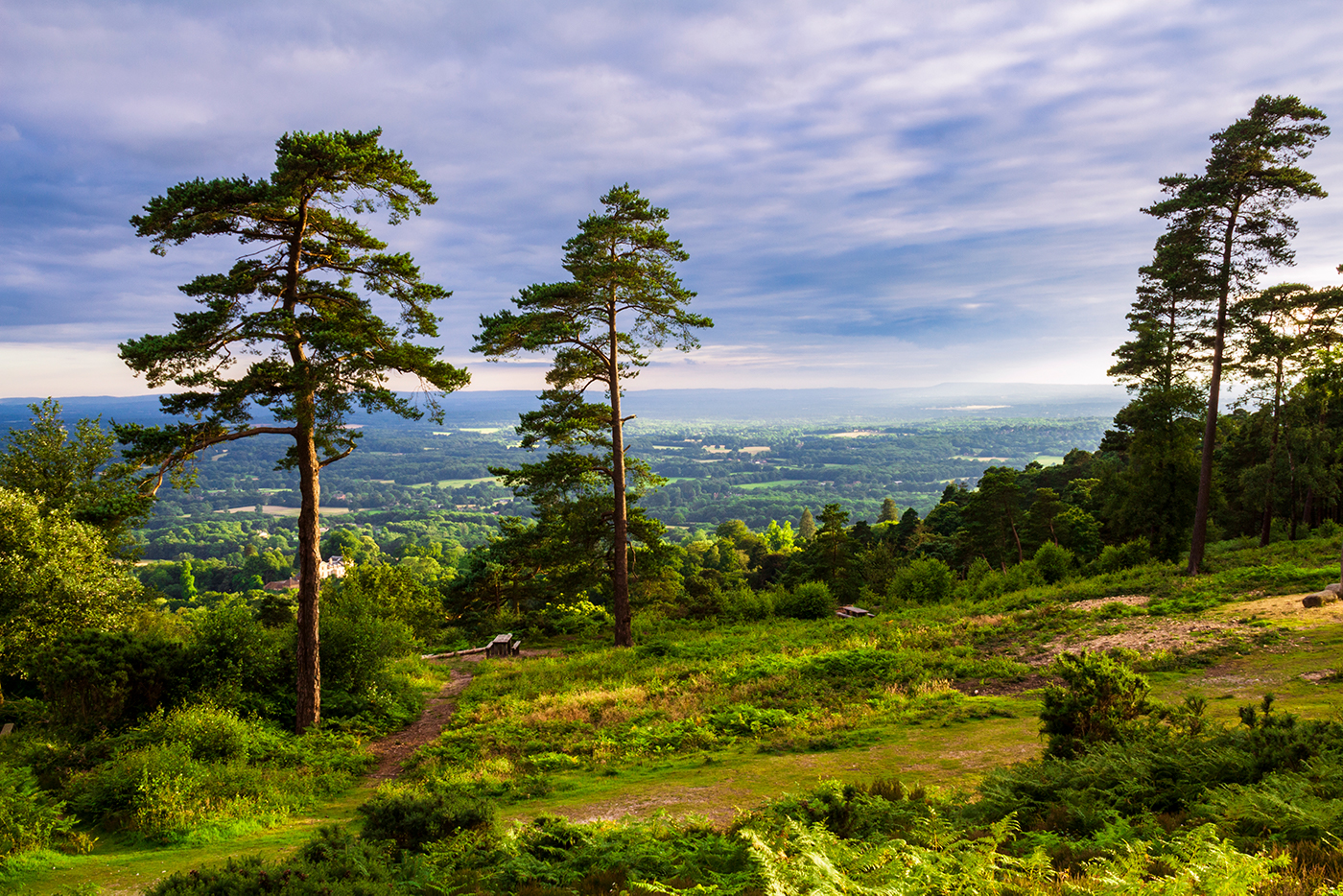
With their blend of community, countryside and convenience, the villages peppering the Surrey Hills are perennially popular with families and downsizers alike, writes our Southern Home Counties Partner Katherine Watters, a lifelong resident
As a property buying agent born and bred in the Surrey Hills, I’ve had the privilege of guiding countless families, couples and individuals through their search for the perfect home in this unique corner of England.
Whether Shamley Green, Wonersh, Hascombe, Holmbury St Mary, Shere or Abinger, the enduring appeal of these villages remains as strong today as it was when I first began my career, if not stronger. In an age when lifestyles are increasingly shaped by hybrid working, wellness and a yearning for community, these villages offer the ideal balance.
A Place for All Stages of Life
One of the most striking features of the Surrey Hills property market is how it supports homeowners through all stages of life. Families often start on the edge – perhaps in Wonersh Park or the immediate Guildford villages – then scale further into the hills as their needs and resources grow. Later, the pattern reverses: downsizers tend to gravitate back towards the larger villages, seeking amenities and social connections. With excellent schools, sporting clubs, and annual events such as village fetes and dog shows, these communities appeal to every generation.
Shamley Green: The Quintessential Surrey Village
If one village epitomises what buyers seek in the Surrey Hills, it is surely Shamley Green. Time and again, clients relocating from southwest London (who 10 years ago made up 70 per cent of my clients, while today the majority are already based here) are immediately charmed by it. The village green, with its duck pond, period homes and cricket pitch overlooked by the Red Lion Inn, the thriving local pub, conjures a quintessentially English scene. Even the cherry tree beside the local bus stop is a draw, reliably flooding social media with its blossom each spring.
Yet Shamley Green’s appeal lies in its balance; it is bucolic with a lot going on. Here, you are on the edge of true countryside and feel part of village life, yet close enough to Guildford’s mainline station to reach London in under an hour if you time it right. There is a very active village hall, and the ever popular café Forge on the Green has become a real hub for locals. And from the village itself, bridleways and footpaths rise into the Surrey Hills, offering superb walking, cycling and riding opportunities. Add in good schools – Longacre School, Cranleigh, and St Catherine’s School in neighbouring Bramley – and it’s no wonder Shamley Green sits high on most Surrey buyers’ lists.
Wonersh and the Stepping Stones of Suburban-Rural Life
Adjacent to Shamley Green is Wonersh, another pretty gem that provides a slightly different flavour. More of a suburb of Guildford, Wonersh is often seen as a stepping stone for those moving out of London. Wonersh Park is particularly popular with families, offering substantial detached houses with generous gardens, often half an acre or more within a gated estate where children can safely roam and visit friends. For many, this is the first move before venturing further into the Surrey Hills proper.
What Wonersh shares with Shamley Green is a community spirit, bolstered by excellent local schools and sporting clubs such as Blackheath Cricket Club – a cherished Friday night fixture for families. The village hall hosts events, the local pub The Grantley Arms has upped its game to become a destination in its own right, and footpaths from the village lead you directly into the hills.
The Higher Surrey Hills: For Those Who Truly Embrace the Countryside
Beyond the commuter-friendly villages lie the elevated hamlets of Holmbury Saint Mary, Peaslake, Shere and Abinger. These spots are beloved by those who want to feel fully nestled in the hills, and the access to the Hurtwood – the largest area of common land in Surrey – and Leith Hill is unrivalled. This is prime territory for walkers, cyclists and riders – and increasingly, for those who work from home and commute to London just once or twice a week.
Shere, in particular, has gained a certain fame – its charming high street and duck pond featured in the 2006 romantic comedy film The Holiday, drawing visitors and would-be homeowners alike. Yet, for all their prettiness, these villages retain vibrant, close-knit communities, supported by good local schools and thriving pubs that have transformed into high-quality gastropubs and destination dining spots.
Resilience Against Overdevelopment
In an age where housing development looms large across the South East, the Surrey Hills enjoys a level of protection that buyers find reassuring. One of the first areas in the UK to be designated an Area of Outstanding Natural Beauty in 1958, it is 163 square miles now known as the Surrey Hills National Landscape, and development is constrained. While small-scale building may occur, large housing estates are rare, preserving the character of these cherished villages. The allure of this protection is not lost on buyers: in a climate of uncertainty, people are drawn to places where the landscape – and by extension, their investment – is safeguarded.
The Enduring Magnetism of Community and Countryside
Much has changed since the pandemic reshaped how we live and work. Yet the fundamental draw of the Surrey Hills villages remains: beautiful surroundings, access to nature, a sub-one-hour commute, and a strong sense of community. Increasingly, clients tell me they value feeling part of something – whether that’s a school gate network, a cricket club, or simply a friendly local WhatsApp group. The Surrey Hills offers the outdoorsy, active lifestyle that many dream of – without cutting ties to London.
As someone who grew up here and returned like a homing pigeon, that is its enduring magic. Once you make your home here, you really won’t want to leave.
Katherine Watters is The Buying Solution’s Partner in the Southern Home Counties
For news, expert commentary and invaluable property insight, subscribe to The Insider, our quarterly newsletter, here.
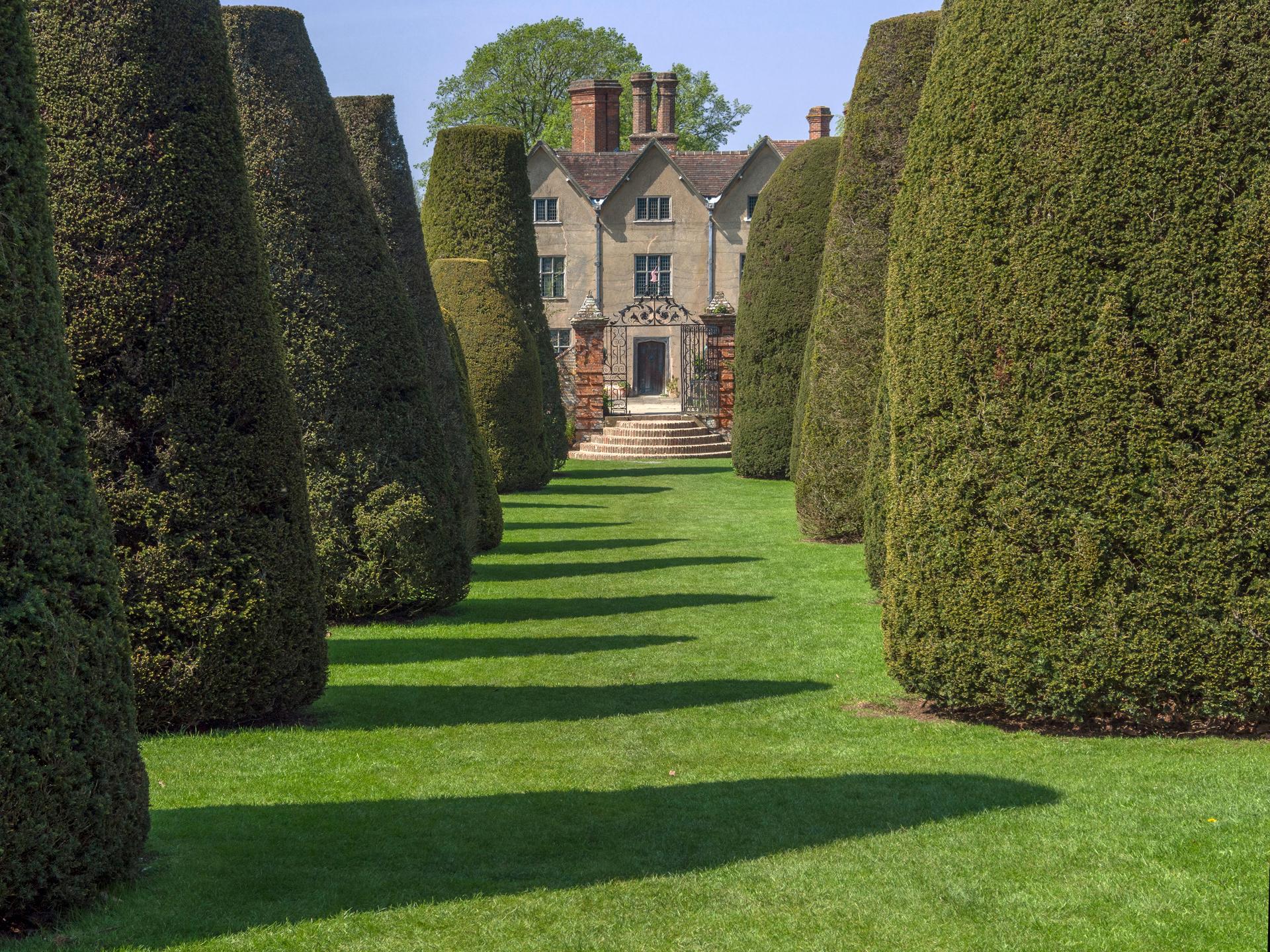
It’s a testing environment in the prime country house market, Idina Glyn of Mishcon de Reya reports for PrimeResi, with insights from our Partners Mark Lawson and Harry Gladwin.
Speaking to Idina Glyn, Partner in the Private Group at Mishcon de Reya, specialising in advising landed estates, UHNW individuals, rural businesses, and charities, Mark said: “After over 30 years of selling and buying in the country, I have never known such a challenging marketplace.”
Harry notes: “here’s a noticeable flight to quality: buyers are more discerning, less willing to compromise, and very value-conscious, so anything that’s compromised – whether on location, presentation or condition – is sticking.”
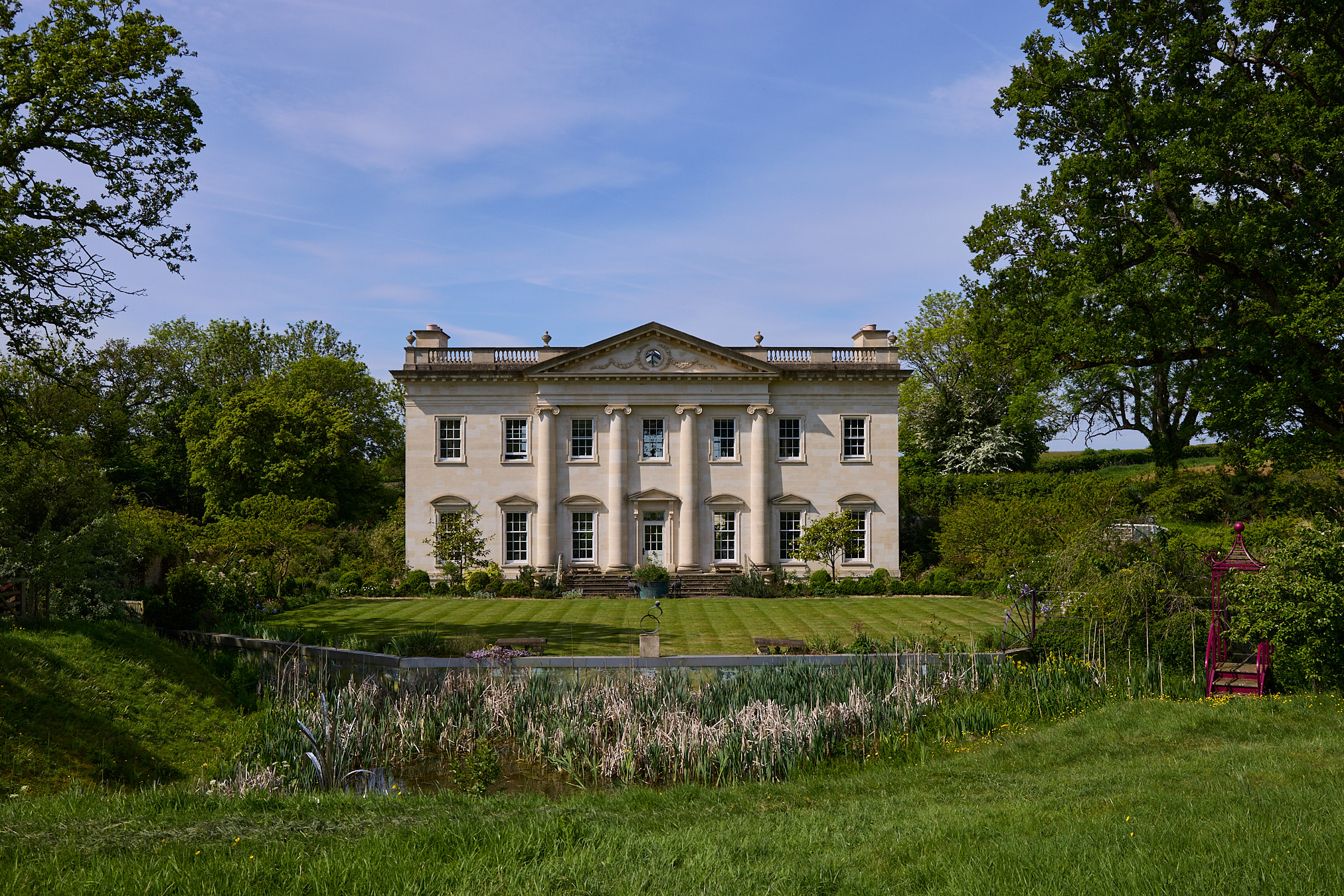
As the modern Palladian revival country house Daisy Green in Wotton-under-Edge, Gloucestershire, goes on the market, a recent article in Robb Report shares expert insight from our Cotswolds Partner Harry Gladwinon what the modern Cotswold buyer wants.
Boz Gagovski Photography
It may look like an exceptionally well-preserved 18th-century Cotswolds villa, but Daisy Green in Gloucestershire dates, in fact, to 2011 and was built by the artist and designer Susanna White of Studio Whiteworks and her husband, John.
Writing in Robb Report, journalist Abby Montanez reports that today’s Cotswold buyers seek traditional beauty with modern comfort – and more than just a weekend escape, quoting Harry Gladwin, Head of the Cotswolds Region at The Buying Solution.
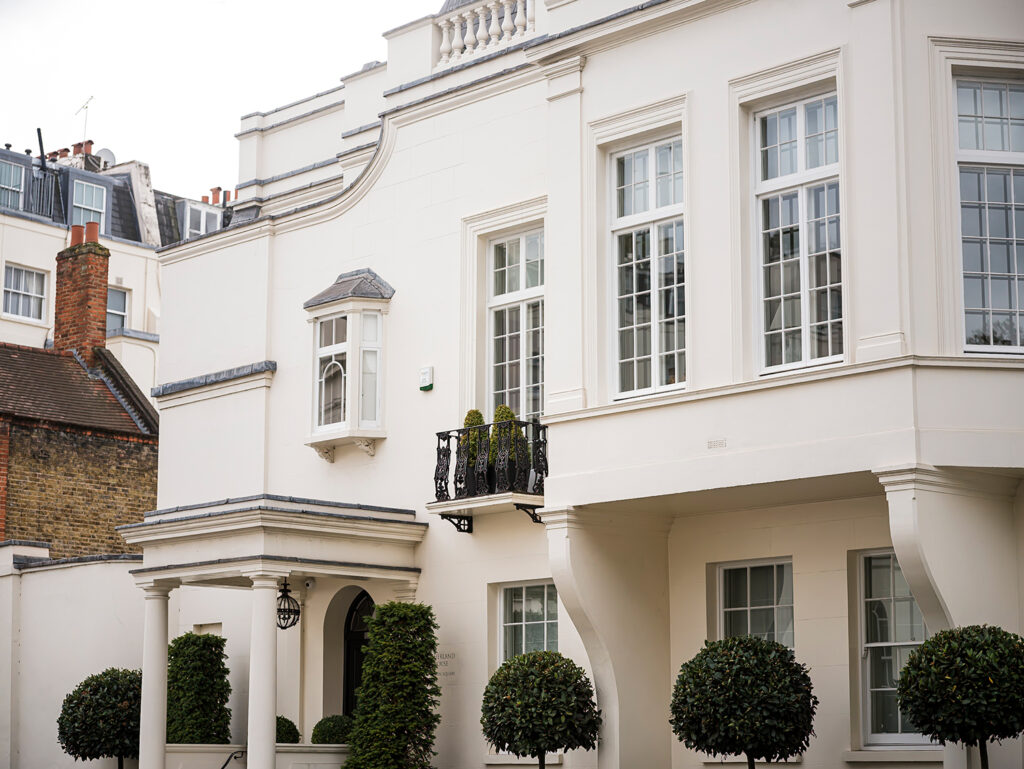
These two elegant enclaves of central London are enjoying something of a quiet renaissance. And for buyers who are open-minded – and savvy – there’s real opportunity to be found, writes Will Watson, Head of The Buying Solution
Sarah Frances Kelley for The Buying Solution
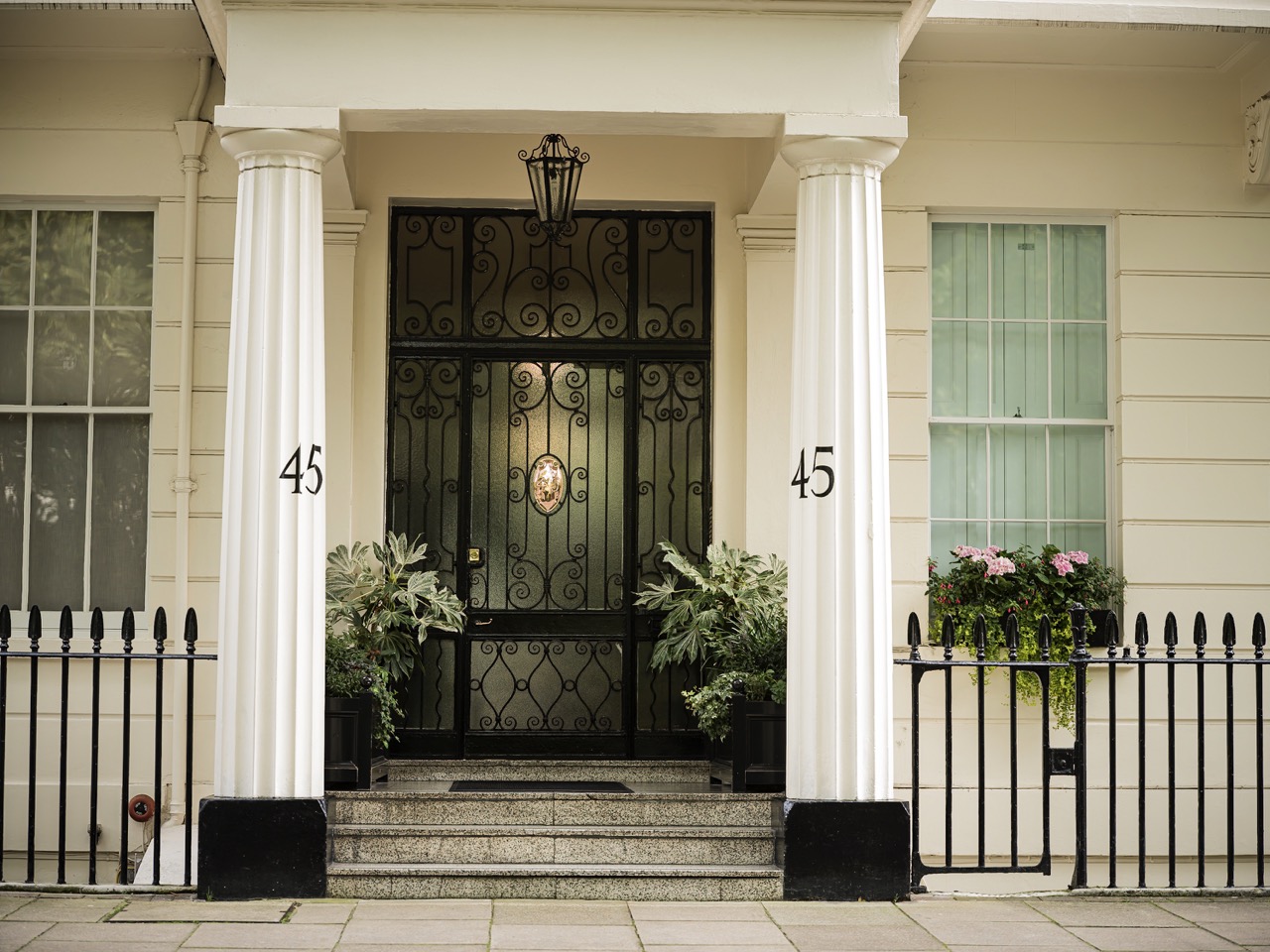
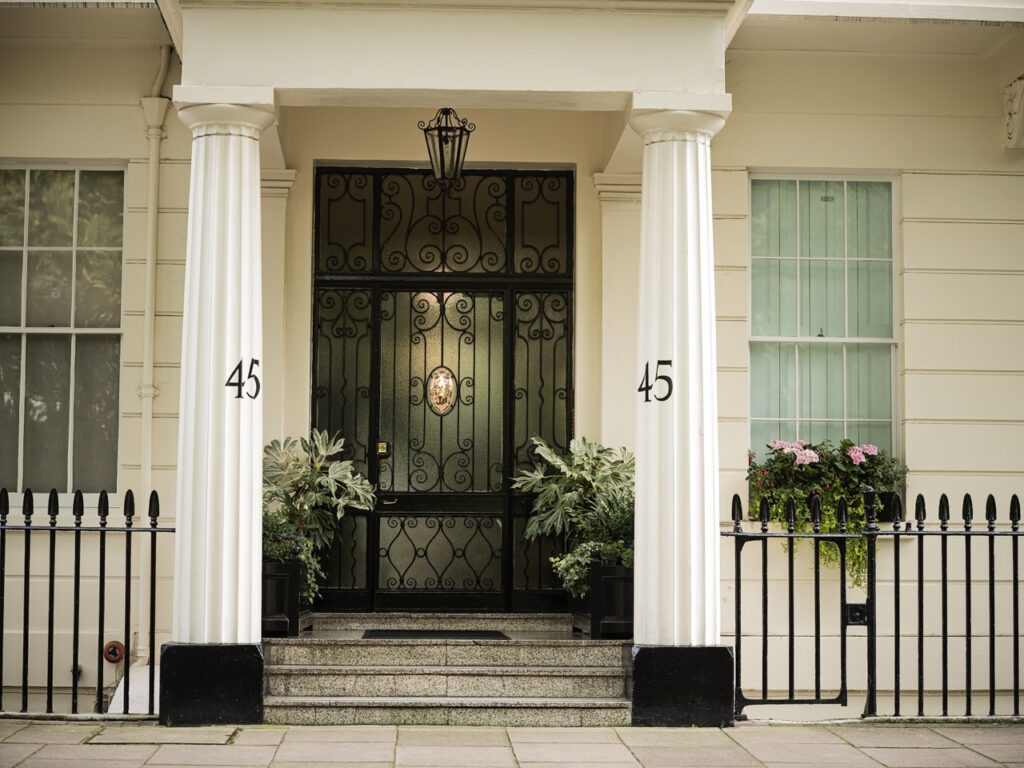
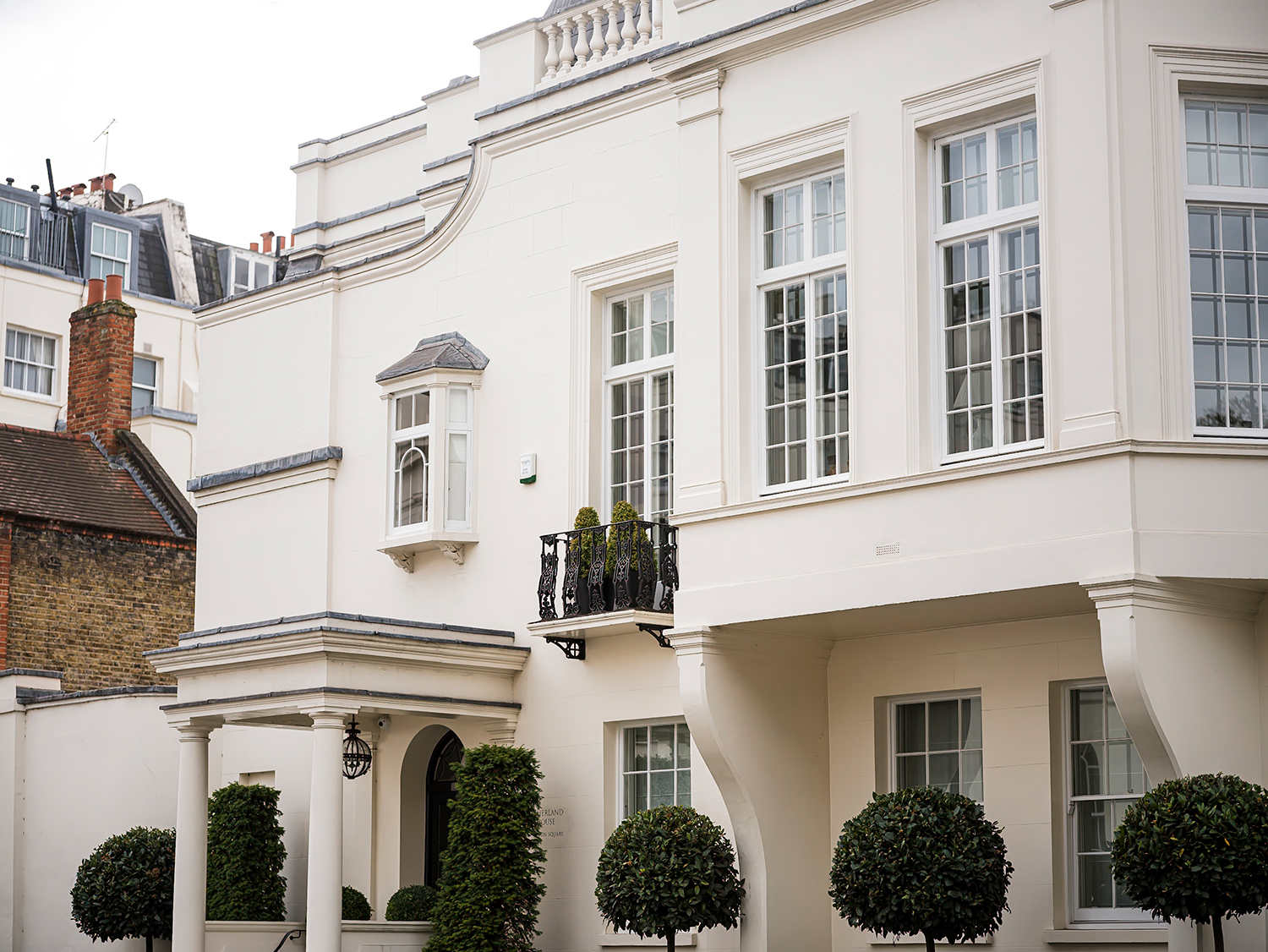
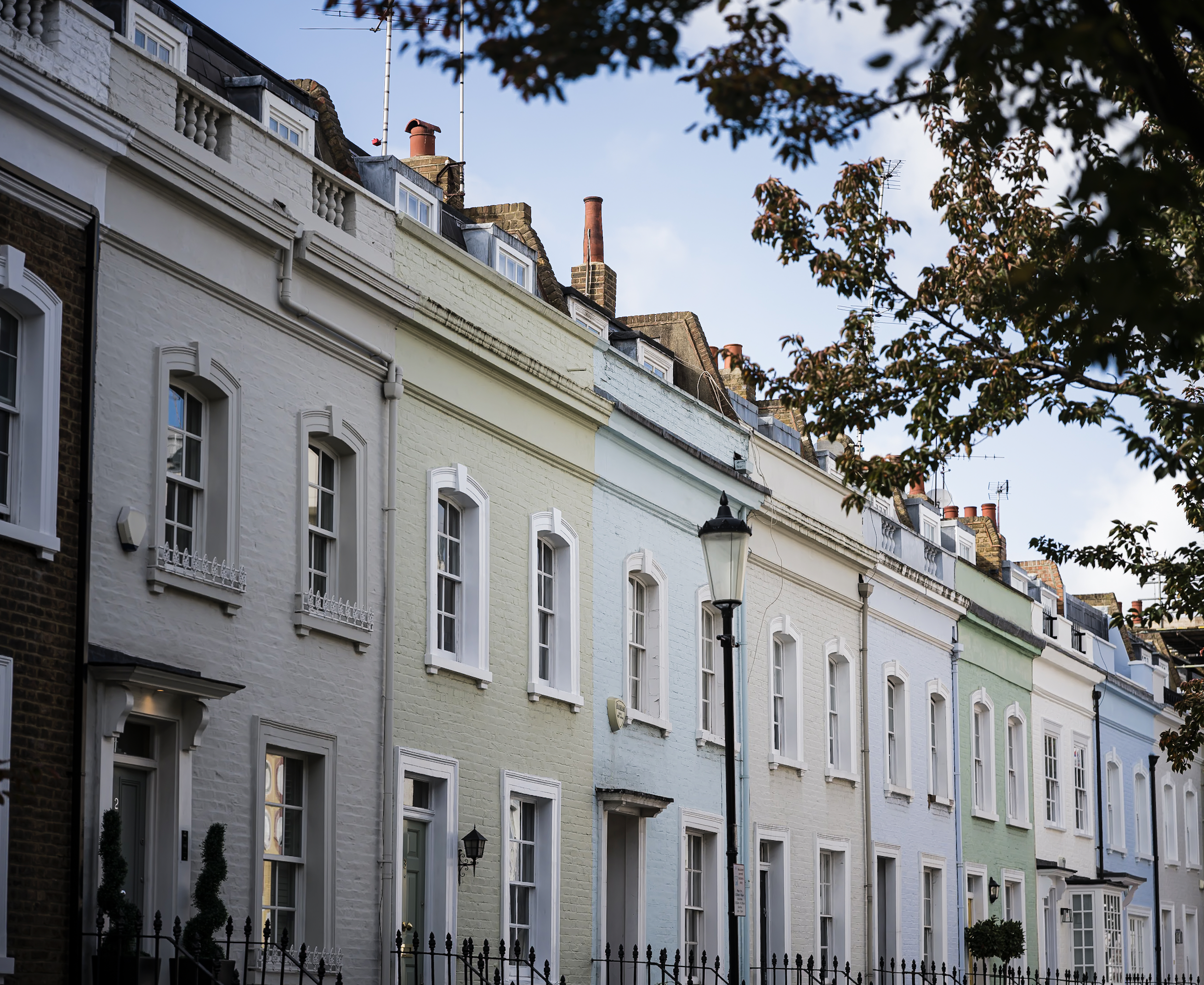
Chelsea and Belgravia are neighbourhoods I know intimately, and lately, I’ve found myself encouraging clients to take a second look.
I’ll say it plainly: these two London enclaves haven’t been in vogue recently. They’ve been somewhat edged out of the spotlight by the likes of Notting Hill, Holland Park and Kensington, where demand has surged post-Covid thanks to their broader layouts, lateral space and larger gardens.
But for those willing to broaden their search, Chelsea and Belgravia currently represent some of the best value we’ve seen in over a decade.
The Price Gap That’s Turning Heads
In today’s market, price per square foot is telling. You can now buy in parts of Chelsea and Belgravia for close to £1,500 per square foot. To put that in context, that’s comparable to what you’d pay in some parts of South West London. For Prime Central London postcodes with internationally recognised names, that’s remarkable.
Why the softness? Quite simply, demand hasn’t been as fierce. While overseas buyers and Brits alike have flocked to buzzy West London hotspots, Chelsea and Belgravia have seen quieter activity. That might sound like a disadvantage – but from a buyer’s point of view, it’s exactly the sort of window of opportunity we look for.
Sarah Frances Kelley for The Buying Solution
Chelsea: Character, Creativity and Enduring Appeal
Few corners of Prime Central London balance polish and personality quite like Chelsea. Stylish without being showy, it manages the elusive feat of feeling both cosmopolitan and neighbourly – a rarity among its ultra-prime peers.
One of Chelsea’s real strengths is its sense of community. Around the garden squares such as Carlyle, Chelsea and Burton Court – residents come together for seasonal events, weekend markets and school holidays. There’s a rhythm to life here that’s genuinely fulfilling and sets Chelsea apart from shinier but more transient enclaves nearby.
Architecturally, Chelsea is a pleasingly eclectic affair. From Georgian and Victorian townhouses to Arts and Crafts gems and Edwardian villas, it offers more variety than you might expect. That mix makes it feel layered and interesting – never sterile.
The King’s Road still hums with energy, albeit more considered than its 1960s heyday. Today’s blend of designer flagships and independent boutiques gives it a retail relevance that continues to draw discerning shoppers. The Duke of York Square fine food market, held every Saturday, is a weekend staple, and the two-year £46 million refurbishment of Sloane Street has brought a welcome gloss to this already prestigious postcode.
But perhaps Chelsea’s most compelling asset is its artistic pedigree. The blue plaques scattered through the neighbourhood read like a Who’s Who of British cultural history. J.M.W. Turner painted marine scenes just off Cheyne Walk. The Pre-Raphaelites – Rossetti, Holman Hunt, Collier – settled here for the light and the company. Bram Stoker, author of Dracula, lived on St Leonard’s Terrace. The Chelsea Arts Club, founded in 1890, became a hub for creative exchange, and by the 1920s the area boasted the highest concentration of professional artists in London. The author of Mary Poppins, P.L. Travers, lived and worked at 50 Smith Street, just off the King’s Road.
And this artistic tradition continued. From the creation of The Beatles’ seminal Sgt. Pepper’s Lonely Hearts Club Band album cover at Chelsea Manor Studios to punk’s genesis on the King’s Road with Vivienne Westwood and Malcolm McLaren. Today, the Saatchi Gallery in Duke of York Square continues to champion new and provocative talent.
Add to that the Royal Court Theatre’s trailblazing programming – most recently Giant, starring John Lithgow, which transferred to the West End – plus proximity to the South Kensington museums, Battersea Park’s green expanse, and a choice of high-performing schools, and Chelsea’s appeal becomes clear. It is that rare thing: a prime London address with genuine soul.
Sarah Frances Kelley for The Buying Solution
Belgravia: Classical Beauty, Renewed Energy
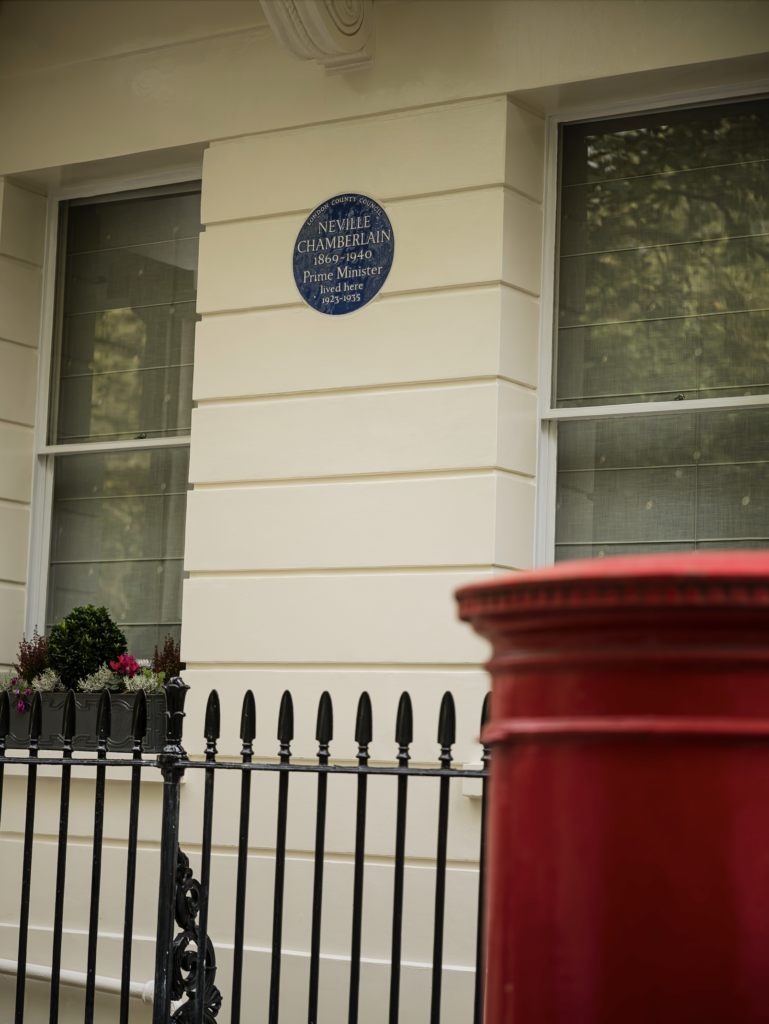
Belgravia, meanwhile, has always been a symbol of timeless London: grand terraces, private garden squares, and a sense of old-world elegance you simply can’t recreate. Once home to Prime Ministers, actors and rock stars, Belgravia’s cultural cachet is still a draw. What’s exciting today is that it’s being subtly revitalised, attracting a younger buyer.
You only need to walk down Motcomb Street – now pedestrianised and full of life – to feel the change. Independent boutiques, refined restaurants such as Michelin-starred Pétrus by Gordon Ramsay and Amaya, as well as destination hotels The Berkeley and The Hari hotel, give it an international energy. Then there’s Elizabeth Street, near Chester Square – regarded as one of the prettiest streets in London – and full of independent boutiques and cosy pubs and restaurants. It’s where you’ll find the Jo Loves flagship store, famed milliner Philip Treacy, and Samantha Cameron’s label Cefinn, as well as Summerill & Bishop for homeware and the Tomtom Cigars and coffee lounge.
Yes, the architecture here can be formal – these are tall, narrow townhouses, many of them listed. But they’re also beautiful. Eaton Square, Belgrave Square, Chesham Place – these are some of the capital’s most iconic addresses. And for those who value heritage, privacy and centrality, Belgravia is hard to beat.
Its location is one of its strongest assets. You’re on the doorstep of Mayfair, Hyde Park, Sloane Street and the West End – and yet, Belgravia remains incredibly serene. It’s perfect for buyers who want classic London with a dash of discretion. It may not shout for attention – but it quietly impresses.
Why Buy Now?
As well as being neighbours, what ties Chelsea and Belgravia together is their current positioning in the market. While other neighbourhoods such as Notting Hill or Kensington have surged in recent years, Chelsea and Belgravia have remained more stable. And that’s where the opportunity lies.
If you’re buying for the long term, these are well-established, globally recognised locations with incredible fundamentals: beautiful architecture, prime positioning, world-class retail and culture. And because they haven’t been in the spotlight recently, they offer genuine value.
Which is Right for You?
If you want quiet grandeur, proximity to the West End, and architectural consistency, Belgravia delivers. If you’re after a neighbourhood atmosphere, variety and a strong community feel, Chelsea has the edge.
They’re not trying to be trendy, and that’s their strength. These are areas that know who they are – and right now, they offer a compelling combination of stability, style and long-term value.
So when clients ask me where to focus their search in Prime Central London today, I often say: don’t follow the noise. Instead, look where the foundations are strongest – and the future still quietly promising. Chelsea and Belgravia might just surprise you.
For news, expert commentary and invaluable property insight, subscribe to The Insider, our quarterly newsletter, here.
We use cookies to improve user experience and analyze website traffic. By clicking “Accept,” you agree to our website’s cookie use as described in our Cookie Policy.
This website uses cookies to improve your experience while you navigate through the website. Out of these, the cookies that are categorized as necessary are stored on your browser as they are essential for the working of basic functionalities of the website. We also use third-party cookies that help us analyze and understand how you use this website. These cookies will be stored in your browser only with your consent. You also have the option to opt-out of these cookies. But opting out of some of these cookies may affect your browsing experience.
Necessary cookies are absolutely essential for the website to function properly. These cookies ensure basic functionalities and security features of the website, anonymously.
Cookie
Duration
Description
cookielawinfo-checkbox-analytics
11 months
This cookie is set by GDPR Cookie Consent plugin. The cookie is used to store the user consent for the cookies in the category "Analytics".
cookielawinfo-checkbox-functional
11 months
The cookie is set by GDPR cookie consent to record the user consent for the cookies in the category "Functional".
cookielawinfo-checkbox-necessary
11 months
This cookie is set by GDPR Cookie Consent plugin. The cookies is used to store the user consent for the cookies in the category "Necessary".
cookielawinfo-checkbox-others
11 months
This cookie is set by GDPR Cookie Consent plugin. The cookie is used to store the user consent for the cookies in the category "Other.
cookielawinfo-checkbox-performance
11 months
This cookie is set by GDPR Cookie Consent plugin. The cookie is used to store the user consent for the cookies in the category "Performance".
viewed_cookie_policy
11 months
The cookie is set by the GDPR Cookie Consent plugin and is used to store whether or not user has consented to the use of cookies. It does not store any personal data.
Functional cookies help to perform certain functionalities like sharing the content of the website on social media platforms, collect feedbacks, and other third-party features.
Performance cookies are used to understand and analyze the key performance indexes of the website which helps in delivering a better user experience for the visitors.
Analytical cookies are used to understand how visitors interact with the website. These cookies help provide information on metrics the number of visitors, bounce rate, traffic source, etc.
Advertisement cookies are used to provide visitors with relevant ads and marketing campaigns. These cookies track visitors across websites and collect information to provide customized ads.