Security and the New London Property Brief

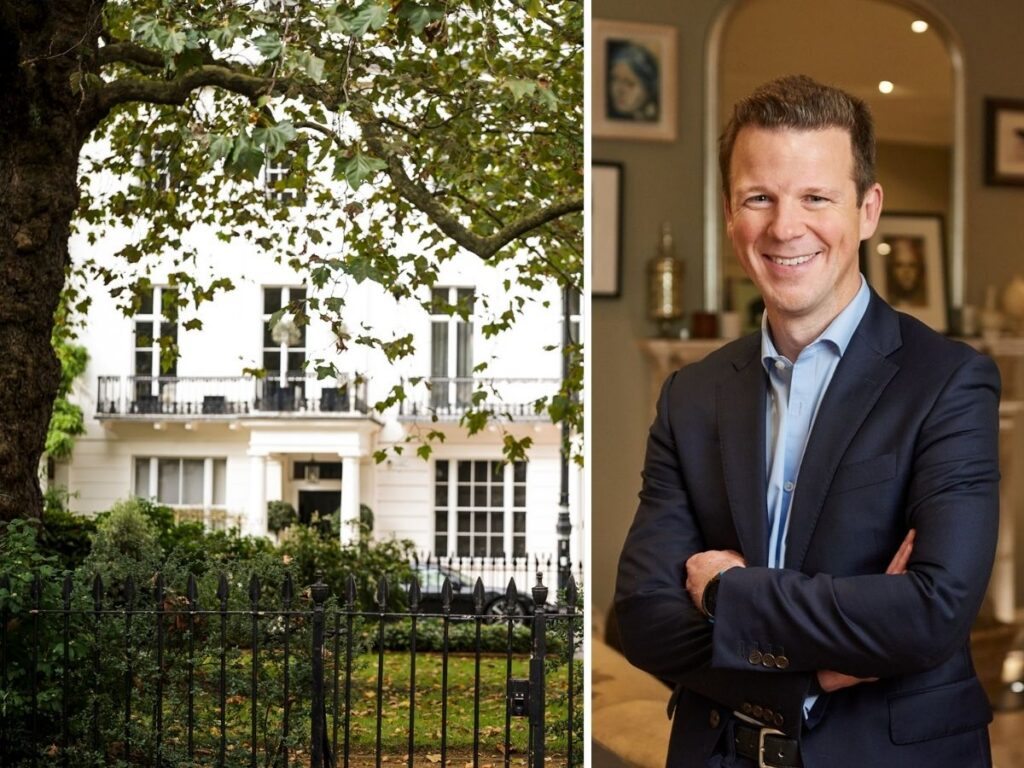
As crime headlines reshape perceptions of life in the capital, security has become an integral part of the property brief for buyers in prime central London. Yet the most effective safeguard is not technology or patrols, but discretion – both online and at home, writes our Partner and London specialist Philip Eastwood.
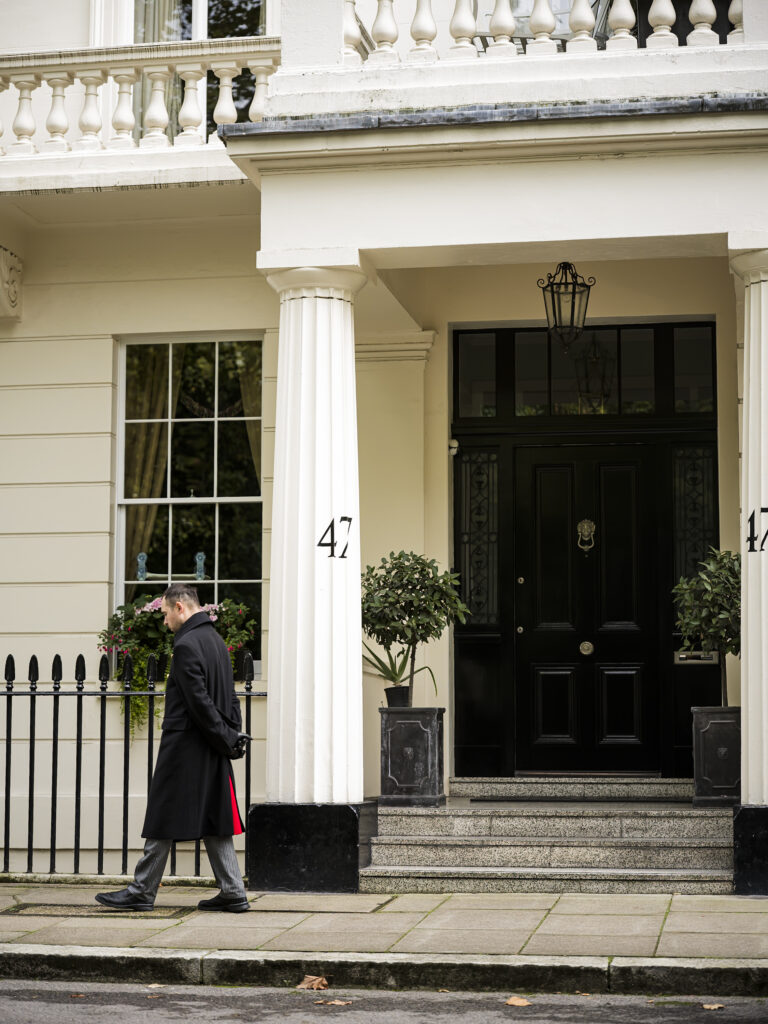
Sarah Frances Kelley for The Buying Solution

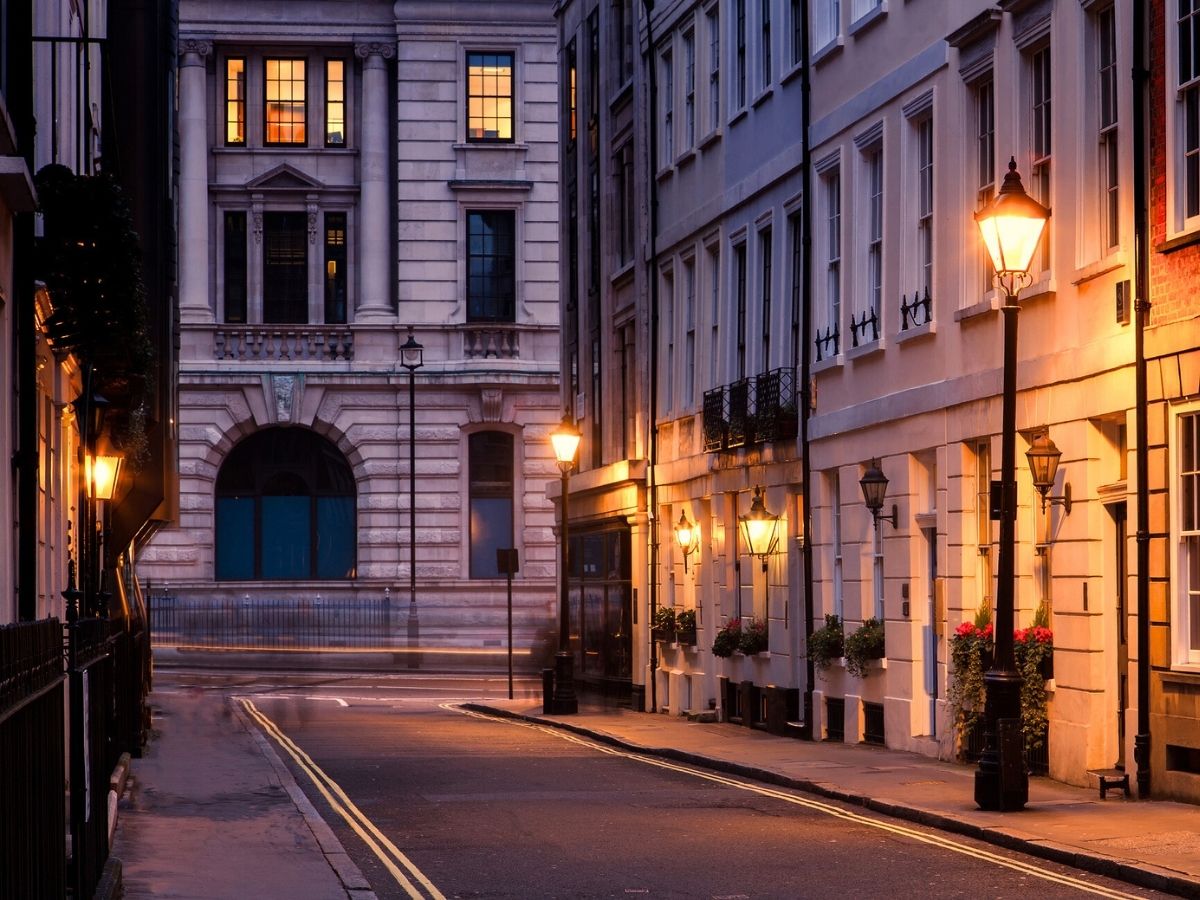
For much of the past two decades, the brief given to a prime central London buying agent has been reassuringly familiar: lateral space, period architecture, a garden square address, perhaps proximity to the best schools. Security, when mentioned at all, tended to mean little more than a functioning alarm system and a sturdy front door.

Today, that brief has evolved. Increasingly, security – and perhaps, more accurately, the perception of security – forms part of the conversation when clients consider purchasing property in the capital.

The reality, however, is more nuanced than the headlines might suggest. According to new analysis from the Mayor’s Office for Policing and Crime (MOPAC), many forms of crime in London are falling. In the first quarter of the 2025/26 financial year, residential burglary fell by 10 per cent compared with the same period the previous year, while theft from the person and personal robbery both declined by 13 per cent. These reductions follow increased investment in visible neighbourhood policing, including a significant uplift in officers on the beat in the West End and new town centre teams focused on tackling phone theft, shoplifting and antisocial behaviour.

Yet statistics rarely shape perceptions as powerfully as stories do. In an age of constant news alerts and social media feeds, a single incident can travel quickly through friendship circles and WhatsApp groups. Before long, everyone seems to know someone – or knows someone who knows someone – who has had a phone snatched or a watch stolen. The result is that security has begun to feature more prominently in property discussions, even as the broader data paints a more reassuring picture.

The Rise of the Discreet Street Patrol

One of the more visible developments can be seen in parts of Kensington and Chelsea, where residents of certain streets have collectively arranged private security. Typically, a security guard sits in a marked car overnight, occasionally walking residents from a taxi to their front door, keeping an eye on the street and acting as a visible presence and possible deterrent. Some patrols circulate periodically, sometimes with dogs, providing reassurance and peace of mind rather than enforcement. The effect is closer to the traditional “bobby on the beat” than to anything resembling private policing.

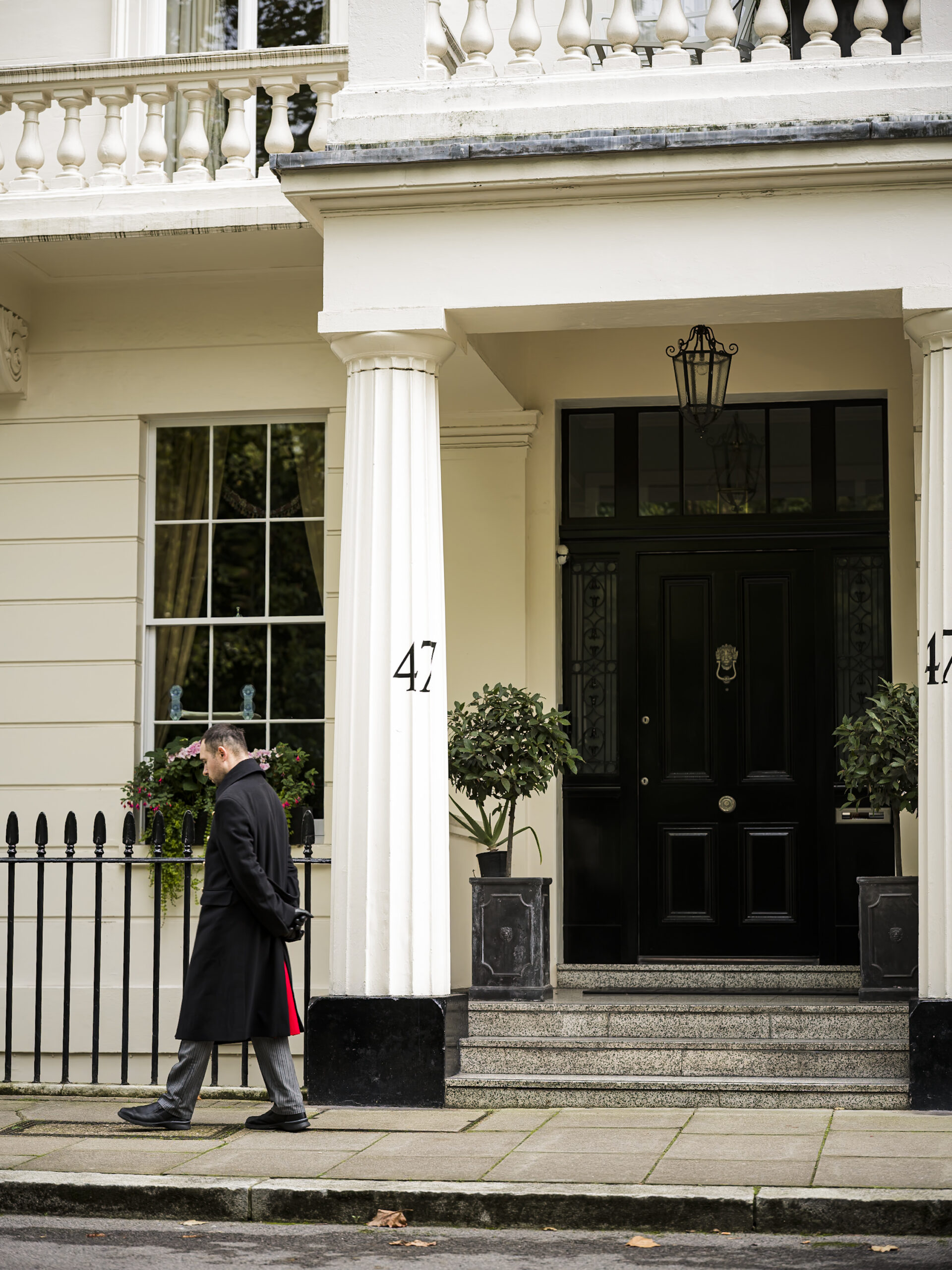
Fifteen years ago, such arrangements were uncommon. Today, they are increasingly familiar in prime neighbourhoods and in some cases, they are linked to large estates. Addresses on the Grosvenor Estate in Mayfair and Belgravia, for instance, benefit from long-established porterage and security systems – part of the discreet infrastructure that has historically made certain London squares particularly desirable.

Portable Wealth in a Digital Age

Part of the shift in how people think about security reflects something fundamental about how we now live. Twenty years ago, most people moved through London carrying relatively little of obvious value. A watch was simply a watch; a handbag was simply a handbag. Even if something was stolen, it was not always easy to sell on, nor was its value necessarily understood by the thief.

Today, however, we move through the city carrying what might reasonably be described as ‘portable assets’ as a matter of course: smartphones worth more than a month’s rent, watches whose resale values can exceed those of a car, handbags that prestigious auction houses now treat as investment categories.

The secondary market has expanded dramatically. Where once stolen goods required a discreet “fence” to sell them on, today a host of online platforms provide an immediate and global marketplace for resale. The economics of crime have changed.

At the same time, our digital habits have created an entirely new layer of exposure. Social media has normalised the public display of wardrobes, jewellery collections and travel plans to a global audience. From a security perspective, it is rather remarkable.

Announcing a two-week holiday on Instagram is, in effect, the modern equivalent of placing an advertisement that reads: Our house will be empty until the 14th. Posting photographs of newly acquired luxury items performs a similar function. With modest effort, someone inclined to do so can identify where photographs were taken, determine neighbourhoods and piece together patterns of movement.

For high-net-worth individuals in particular, managing one’s digital footprint has therefore become an increasingly important element of personal security. In many cases, it matters more than cameras or alarm systems. Discretion, therefore, remains the most effective safeguard of all.

Technology is No Silver Bullet

Clients may ask whether technology can offer a definitive answer. Smart doorbells, integrated alarm systems, remote monitoring, camera networks – the modern home can certainly be equipped with formidable security infrastructure. Many properties in prime London now include these features as standard.

Yet there is no technological silver bullet. Cameras may deter some criminals but are likely to just send determined ones next door. Alarm systems can reduce risk, but they do not eliminate it. Even the most sophisticated digital systems carry their own vulnerabilities. What’s to say they won’t be hacked? Security, ultimately, needs a layered approach, rather than a single solution.

Discreet Measures

The most effective measures tend to be the least visible. A well-positioned safe. A cautious approach to exterior lighting to prevent advertising the superior finish or interior of the house. Careful vetting of contractors and staff, and sensible habits around the display – both real and digital – of valuables.

Sometimes it is as simple as having two safes rather than one, a precaution adopted in certain households in case of forced entry. More extreme measures do exist, of course. Panic rooms, private bodyguards and other forms of high-end protection are certainly present in London. But they remain the exception rather than the rule, and when they are used, they are handled with the utmost discretion. Indeed, the defining characteristic of those who invest seriously in security is that they rarely talk about it.

A City That Remains Remarkably Liveable

None of this should be mistaken for alarmism. London today is, in many respects, far safer than it was in previous decades. Areas once considered marginal or even dangerous have become some of the city’s most desirable addresses – Notting Hill is a case in point. Neighbourhoods that would once have raised eyebrows now command extraordinary property prices.

Crime has always existed in large cities. What has changed is the way it is reported, discussed and perceived. We now live in an era of continuous information. Every incident, however small, can appear instantly on a news feed. The effect is cumulative: a sense that problems are everywhere, even when the broader picture is more reassuring.

A salient lesson for how quickly perceptions of safety can shift can be learned from Dubai. For years the emirate was held up by many international buyers as the ultimate safe haven: low crime, strong policing and a lifestyle where valuables could be worn or left in plain sight without concern. Some London residents even relocated there in search of precisely that sense of security.

Yet recent geopolitical tensions in the wider region have served as a terrible reminder that no global city exists entirely in isolation from risk. For internationally mobile families, it has reinforced a broader truth: safety is rarely absolute. Rather, it is a question of perception, context and prudent personal judgement – whether in London, Dubai or anywhere else.

The First Rule of Security

For property buyers navigating this environment, the advice is surprisingly simple. Choose a well-run building or a well-organised street. Invest in sensible security measures. Be thoughtful and careful about digital exposure. Above all, practise discretion.

The most effective form of security is rarely the most visible. It is the firm decision not to advertise what one owns, where one lives or when one is away. In prime London property, that principle has become part of the modern brief. And, in truth, it always was.

Philip Eastwood, The Buying Solution, Partner, London

Philip Eastwood is our Partner in London

For news, expert commentary and invaluable property insight, subscribe to The Insider, our quarterly newsletter, here.

The A to Z of the UK Property Market 2026

The UK property market is evolving fast, shaped by shifting buyer priorities, new hotspots and changing lifestyles. House & Garden magazine’s A–Z guide decodes the key trends, challenges and innovations defining property across the UK today, with insight from our Partner Mark Lawson.

From emerging commuter towns to renovation trends and the rise of multi-generational living, today’s property landscape blends financial strategy with emotional decision-making.

Our Partner and specialist in the Southern Counties and High Value Residential and Rural Estates, Mark Lawson, joins other leading industry experts in House & Garden discussing how to navigate buying, selling and renting in 2026, while uncovering value-adding opportunities.

Mark is quoted under U for “Unconventional Buildings”, commenting on Britain’s tradition of living in buildings never intended to be homes.

Read the article here.

Britons Fleeing Dubai for London Rentals

Britons who settled in Dubai attracted by its perceived safety are contacting luxury property agents to arrange emergency £5,000-a-week rentals in London, writes David Byers in The Times. Will Watson, Head of The Buying Solution, shares his insights.

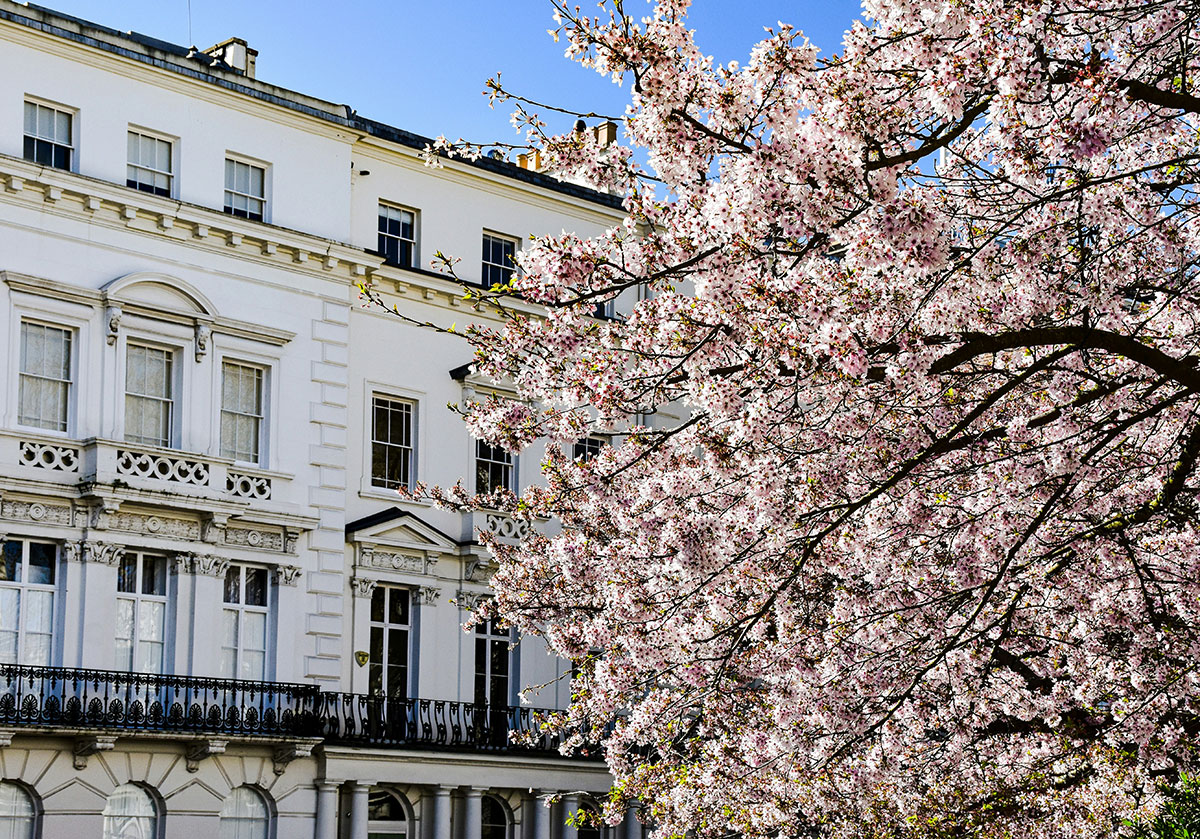
Large pink blossom tree next to white period houses in London's Notting Hill

As property agents report at 15% increase in enquiries from the UAE, Britons who relocated to Dubai are anxious to return to the UK, reports David Byers in The Times. Will Watson, Head of The Buying Solution, and currently acting on behalf of three Dubai-based clients, offers his observations.

Read the article here.

The Return of Service Bells

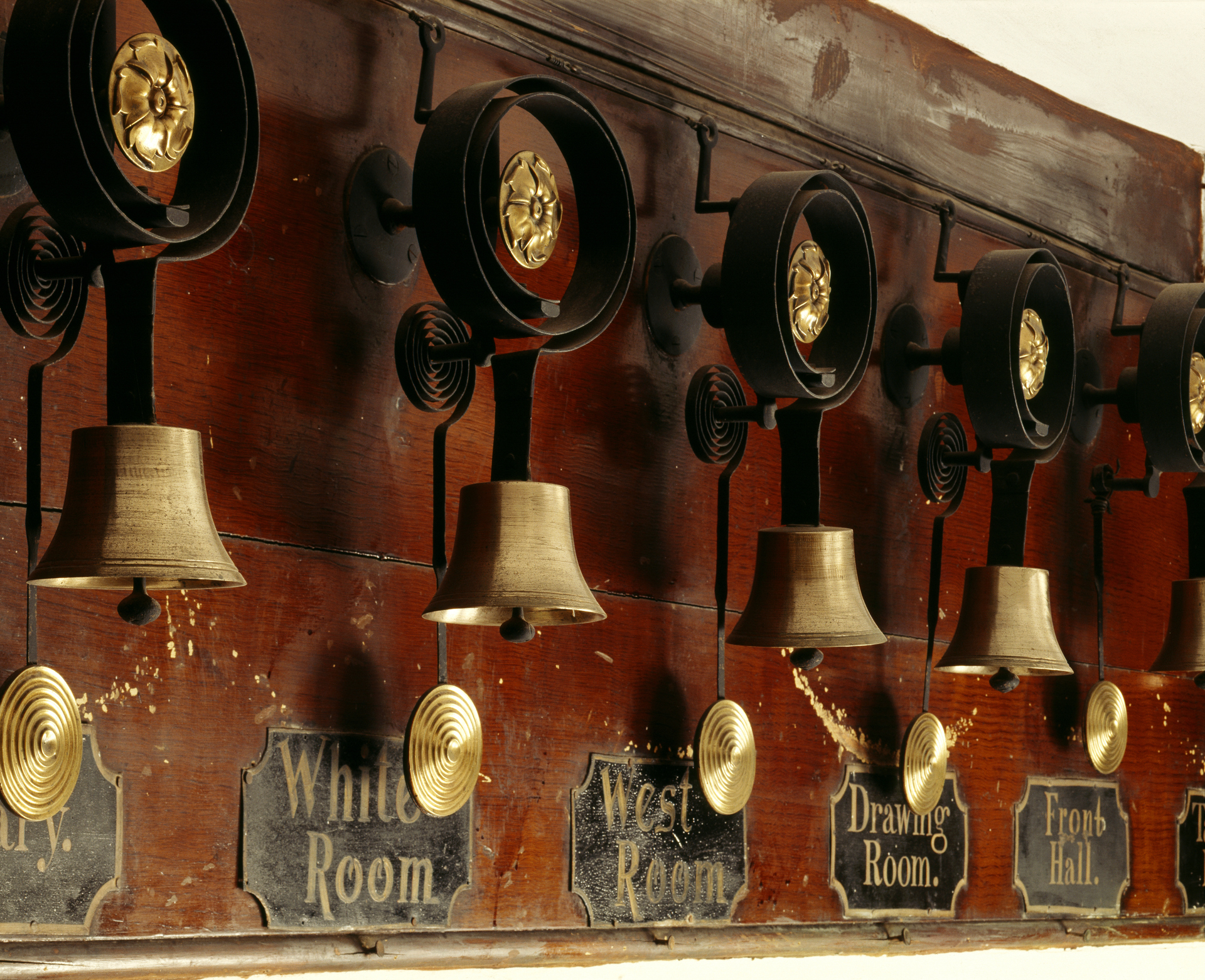
Once an integral part of the orderly running of a stately home, service bells fell out of use with the dawn of modern technology. But as our Partner Mark Lawson shares with Lucy Clayton in the Financial Times, these once anachronistic artefacts are enjoying a revival.

From summoning a breakfast tray to requesting a nightcap, service bells have been used since the mid-18th century to ensure the smooth running of stately homes and large houses. As Lucy Clayton reports in the Financial Times, they are now being installed as part of contemporary house renovations, both for aesthetic and practical reasons. Mark Lawson, our Partner for the Southern Counties & High Value Residential & Rural Estates, shares his insights.

Read the article here.

United States of the Cotswolds

Some 13 per cent of prime sales in the Cotswolds in 2025 were to Americans, report Melissa York and David Byers in The Times. Our Partner and Head of the Cotswold Harry Gladwin shared his insights.

Sarah Frances Kelley double fronted Georgian house Cotswolds
Sarah Frances Kelley for The Buying Solution

The Cotswolds is continuing to see a surge of American buyers – and the region is taking note. Melissa York and David Byers writing in The Times explore how the area is adapting to their tastes, with our Partner Harry Gladwin highlighting why the Cotswolds appeals so strongly: top schools, beautiful homes, and lifestyle destinations like Estelle Manor and Soho Farmhouse.

Read the article here.

IWD: Celebrating the Women of The Buying Solution

This International Women’s Day, the women who make The Buying Solution the success that it is, reflect on their experiences, their career trajectories, the challenges they have navigated and the progress still to be made

The property industry has long been regarded as a traditionally male-dominated field. However, women are increasingly taking on leadership roles in property, driving strategic decisions and reshaping the landscape.

At The Buying Solution, we take immense pride in our female-centric team. In 2024, we strengthened our ranks by welcoming two new female Partners – Toto Lambert in London and Katherine Watters in the South Home Counties – alongside Georgina Neil as a Cotswolds Buying Agent. With Jemma Scott as Partner for the North Home Counties, our female buying agents are continuing to bring immense value – both to our business and our culture.

Behind the scenes, our Buying Agents would simply be unable to provide the exceptional service they do without the dedication and hard work of our support team. We share some of their experiences here.

Breaking Through the Glass Ceiling

Jemma Scott, Partner for North Home Counties, recalls a time when she would often be “the only woman in the room.” While diversity has long been understood as key to building a successful team, implementation has taken time. Yet, in a recent virtual client meeting – comprised of a solicitor, architect, planning consultant, and herself – Jemma found herself entirely surrounded by female professionals. “It hadn’t been intentional, simply a case of the client having the best people for the job,” she notes. “It was a fleeting but significant moment of recognition before we returned to the business at hand – waste drainage!”

For women seeking to advance in the sector, Jemma’s advice is straightforward: “Ignore the noise, just focus on being the best you can be. And don’t do it alone – prioritise diversity and collaboration above all else.”

Meritocracy in Action

As Partner in our London office, Toto Lambert’s career trajectory demonstrates the potential for upward mobility within the property sector. Having started as a Team Secretary, she became a Partner at just 28. “It was challenging but also incredibly rewarding,” she says. Toto is particularly proud of rising to Partner alongside two other female colleagues who, like her, began their careers in administrative roles.

For those entering the industry, she emphasises the importance of confidence and authenticity. “Shine bright! Women have an amazing, natural ability to connect with others so don’t be afraid to lean into both your strength and your softer side,” she says. “Give yourself permission to take up space, let your personality shine and above all, support other women. Together, we rise!”

The Evolution of Workplace Culture

The industry has, in recent years, demonstrated greater adaptability to the needs of a more diverse workforce. Georgina Neil, our Cotswolds Buying Agent, highlights the progress made in flexible working arrangements. “In the last five years, attitudes have changed and there is far more flexibility which allows both women and men to juggle the demands of a career and family life. This is allowing women to maintain and advance their careers, when previously they may have had to step back.”

Katherine Watters, Partner for the Southern Home Counties, also acknowledges the progress made but warns against certain trends. She points to the rise of the social media-driven “influencer agent” as a potential risk to the professionalism of the industry. “Women have established themselves in this sector based on expertise, negotiation skills and results. I think it’s a very exciting time for women in property as we now have a seat at the table and a voice,” she says. “We must be careful not to dilute this progress with a focus on image over substance.”

The Critical Role of Support Functions

The success of any property agency relies not only on those negotiating deals but also on those operating behind the scenes. Karen Michel, Business Support Coordinator in our Country office, has spent three decades in the industry, and underscores the importance of support roles as a foundation for growth. “Property is one of the few industries where support staff can transition into fee-earning roles,” she explains. “I began my career as a secretary and was promoted to a lettings negotiator and went on to run five offices. Opportunities exist for those willing to take them.”

Both Poppy Hilton, Business Support Coordinator in our London office, and Jennifer Hudson, Associate and Operations Executive, echo this sentiment, emphasising adaptability, attention to detail, and a willingness to continuously learn as key attributes for success. “Stay confident in your decisions and never underestimate the value of your role,” says Poppy. “Support roles are integral to a property buying agency,” Jennifer agrees. “It is incredibly fulfilling to know that my work behind the scenes helps ensure our clients’ journey toward securing one of the most significant purchases of their lives is as smooth as possible.”

A More Inclusive Future

While notable progress has been made, there is still work to be done to create a truly inclusive and supportive industry. As firms continue to recognise the importance of flexibility and diversity, the sector will likely see an increasing number of female leaders.

“I feel very lucky to be part of a team which fully supports women in all stages of their life and career, however, the wider industry still has a lot of work to do,” says Toto. “I think the industry will start seeing more female leaders when firms support and celebrate flexibility to support women in all stages of life – from early career development to maternity, menopause and beyond. Being trusted and having the autonomy to work in a way that best supports your health and those around you will enable women to have long and fulfilling careers, at every level.”

This International Women’s Day, we recognise not only the achievements of women in property but also the ongoing work required to ensure the industry continues to evolve – on the basis of talent, expertise and merit.

internationalwomensday.com

Explore more of The Buying Solution’s Insights

A New Chapter for London’s St James’s

Long associated with aristocratic tradition, St James’s is entering a new chapter as major redevelopment projects transform a historic corner of central London. Head of The Buying Solution Will Watson discusses the appeal of the area with journalist Paul Carey at UAE newspaper The National

While known for its royal palaces and gentlemen’s clubs, St James’s has a more low-key history of innovation, including housing what is considered London’s first skyscraper. That building, the Grade I-listed 55 Broadway above St James’s Park station, is now being redeveloped by Blue Orchid Hotels into a luxury hotel designed by the architects behind The Ned and The Old War Office.

The project forms part of a trio of nearby redevelopments – alongside The Broadway and 102 Petty France – that are revitalising the district between Victoria and Westminster and helping it emerge from the shadow of neighbouring Mayfair. Will Watson explains more about St James’s appeal and the property prices it commands.

Read the article here.

IWD 2026: The Moments That Changed Everything

Ahead of International Women’s Day on 8th March 2026, our Partner Toto Lambert joined senior women across the property sector to reflect on the pivotal moments that shaped their careers – for this article in PrimeResi

A young woman with dark bobbed hair wearing a white shirt leaning against a white wall

Rather than offering platitudes, female industry leaders shared the messy, uncertain decisions, risks and unexpected opportunities that influenced their paths. Our London specialist Toto joined contributors from agency, development, design, finance and advisory as they described inflection points ranging from dramatic turning moments to subtle shifts.

“The moment that truly transformed my career was, paradoxically, the moment I chose to step back… That pause ultimately led me into buying agency and where I am today,” explains Toto, adding: “I’m now part of a team that not only champions individuality but actively celebrates it.”

Read the article here.

What I’ve Learnt from 25 Years Advising on London’s Finest Houses

Head of The Buying Solution, Will Watson, has decades of experience navigating London’s property market at its highest levels, having held senior roles on the selling side before moving into buying. Here he shares what he has learnt about trust, success and managing risk

There is no such thing as a ‘perfect’ market

I cannot recall a more unpredictable market than the one we find ourselves navigating today. Domestic politics feels unusually fluid, global events continue to shock, and the six-month outlook is unclear – let alone the five-year view. Even the near-term leadership of the country is uncertain day to day.

In my experience, property decisions, at their best, aren’t driven by forecasts or speculation. They’re made based on your personal circumstances: your life, your priorities, and your timing. That has rarely felt more relevant.

We appear to be bouncing along the bottom of the market, but cycles always turn. Consider the discussion around non-dom taxation. Italy’s flat annual regime has already drawn buyers to Milan, though many would have preferred to remain in London. Were a comparable policy introduced here, it would materially alter sentiment. For now, however, London presents unusually compelling value for domestic buyers with a medium-to long-term view. In some instances, properties are transacting at circa 30% below their listed price from just two years ago.

Writing at the tail-end of Winter, the market is seasonally quieter, and transaction volumes are lighter – but deals are still being done. In fact, we’re notably busy. Our clients recognise that thinner competition before the Spring market gains momentum offers a strategic window. Particularly where sellers who failed to secure a buyer in 2025 have become more pragmatic.

Ultimately, buying property is less about reacting to headlines and more about recognising when your own circumstances align with opportunity.

The best property isn’t about price per square foot

It is easy to get fixated on numbers and what you feel you should be paying per square foot. But comparable data is just a guide and, more often than not, it doesn’t give the full picture of a property. A truly special house is hard to repeat and rare to trade; we may only see its like once every few years at best. Therefore, if you find a property that you really want and you are trying to be too clever on pricing, someone will likely beat you to it – and you might never get that opportunity again.

One of my longest-standing clients, a seasoned international buyer with properties around the world, once told me his strategy. He buys the best available asset when he needs it. That might mean a one-bedroom apartment in Chelsea for a child at £2m, or a detached family house in Holland Park for £30m+. The price point is secondary, the quality is not.

He has never been preoccupied with pounds per square foot or comparable evidence. By focusing instead on rarity and quality, those acquisitions have consistently proven to be exceptional homes, as well as a reliable store of wealth. He is frequently approached about selling one of his properties, as demand remains strong for the best, despite the unpredictability of the current market.

He summed it to me up perfectly: “We’ll buy what we need to buy, and we’ll pay what we need to pay – if it’s rare.”It is advice I’ve carried ever since. Focus on the unique, the hard-to-repeat, and the rest usually takes care of itself. After all, whether it’s property, a car, a watch, or any rare asset, scarcity ensures there is always a buyer.

You can’t eliminate risk, but you can control it

Almost every buyer worries about overpaying. No one wants to complete on a house only to discover six months later that it might have been secured for 10% less. Yet waiting doesn’t guarantee a better deal. After all, a positive political shift or a surge in the market could just as easily result in you paying 10% more – and finding the right property will often take longer than you think.

I always remind my clients that we want to buy from someone that genuinely wants – or needs – to sell. Much of the prime market is made up of discretionary sellers with inflated expectations. As a result, agreeing sensible terms can be protracted or even unworkable, or simply take longer than most of our clients’ search windows allow. This is particularly true at the higher price points in both the London and countryside markets.

There are also practical risks to weigh. You may buy an immaculate turnkey home to avoid the disruption of building work, only for a neighbour to start a major three-year renovation. In Central London, almost every street has at least one ongoing project, so the risk is real. Our role is to conduct thorough due diligence – not only on the property itself, but on the immediate surroundings, neighbouring ownership and any pending planning applications – so that disruption is assessed before contracts are exchanged, not afterwards.

Security is another consideration. Headlines can be alarmist, but London hasn’t emptied out; rather, security has become part of the brief. Beyond aesthetics, we assess infrastructure – plumbing, electrics, access points – and, where appropriate, bring in specialist advisers to evaluate risk properly. The aim is proportionate protection, giving you peace of mind without letting fear drive your choices.

In short, concerns about overpaying, noisy neighbours and security are justified, but none are deal-breakers if you are well informed. That’s what separates a cautious buyer from a confident one.

Integrity is the real measure of success

The first transaction I completed as a buying agent was in Marylebone – an area I didn’t know well at the time.

The client came to me through a professional contact. He was renting locally and wanted to buy a house nearby. I was candid: I had not yet bought in Marylebone, but I knew exactly what made an exceptional house and I promised him my full focus. That honesty mattered. He trusted me, and I secured him a remarkable house just off Marylebone High Street, complete with a rare roof terrace. He is still there today – and over the years, he has become a friend and introduced me to many of his contacts who have become clients over the years.

Honesty, integrity and truthfulness aren’t buzzwords; they have guided me from day one, and are central to everything I do. The emphasis is not on completing transactions for their own sake, but on protecting our clients’ interests – we take that responsibility very seriously and have little tolerance for market noise, poor instructions and chronic overpricing.

I represent my clients as I would family or close friends. Success, for me, is not about money, off-market deals, or outmanoeuvring another buyer, it is measured by finding the house they have been dreaming of at a price they are comfortable with and knowing that we made that possible for them.

Will Watson, Head of The Buying Solution

Will Watson is Head of The Buying Solution

For news, expert commentary and invaluable property insight, subscribe to The Insider, our quarterly newsletter, here.

Seeking Value? Discover the North Cotswolds

While the Cotswolds’ famed ‘golden triangle’ often grabs the headlines, the lesser-known ‘Northwolds’ – the northernmost villages of the Cotswolds – is where buyers can still find genuine value. Writing in The Standard, local resident Nicky Rampley-Clarke explores the area’s growing appeal, with expert insight from our partner Harry Gladwin, Head of the Cotswolds region.

North Cotswolds Northamptonshire landscape near Banbury ©Getty Images

Having relocated to the north Cotswolds from Tooting – via a spell in suburban Surrey – writer Nicky Rampley-Clarke reflects in The Standard on the appeal and relative value of the so-called ‘Northwolds’: a triangle of Oxfordshire countryside framed by Shipston-on-Stour, Deddington and Banbury.

Within easy reach of Burford, Kingham and Stow-on-the-Wold, yet developing a buzzy social scene and identity of its own, the area offers a compelling alternative to the traditional Cotswold hotspots. As our Partner Harry Gladwin notes, values here can sit 10–15 per cent below comparable properties in the more established prime villages – without sacrificing access, charm or community.

Read the article here.