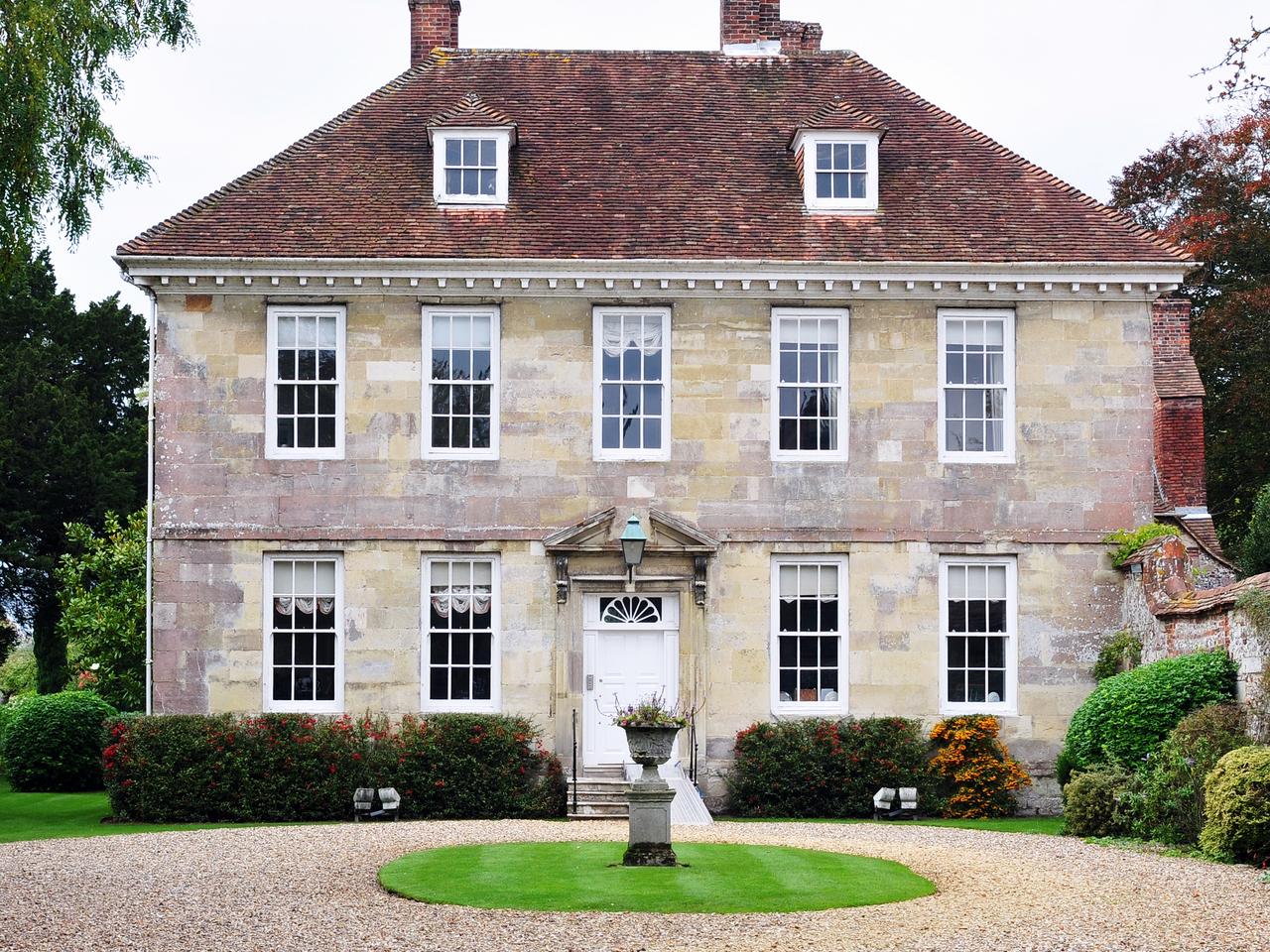
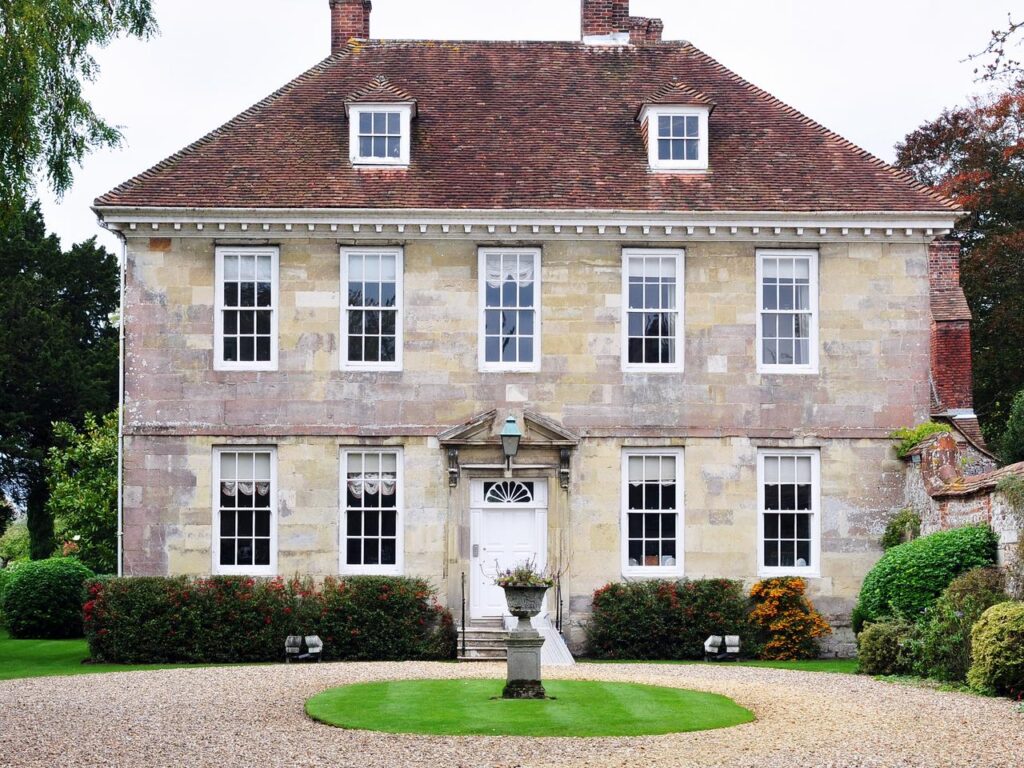
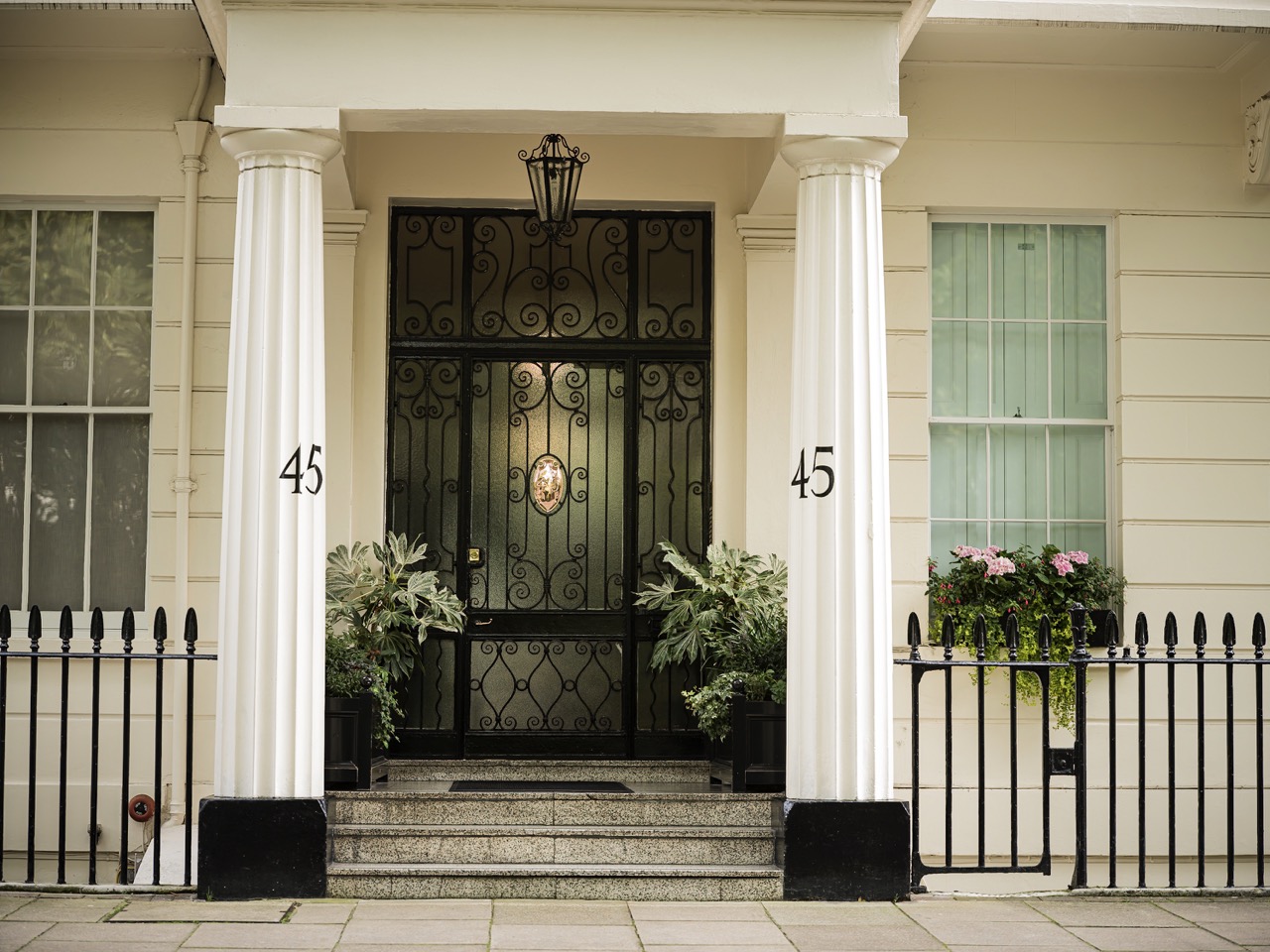
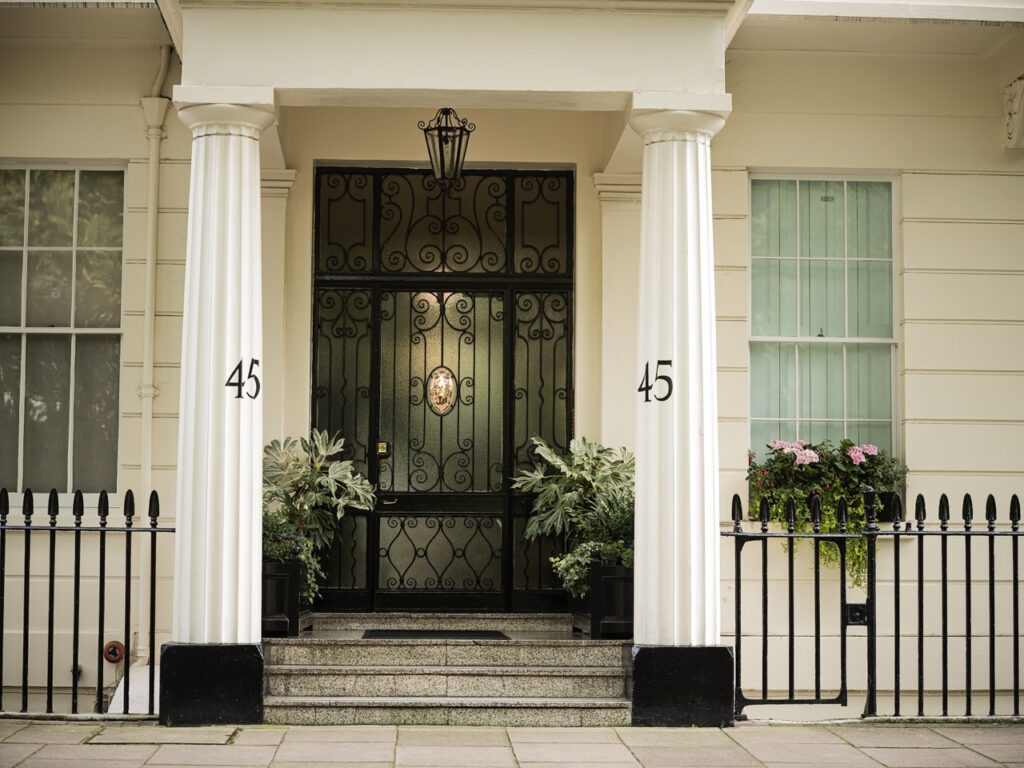
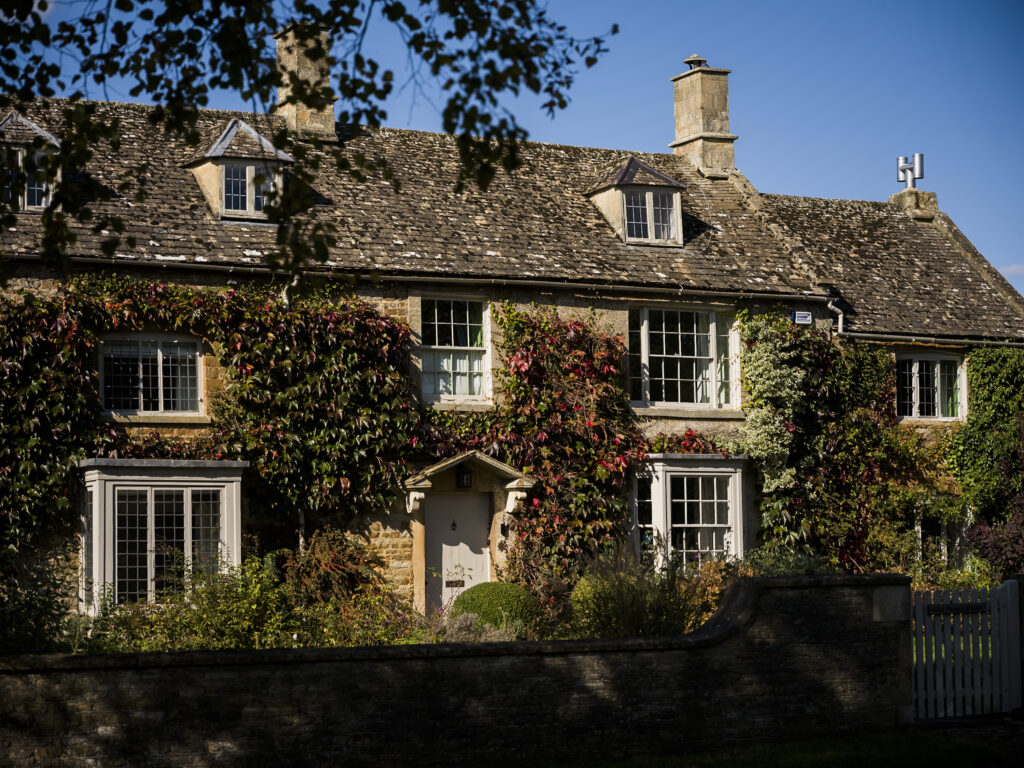
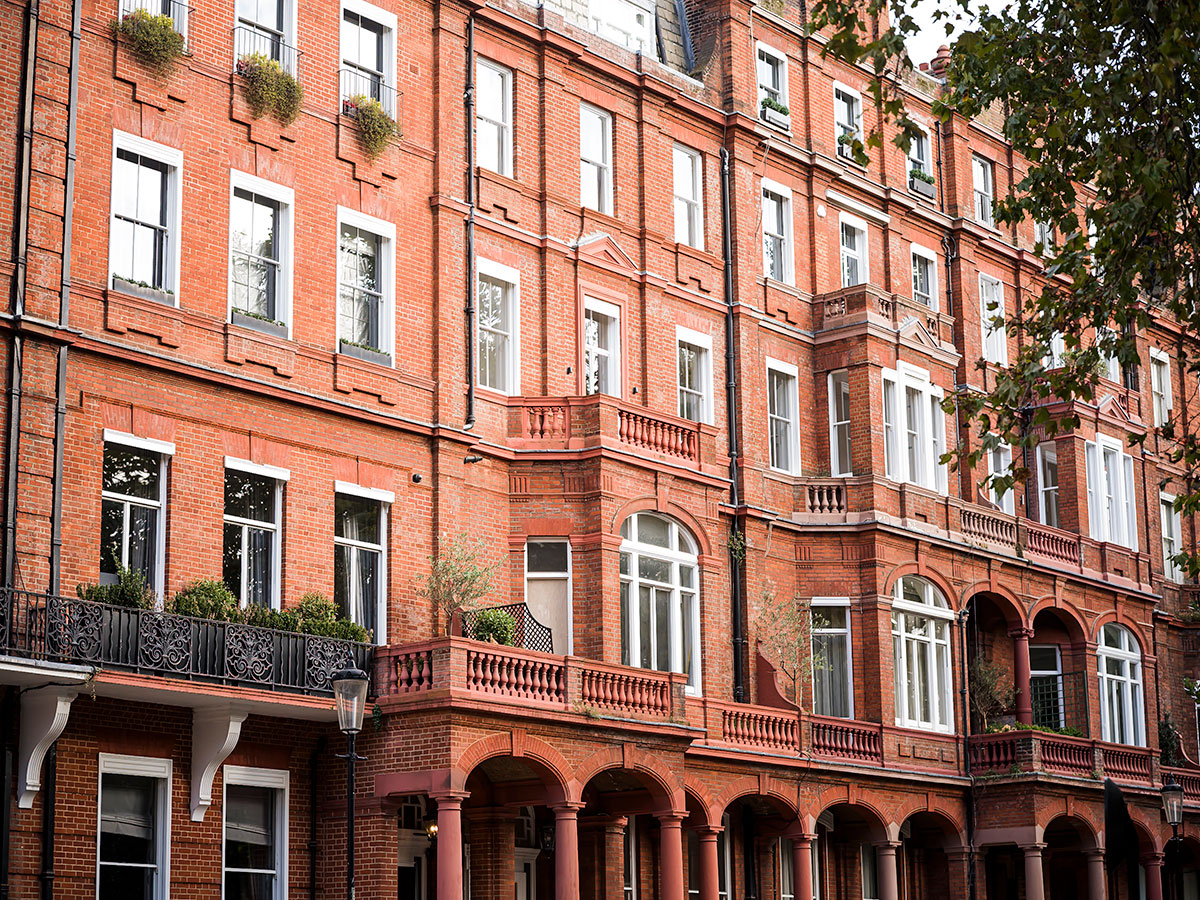
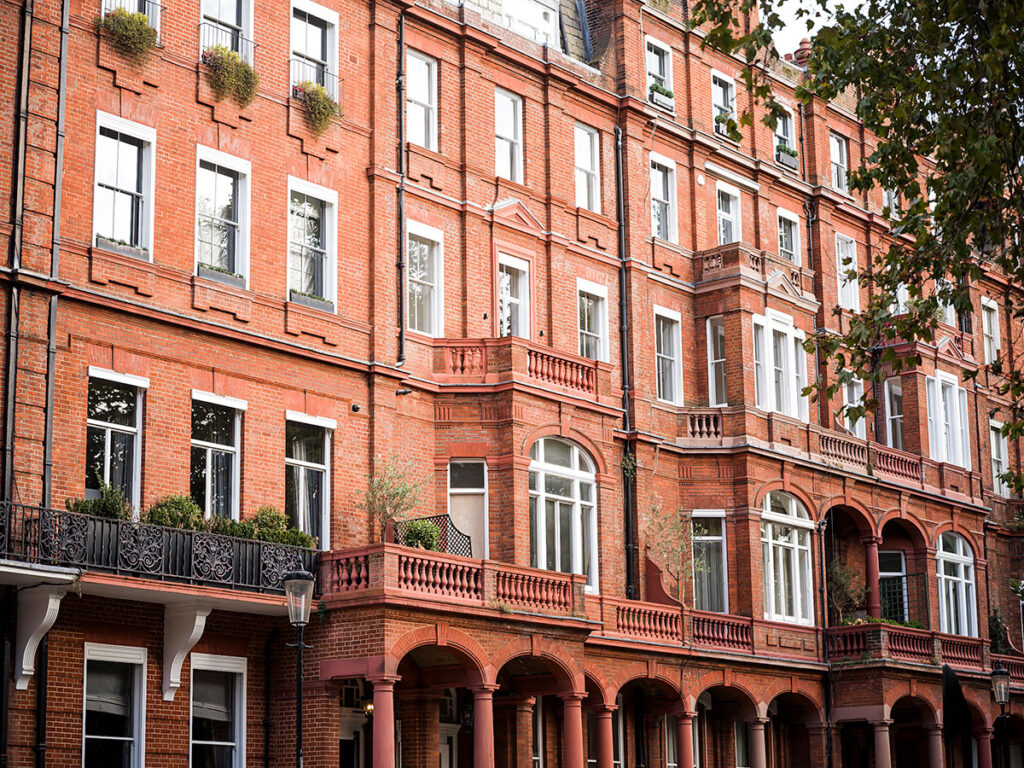
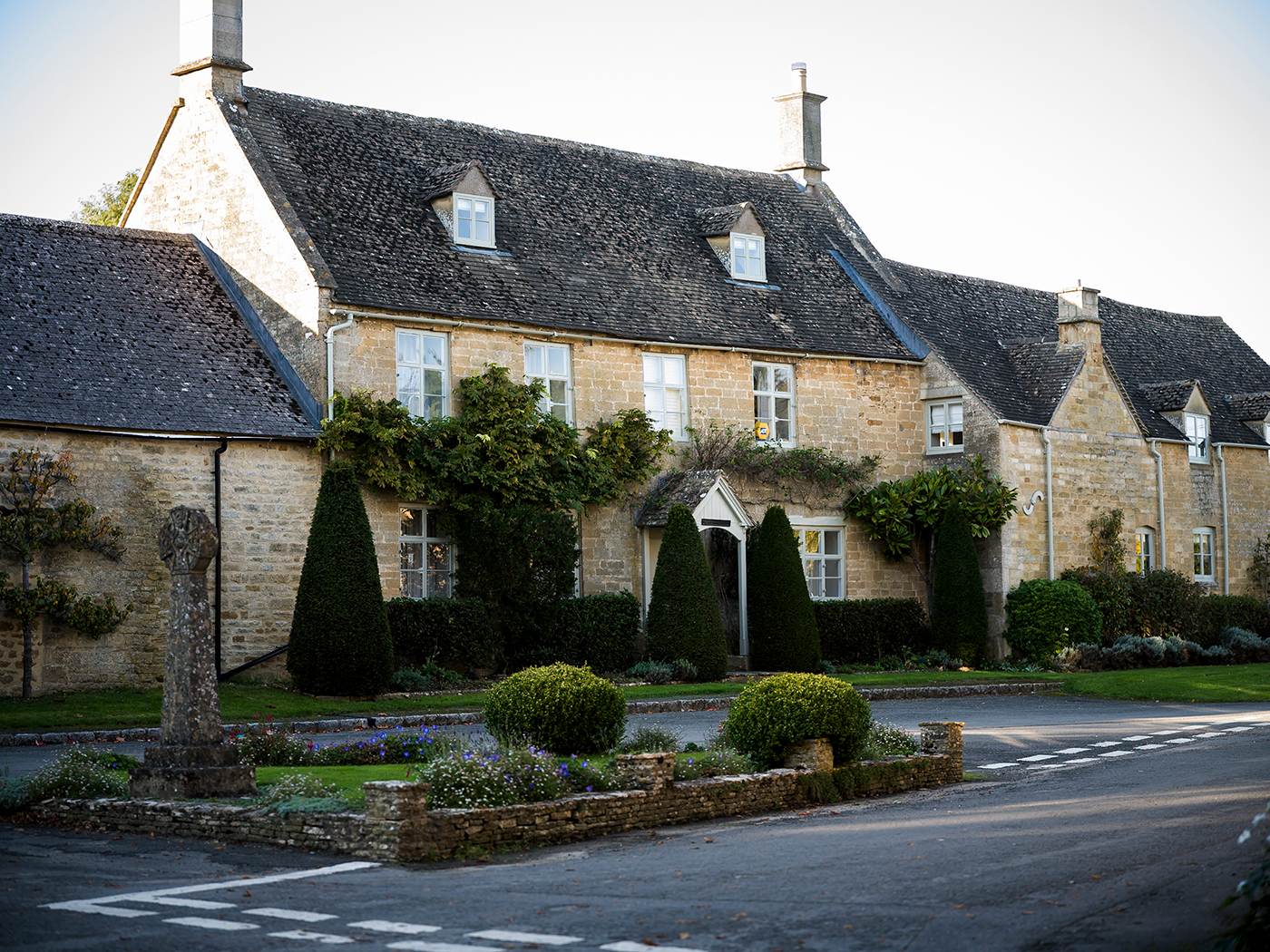
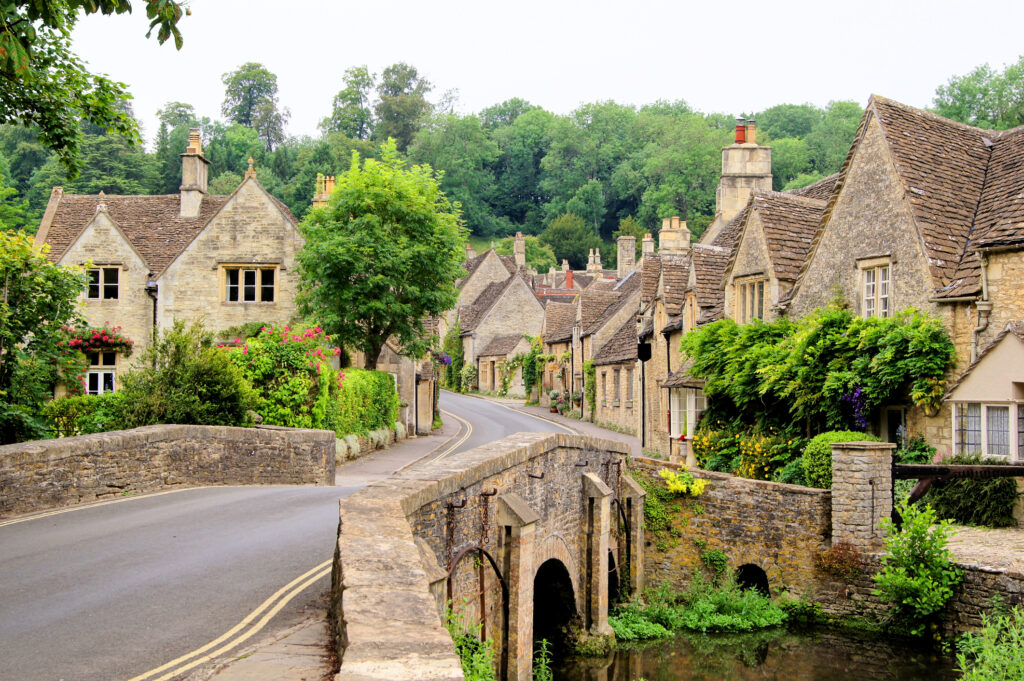
With speculation mounting around a potential ‘mansion tax’ on properties valued above £2 million in Chancellor Rachel Reeves’ Autumn Budget, our Partners Harry Gladwin and Mark Lawson offered their insight to The Times for their tongue-in-cheek feature exploring the many (and often surprising) ways to devalue a home.
From artificial grass and indoor swimming pools to gaudy interior decoration and botched DIY jobs, David Byers reports for The Times on the myriad ways in which the value of a property can be reduced.
With a so-called ‘mansion tax’ on properties worth £2 million expected in the Budget on 26th November 2025, our Partners Harry Gladwin and Mark Lawson shared their tips on the home improvements which can actually devalue your home.
The move from London to the Home Counties is a well-trodden path, and for good reason. With beautiful countryside, vibrant market towns and excellent schools and connectivity, the region offers balance. Our Partner Katherine Watters shares how she helps clients to navigate this journey, turning overwhelming property searches into clear, confident decisions about where – and how – to start their next chapter.
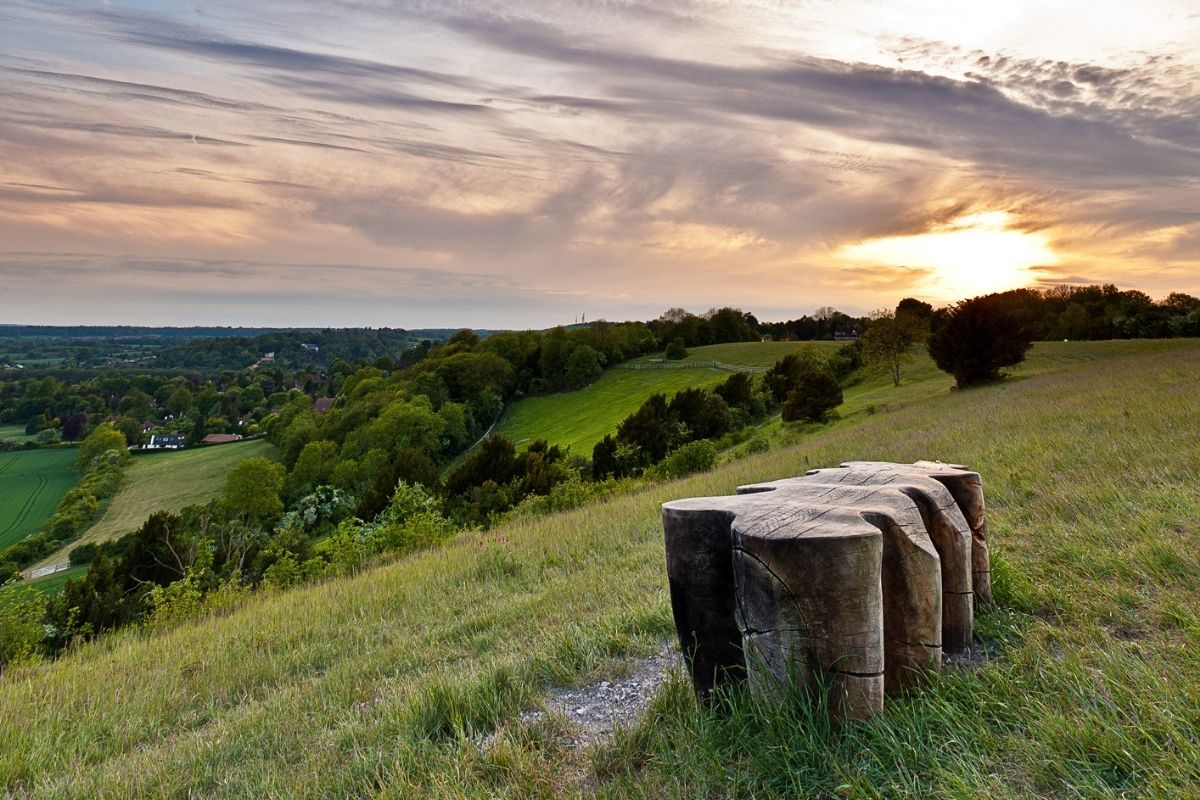
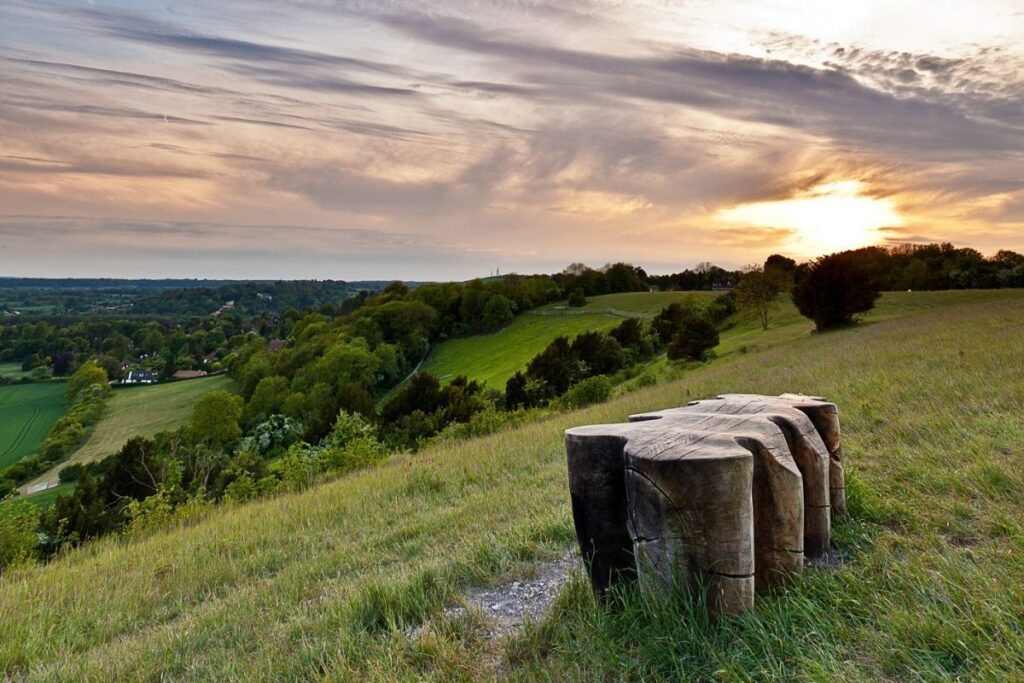
The Surrey Hills
Leaving London has long been a rite of passage for many families. The search for more space, cleaner air and stronger community ties draws buyers outwards each year, tracing familiar paths along the commuter lines that fan into the Home Counties. Yet, for all the talk of good schools and train times, the success of such a move often hinges less on geography than on guidance.
Our Partner Katherine Watters has built a powerful reputation for helping clients navigate this most emotionally charged of transitions. “We often meet people who know they need to be within an hour of London, but they have no idea where to base themselves,” says Katherine. “That’s when we’ll take them on orientation tours – two or three days of exploring different counties, villages and schools. It’s about helping them understand how each area feels before they commit.”
The approach is as much about education as it is about property. Clients are introduced not only to houses but to lifestyles – bustling market towns and quiet hamlets, the realities of rural broadband, the subtleties of train routes. “We’re not selling anything,” Katherine adds. “We’re guiding, helping people imagine the reality of their new life, and then gently making that vision real.”
The Enduring Appeal of the Home Counties
The reasons for moving to the Home Counties remain remarkably consistent. For most families, it comes down to schools, commutability, and a sense of belonging. People want their children to have space and a great education, but they don’t want to feel cut off.
The Home Counties are incredibly diverse. You can have 1930s family houses in one village and 17th-century cottages two miles away. That variety means there’s something for everyone – the key is knowing where to look. Surrey’s gated estates, from Cobham to Oxshott, offer privacy and proximity for those making their first step out of London. The Surrey Hills and villages south of Guildford appeal to buyers seeking a more rural way of life but still within a 45-minute train ride of Waterloo. Northwards, the Chilterns and Thames Valley blend riverside life with market-town sophistication.
For many clients, familiarity plays a decisive role. “It’s amazing how often people return to where they grew up,” Katherine observes. “You hear, ‘My parents lived here’ or ‘My best friend has just moved there.’ That sense of connection gives people confidence to move and means that they will often find like-minded people who have made a similar move themselves.”
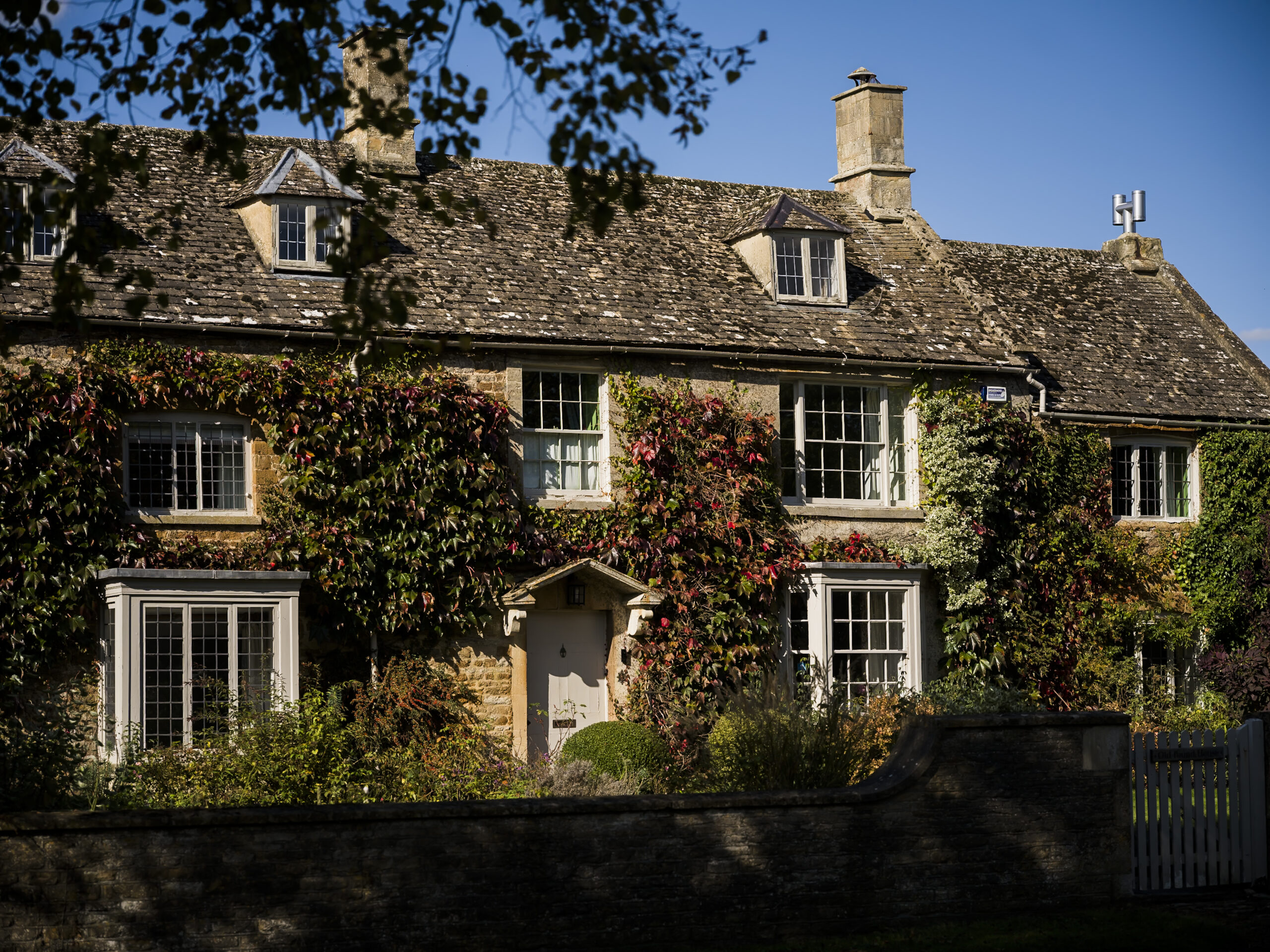
Chiddingfold, Surrey
The London Connection
Although working patterns have evolved, London remains the gravitational centre for many of Katherine’s clients. Some need to be in the office two or three days a week; others just want to be close enough for dinner, theatre, or the airport. Either way, the Home Counties keep them within reach.
“A lot of clients come to me feeling overwhelmed,” explains Katherine. “They’ve got property alerts from half the Home Counties and no real direction. We bring focus. It’s about saying: if you need to be in Holborn, and you love countryside walks, let’s look at the Guildford line, not the South Downs. We turn the noise into a plan.”
A Market Maturing Gracefully
After the feverish years of 2021–22 and the pandemic premiums, both Katherine describes the Home Counties’ current market as steadier and, in many ways, healthier. “Buyers are more measured,” says Katherine. “They’re asking questions, doing due diligence, and taking advice. Gone are the days of throwing money at anything with a garden.”
People who overpaid in haste are discovering the importance of context: flight paths, road noise, village amenities. Sensible pricing and good research are back in vogue.
This shift plays perfectly to our strengths as buying agents. “We’ve always taken a forensic approach,” says Katherine. “We’ll check planning histories, school catchments, infrastructure changes – all the details that can make or break a property’s value. That’s where clients see real return on advice.”
The Human Side of the Search
Beyond logistics and market data lies the human dimension. Katherine has spent years working face-to-face with clients, often over months of searching and decision-making. “We’re often with clients at quite pivotal life stages: moving from London with young children, returning from abroad, or downsizing after decades in one place. It’s not just about finding a house. It’s about helping them visualise the life they want next.”
That sensitivity allows The Buying Solution to deliver a service both personal and pragmatic, making that search for a home smoother, smarter and far more enjoyable.
Katherine Watters is our specialist Partner for the Southern Home Counties
For news, expert commentary and invaluable property insight, subscribe to The Insider, our quarterly newsletter, here.
Amid reports that Chancellor Rachel Reeves is considering a new tax on properties worth £2 million or more, Head of The Buying Solution Will Watson shares his insights with The Telegraph‘s Dominic Penna and Pui-Guan Man.
Sarah Frances Kelley for The Buying Solution
With speculation mounting ahead of the Budget announcement on 26 November about a so-called ‘mansion tax’, Will Watson, Head of The Buying Solution, spoke to The Telegraph about the effect this uncertainty is having on the property market.
It may seem like an impossibility to discover a slower pace of life and a strong sense of community in the heart of one of the most vibrant cities in the world. Yet here, our London Partner, James Burridge unearths some of Central London’s most charming village-like pockets
Sarah Frances Kelley for The Buying Solution
Among the world’s leading capital cities, London’s framework is arguably unique. Unlike Paris or New York, London has no underlying grid or clear hierarchy. It didn’t grow from a single centre, but from a scatter of historic settlements. Riverside hamlets, market towns and hilltop parishes were gradually absorbed as the capital expanded with the arrival of the railways and, later, the Underground in the 19th century.
Today, the city remains a mosaic of neighbourhoods, many still echoing their village roots. These ‘villages’ offer community, green space and a slower, more considered pace of life – and have become some of the city’s most sought-after residential addresses. In North West London, you’ll find the closest thing to a village in London in historic Hampstead, leafy Highgate and charming Belsize Village. While in South West London, Richmond Park, Wimbledon Common and Barnes Common Nature Reserve feel almost rural in parts and the surrounding neighbourhoods absorb this sense of calm from these large open spaces.
The expectation of what constitutes a village way of life in Central London may differ yet, just a few streets back from the bustle, there remain neighbourhoods with a unique charm. More and more, people want to feel connected to a local community in what can feel like a big and intense city. They might be looking for a village green or a park, a handful of independent, thoughtfully-sourced shops, a good local pub – a quiet pocket within a busy city.
Sarah Frances Kelley for The Buying Solution
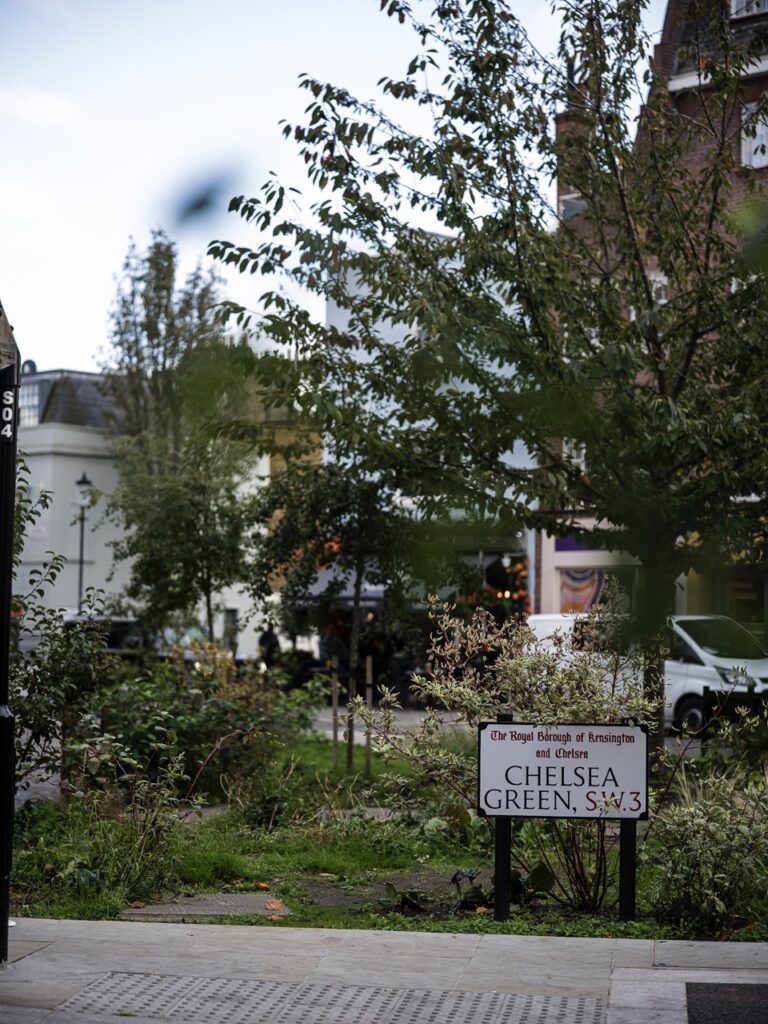
Chelsea Green
Until the Georgian era, areas like Chelsea and Marylebone were considered on the edge of town. Today, there remains a strong sense of local community and independent character here.
Chelsea Green, tucked behind the King’s Road, feels a world away from the nearby flagship stores and traffic. The Chelsea Fishmonger is just yards from the local cobbler who has worked on the Green for decades, a few doors down from Jago’s family butcher – it’s a charming pocket of old Chelsea. Streets like Markham Street or Bywater Street showcase classic pastel-coloured Georgian homes, with such examples trading between £3m-£5m.
There’s a real quaintness to Chelsea Green, while still being in central London – it’s part of the city but not consumed by it. It’s an area that’s very popular with international buyers as well as downsizers because everything is within walking distance.
We recently worked with a family whose main residence was outside of London, but they wanted a London base. We secured a best-in-class flat on one floor, overlooking one of London’s most sought-after communal garden squares. The flat was in great condition (hard to find in the current market) and within easy walk of Sloane Square for the Tube, and Chelsea Green for the community, village feel and the independent shops.
Sarah Frances Kelley for The Buying Solution
Notting Hill
Central London’s most famous ‘village’, Notting Hill still delivers a strong sense of community. Beyond Portobello Road’s weekend crowds, areas like Westbourne Grove and Clarendon Road have a neighbourhood feel, supported by myriad independent businesses and elegant stucco-fronted houses that regularly fetch over £10 million.
Notting Hill also has easy access to the M4 for Berkshire, the Cotswolds and Bath, as well as Heathrow, making it well-placed for international buyers and those with primary residences outside of London.
Some parts of Central London can feel more transient, but Notting Hill is consistently popular and for good reason. It’s vibrant and individual, a melting pot of cultures. We recently acquired a lovely house off Westbourne Grove for a Spanish client who had lived in the area for many years. She was focused on staying within walking distance of all that Notting Hill has to offer.
Westbourne Grove and Portobello Road have touch points of the mainstream, of course, but they also feel more humble and friendly, with a village-like connection. You will find that a lot of people who live in or around Elgin Crescent during the week decamp to their country residence near Soho Farmhouse in the Cotswolds at weekends.
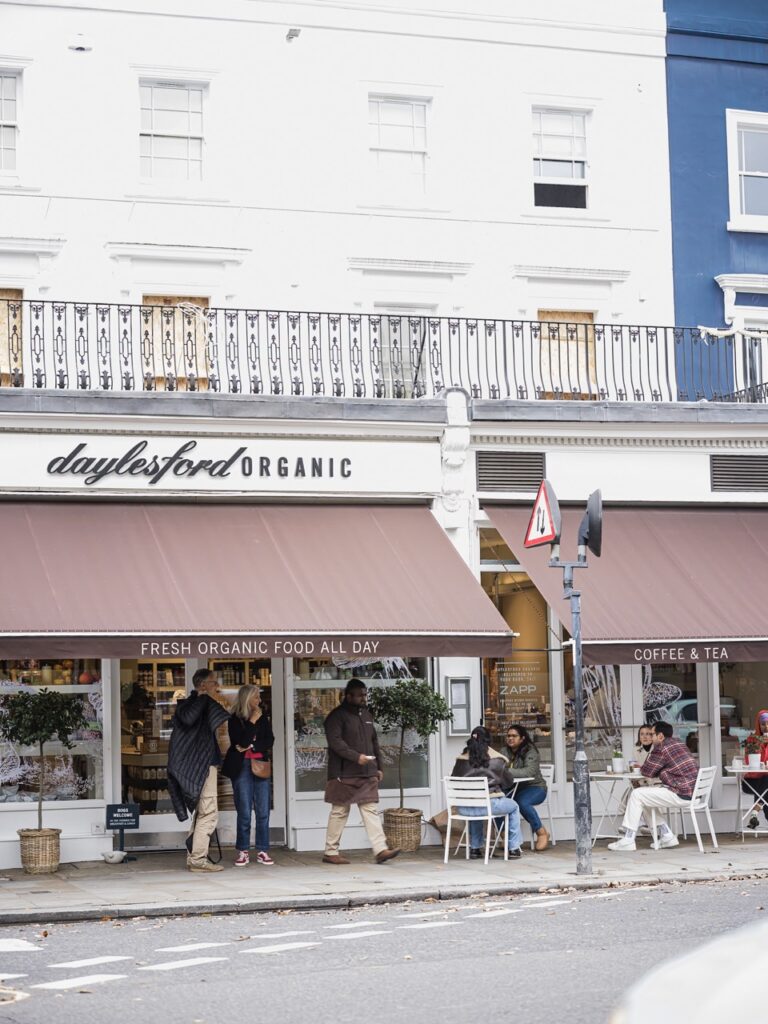
Indeed, the organic produce that locals know and love from Daylesford Farm near Kingham in the Cotswolds at weekends can also be picked up at their local Daylesford outpost on Westbourne Grove during the week.
2025 saw a host of new restaurant openings in Notting Hill, firmly cementing its status as a culinary destination. Here, you can enjoy food from all over the world; from Juno’s Japanese/Mexican fusion food in its intimate six-seater restaurant, to Swedish bakery Fabrique and neighbourhood pub The Pelican. What unites them is their sense of community.
Getty Images
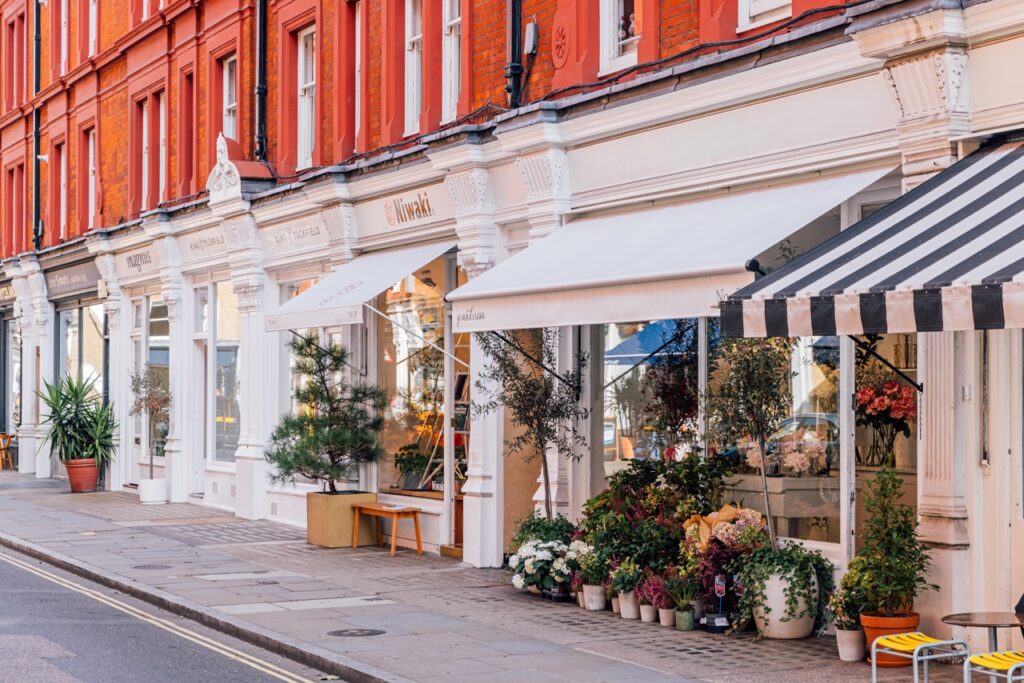
Marylebone
Marylebone remains a hugely popular neighbourhood of Central London and people who choose to live here are led by the lifestyle that it offers, rather than the size of their space or proximity to good schools – although there are several close by. For that reason, it tends to attract a marginally older demographic.
Marylebone offers a slightly different proposition. It feels more sophisticated than Notting Hill and Chelsea Green, yet you will find a strong sense of community here, as well as tree-lined streets and historic architecture.
Just five minutes from Oxford Street, Marylebone High Street offers a vibrant selection of international luxury brands. Yet, just off it, you will still find quieter cobbled lanes, traditional pubs and St Marylebone Parish Church and gardens.
With its butcher, cheesemonger and chocolate shop, Moxon Street has become a leading foodie destination. Lita Mediterranean restaurant on Paddington Street is a favourite of renowned chef Raymond Blanc, who moved to Marylebone from Oxford. While The Hart pub on Chiltern Street – the most recent opening from the Public House group – offers a seasonal British menu with ingredients picked from its kitchen garden in Oxfordshire.
If you’re craving green space, the 410-acre Regent’s Park – a former royal hunting ground, later leased to tenant farmers – is just a 15-minute walk away.
Marylebone’s residents are proud of its status as a ‘village’ and there is a busy calendar of community events here, including Christmas carol performances and concerts, an annual Easter egg hunt and a Summer Festival, complete with a tombola and dog show.
We have bought a number of very good flats in prime Marylebone over the last 18 months, from period mansion block apartments – 3,000 sq ft lateral spaces overlooking Regent’s Park, through to some of the finest flats in recently built blocks, including Chiltern Place and The Chilterns.
James Burridge is our specialist Partner in Central and South-West London.
For news, expert commentary and invaluable property insight, subscribe to The Insider, our quarterly newsletter, here.
For many, the Cotswolds are the ultimate expression of English country living – its honeyed-stone villages, rolling hills and reputation for well-heeled conviviality continuing to lure those seeking an escape from city life. But with the dynamics of the market shifting, so too is the geography of its most desirable postcodes, as our Partner Harry Gladwin and Cotswolds Buying Agent Georgina Neil attest.
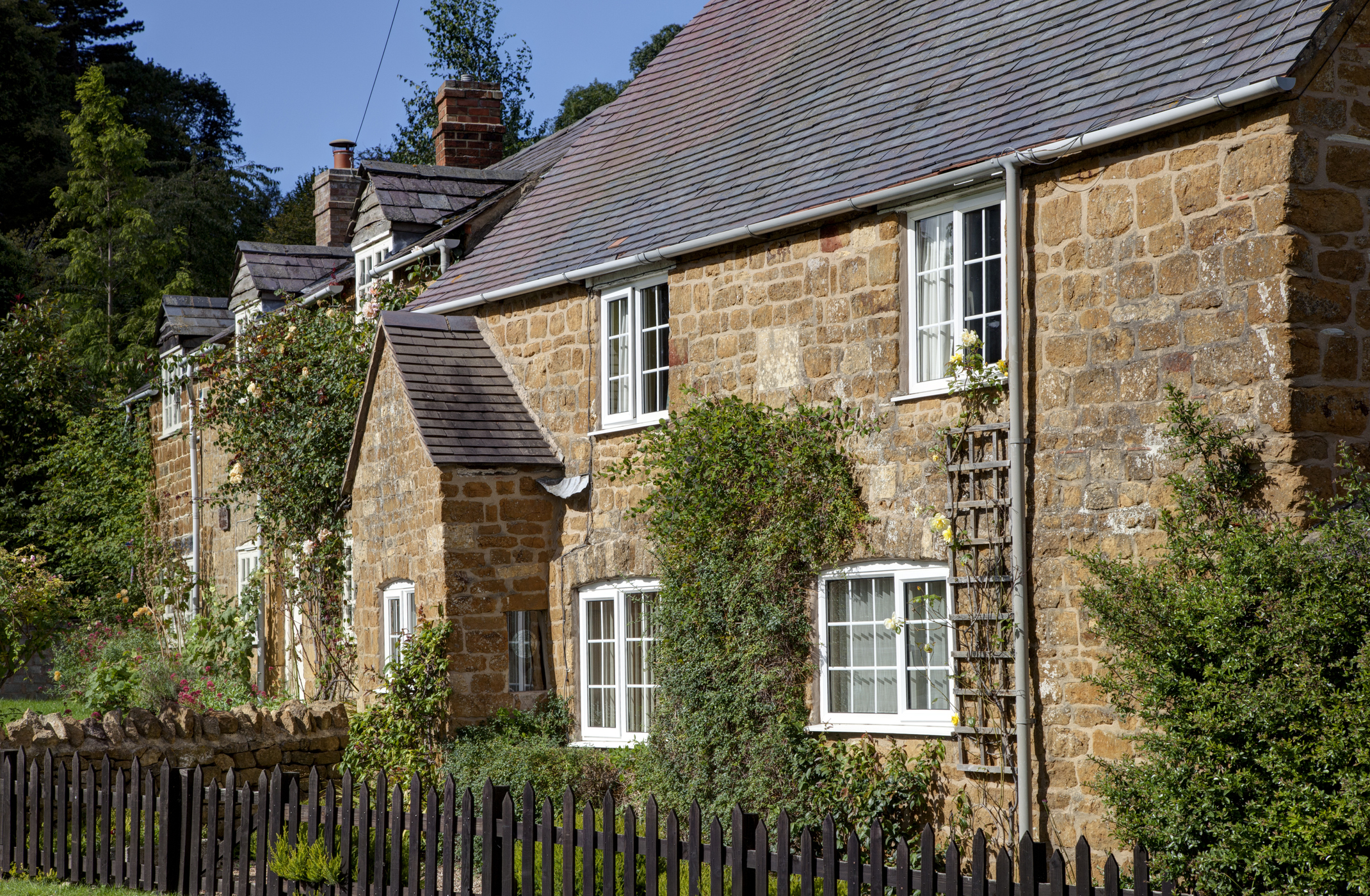
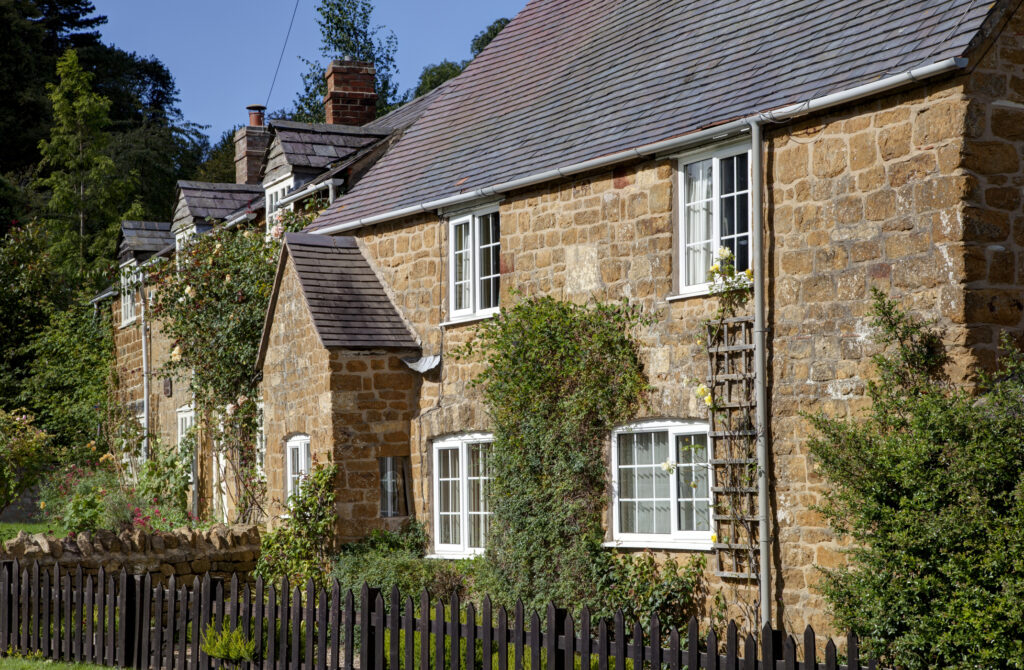
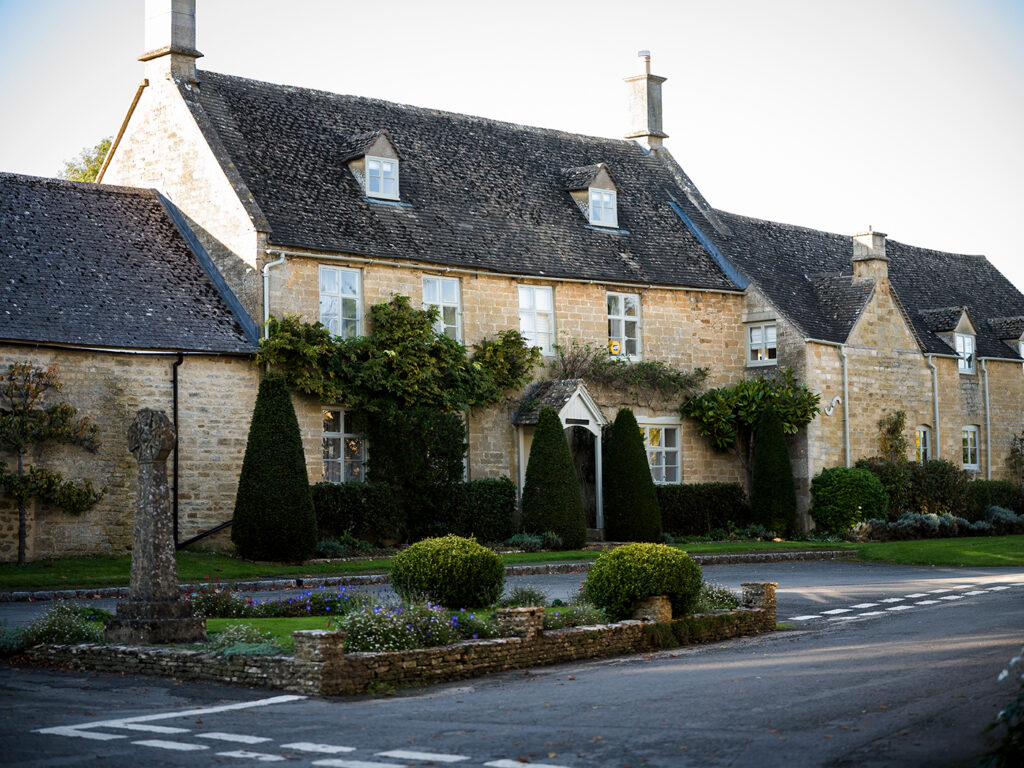
South Warwickshire’s villages are often built from Cotswold stone
During the pandemic and the years that followed, many buyers convinced that working from home was here to stay were drawn to the Cotswolds by lifestyle and cachet above all else. They gravitated towards the so-called “Golden Triangle” – the prime area between Chipping Norton, Stow-on-the-Wold and Burford in Oxfordshire and Gloucestershire. But a new mood is emerging. With the return to the office reshaping working patterns, buyers are now weighing practicality more carefully. Proximity to London, access to good schools and easy connections via the M40 or mainline rail are once again carrying as much weight as lifestyle aspirations.
“Practicality is definitely beginning to creep back into people’s requirements,” says Harry Gladwin, our Partner and Head of the Cotswolds Region. “The northern part of the Cotswolds, taking in the South Warwickshire villages, is increasingly popular because it offers better value and is arguably a little bit more authentic – and it’s still pretty accessible thanks to its proximity to the M40.” The south-eastern Cotswolds, he adds, “were traditionally popular with commuters because of their accessibility to Oxford and London, and also to schools such as the Dragon and Summer Fields. That shifted in the post-Covid years to take in areas such as Burford and Stow-on-the-Wold which would have been considered too far out, but it’s changing now.”
Beyond the Golden Triangle
This “creep” as Harry describes it doesn’t displace the Golden Triangle’s enduring appeal – it is home to Soho Farmhouse, Daylesford and Estelle Manor, after all. Rather, it represents an evolution: a broadening of what buyers now consider the “desirable” Cotswolds as they consider the importance of connectivity, community, schooling and long-term value.
“Everybody was slightly wowed by the Golden Triangle for a while, wanting to be near Daylesford and Soho Farmhouse, but now we’re seeing people open to a wider range of locations,” says Georgina Neil, our Cotswolds Buying Agent. “The corridor up from Oxford through Kidlington and towards Bicester, Deddington and Banbury has become very popular because the train service from Oxford is good, with fast trains every 30 minutes.”
Villages to the north, such as Whichford, Ascott and Sutton-under-Brailes in South Warwickshire, have emerged as strong contenders for those seeking space and connectivity. “The countryside up there is really beautiful – open and unspoilt” says Harry. “It feels authentic in the same way that the countryside west of Stow-on-the-Wold does, but you’re that bit closer to Banbury and the mainline train to London.”
“You can still get to all the places you’d want such as Daylesford, Soho Farmhouse within 20 minutes or so,” Harry adds. “But you can also step back from the busier spots if you want to. It gives you the best of both worlds.”
Meanwhile, the continued development of amenities around Chipping Norton and north Oxfordshire – including the planned opening of The Ned’s country hotel by the end of the decade – is helping to knit these areas together into a wider lifestyle geography. “As soon as you’ve got enough people who want to be in that neck of the woods,” Harry says, “the amenities follow.”
Stowe House, Buckinghamshire
The Oxfordshire–Warwickshire Edge
This belt of countryside, skirting the northern edge of the Cotswolds into South Warwickshire, is developing a distinct identity. Its draw lies in its balance of authenticity and convenience: open farmland and unspoiled scenery combined with practical access to London, Oxford and Birmingham.
“There are plenty of strong communities up there, with a more genuine mix of people,” Harry says. “You still get all the Cotswold charm – traditional pubs and pretty cottages – but without the self-consciousness. It feels more grounded, a reminder of what the region was once all about.”
Georgina sees the same sense of equilibrium extending eastwards. “If you live between Chipping Norton, Banbury and Bicester, you’ve got excellent schools to choose from – Winchester House in Brackley, Northamptonshire; Bloxham School near Banbury, even Beachborough and Stowe in Buckinghamshire,” she says. “Bloxham’s flexi-boarding option has widened its appeal hugely.”
This combination of practicality and quality of life is underpinning a gentle market shift rather than a sudden migration. “People still love the core Cotswolds,” Georgina adds. “But we’re seeing a broader definition of what living here means. It’s not just about being close to a particular club or postcode – it’s about how easily you can get to work, or to school and still enjoy beautiful countryside.”
Confidence Returning
Parts of north Oxfordshire and South Warwickshire that once seemed peripheral are now benefiting from renewed confidence. “This area became quite unpopular because of HS2,” Georgina recalls. “But now that the work has begun and the uncertainty has gone, people have more confidence to buy there again.”
Market towns such as Deddington, six miles south of Banbury, are enjoying a quiet revival. “You’re seeing new cafés, well-kept pubs, and a sense of local community returning,” she says. “It’s not trying to be somewhere else – it’s just a pleasant, liveable place, where you can get a good meal in your local pub without everything being very high-end.”
Sarah Frances Kelley for The Buying Solution
A Shifting Market
What emerges from these shifts is a more nuanced picture of the Cotswolds market. The Golden Triangle remains a magnet for buyers seeking prestige and proximity to established hubs, while the northern and eastern edges offer a quieter, more practical alternative for those prioritising connectivity and value.
“People still want the beauty the Cotswolds is famous for,” Georgina says. “They’re just being a bit more thoughtful about what works day to day. If you’ve got teenagers, for example, it helps to have a bus route into Oxford or a train station nearby. That practicality is what’s driving many of the decisions now.”
Harry agrees. “If you want a weekend cottage, the hotspots will always appeal,” he says. “But if you’re looking for a bigger house with land then you are far more likely to find it up towards South Warwickshire.”
A Broader Definition of the Cotswolds Dream
For all the shifts in emphasis, the appeal of the Cotswolds endures, just in a more diverse form. The same rolling hills and mellow stone that drew Londoners seeking space and respite from city life now attract a wider range of buyers who want that while still maintaining connectivity.
“People are rediscovering parts of the region that feel authentic but also work practically,” Georgina says. “It’s about having space, countryside and culture, but also schools, trains and a bit of real everyday life.”
However, caution is always advised, which is where The Buying Solution’s expert guidance comes to the fore. “Because you’re moving around the edge of the Cotswolds National Landscape and the protections that come with it, you need to be alert to potential infrastructure changes and development creep,” says Harry. “It’s easy to buy in the wrong place and find yourself in a built-up area within a few years. The countryside here is beautiful and accessible, but that makes expert guidance even more valuable – you need to know exactly where to put your pin in the map.”
Harry Gladwin is our Partner and Head of the Cotswolds Region
As housing stock reaches its highest level in a decade, Good Housekeeping’s Laura Whateley reveals eight essential tips to help sellers attract serious offers – with expert advice from our Partner, Mark Lawson.
Sarah Frances Kelley for The Buying Solution
Not long ago, sellers could list their homes with minimal preparation and still expect multiple offers within days. But in today’s buyer’s market, “sellers need to put in a little more effort to give their listing the edge,” writes Good Housekeeping’s Laura Whateley.
Our Partner for the Southern Counties and High Value Residential & Rural Estates, Mark Lawson MRICS, shared his expert advice on the quick fixes which can help secure an offer in a more competitive market.
Former housing secretary Angela Rayner’s much-discussed property dealings highlight a problem that our Partner Harry Gladwin sees often, particularly in high-value deals. In a recent column for The Times, Harry explains how assuming that one advisor can cover all bases can have far-reaching consequences.
Sarah Frances Kelley for The Buying Solution
In a recent column for The Times, our Partner and Head of the Cotswolds Region Harry Gladwin writes that complex property transactions require robust, expert advice and a team of specialists; including tax advisers, planning lawyers, accountants and surveyors. “In property, mistakes are expensive and, as Angela Rayner discovered, getting it wrong can cost you far more than money,” he writes.
As return-to-office mandates begin to bite, defunct home offices are being repurposed as pilates studios, wine rooms, hangout spaces for teenagers and even cigar rooms, Sarah Rappaport writes for Bloomberg. Our Partner Mark Lawson talks to her about the rise of the hobby room.
An office turned cigar room by Banda. Photograph: Ben Anders
When Mark Lawson, our Southern Counties & High Value Residential & Rural Estates Partner, converted the garden office he’d had built during the Covid-19 pandemic into a teenage party room for his children, he realised he was part of a growing trend. He tells Sarah Rappaport of Bloomberg how clients are reimagining their home spaces to suit new lifestyles.
While some buyers are happy to pay a premium for a prestigious postcode, there is often far better value to be had nearby, our Cotswolds Partner Harry Gladwin tells Hugh Graham at The Times.
Sarah Frances Kelley for The Buying Solution
The wrong combination of letters and numbers in a Cotswold property’s address can completely deter some buyers, while others are willing to pay a six-figure premium simply for the GL postcode. Yet in the nearby villages of Warwickshire you can find the same charming honeyed-stone cottages and rolling views for significantly less, says Harry Gladwin in The Times.
For a growing number of UK property owners, proximity to Britain’s cultural and sporting calendar is proving more than incidental – it’s quietly generating meaningful seasonal income. From the polo season in Sussex to music festivals in Somerset, the property market near major regional events holds not just lifestyle value but the potential for short bursts of high-yield rental opportunities, as our Partners explain.
Across the country, homeowners are increasingly leveraging a pattern of short-term lets tied to key events. These aren’t year-round investment properties, but well-located second homes and country houses with ancillary accommodation whose seasonal demand is driving interest from tenants prepared to pay a premium – for a month, a week, or even a weekend.
Polo, Property and High-Value Tenancies
Nowhere is this clearer than around Cowdray Park in Midhurst, West Sussex, one of the UK’s most prestigious polo venues. “People rent out their houses, farm buildings and land to incoming polo teams,” says Mark Lawson, our High Value Residential and Rural Estates Partner. “If you’ve got a farm with appropriate buildings and a house, you can make a huge amount of money over a three-month period.”
It’s a pattern echoed throughout the polo season, which draws teams, patrons, support staff and international guests from March to August. Katherine Watters, our Southern Home Counties Partner, says: “Rentals around Midhurst and Petworth during polo season are huge. Rents increase by around 70%, and demand spans everything from grooms’ accommodation to larger family houses for the patrons themselves.”
She also notes the growing market for post-season use of land. “There’s been a real uptick in people renting land to wintering polo ponies. They don’t need access to huge grazing, but they do need to be locally based for daily checks. Some owners take that on themselves, and it becomes a six-month income stream.”
Shooting Season Demand: Exmoor to Northumberland
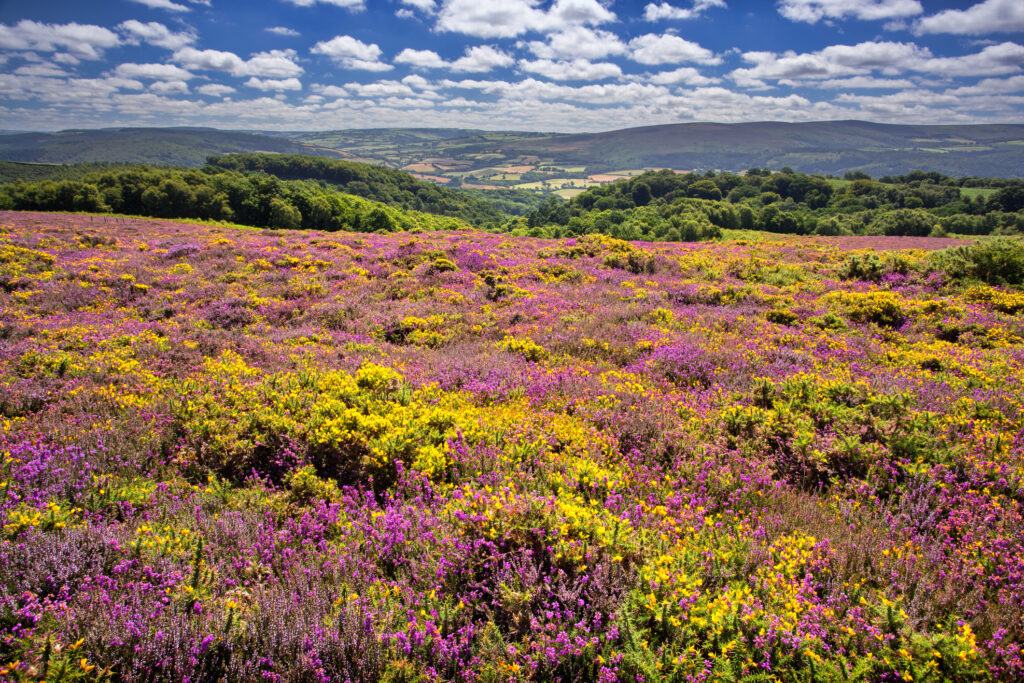
Polo is just one part of the seasonal economy. The driven shooting calendar is creating a parallel income opportunity – especially for larger houses in regions with world-class moors and woodland. “People certainly rent out their big country houses to travelling American shooting parties,” says Mark. “They want their own house, complete privacy, and they bring their own staff and cooks. They’ll pay significant amounts to stay near top-tier shoots.”
Prime locations include Exmoor, Wiltshire and Northumberland – areas with multiple access points to renowned estates. Properties with heritage features, self-contained guest accommodation and local shoot connections are particularly in demand. “They come over for a week or two,” Lawson explains, “base themselves in one place, and travel around. If you’re positioned well, the income can be substantial.”
While many of these agreements are informal and discreet, high-end tenancies often involve robust private contracts. “At that level, everything needs to be precise,” adds Harry Gladwin, our Cotswolds Partner. “These owners expect their property to look untouched when they return.”
Short-Term Demand with Long-Term Appeal
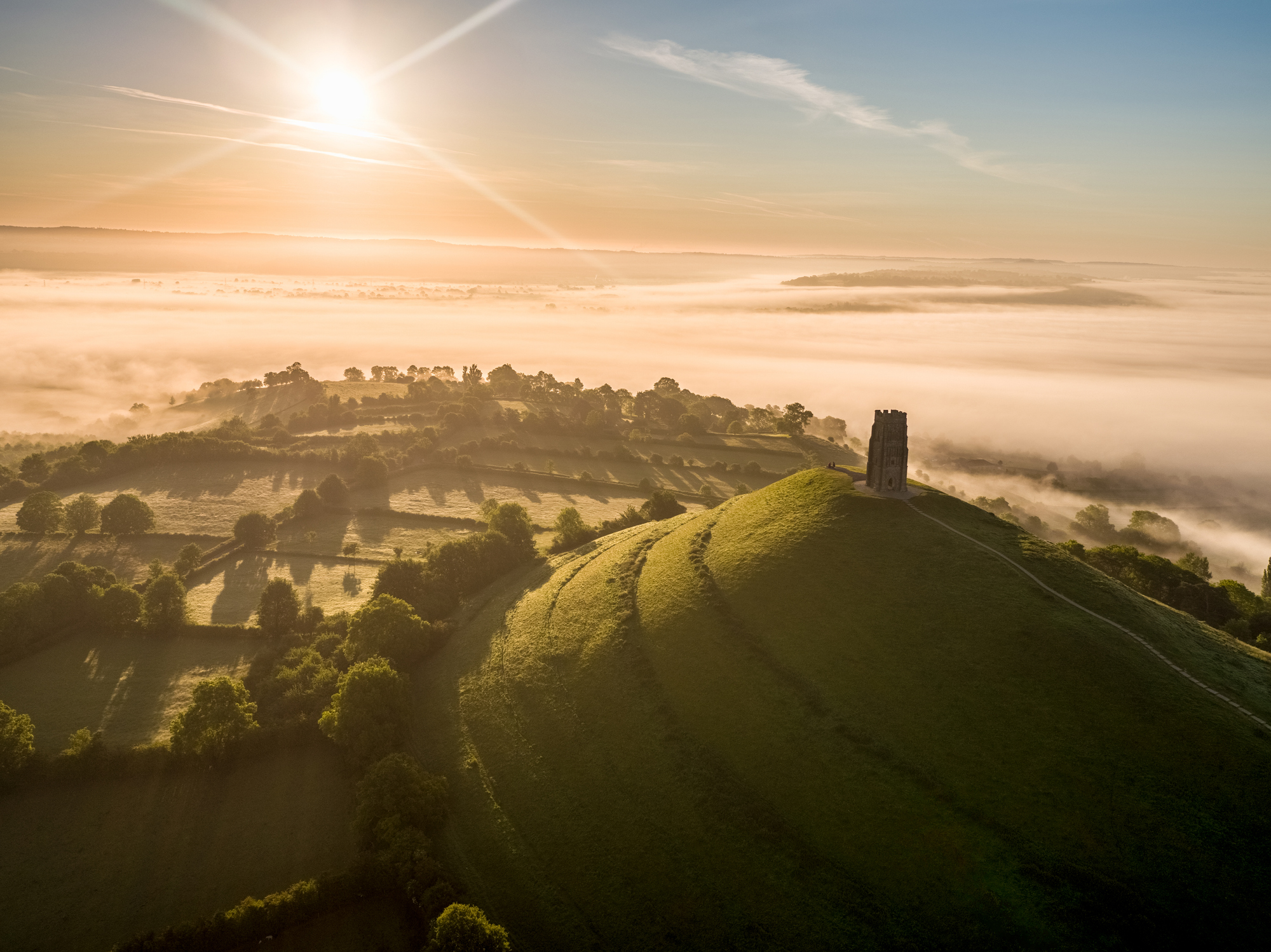
From Henley-on-Thames to Glastonbury, homeowners are increasingly capitalising on the surge in demand tied to Britain’s summer event calendar.
“People rent out their homes for those five days and leave the area,” says Lawson, referencing Glastonbury Festival. “It’s financially worthwhile and a good time to avoid traffic and crowds.” In one instance, a client in the music industry purchased a second home nearby purely to host guests and entertain during the festival week.
For homeowners in and around Henley, demand builds across multiple regattas, culminating in the six-day Royal Regatta. “You find annexes fitted with rows of single beds for rowers,” says Jemma Scott, our North Home Counties Partner. “It’s highly organised. Some owners are retired couples, others are entrepreneurial young families who leave for the week. It can easily cover the cost of a summer holiday.”
Ascot sees similar demand across the summer racing and polo season, where houses with land or adaptable outbuildings are sought after for temporary use.
Jemma points out that for most in her region, the motivation isn’t investment in the traditional sense. “For many owners, it’s pin money – it pays for a holiday – but it speaks to the enduring appeal of these English towns and villages in and around Henley, Marlow, Ascot and Windsor. People want to participate, to feel part of it. It’s invigorating, almost a legacy. The seasonal rental value just adds another layer of appeal.”
The Cotswolds: From Event-Driven to Year-Round Yield
Unlike the more event-specific rental windows in Henley or Cowdray, the Cotswolds has evolved into a year-round short-let market. “People absolutely do it for the money,” says Harry Gladwin. “There’s huge demand – some are paying tens of thousands of pounds a day.”
The draw is no longer just events like the Big Feastival near Kingham or Wilderness near Charlbury, but a broader lifestyle trend. “People want to visit Soho Farmhouse, Estelle Manor or Daylesford and want proximity but may want their own space, rather than staying there. Some owners now routinely rent out their main homes for summer and relocate locally for a few weeks. The income covers their own holiday and often more.”
Gladwin notes that these lets span from modest Airbnb stays to private, high-value arrangements. “There’s a broad range – from a few hundred pounds a night through to five figures. The more exclusive houses are rarely advertised. They’re let privately through networks with staff already in place and very high standards, but everyone is doing it at every level. And why wouldn’t you?”
Wimbledon and London Event Lettings
In south-west London, the Wimbledon Championship’s expanded tennis calendar has long had a tangible impact. “It’s now a month-long window – with the HSBC Championship at The Queen’s Club, early arrivals and the tournament itself,” says James Burridge, our London Partner. “Players and sponsors – brands like Rolex, IMG, Evian – are booking properties well in advance.”
While he notes that many homeowners with prestigious homes in Wimbledon Village are reluctant to let due to concerns over property wear, the premium on offer can be persuasive. “It’s not a core investment strategy,” James adds, “but it does provide optional income, particularly when paired with other events like the Open Golf or London’s summer arts season.”
The same dynamic applies in Chelsea, where events like the Chelsea Flower Show drive short-term Airbnb interest. “It’s a multi-purpose demand in London during the summer months, with culture, sport and business travel all overlapping,” says James.
Flexible Ownership with a Return
Across all regions, one consistent theme emerges: owners are increasingly looking for versatility – properties that provide enjoyment and, when required, deliver income.
“You wouldn’t buy a house in Wimbledon just for the Championships,” says Katherine. “But if you’re buying anyway, having the option to let for a month makes a lot of sense.”
Jemma sees it as part of a broader recalibration. “Buyers today want properties that can work harder. A good location, strong local schools, National Landscape status – but also event access and letting potential. It’s no longer enough just to have a good train into London.”
Lawson agrees: “The events put these places on the map, but the income opportunity is now part of the conversation. These aren’t traditional buy-to-lets – they’re flexible assets. And people are increasingly running the numbers.”
For news, expert commentary and invaluable property insight, subscribe to The Insider, our quarterly newsletter, here.
We use cookies to improve user experience and analyze website traffic. By clicking “Accept,” you agree to our website’s cookie use as described in our Cookie Policy.
This website uses cookies to improve your experience while you navigate through the website. Out of these, the cookies that are categorized as necessary are stored on your browser as they are essential for the working of basic functionalities of the website. We also use third-party cookies that help us analyze and understand how you use this website. These cookies will be stored in your browser only with your consent. You also have the option to opt-out of these cookies. But opting out of some of these cookies may affect your browsing experience.
Necessary cookies are absolutely essential for the website to function properly. These cookies ensure basic functionalities and security features of the website, anonymously.
Cookie
Duration
Description
cookielawinfo-checkbox-analytics
11 months
This cookie is set by GDPR Cookie Consent plugin. The cookie is used to store the user consent for the cookies in the category "Analytics".
cookielawinfo-checkbox-functional
11 months
The cookie is set by GDPR cookie consent to record the user consent for the cookies in the category "Functional".
cookielawinfo-checkbox-necessary
11 months
This cookie is set by GDPR Cookie Consent plugin. The cookies is used to store the user consent for the cookies in the category "Necessary".
cookielawinfo-checkbox-others
11 months
This cookie is set by GDPR Cookie Consent plugin. The cookie is used to store the user consent for the cookies in the category "Other.
cookielawinfo-checkbox-performance
11 months
This cookie is set by GDPR Cookie Consent plugin. The cookie is used to store the user consent for the cookies in the category "Performance".
viewed_cookie_policy
11 months
The cookie is set by the GDPR Cookie Consent plugin and is used to store whether or not user has consented to the use of cookies. It does not store any personal data.
Functional cookies help to perform certain functionalities like sharing the content of the website on social media platforms, collect feedbacks, and other third-party features.
Performance cookies are used to understand and analyze the key performance indexes of the website which helps in delivering a better user experience for the visitors.
Analytical cookies are used to understand how visitors interact with the website. These cookies help provide information on metrics the number of visitors, bounce rate, traffic source, etc.
Advertisement cookies are used to provide visitors with relevant ads and marketing campaigns. These cookies track visitors across websites and collect information to provide customized ads.